Denver’s Cheapest Neighborhoods Sit Right Next to an Old Smelter Superfund Site. That’s Not a Coincidence
We may earn money or products from the companies mentioned in this post. This means if you click on the link and purchase the item, I will receive a small commission at no extra cost to you ... you're just helping re-supply our family's travel fund.
Denver’s rent has climbed enough over the past decade that longtime residents and new arrivals alike have had to get specific about which neighborhoods still work on a modest budget. Baker, just south of downtown, and Globeville and Elyria-Swansea, north of the city near the old industrial corridor along the South Platte River, consistently show up as the answer, and the reasons they’re cheaper are worth understanding rather than just accepting as a lucky discount.
Globeville and Elyria-Swansea Carry a Real Environmental History
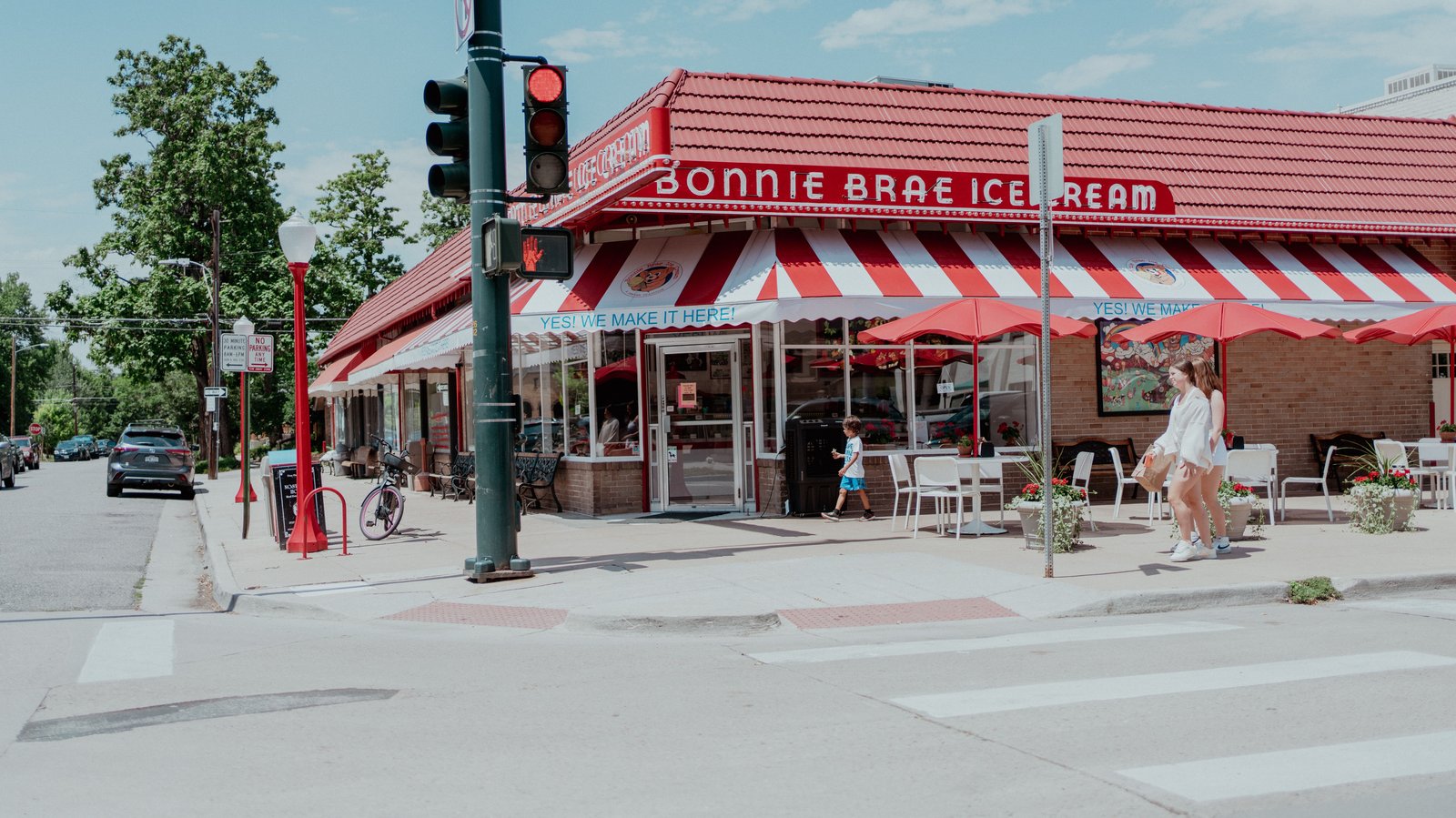
Globeville is one of Denver’s oldest neighborhoods, settled originally by immigrant smelter workers in the late 1800s, and it sits near what became a federal Superfund cleanup site tied to decades of lead and heavy metal contamination from the smelting operations that gave the neighborhood its name. Elyria-Swansea, immediately adjacent, has historically been hemmed in and physically divided by interstate highway construction, including I-70, which cut directly through the neighborhood and contributed to decades of disinvestment, according to reporting on the area’s affordable housing efforts from [Denverite](https://denverite.com/2022/12/17/new-affordable-modular-homes-in-globeville-elyria-swansea/).
That history is precisely why prices remain lower than in comparable-distance neighborhoods elsewhere in Denver, a discount tied directly to environmental stigma and highway-driven disinvestment rather than any lack of appeal in the housing stock itself. The city and Colorado’s Department of Transportation have funneled specific redevelopment and affordable housing investment into the area, including a $2 million contribution from CDOT’s Central 70 project toward an affordable housing collaborative, according to a [CDOT announcement](https://www.codot.gov/news/2018/july/globeville-elyria-swansea-affordable-housing-collaborative-receives-2-million-from-cdot2019s-central-70-project), acknowledging the neighborhood’s disproportionate burden from the highway expansion running through it.
Baker’s Discount Is a Different Story
Baker’s affordability has less to do with environmental history and more to do with its position slightly outside Denver’s most fashionable corridors, despite genuinely good bones: a walkable historic district, proximity to the Santa Fe Arts District, and easy access to downtown via Broadway. The [official Baker Neighborhood Plan](https://www.denvergov.org/content/dam/denvergov/Portals/646/documents/planning/Plans/Baker_Neighborhood_Plan.pdf) from the city describes deliberate efforts to preserve the neighborhood’s historic character and mixed-income housing stock even as development pressure from adjacent, pricier areas like Washington Park and the Golden Triangle continues to build.
What This Means for Someone Actually Considering These Neighborhoods
- Elyria-Swansea and Globeville remain heavily industrial in parts, with active rail lines and warehouses mixed directly into residential blocks
- New modular affordable housing developments have started appearing specifically in Globeville, tied to city-backed equity initiatives rather than market-rate speculative building
- Baker’s walkability and historic housing stock make it the more immediately livable of the three for someone prioritizing lifestyle over rock-bottom price
How This Compares to Other Cities’ Redlined Neighborhoods
Denver’s pattern echoes what researchers have documented in cities across the country: neighborhoods that hosted heavy industry, highways, or were subject to historic redlining tend to remain the most affordable decades later, even after the industrial activity itself has scaled back or ended entirely. The stigma and the physical legacy, contaminated soil, divided street grids, proximity to rail yards, persist long after the original economic rationale for the disinvestment has faded, which is exactly why these neighborhoods now function as the entry point for buyers priced out of Denver’s more established, historically whiter and wealthier areas.
Denver’s Neighborhood Equity Index, a planning tool the city uses to direct investment, explicitly ranks Globeville and Elyria-Swansea among the neighborhoods facing the greatest combined burden of environmental exposure, health disparities, and limited access to opportunity, according to the city’s own [Neighborhood Equity Index mapping](https://www.denvergov.org/files/assets/public/v/1/parks-and-recreation/documents/planning/dpr_neighborhoodequityindex_map.pdf), a formal acknowledgment that the current affordability of these neighborhoods is inseparable from decades of documented inequity.
Denver’s broader affordability crunch has pushed even middle-income buyers to reconsider neighborhoods they might have dismissed a decade ago, and real estate agents report a noticeable uptick in interest from buyers specifically searching Baker and the Golden Triangle as more established neighborhoods like Washington Park and Cherry Creek have priced out anyone without significant existing equity. That demand shift is gradually closing the price gap in Baker specifically, even as Globeville and Elyria-Swansea remain more insulated from the same pressure due to their more pronounced industrial character.
Transit access differs meaningfully among the three neighborhoods too. Baker sits along several well-served bus routes and is a reasonable bike ride from downtown, while Globeville and Elyria-Swansea have historically had thinner transit service despite their proximity to downtown, a gap the city has targeted for improvement as part of the broader equity-focused investment tied to the Central 70 highway project settlement.
First-time homebuyer assistance programs specifically targeting these neighborhoods have expanded in recent years, with the city partnering with nonprofit housing organizations to offer down payment assistance and below-market financing specifically for buyers purchasing in Globeville, Elyria-Swansea, and a handful of other historically disinvested Denver neighborhoods, an explicit acknowledgment that market forces alone weren’t going to correct the affordability gap on their own.
Light rail expansion has played a role too, the RTD’s N Line, which opened service through the Globeville and Elyria-Swansea area, has improved connectivity without immediately triggering the kind of transit-driven gentrification seen in some other Denver neighborhoods, largely because the area’s industrial character and Superfund history have continued to suppress speculative investment even as transit access improved, a rare case where environmental stigma has actually slowed displacement pressure rather than simply lowering property values across the board.
Community land trusts have also emerged as a tool specifically deployed in Globeville and Elyria-Swansea, structures designed to keep new affordable units permanently affordable rather than allowing them to convert to market rate after an initial restriction period expires, a longer-term approach to preventing the displacement that has hit so many other formerly industrial American neighborhoods once redevelopment investment finally arrives.
That distinction, deliberate public investment rather than incidental market discovery, is likely to define how equitably the neighborhood’s next decade of change actually unfolds.
Denver’s affordability map, like most American cities, isn’t random, it’s a fairly direct readout of a century of industrial siting, highway construction, and disinvestment decisions, with the current discount in neighborhoods like Globeville and Elyria-Swansea a legacy cost the city is now trying, with mixed success, to address through targeted investment rather than simply letting the market rediscover the land on its own terms.