The Food and Music Are Only Part of Louisiana’s Cajun Country—Visitors Miss What Locals Are Carrying
We may earn money or products from the companies mentioned in this post. This means if you click on the link and purchase the item, I will receive a small commission at no extra cost to you ... you're just helping re-supply our family's travel fund.
Plenty of visitors arrive in Louisiana Cajun Country with a short list: boudin, étouffée, a dance hall, a band with an accordion. All of that is real and worth the trip. But the people who live in Lafayette, Breaux Bridge, Eunice, and Mamou are carrying something heavier than a recipe card, and you will miss it if you only come for the plate and the song.
What locals carry is a language that nearly vanished, the memory of an exile, a calendar of faith and ritual, and a way of treating strangers as guests. Understanding those pieces changes how you eat, listen, and move through Acadiana. Here is what to look for.
What Locals Are Carrying in Louisiana Cajun Country
Cajun culture is the story of people who were forced out of Acadia, in what is now Nova Scotia and the Maritime provinces of Canada, beginning in the 1750s. The British expulsion, often called Le Grand Dérangement, scattered thousands of French-speaking Acadians. Many eventually settled in south Louisiana, where their descendants became known as Cajuns, a shortened, regional form of Acadian.
That history is not trivia in Acadiana. It shapes how people talk about family, land, and survival. When a local says their family has been in the same parish for generations, they often mean something specific: a community that has had to rebuild its identity more than once. The things they carry fall into five categories.
The French Language, Pulled Back From the Edge
For much of the twentieth century, children in Louisiana were punished at school for speaking French, and the language declined sharply. Many grandparents still remember being told to stop. As a result, a generation of parents stopped speaking Cajun French at home, and the language slid toward the margins.
Locals have worked to reverse that. Louisiana created the Council for the Development of French in Louisiana, known as CODOFIL, in 1968, and French immersion programs have grown in public schools around Lafayette and other parishes. Cajun French radio, community classes, and conversation tables, often called tables françaises, give speakers a place to practice. In small towns you will still hear older residents switch from English to French mid-sentence.
How to notice it: ask someone how they say “hello” or “thank you” in French. Many people light up. Listen to the radio, where stations such as KRVS in Lafayette broadcast Cajun and Creole programming. Visit a community French table if one is open to visitors.
The Memory of Exile
Walking through Acadiana you will see references to Acadia everywhere: in street names, festival names, and museums. The Acadian Memorial in St. Martinville honors those who arrived after the expulsion, and the Evangeline Oak, tied to Longfellow’s poem, is a stop for many visitors. Vermilionville in Lafayette is a living-history village that shows how Acadian, Creole, and Native American communities lived in the early nineteenth century.
This memory shapes how people think about home. Many Cajuns speak of staying close to family and land because their ancestors lost both. That sense of rootedness is also why local festivals are so well attended. They are less a show for visitors than a way of marking that the community is still here.
Faith, Family, and the Church Calendar
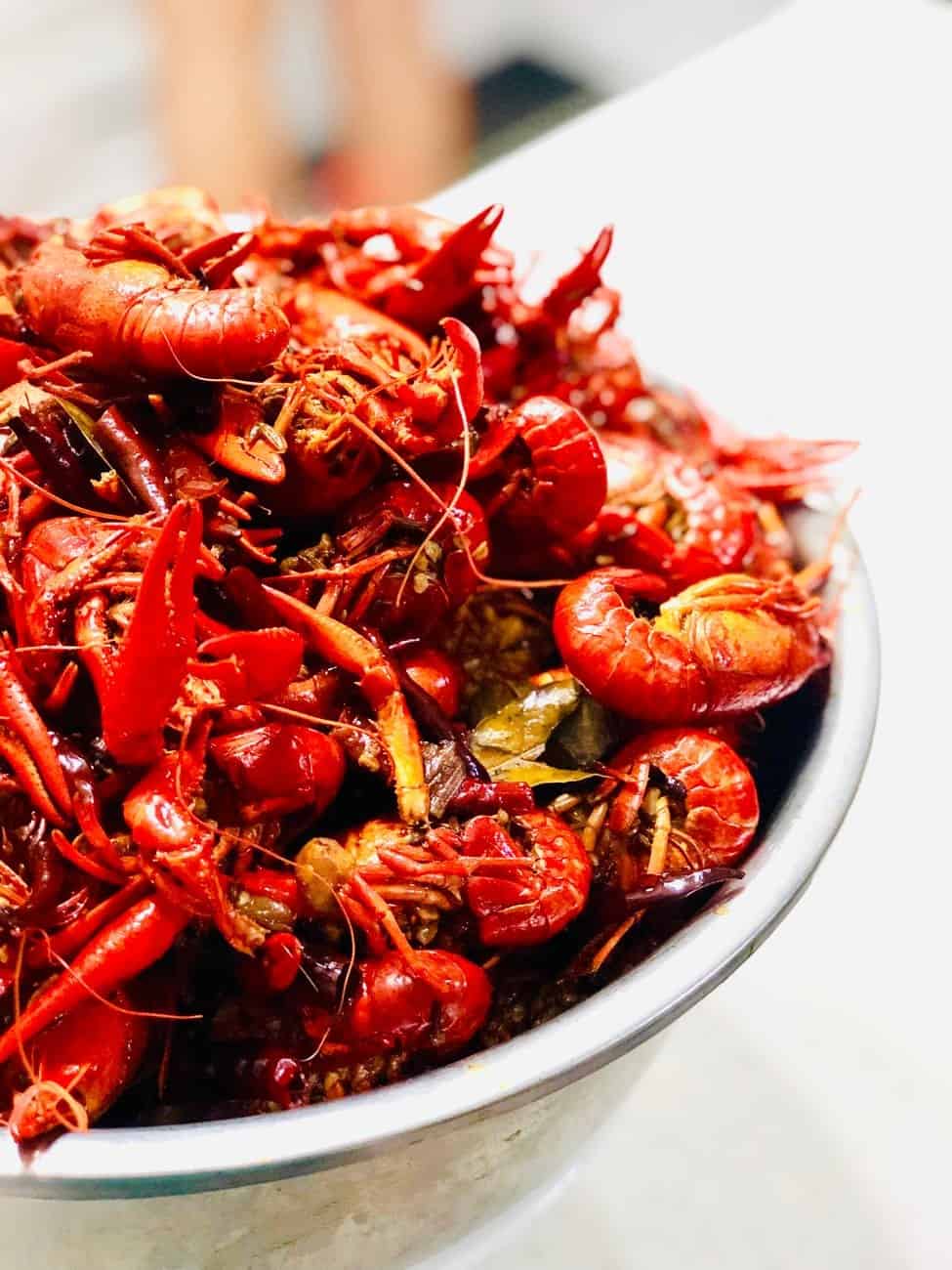
South Louisiana’s Catholic roots are strong, and the church calendar sets the rhythm of life. Mass attendance, feast days, and the Lenten season shape what people eat and when they gather. Lent is a good example: many families still avoid meat on Fridays, which helps explain the popularity of seafood boils and crawfish season in spring.
Church halls also host fundraisers, such as boucheries, fais do-dos, and gumbo suppers. Visitors who show up to a parish fair or a Friday fish fry are often welcomed with the same hospitality given to neighbors. These events are an easy way to meet people and to spend your money in a way that supports the community.
The Courir de Mardi Gras
Many travelers know New Orleans for Mardi Gras. Cajun Country has its own tradition, the courir de Mardi Gras, or Mardi Gras run, which is centered in rural prairie towns such as Mamou, Eunice, and Church Point. Costumed riders on horseback travel from farm to farm, begging for ingredients for a communal gumbo. The costumes include tall, pointed capuchon hats and masks, and the riders sing, dance, and play tricks as they go.
The run is a ritual with medieval French roots, adapted to the Louisiana prairies. The capitaine leads the riders, and the community responds by throwing a live chicken for the riders to chase, a custom that surprises many visitors. The ritual is rowdy and loud, and also deeply rooted. It is a way of carrying old French customs into a new landscape.
If you visit during Carnival season, which typically runs from early January to the day before Ash Wednesday, check local calendars for runs and street events. Treat it as a community event, not a parade. Stay out of the way of the horses and respect the rules of the day.
A Shared Table
Food is part of the story, but the sharing is the point. Gumbo, jambalaya, and boudin are dishes designed to feed a crowd, and they are often made in big pots. Boucheries, community hog butchering events, historically brought families together to share the work and the meat. Crawfish boils, backyard cookouts, and tailgates continue the idea.
For visitors, this shows up in simple ways. Locals will ask if you have eaten. They will offer you a taste. A boudin stop is a social event, and many people eat it standing in the parking lot. Accept the invitation, ask questions, and thank the cook.
How to See It as a Visitor
You can enjoy Cajun Country on a surface level, and plenty of people do. If you want to see what locals carry, a few choices make a difference.
- Go to a dance hall on a weekday afternoon or Saturday morning. Many places host free jam sessions, such as the Saturday morning Cajun jam at Savoy Music Center in Eunice, where musicians and dancers of all ages gather.
- Visit Prairie Acadian Cultural Center in Eunice, part of Jean Lafitte National Historical Park and Preserve, for free programs and exhibits on prairie Cajun life.
- Stop at a small-town church fair or fish fry. The food is good, and the setting shows daily life.
- Listen to local radio while you drive. Stations play Cajun, zydeco, and swamp pop, along with conversations in French.
- Take a swamp tour led by a local guide who can tell family stories and explain how the Atchafalaya Basin shaped communities.
- Ask questions and listen. Cajun culture is built on conversation and storytelling.
A Weekend Route Through Acadiana
If you have two or three days, a simple route lets you see the culture in layers. Start in Lafayette, the region’s largest city, with Vermilionville for history and a lunch of boudin or a plate lunch at a neighborhood spot. Drive to Breaux Bridge, which calls itself the crawfish capital of the world and hosts a crawfish festival each spring, and then to St. Martinville for the Acadian Memorial and the old church square.
On day two, head northwest onto the prairie. Eunice and Mamou are small towns with big music traditions, and Saturday is the day to be in Eunice, with a morning jam at Savoy Music Center and the Liberty Theatre’s Rendez-vous des Cajuns radio show in the evening, which often fills a historic theater with dancers. Mamou’s bars host Saturday-morning music sessions, which draw regulars and curious visitors alike.
Finish with time in the Atchafalaya Basin, where cypress swamps, bayous, and fishing camps show the landscape that shaped Cajun life. Many locals worked as fishermen, trappers, and farmers, and their skills explain why the cuisine centers on crawfish, catfish, rice, and sausage. Seeing the water makes the food make sense.
Seasons and Festivals Worth Planning Around
Acadiana has a festival calendar that follows the seasons. Carnival season runs from early January through Mardi Gras, with rural runs and community balls. Lent brings fish fries and crawfish boils, and the crawfish season generally peaks in spring. Summer is hot and humid, and festivals often move indoors or into the evening. In the fall, Festivals Acadiens et Créoles in Lafayette, held in October, is one of the best places to hear Cajun and Creole music, with free admission to many stages. Check dates before you plan, since schedules shift from year to year.
Cajun, Creole, and Zydeco: Know the Difference
Visitors often use Cajun and Creole interchangeably, and locals notice. Cajun culture traces to Acadian settlers. Creole culture, in Louisiana, traces to a mix of French, Spanish, African, and Caribbean heritage, and includes people of color who have shaped the region’s food and music. Zydeco, a lively accordion and rubboard music, comes from Black Creole communities, while Cajun music tends to feature fiddle and accordion with a different rhythm. The two traditions have influenced each other for generations, and many dance halls feature both.
Taking a moment to learn the difference shows respect. It also deepens your listening, because you begin to hear how the music reflects the people who made it.
Respectful Behavior and Common Mistakes
A few simple habits go a long way in Acadiana. Do not treat local ritual as costume or a photo opportunity. Ask before taking pictures of people at private events. Tip generously at small restaurants and music venues. Avoid reducing the culture to a few phrases or dishes. If you are invited into someone’s home or yard, accept graciously and bring something small to share.
- Avoid saying Cajun is the same as New Orleans. Acadiana has its own history and customs.
- Do not expect everyone to speak French. Many younger people do not, and the language is a source of both pride and pain.
- Do not rush. Meals, dances, and conversations run on their own schedule.
- Respect sacred spaces, including churches and cemeteries.
Why It Matters Beyond the Trip
Cajun culture has survived loss, assimilation, hurricanes, and an economy that has often pulled young people away. Locals are carrying it forward through schools, festivals, music, and family traditions. When visitors listen and spend time, they help the community keep these traditions alive. That is more than polite tourism. It is a way to be a good guest in a place that has worked hard to keep its voice.
Next time you sit down to a plate of boudin in Acadiana, remember it is part of something bigger. The song, the dish, and the language are all pieces of one story, and the people who live there are still telling it.