Why Being Clearly Foreign Feels Different Just 10 Miles Outside the Capital — and What Visitors Should Expect
We may earn money or products from the companies mentioned in this post. This means if you click on the link and purchase the item, I will receive a small commission at no extra cost to you ... you're just helping re-supply our family's travel fund.
In a capital city, being clearly foreign is ordinary. You can look lost, speak slowly, or point at a menu, and nobody blinks. Drive ten miles out and the same traits can feel very different. Being clearly foreign outside the capital means being noticed, being asked questions, and sometimes being helped more than you expected, or understood less. Here is why that happens and what visitors should expect.
The pattern shows up in many countries, from Europe to Asia to Latin America. It is a social effect and not a rule, so individual experiences vary. The explanation lies in numbers, services, and social habits.
Why Being Clearly Foreign Feels Different Outside the Capital
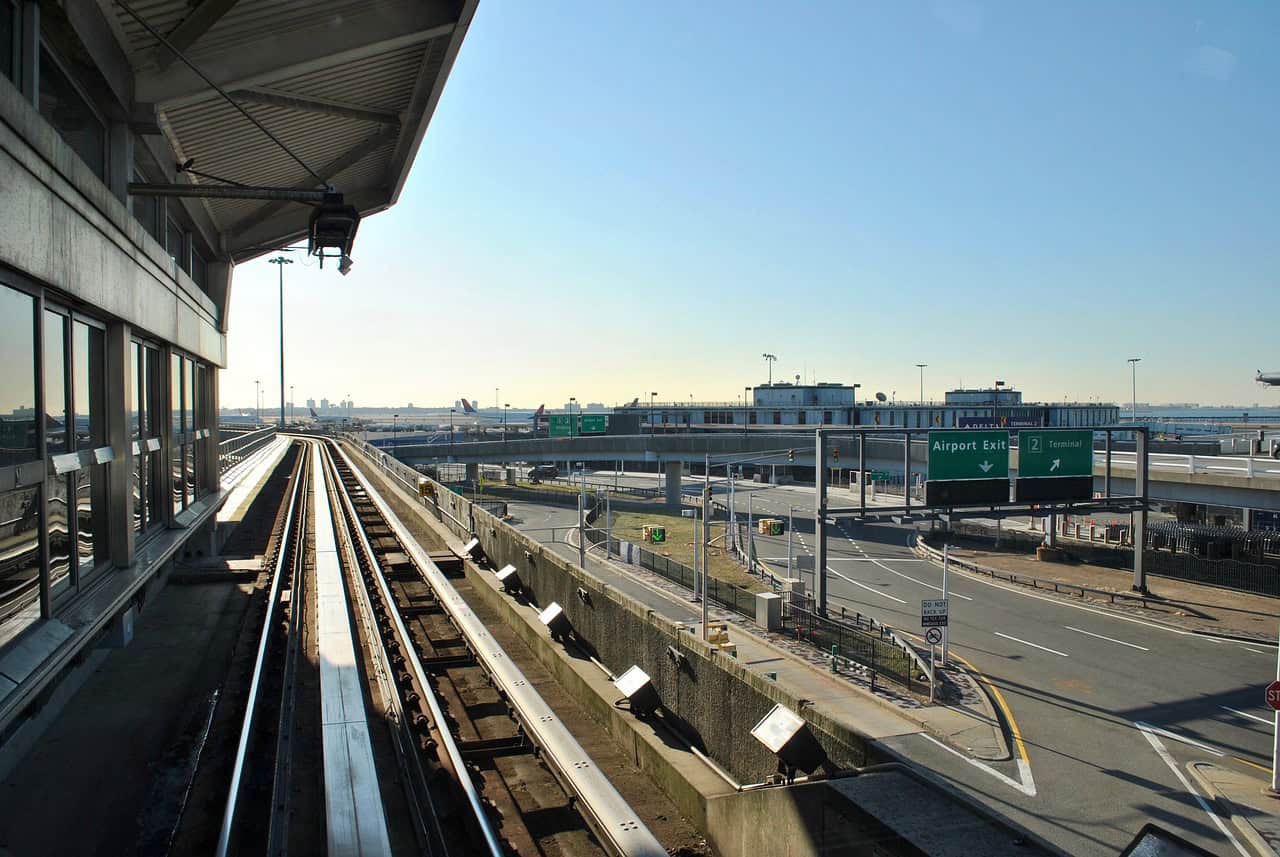
Capitals are built to handle outsiders. They have embassies, international companies, universities, airports, and large tourist industries. Staff in hotels, restaurants, and shops are used to foreigners, and many speak some English or another major language. Signs are often bilingual, and menus have pictures or translations. In a capital, the visitor is one of thousands, and the system adapts.
Ten miles away, the numbers change. Fewer foreigners pass through, fewer people speak other languages, and the local rhythm is set by residents and not by visitors. That does not make the experience worse. It makes it more direct.
You Are Noticed More
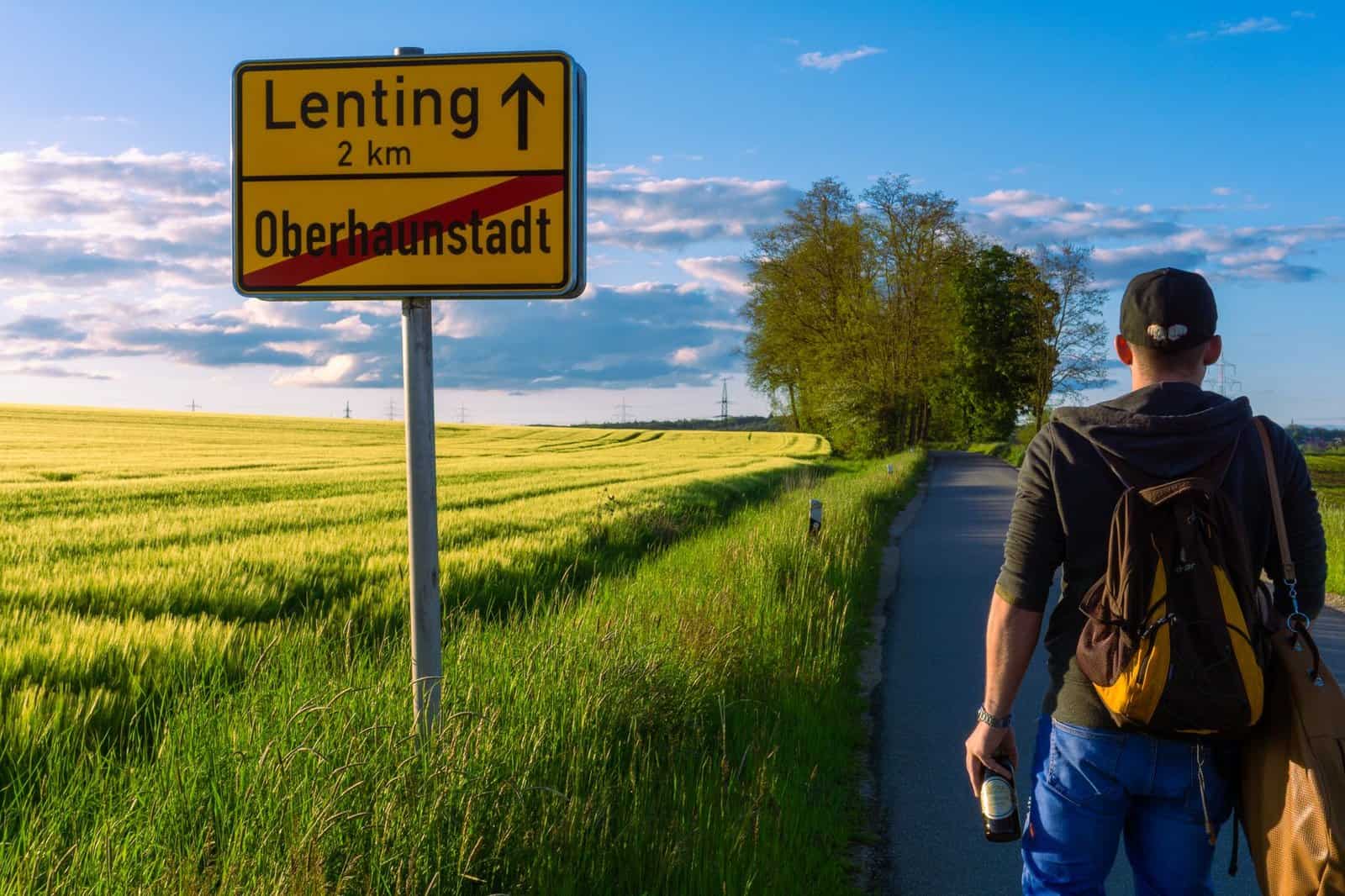
In a small town or suburb, strangers stand out. Your clothes, accent, backpack, or way of walking show that you are not from there. Locals may stare, smile, or ask where you are from. In many places this attention is friendly curiosity. In others it can feel intrusive, especially for solo travelers or people who are visibly different from the majority.
It helps to understand that attention is not always judgment. In places with little tourism, a foreigner may be the first one a person has met in months. A friendly nod, a greeting in the local language, and a smile go a long way.
Language Matters More
In capital cities, many people speak at least basic English. A short distance out, that often drops. Signs may be only in the local language, bus drivers may not speak English, and menus may have no translations. You will rely more on phrases, translation apps, gestures, and patience.
Learning a dozen phrases changes everything: greetings, please and thank you, how much, where is, and I do not understand. Even imperfect attempts show respect and often prompt people to help. Download offline language packs before you go, since mobile coverage may be weaker.
Services Are Not Built for Visitors
Outside the capital, tourist infrastructure thins out. Hotels may be family-run guesthouses, and restaurants may close at odd hours. Credit cards are accepted less, ATMs may be fewer, and ride-hailing apps may not work. Public transit runs less often, and the last bus may leave early. Information centers and official websites may only be in the local language.
That means planning ahead matters. Carry some cash, confirm opening times, and know how you will get back. Check before you go for schedules and payment options.
Prices and Expectations Shift
Prices often drop outside the capital for food, lodging, and local transport. But in places with little tourism, there may be no set tourist prices, and locals pay locals’ rates. Be respectful when bargaining and avoid assuming you will be overcharged. Many foreigners find that small-town hospitality is generous.
There are exceptions. In some regions, a single tourist spot may inflate prices, and scams exist near popular sites. Ask your host or hotel for fair price guidance and compare quotes.
Social Fabric Is Tighter
Capitals are anonymous. Small towns are not. People know their neighbors, and news travels fast. A foreigner who shops at the same market or sits in the same cafe for a few days becomes a familiar face. Locals may invite you for tea, a meal, or a local event. In other cases, you may meet reserve or suspicion, especially if the region has had negative experiences with outsiders.
Social norms also matter more. Dress codes, greetings, and rules about photography, religion, or alcohol may be stricter than in the capital. Observe what locals do and follow their lead.
What Visitors Should Expect
Expect these differences when you travel a short distance from a capital city.
- More attention: friendly curiosity is common, and so is being the only foreigner in a room.
- Less English: use simple phrases, translation apps, and patience.
- Fewer services: plan transport, cash, and lodging ahead.
- Different pace: shops may close for midday breaks, and meals may be slower and later.
- Warmer encounters: many travelers report invitations and spontaneous help.
- Stronger norms: respect local dress and behavior.
- Mixed safety: rural areas are often safer in terms of petty theft, but have fewer emergency services and slower response times.
How to Prepare
A few steps ease the transition.
- Learn basic phrases and greetings, and practice the pronunciation.
- Download offline maps and language packs.
- Carry cash in small bills, and a backup card.
- Tell your hotel where you are going, and share your plans with someone at home.
- Dress modestly and neutrally, in line with local customs.
- Bring a small gift or a postcard from home if you expect to meet hosts.
- Be prepared to say who you are and where you are from. Short, friendly answers help.
- Keep a local contact number for your accommodation and a taxi.
Common Mistakes
Visitors often treat towns outside the capital as backdrops. Taking photos of people without asking, treating homes as exhibits, or expecting capital-level service can cause friction. Avoid assuming that everyone will speak your language or that prices are negotiable. Avoid loud comparisons with home. Listen more than you talk.
Another mistake is staying only in the capital, which gives a narrow picture. A day trip or overnight stay gives context that makes the capital make more sense, because most of the country lives outside it.
Why It Is Worth It
Being noticed can be uncomfortable, but it is also what makes small-town travel rewarding. Conversations are more direct, food is often more local, and interactions feel less transactional. Travelers often remember these moments more than museum visits. Getting out of the tourist bubble also spreads travel money to communities that do not see much of it.
It also changes how you think about being foreign. After a few days outside the capital, you understand what it is like to be the outsider, which can build empathy for newcomers back home.
A Typical Day Ten Miles Out
It helps to picture the experience. Imagine you are staying in a capital and take a morning bus or train to a smaller town just outside it. On arrival, the station is quiet, the signs are in the local language, and the bakery across the street is full of regulars. You order using a few phrases, and the baker smiles and asks where you are from. A couple of customers join in, using gestures and a little English. By the end, you have a pastry and a recommendation for lunch.
You walk to a local market, where vendors call out prices and look you over. A few ask whether you are a tourist. You buy fruit and a small gift. At lunch, the restaurant has a handwritten menu, so you point at what the next table is eating. The owner brings a free side dish to be hospitable. In the afternoon, you try to buy a bus ticket back, and the clerk writes the price on paper. You miss the first bus because you misread the schedule, and a stranger tells you where to wait for the next one.
None of this is dramatic, but it is intense. Every small interaction requires attention, and every success feels earned. By evening you are tired and also pleased, which is a good description of what travel is like when you step out of the tourist bubble.
Reading the Reactions
Not every reaction is friendly, and visitors should know how to read the range.
- Curiosity: people looking, smiling, and asking questions is the most common reaction.
- Helpfulness: strangers often go out of their way to guide you, especially when you look confused.
- Reserve: some communities are more private, and cool responses are not hostility.
- Caution: in places where outsiders are rare, people may be wary and watchful.
- Opportunism: in tourist-adjacent areas, a few people may try to sell, overcharge, or pressure you.
- Prejudice: unfortunately, some travelers, especially people of color, women traveling alone, and LGBTQ travelers, may face discrimination or harassment. Research local conditions and laws before you go.
If you feel uncomfortable, trust your instincts, move to a public area, and contact your host or local authorities. Keep emergency numbers handy.
What Makes the Capital Different
Capitals also differ from the rest of the country in many ways beyond tourism. They tend to have younger and more international populations, more universities, and more diverse employment. Residents are more used to different languages, religions, and clothing. Politics and media shape the capital’s identity, and many people have lived abroad or have family elsewhere.
Outside, the population is often older, more rooted, and more tied to local industries such as farming, small manufacturing, and trades. Family networks and local institutions matter more. This is not a judgment, simply a difference in daily life that explains why the same traveler gets different reactions.
Safety and Practical Details
Most trips outside capitals are safe, but a few extra steps help.
- Share your itinerary and check in with a friend or family member.
- Keep your phone charged and carry a backup battery.
- Use licensed transport, and agree on prices before you start if there are no meters.
- Know local emergency numbers and the nearest hospital.
- Carry copies of your passport and keep the original secure.
- Check your government’s travel advisories for specific regions.
- Buy travel insurance that covers medical care and evacuation.
Turning Awkwardness Into a Good Story
The most useful mindset is to treat awkward moments as part of the experience. You will mispronounce words, order the wrong dish, and get on the wrong bus. Laugh, ask for help, and keep going. People tend to respond to humility and humor. If you make an effort, many locals will meet you halfway.
The Takeaway
Being clearly foreign feels different outside the capital because the numbers, services, and social habits change. You will be noticed, you will need a few phrases, and you will rely on planning and goodwill. The reward is a more direct connection with local life. Go prepared, stay respectful, and check schedules and prices before you go.