Flagstaff Has About 77,000 People, 4 Major Economic Engines, and Two Interstates That Meet at Its Edge. Here’s What That Looks Like
We may earn money or products from the companies mentioned in this post. This means if you click on the link and purchase the item, I will receive a small commission at no extra cost to you ... you're just helping re-supply our family's travel fund.
Flagstaff has about 77,000 people, a mountain setting at 7,000 feet, and an economy that runs on more than one engine. It also sits where two interstates meet: I-40 runs east to west along the southern edge of town, and I-17 ends here after climbing from Phoenix. Those highways help explain why the city is a crossroads. This guide describes the four main Flagstaff economic engines and what each looks like to a visitor.
Figures are approximate, drawn from public data such as census counts and local reports, and they change, so check before you go.
The 4 Flagstaff Economic Engines
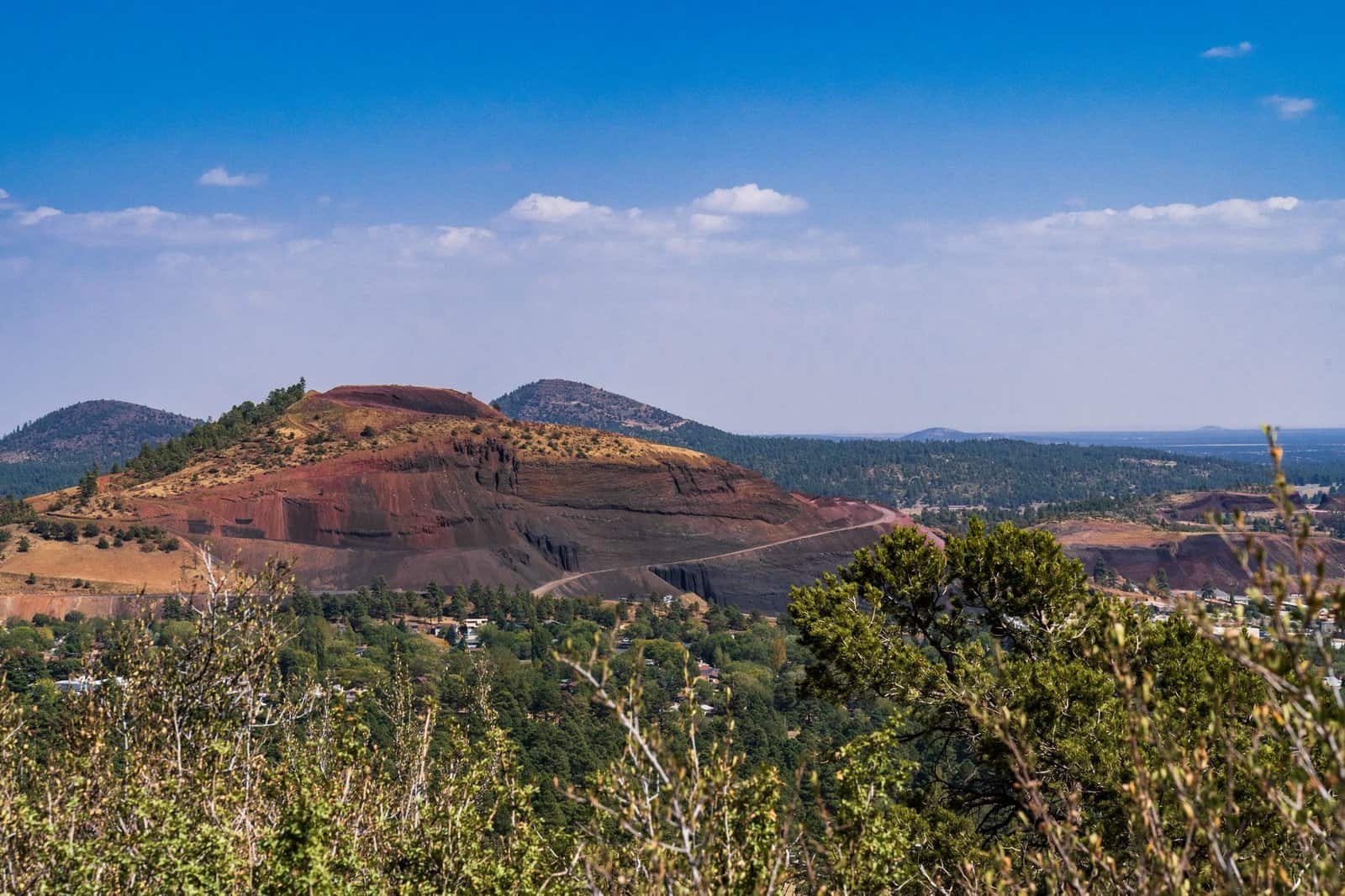
Flagstaff’s economy is more balanced than many small cities. Instead of relying on a single industry, it has four large pillars: tourism, education, health care, and manufacturing and science. Together they support jobs, tax revenue, and a lively community, though they also bring pressure on housing and services.
1. Tourism and Travel Services
Tourism is the most visible engine. Flagstaff sits on I-40, along historic Route 66, and is about 80 miles south of the Grand Canyon’s South Rim and about 30 miles north of Sedona. Travelers stop for lodging, meals, and fuel, and many use the city as a base for day trips. The San Francisco Peaks offer hiking and skiing at Arizona Snowbowl, and the city has breweries, restaurants, and a historic downtown.
The industry employs thousands of people in hotels, restaurants, shops, and tour companies. Summer is the peak season, with additional spikes during holidays and winter ski weekends. Visitors see this engine in busy downtown streets, motels along Route 66 and Milton Road, and full parking lots at trailheads. Hotel rates vary widely by season, and weekend rooms can sell out, so check before you go.
Tourism also has costs. It adds traffic and competition for housing, and workers in the sector often earn modest wages while paying high rents.
2. Northern Arizona University and Education
Northern Arizona University, founded in 1899, has an enrollment of roughly 30,000 across its campuses, including about 20,000 on the main Flagstaff campus, according to commonly cited figures. It is the city’s largest employer, with faculty, staff, and research jobs, and students bring spending power to local businesses. The university also draws visitors for athletics, conferences, and events, and its high-altitude training facilities attract Olympic and collegiate athletes.
Other educational institutions, including Coconino Community College and the Flagstaff Unified School District, add jobs. Visitors see this engine in the energy of the campus, student-focused restaurants and shops, and a calendar that follows the academic year. Summer and winter breaks bring noticeable quiet, and move-in weekends and graduation can fill hotels.
3. Health Care
Flagstaff Medical Center, part of Northern Arizona Healthcare, is a major regional hospital and trauma center serving northern Arizona, including rural communities and Native nations. It and other clinics and specialty providers employ thousands of people. Health care jobs tend to be stable and relatively well paid, which helps the local economy weather downturns.
Visitors may not see this engine as directly, but it shapes the city. Medical professionals, patients, and families travel to Flagstaff and often stay in hotels and eat at restaurants. The hospital’s growth has also added demand for housing and services. If you have a medical emergency while visiting, Flagstaff offers a higher level of care than many nearby towns.
4. Manufacturing, Science, and Logistics
Flagstaff has a notable base of manufacturing and science. W. L. Gore and Associates, the maker of Gore-Tex and many medical products, has a long history here, and other manufacturers produce medical devices, outdoor gear, and food and pet products. Distribution centers take advantage of the interstates. Science is also part of the picture, with Lowell Observatory, where Pluto was discovered in 1930, the US Geological Survey’s astrogeology research, and Northern Arizona University’s research programs.
This engine gives the city a mix of blue-collar and technical jobs, and it diversifies the economy beyond tourism. Visitors can see it in Lowell Observatory tours, science events, and the industrial areas near the railroad and interstate. Check hours and ticket prices for the observatory before you go.
The Interstates and the Rails
It is worth correcting a common misunderstanding. Flagstaff is not a bypassed town. Interstate 40, the major east-west route across the Southwest, runs along the southern side of the city. Interstate 17 begins at I-40 in Flagstaff and runs south to Phoenix, about two and a half hours away. The BNSF railway also runs through downtown, with long freight trains that visitors will hear day and night. That network of highways and rails is a crucial part of the city’s economy, because it brings visitors, goods, and workers.
Route 66 once ran through downtown, and historic buildings and neon signs remain. The old highway is now a main street through the historic district and Milton Road. Amtrak’s Southwest Chief stops at the downtown depot, which gives travelers another way to arrive.
How the Engines Work Together
The four engines support each other. University events bring visitors who spend at hotels and restaurants. Hospital staff and students rent homes and shop locally. Manufacturers and scientists draw talent who also enjoy the outdoors. Tourism supports downtown businesses that serve residents. The diversity reduces risk, since a slowdown in one area may be offset by another.
The Pressures
Success has costs. Housing is expensive, and workers struggle to find affordable places to live. Water and land are limited, and growth debates are common. Traffic congestion grows near the interstate and downtown. Wildfire and flood risks affect the surrounding forest and neighborhoods. Some residents worry that the city is changing too quickly, while others want more housing and jobs.
Planning Your Visit
- Stay: choose between historic hotels downtown, motels along Route 66, and newer hotels near the university. Rates vary, and check before you go.
- Eat: Flagstaff has a strong local food and craft beer scene, with options from casual to upscale.
- Explore: walk the downtown historic district, visit Lowell Observatory, hike in the San Francisco Peaks, and drive to Walnut Canyon National Monument and Sunset Crater Volcano National Monument.
- Time: summer and fall are the most popular, winter offers snow sports, and spring is variable.
- Altitude: the city sits at 7,000 feet, so drink water and pace yourself the first day.
- Getting around: a car is useful, though downtown is walkable and there is a local bus system called Mountain Line.
Reading the Engines Through the Seasons
The four engines run on different calendars, which is one reason Flagstaff stays steady. Tourism peaks in summer, with another bump in winter during ski season. The university runs from late August to May, with a quieter summer. Hospitals operate year-round, and manufacturing follows orders and supply chains. When one engine slows, others often carry the load.
A visitor in July sees full sidewalks and hotels, and the university is quiet. A visitor in October may find students everywhere, with football games and parents’ weekends. In January, snow brings skiers, and downtown cafes fill with locals waiting for the weather. In April, the city can feel like it is catching its breath.
What the Numbers Suggest
Public data sources give a rough sense of scale. Education and health services employ a large share of the workforce, followed by leisure and hospitality and retail. Government jobs, including the city, county, and federal land agencies, are also significant. Manufacturing is smaller by share, but its wages are often higher. These shares shift over time, so check current labor reports from the state and county if you need precise figures.
What Each Engine Needs From Visitors
Each part of the economy interacts with travelers differently, and being thoughtful helps.
- Tourism: spend at local businesses, book directly when possible, and respect locals.
- Education: respect student neighborhoods and campus rules, and attend university events.
- Health care: if you need care, bring your insurance information and know your options. Urgent care clinics can reduce pressure on the emergency room for minor issues.
- Manufacturing and science: tours and public events, such as the observatory’s evening programs, offer a way to learn and support these institutions.
Beyond the Engines
Other parts of the economy include construction, retail, outdoor recreation companies, and remote work. In recent years, remote workers have moved to Flagstaff for the lifestyle, adding demand for housing and services. Small businesses, from breweries to bike shops, fill in the picture. The city also supports startups, with a local entrepreneurship ecosystem and coworking spaces.
Native nations around Flagstaff, including the Navajo Nation, Hopi Tribe, and others, are also part of the regional economy. Many residents travel to Flagstaff for shopping, health care, and education, and Native-owned businesses and artists contribute to the cultural and economic life of the area.
Seeing the City in a Day
If you have a day, start with breakfast downtown, then walk the historic district and look at the buildings along Route 66. Visit Lowell Observatory in the afternoon or evening, where tours and telescope viewing may be offered. Drive up to the Snowbowl road or hike a trail in the Peaks if conditions allow, and finish with dinner at a local restaurant or brewery. Check before you go for observatory hours and ticket prices, which vary by season and program.
For a longer trip, add a day to see Walnut Canyon National Monument, Wupatki, and Sunset Crater, which together give a view of the volcanic and ancient history that shaped the region. You can also drive to Sedona or the Grand Canyon, though plan for a full day each way.
The Takeaway
Flagstaff has about 77,000 people, four major economic engines, and two interstates that meet at its edge. Tourism, education, health care, and manufacturing and science keep the city balanced, while I-40, I-17, and the railroad keep it connected. Visit for the mountains and the history, and look for how the four engines shape the town. Check hours and prices before you go.