Two East Texas Cities Sit 25 Miles Apart—Their Completely Different Jobs Explain the Contrast
We may earn money or products from the companies mentioned in this post. This means if you click on the link and purchase the item, I will receive a small commission at no extra cost to you ... you're just helping re-supply our family's travel fund.
Drive west on Interstate 20 from the Louisiana line and you pass two East Texas cities within about 25 miles of each other. Longview and Marshall share pine woods, Baptist churches, and plenty of barbecue, but they feel different once you step off the highway. The main reason is work. One grew up on oil, chemicals, and manufacturing, and the other on railroads, pottery, and a historic courthouse square.
This guide compares the two, with what each does for a living, what visitors can see, and how the contrast shows up in daily life. Hours and prices change, so check before you go.
Why Two East Texas Cities 25 Miles Apart Feel So Different
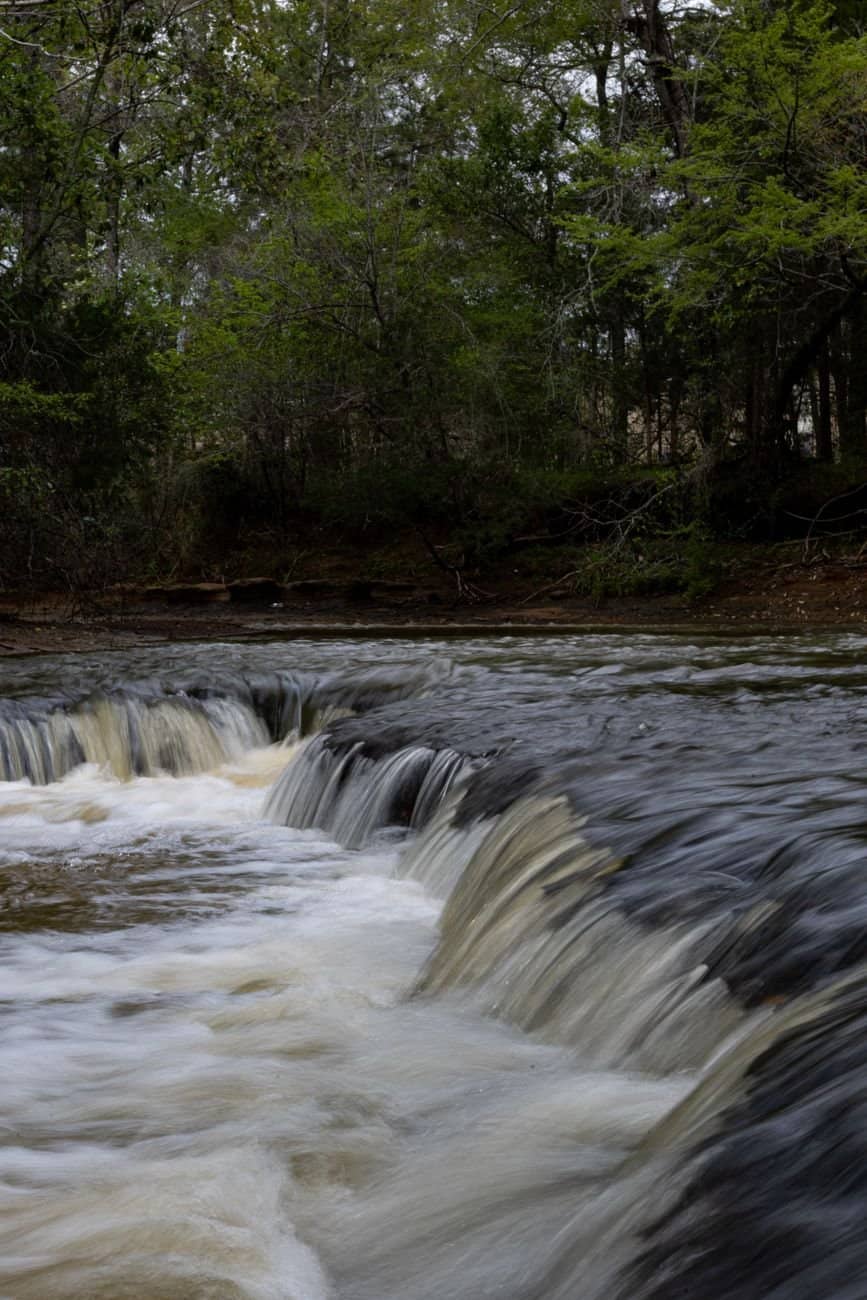
Longview is the larger of the two, with about 82,000 residents and a metro area that includes Gregg, Harrison, Rusk, and Upshur counties. Marshall, the seat of Harrison County, has about 23,000 residents. Their histories diverged in the nineteenth and twentieth centuries. Marshall was a major railroad and cotton center that briefly served as a Confederate capital for Missouri and later became known for pottery and education. Longview was a small railroad town until the discovery of the East Texas oil field in 1930, which turned it into a boomtown.
1. Longview: Oil, Chemicals, and a Regional Hub
Longview sits in Gregg County, near the center of the giant East Texas oil field, which was discovered in 1930 and was among the largest oil fields in the country at the time. The boom drew thousands of workers and shaped the city’s economy. Today, oil and gas remain part of the picture, but manufacturing, chemicals, health care, retail, and education have become just as important.
A large chemical plant operated by Eastman Chemical Company in Longview is one of the area’s major employers, and the area also has industrial and fabrication companies. Longview is a regional shopping and health care center, with major hospitals and a large retail corridor around Loop 281. LeTourneau University, a private Christian university known for engineering, adds a campus presence. The city’s economy can feel more urban, with chain stores, traffic, and business travelers.
What visitors see: a modern downtown that has been revitalized, with restaurants, a farmers market, and events, along with the Gregg County Historical Museum and the Longview Museum of Fine Arts. The East Texas Oil Museum is in nearby Kilgore, about 15 minutes away, and tells the story of the boom with a recreated boomtown street. Longview is also known for the Greggton area’s industrial history and for the Longview Arboretum and Nature Center, which offers trails and gardens. Lodging is plentiful, from chain hotels to inns, typically in the range of 90 to 160 dollars a night.
2. Marshall: Rail, Pottery, and a Heritage Town
Marshall sits in Harrison County, near the Louisiana border and about 25 miles east of Longview. The town grew with the arrival of the Texas and Pacific Railway in the 1870s, and railroad shops once employed thousands. It also became a center of pottery. Marshall Pottery, founded in the early twentieth century, still produces ceramics sold across the country, and the town calls itself the Pottery Capital of the USA. Wiley College, a historically Black college founded in 1873, is the school depicted in the film The Great Debaters, and it remains a point of pride.
The economy today is smaller and more mixed, including manufacturing, health care, education, retail, and government. Tourism and heritage play a larger role than in Longview. The Harrison County Courthouse on the square, built in 1901, is one of the grandest in Texas, and the downtown has restored buildings, antique shops, and restaurants. In the winter, Marshall hosts the Wonderland of Lights, a holiday display that covers the square and surrounding streets with millions of lights and draws visitors from across the region.
What visitors see: the Michelson Museum of Art, the Texas and Pacific Depot, the Harrison County Historical Museum, and Marshall Pottery’s showroom. Lake O’ the Pines and Caddo Lake, a mysterious cypress-draped lake and wetland about 20 minutes away, offer outdoor recreation. Lodging is smaller scale, with motels, bed and breakfasts, and a few hotels, with rates often between 80 and 150 dollars, higher during the lights season. Check before you go.
How Their Jobs Explain the Contrast
The comparison is easiest to see in a list.
- Size: Longview has about 82,000 people, and Marshall has about 23,000.
- Core industries: Longview has chemicals, oil and gas, manufacturing, and retail, while Marshall has pottery, rail history, education, and small manufacturing.
- Visitors: Longview draws business travelers and shoppers, while Marshall draws history fans and holiday visitors.
- Pace: Longview feels busier and more suburban, with big roads and chain stores. Marshall feels like a small town with a walkable square.
- Education: LeTourneau University in Longview, and Wiley College and East Texas Baptist University in Marshall, bring students but different cultures.
- Housing: Longview offers a wider mix of new subdivisions and apartments, while Marshall has more historic homes and smaller housing markets.
What the Contrast Teaches
The contrast shows how a single event, like an oil discovery, can reshape a city’s path. Longview’s boom made it a larger economic hub, while Marshall’s earlier railroad and cultural economy left it with grand historic buildings but fewer industries. Both face challenges: workforce shortages, aging infrastructure, and shifts in energy markets. Both are also reinventing themselves with downtown revitalization, events, and small business support.
It also shows how proximity does not guarantee similarity. A 25-mile drive crosses a county line, a different school district, and a different local economy. Visitors who see both get a fuller picture of East Texas.
Planning a Day or Weekend
A good plan begins in Longview with breakfast downtown, a visit to the museum or arboretum, and a drive to Kilgore for the East Texas Oil Museum. Continue east to Marshall for lunch near the square, a stop at Marshall Pottery, and an afternoon at the museums. If you have a second day, drive to Caddo Lake for a paddle among the cypress trees, or to Jefferson, a historic river town about 20 miles north of Marshall.
In December, plan ahead for the Wonderland of Lights, since hotels and restaurants fill early. Tickets and event details vary, so check before you go.
Food Worth Trying
East Texas food is generous. Look for barbecue with sliced brisket and smoked sausage, chicken-fried steak, catfish, burgers, and Tex-Mex. Bakeries sell pies and kolaches, and cafes serve big breakfasts. Casual meals typically cost 10 to 25 dollars per person. Local favorites change, so ask residents for recommendations.
Practical Tips
- Drive: a car is essential, and I-20 connects the cities easily.
- Weather: summers are hot and humid, with thunderstorms, and winters are mild with occasional ice.
- Seasons: spring brings wildflowers, fall has pleasant temperatures, and December has lights.
- Safety: standard travel precautions apply, and rural roads may have limited lighting at night.
- Respect: both cities have strong church and community traditions, so dress and behave courteously.
A Deeper Look at Each Economy
Longview’s Working Base
Longview’s job base spreads across several sectors. Manufacturing includes chemicals, steel fabrication, and equipment, with some firms tied to the LeTourneau name, since R. G. LeTourneau built heavy earthmoving machinery in the city for decades. Health care is a big employer, with large regional hospitals serving much of East Texas. Retail and services draw shoppers from neighboring counties, and the city has a strong distribution and trucking presence thanks to the interstate and rail lines. Oil and gas services remain part of the economy, though more as a supplier of equipment and labor than as the main driver.
The result is a city with a wide range of wages and a mix of white-collar and blue-collar jobs. Housing is varied, with new subdivisions on the edge and older neighborhoods near downtown. Growth has been steady, with sprawl along the highways and a push to revitalize the center.
Marshall’s Smaller Mix
Marshall’s economy is smaller and more tied to institutions. Government offices at the courthouse, schools, and a regional hospital provide steady jobs. Manufacturing plants make products from pottery to industrial goods, and the railroad still runs through town, though employment is far below its peak. Colleges such as Wiley College and East Texas Baptist University add jobs and activity. Tourism and events fill in, particularly in December.
Marshall’s challenges include slow population growth and a shortage of high-wage jobs. Community groups and the city have focused on downtown restoration, tourism marketing, and attracting businesses. Wonderland of Lights is a model of how a local tradition can become an economic engine, bringing in visitors during a typically slow season.
History That Still Shows
History is easy to read in both cities. In Marshall, brick streets, Victorian homes, and the courthouse recall a prosperous nineteenth-century trading center. The town was a stop on the Texas and Pacific line, and several historic markers tell about its role in the Civil War, Reconstruction, and the civil rights era. Wiley College’s debate team, led by Melvin Tolson, made history in the 1930s by defeating teams from larger universities, including a famous 1935 debate against the University of Southern California.
In Longview, history shows in the oil field relics, vintage storefronts, and museums. Neighborhoods built during the boom reflect mid-century growth. The city was also the site of a major racial justice moment in 1919 and later civil rights history, and local museums and markers help tell these stories. Visitors can learn from both places by reading markers and visiting local historical societies.
Outdoor Options Nearby
East Texas offers more than cities. Lake O’ the Pines, Lake Cherokee, and Lake Fork provide fishing and boating, and the region is known for bass fishing. Caddo Lake State Park, a Ramsar wetland of international importance, has a maze of bayous with moss-draped trees and wildlife such as alligators and herons. Guided paddle tours and boat rides are available, and prices vary. Piney woods trails and state parks around Daingerfield and Tyler add hiking and camping.
In spring, wildflowers and azaleas bloom, especially in nearby Tyler and Jefferson. Fall brings cooler weather and harvest festivals. Summer is hot and humid, so plan outdoor activities for mornings or evenings.
Questions Visitors Ask
Which City Is Better for a Weekend?
Marshall suits visitors who like history, small-town charm, and holiday events. Longview suits those who want more shopping, dining variety, and easy access to services. Many visitors stay in one city and day-trip to the other.
Is Public Transit Available?
Both cities have limited bus service. A car is the practical way to travel, and rideshares may be less available than in large cities.
Are the Cities Close to Airports?
East Texas Regional Airport in Longview offers limited commercial flights, and larger airports are in Shreveport, Dallas, and Houston, which are a few hours away.
The Takeaway
Longview and Marshall are two East Texas cities that sit about 25 miles apart and feel like different worlds because their jobs differ. One is an energy, manufacturing, and shopping hub, and the other is a smaller heritage town built on rail, pottery, and education. Visit both, spend locally, and check hours and event dates before you go.