Napa’s Premium Wine Has a Workforce Housing Problem—Here’s What Visitors Should Know Before They Arrive
We may earn money or products from the companies mentioned in this post. This means if you click on the link and purchase the item, I will receive a small commission at no extra cost to you ... you're just helping re-supply our family's travel fund.
Napa Valley sells a polished idea of wine country: manicured vineyards, tasting rooms with views and a bottle that can cost more than a hotel night. Behind that picture is a labor force that often cannot afford to live in the valley. Napa workforce housing is one of the region’s most persistent problems, and it shapes what visitors experience, from who pours your wine to how long it takes to get a table.
This guide explains the housing squeeze, why it exists and what you can do as a visitor to be thoughtful without giving up your trip.
What Napa Workforce Housing Means for Your Visit
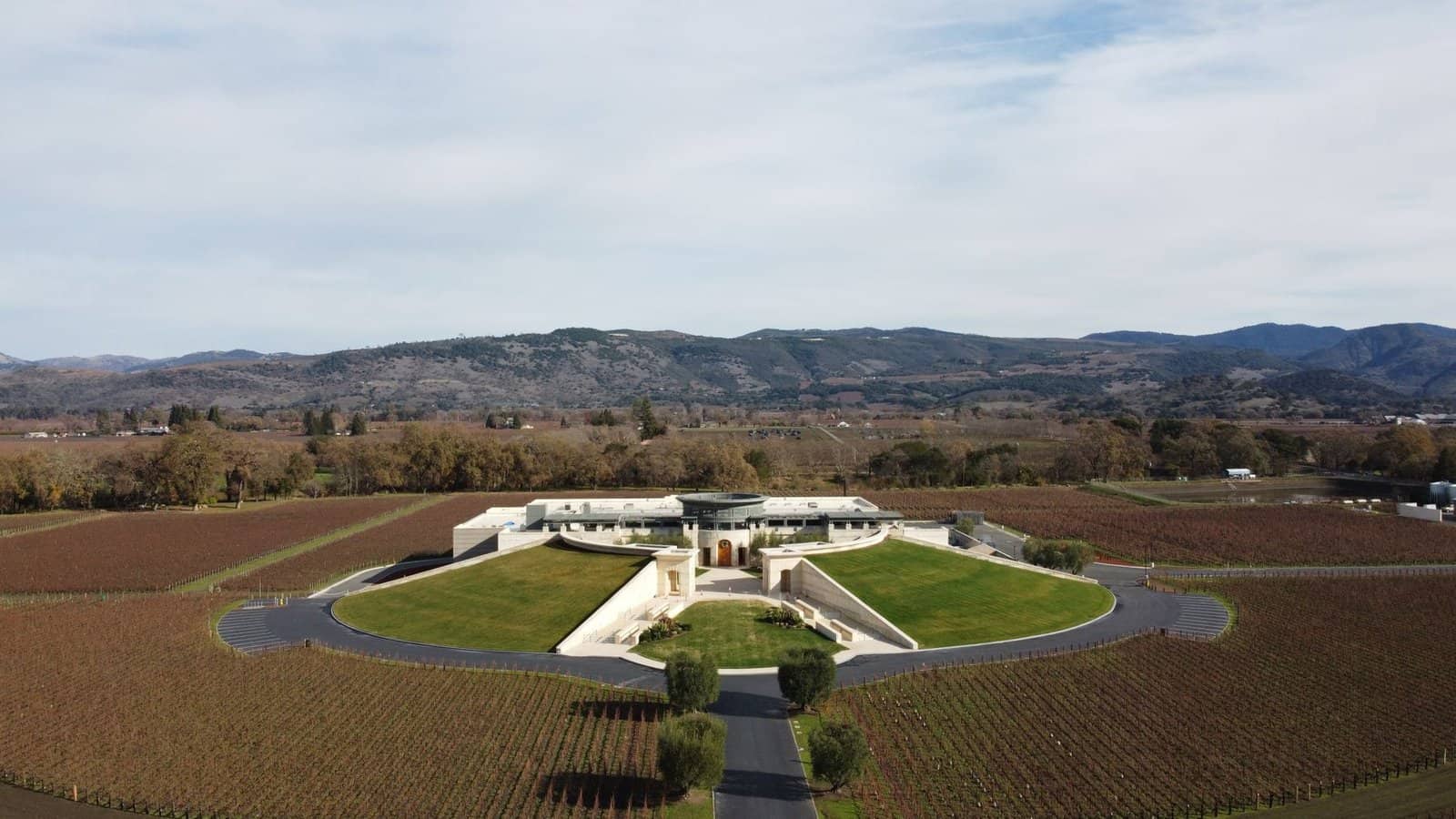
Napa County has about 135,000 residents, and it is one of the most agricultural and visitor-oriented places in California. The county adopted the nation’s first agricultural preserve in 1968, which limited development in vineyard land to keep the valley rural. That protection helped create the landscape visitors love. It also constrained the supply of land for housing, and with wine-country prices and demand from second-home buyers, homes became expensive.
The result is a labor market in which many workers earn modest wages and face housing costs far above what those wages support. Vineyard crews, cellar workers, restaurant staff, hotel housekeepers, tasting room associates and drivers make the valley function. Many of them live outside it.
Who the workers are
A large share of the vineyard workforce are Latino, and many are immigrants, some of whom have worked in the valley for decades. Seasonal crews are often hired through labor contractors, and in recent years some employers have used the federal H-2A visa program to bring in workers for the season. Hospitality workers include residents, commuters and students. Winemakers and managers are a smaller group with higher incomes. The gap between top and bottom is large.
Where they live
Workers solve the housing problem in different ways.
- Farmworker housing centers: The county and the Napa Valley housing authority operate seasonal centers that provide low-cost beds for single workers. Some have been in service for decades, and demand has exceeded space.
- Long commutes: Many workers drive from Vallejo, American Canyon, Fairfield, Santa Rosa, Lake County or farther. Commutes of an hour or more each way are common, and they add to traffic on Highway 29 and the Silverado Trail.
- Shared housing: Several adults or families may share a small home, apartment or garage conversion.
- Employer housing: Some wineries and vineyard companies provide on-site housing for workers.
- Informal arrangements: In some cases, workers live in vehicles or in substandard units.
Why the Valley Is So Hard to Build In
The housing problem is the product of several forces working together.
- Land protection: The agricultural preserve and county zoning keep most of the valley’s land in vineyards, with limited housing near towns.
- High land values: Land suitable for vines is among the most expensive agricultural land in the country, which makes affordable development difficult.
- Visitor economy: Short-term rentals, second homes and hotels compete for property.
- Local resistance: Residents often oppose new developments, citing traffic, water, fire risk and character.
- Natural hazards: Wildfires in 2017 and 2020 destroyed homes and displaced residents, and flood and earthquake risks limit development.
- Construction costs: Labor and materials are expensive in the Bay Area.
Local governments and nonprofits have responded with housing programs, farmworker center expansions and efforts to build in cities such as Napa and American Canyon. Progress has been steady but slow, and the need remains large.
How It Shows Up for Visitors
You might not see the housing problem directly, but it affects your trip.
Service and staffing
Restaurants and tasting rooms sometimes struggle to hire and keep staff. This can mean shorter hours, closed days, limited reservations or slower service. If a place seems understaffed, it may be a result of housing and commuting challenges, not carelessness.
Traffic
Workers commuting from outside the valley add to rush-hour congestion in the morning and late afternoon. Visitors who time drives for midmorning or late evening can avoid the worst of it. The road is narrow, and farm vehicles and bikes share it.
Prices
High labor and real estate costs help explain high prices for lodging, tastings and meals. Tasting fees often range widely, from modest to well over $100 per person at premium estates. Check before you go, since prices change and many tastings require reservations.
The small towns
Calistoga, St. Helena, Yountville and Napa each have a different character. In smaller towns, workers often cannot live where they work, and the local community may feel thin outside tourist hours. Napa and American Canyon are more mixed and more affordable, and they offer lodging, restaurants and a more local feel.
How to Be a Thoughtful Visitor
You do not need to avoid the valley. Visitors bring revenue that supports thousands of jobs. But a few choices can make your visit better for the people who make it work.
- Tip well. Many tasting room and restaurant staff depend on tips. A common practice is to tip 15 to 20 percent on tastings and meals, and more for exceptional service.
- Book ahead. Reservations help businesses schedule staff and reduce waste.
- Arrive on time and communicate changes. Late arrivals strain small teams.
- Respect harvest. During the fall, vineyard crews work long hours, often at night. Give vehicles and equipment room on the road.
- Stay in different towns. Lodging in Napa or American Canyon spreads revenue and often costs less than in upvalley towns.
- Support businesses that invest in workers. Some wineries and restaurants publicize their wages, housing or benefits. Ask staff how the business supports them.
- Drive safely or use a designated driver. Workers are on the road at all hours, and drunk driving is a risk.
- Take a different type of tour. Some organizations offer visits that include agricultural education and information about labor.
What not to do
Do not assume that staff can answer detailed questions about housing, and do not press them on personal circumstances. Be curious but respectful. Avoid trespassing in vineyards, picking grapes or parking along narrow roads, as these create problems for growers and workers.
What Is Changing
Local leaders, employers and nonprofits have tried to expand housing options. Napa County has funded farmworker housing projects, and some cities have approved new affordable developments. Some wineries have built housing for their employees. Advocates say more is needed, particularly for families and year-round workers, and they push for policies that make building easier near towns while protecting agricultural land.
Visitors can follow local news from the Napa Valley Register and Napa Valley Vintners to see updates, and many nonprofits accept donations and volunteers.
A Closer Look at the Housing Centers and Programs
The farmworker housing centers deserve a closer look because they show how the valley has tried to help. The Napa County Housing Authority runs several seasonal centers for single workers, with dormitory-style housing and communal kitchens. They charge modest nightly or monthly rates and are staffed and maintained to a basic standard. Demand typically exceeds capacity during harvest, and some centers have waiting lists. The county has also supported housing for farmworker families, which is harder to provide, because families need more space and year-round stability.
Employer housing and cooperatives
Some wineries and vineyard management companies have built housing on their properties, from small cottages to shared quarters. These can help retain workers and reduce commuting. They also raise questions, since workers who live on an employer’s land may feel less free to leave or complain. Advocates generally support employer housing that is well maintained and has fair rules, and they stress the need to separate housing from employment where possible.
Affordable housing in the towns
Several of the valley’s towns have built or approved income-restricted apartments in recent years. Napa, American Canyon, St. Helena and Calistoga each have different needs and constraints. Projects often face delays from financing, environmental review and neighborhood opposition. Even so, the number of units has grown, and local voters have supported measures that fund housing. These efforts reach different groups: some units target farmworker families, others target teachers, nurses and hospitality workers.
Why It Affects the Wine You Drink
The people who prune, harvest, crush and bottle the grapes are essential to quality. Grapes are often picked by hand at specific times, sometimes at night, because cooler temperatures protect the fruit. That work requires skill and speed. When workers cannot afford to live nearby, it becomes harder to find and keep experienced crews, and growers may pay more to compete. Those costs show up in the price of the bottle.
The harvest season
Harvest in Napa typically runs from late summer into October, with some early picks in August. During those weeks, the valley’s population of workers rises. Tractors and trucks fill the roads, and the smell of fermenting grapes spreads. For visitors, harvest is exciting, with festivals, special tastings and bright autumn color. It is also the period of greatest strain on workers, who often work long shifts. Be patient with slow traffic, and be especially kind to people serving you.
Wildfire and displacement
Wildfires in 2017 and 2020 destroyed homes in and around the valley, and some displaced workers could not return because rents rose after the fires. Smoke can also delay harvests and affect grape quality, which can reduce work for crews. Each season brings uncertainty, and housing instability makes it harder to recover.
What Visitors Can Ask
If you want to learn more, ask thoughtful questions at tastings and restaurants. You might ask how the business finds and keeps staff, whether it offers housing or transit support, or how long employees have worked there. Many people are proud of their work and happy to talk about it. Do not push if they seem uncomfortable. Support winery clubs and programs that donate to housing efforts, and consider local organizations that serve workers.
Alternatives to a standard tasting
- Visit a smaller family-run winery, where the people pouring may be the owners.
- Book a vineyard tour that includes information about farming and labor.
- Eat at local restaurants in Napa or American Canyon, where more residents live.
- Visit the farmers market to buy produce and meet growers.
- Drive the valley’s side roads during the week, when traffic is lighter.
The Takeaway
Napa’s premium wine rests on a workforce that often cannot afford to live near the vineyards it tends. Understanding Napa workforce housing will not change your itinerary, but it can change how you behave. Tip generously, book ahead, respect harvest traffic and consider staying in a town where your spending helps a wider group. A thoughtful visit is a better one, and it helps keep the valley working for the people who make it.