Konza Is Just the Start—Here’s What to Know Before Exploring the Flint Hills’ Last Great Tallgrass Landscape
We may earn money or products from the companies mentioned in this post. This means if you click on the link and purchase the item, I will receive a small commission at no extra cost to you ... you're just helping re-supply our family's travel fund.
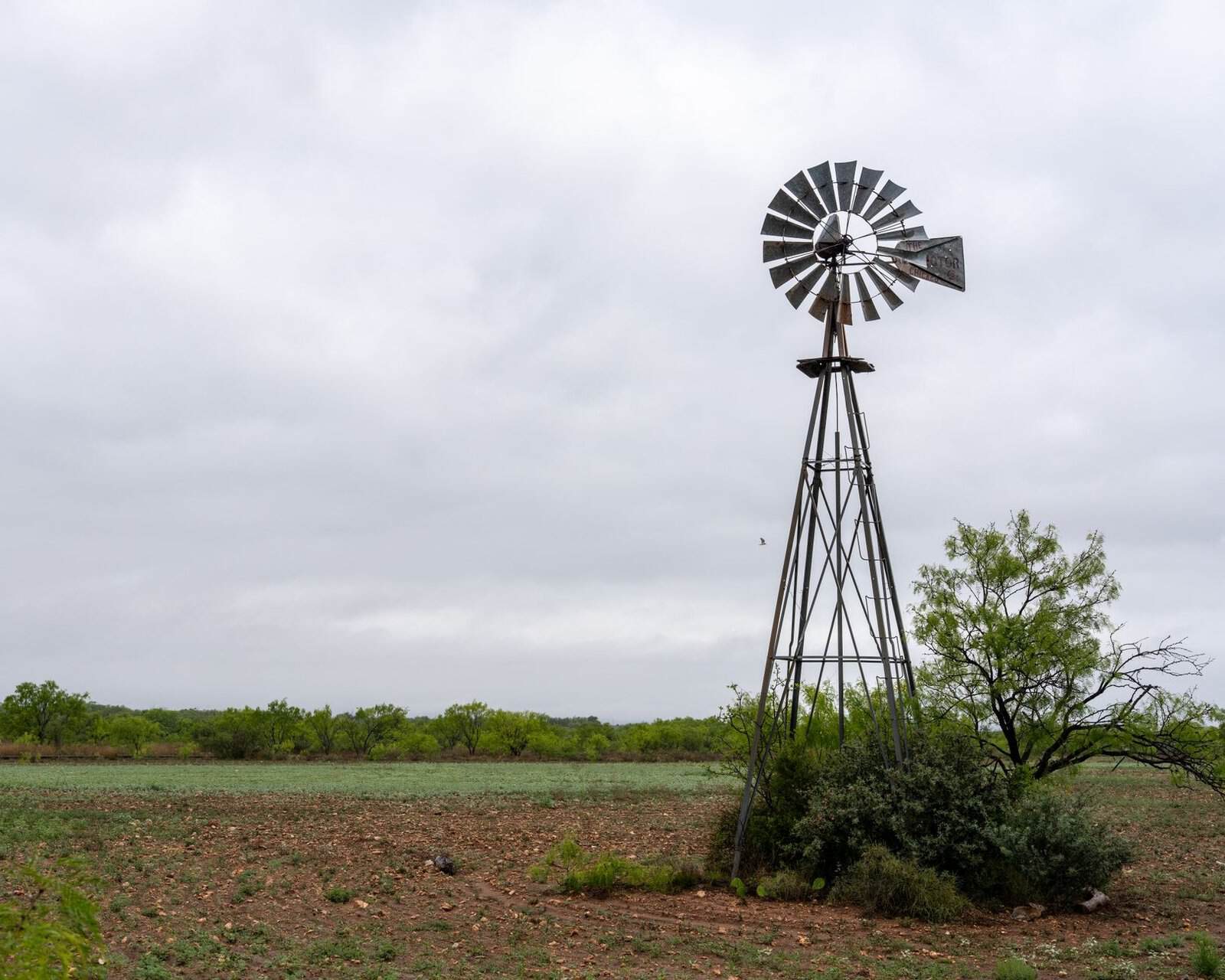
Konza Prairie is the best-known stop in the Flint Hills, but it is only one slice of a landscape that runs through eastern Kansas and into northern Oklahoma. The Flint Hills tallgrass prairie is the largest remaining expanse of tallgrass in North America, and it survives because the rocky soil, thin and full of flint and limestone, was too hard to plow. What looks like empty rolling land is a rare ecosystem.
Here is what to know before you go: where the prairie is, what to see beyond Konza, when to visit and how to avoid the common mistakes.
What to Know Before Exploring the Flint Hills Tallgrass Prairie
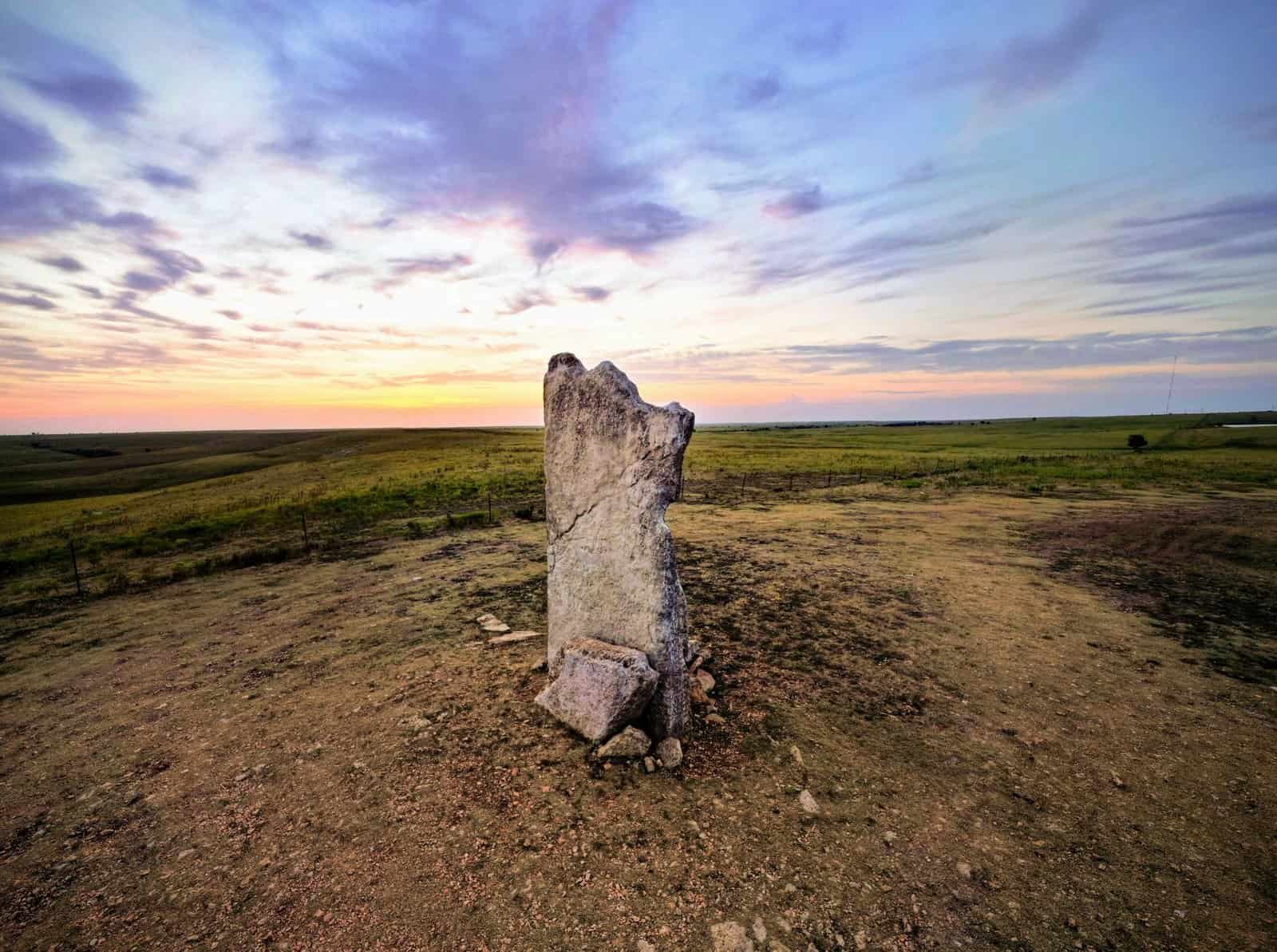
Tallgrass prairie once covered a huge part of the central United States, from Texas to Canada and east into Illinois. Most of it became farmland, and today only a small percentage of the original area remains. The Flint Hills, about 4 million acres across Kansas and Oklahoma by commonly cited estimates, hold much of what is left. Because ranchers have used the land for grazing for generations, and because many owners still burn the pastures each spring, the grassland has persisted.
For visitors, that means much of the best scenery is private ranchland seen from public roads. There are only a few places where you can walk freely, so it helps to know which ones.
Konza Prairie: the starting point
Konza Prairie Biological Station, just south of Manhattan, Kansas, covers about 8,600 acres and is owned by The Nature Conservancy and Kansas State University. It is a research site, but the public can hike on marked loops. The trails range from about 1.5 miles to about 6 miles, and the longer ones climb to ridgelines with wide views of big bluestem, Indiangrass and little bluestem. There is almost no shade, no water on the trails and little shelter from wind, so bring water and a hat. Pets are not allowed on the trails, and visitors are asked to stay on the marked path, because research plots are scattered throughout.
Konza is a good first stop because it shows what the prairie looks like when it is managed for science. But it lacks the town stops, historic buildings and long scenic drives that make the wider region interesting.
Beyond Konza: Where to Go Next
Tallgrass Prairie National Preserve
About 75 miles southwest of Manhattan, near Strong City, the Tallgrass Prairie National Preserve protects roughly 11,000 acres of the Flint Hills. It is part of the National Park Service and includes Spring Hill Ranch, a historic ranch established in the 1870s by cattleman Stephen Jones. The preserve has a limestone ranch house, a large limestone barn and several outbuildings, and it offers trails and bus tours across the prairie. A visitor center near the entrance explains the ecology and history. Some trails are short and easy, and others reach several miles into the grass. Check the preserve website before you go, because bus tour schedules and hours change by season.
Cottonwood Falls and Strong City
The nearby towns of Cottonwood Falls and Strong City are small, with a combined population of around 1,000 to 1,500, but they are good bases. Cottonwood Falls has the Chase County Courthouse, a French Second Empire limestone building completed in the 1870s that is often described as the oldest courthouse in Kansas still in use. The downtown has small restaurants, shops and a historic hotel. Strong City hosts a well-known rodeo each summer. Services are limited, so plan meals and fuel stops.
The Flint Hills Scenic Byway
State Highway 177 runs from Manhattan south through Council Grove and Cottonwood Falls and is designated a National Scenic Byway. It is one of the best ways to see the grassland from a car. The road passes through open pasture, small towns and several overlooks. Allow a full day for the drive, and take your time at turnouts, since the light changes constantly.
Flint Hills Trail State Park
The Flint Hills Trail is a rail-trail, a long crushed-stone path built on a former railroad corridor. It runs for roughly 117 miles across eastern Kansas, with segments in several counties, and it is open to walkers, cyclists and, in some sections, horseback riders. It is flat, and it offers a gentler way to see the prairie than hiking the hills. Check the state parks website for open segments and trailheads, since some sections are rougher than others.
When to Go
Each season has its own character.
- Spring, March through April: Ranchers burn pastures to clear dead grass and encourage new growth. Smoke can fill the sky, and you may see fire from the road. Burn dates depend on weather and change quickly. Stay out of the way and obey closures.
- Late spring, May and June: The grass is green and the wildflowers are blooming. This is often the best time for photography and mild hiking.
- Summer, July and August: The grass reaches its full height, but heat, humidity and thunderstorms are common. Hike early in the morning.
- Fall, September and October: Big bluestem turns copper and red, the air is cooler and views are excellent. This may be the best all-around season.
- Winter: The landscape is stark and quiet, and some facilities are closed. Check road conditions.
What to pack
- Water, at least two liters per person for a half-day hike.
- Sun protection, since shade is rare.
- Long pants and tick repellent, because ticks are common in tall grass.
- A windbreaker, because the wind can be strong.
- A paper map or offline map, since cell service is spotty in places.
- A full tank of gas, because stations can be far apart.
Etiquette and Safety
Most of the land is private. Do not cross fences, open gates or walk on ranches without permission. Stay on public roads, and do not block gravel roads, which ranchers use. Cattle are common, and they can be wary. Give them space. Watch for rattlesnakes in warm months, and avoid placing your hands in places you cannot see. If you encounter a prescribed burn, stay well away and do not park in the road.
A Two-Day Plan
On day one, start with Konza Prairie in the morning, hiking one of the longer loops. Drive south on the byway to Council Grove for lunch and a look at its historic sites, which are tied to the Santa Fe Trail. Continue to Cottonwood Falls for dinner and an overnight stay. On day two, visit the Tallgrass Prairie National Preserve early, tour Spring Hill Ranch, and take a short hike. Finish with a drive along the byway or a stretch of the Flint Hills Trail before heading home.
Council Grove and the Santa Fe Trail
The town of Council Grove, about 60 miles south of Manhattan along the Flint Hills Scenic Byway, is worth a stop. It was a key rest point on the Santa Fe Trail, the 19th-century trade route between Missouri and New Mexico, and travelers gathered there before heading into open country. A walking tour passes historic sites such as the Kaw Mission State Historic Site, the Last Chance Store and the Post Office Oak, a tree where mail was reportedly left for passing travelers. The town has several restaurants and shops and makes a natural lunch stop. Visit the Council Grove Lake and its trails if you want a quiet walk by the water.
Matfield Green and Emporia
Farther south, Matfield Green sits in some of the most open ranch country in the region, and the byway through it is a favorite for photographers. Emporia, to the east, is a larger college town with Emporia State University, a downtown with restaurants and the National Teachers Hall of Fame. It works as a base for a longer trip, with more lodging options than the small towns.
Gravel roads and the smaller routes
Gravel county roads cross the Flint Hills in every direction, and many of them have fine views. Dry weather makes them passable, but rain turns some to mud. If you drive on gravel, slow down, bring a spare tire and keep your distance from other vehicles, because dust and loose stone make braking longer. Most rental agreements do not cover unpaved roads, so check before you go.
What Makes the Prairie Special
The tallgrass prairie can look plain to a first-time visitor. The grass is a uniform color for much of the year, trees are rare and there are few landmarks. The beauty lies in scale, light and detail.
The grass and flowers
Big bluestem, Indiangrass, switchgrass and little bluestem dominate, and in late summer the tallest stems reach six feet or more. Wildflowers such as purple coneflower, blazing star, compass plant and prairie clover appear from late spring through fall. A walk on a quiet path reveals insects, butterflies and birds in numbers that surprise visitors.
The animals
Greater prairie chickens perform a courtship display, called booming, on leks, or display grounds, in early spring. Several organizations offer guided blinds where visitors can watch at dawn. Reservations are usually required, and the blinds are often booked in advance. Bison herds live at Konza and the national preserve, and visitors may see them on tours. Other wildlife includes deer, coyotes, meadowlarks, dickcissels and many other birds. Look for the slow, circling flight of hawks.
The role of fire
Fire is essential to the prairie. Without it, trees and shrubs move in and the grassland shrinks. Ranchers burn their pastures in spring, often in March and April, to remove old growth and encourage new grass for cattle. The practice creates smoke that can affect air quality for people with respiratory conditions. Some visitors travel specifically to see the black fields turn green within weeks. If you want to see burns, check local news and burn announcements, and keep a safe distance.
Where to Stay and Eat
Lodging in the region is limited, so book early for spring and fall weekends. Options include small hotels in Manhattan, Emporia and Council Grove, bed-and-breakfasts and cabins in Chase County and a few ranch stays that welcome guests. Camping is available at some state lakes and parks, though not within the national preserve itself, so check current rules.
Food ranges from small-town diners and barbecue to a few more ambitious restaurants in Manhattan and Emporia. In small towns, kitchens may close early, and some restaurants are closed on certain days. It is wise to call ahead or check online. Pack snacks and water for days in remote areas.
Planning Mistakes to Avoid
- Expecting hiking everywhere. Most land is private, and public trails are limited.
- Underestimating distances. Towns are far apart, and even short routes take longer on winding roads.
- Skipping sun protection. Shade is scarce.
- Ignoring ticks. Check yourself and your pets after hikes.
- Relying on cell service. Download maps in advance.
- Visiting in the middle of the afternoon in summer. Early morning and late afternoon are cooler and have better light.
The Takeaway
Konza is a fine introduction, but the real reward in the Flint Hills is the wider landscape. Combine a hike at Konza with the national preserve, the small towns of Chase County and a long drive on the byway. Plan around seasons and fires, bring water and tick protection and respect private land. The Flint Hills tallgrass prairie is a place that rewards slow travel, and the longer you stay, the more you see.