Chesapeake Bay Oyster Watermen Are Competing With Luxury Waterfront Developers for the Same Shoreline. Here’s Who’s Winning
We may earn money or products from the companies mentioned in this post. This means if you click on the link and purchase the item, I will receive a small commission at no extra cost to you ... you're just helping re-supply our family's travel fund.
Chesapeake oyster watermen and luxury waterfront developers want the same thing: access to the shore. Here is who is winning, in short. Neither side has won outright. Waterfront buyers and developers hold the advantage in land prices and in the number of docks and homes being built, while oyster watermen are holding on by changing how they work, with more farmed oysters, restoration jobs, and efforts to protect working waterfronts. The balance varies from county to county.
This article lays out how the contest works, where each side has gained or lost, and what visitors can do. Data points are approximate, and policies change, so check current sources before you rely on them.
Here’s Who’s Winning the Chesapeake Shoreline
The honest answer depends on what you measure. In land value and new construction, developers and wealthy buyers are ahead. In cultural heritage and local political attention, watermen still carry weight. In oysters, the story is mixed, with wild harvests far below historic levels but growing farm production and large restoration projects.
The Land Side: Developers Hold the Edge
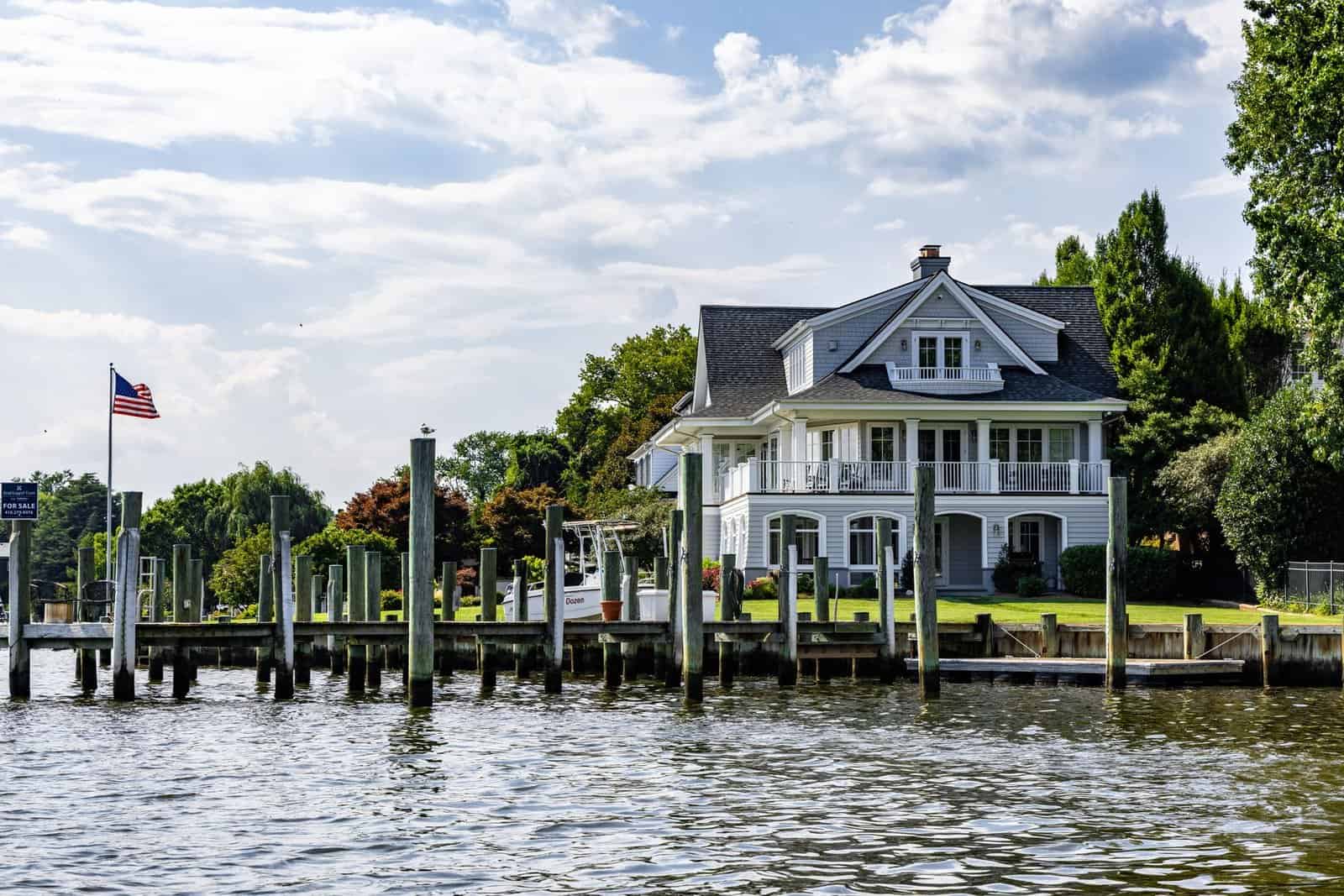
Waterfront property around the Chesapeake Bay, particularly on Maryland’s Eastern Shore and in parts of Virginia, has become expensive. Buyers from Washington, Baltimore, and Philadelphia have bought second homes and retirement houses, and developers have built marinas, waterfront communities, and large estates. Land that once held a packing house or a working dock can sell for far more as a residential lot.
Rising prices create pressure. Property taxes increase, and families that have owned waterfront land for generations may find it hard to hold on. Zoning changes and new neighbors can also lead to complaints about noise and early-morning boat traffic, and some watermen report difficulty finding dock space and affordable places to unload. Working waterfront access, such as public landings and commercial docks, has shrunk in some communities.
There are limits to development, though. Sea-level rise, flooding, and erosion threaten low-lying properties, and parts of Dorchester County and the lower Eastern Shore face recurring high tides. State and local rules, such as Maryland’s Critical Area law, restrict building within 1,000 feet of tidal waters, and Virginia has its own Chesapeake Bay preservation requirements. Insurance costs and lenders’ worries about flood risk may also slow development in the most exposed areas.
The Water Side: Watermen Are Adapting
Wild oysters have declined sharply since the late nineteenth century, when Maryland harvests reached millions of bushels a year. Disease, pollution, and overharvesting reduced stocks, and in recent years, annual wild harvests in Maryland have often been in the hundreds of thousands of bushels, though they vary by season and regulation. Virginia’s wild and farmed harvests have rebounded in some years, with aquaculture providing most of the growth.
Many watermen have diversified. They harvest crabs, fish, and clams, work on charter boats, or lease bottom to grow oysters in cages and floats. Aquaculture has expanded in both states, supported by state programs that encourage leases and reduce permitting hurdles. Some watermen are employed in oyster restoration, planting spat on shell and tending reefs. Large restoration projects, such as the work in Harris Creek on Maryland’s Eastern Shore, have rebuilt reefs and been recognized as significant ecological successes.
Watermen also face other pressures: aging workforce, rising fuel and equipment costs, regulations, and competition from imports. Many younger people choose other careers, so the culture’s future depends on whether farming and restoration make a living wage.
Why Chesapeake Oyster Watermen Still Matter
It is fair to ask why a small workforce gets so much attention. Chesapeake oyster watermen are tied to some of the oldest traditions on the East Coast. Families have worked the Bay for generations, passing down skills such as tonging, dredging, and reading the water. The workforce has shrunk from the days when thousands of boats worked the Bay, but those who remain are an important source of local knowledge. They know where oysters grow, how weather changes the Bay, and how the ecosystem has changed.
Watermen also anchor seafood markets. A restaurant that serves a local oyster supports a chain of workers: harvesters, shuckers, truckers, and cooks. When waterfront docks close, that chain can break, and the product may be replaced by imports. Preserving working waterfronts therefore has economic and cultural value.
What Developers Say
Developers and landowners have their own perspective. They argue that waterfront investment creates jobs in construction, hospitality, and services, adds to the tax base, and funds schools and roads. Many projects include public amenities, marinas, or restoration of old buildings. They also point out that landowners have a right to sell their property, especially in communities where incomes are low and land is the main asset.
Some conflicts are real, but others are less direct. A new waterfront community might not interfere with oystering in open water, but it can change access, noise, and traffic. The effects depend on design, zoning, and cooperation. Some places have found compromises, such as shared docks and design rules that preserve working waterfront areas.
What Is at Stake
- Culture: Chesapeake communities such as Tilghman Island, Deal Island, Smith Island, and Crisfield have long depended on the water. Losing working waterfronts changes the character of these places.
- Economy: seafood processing and boat building provide jobs, and tourism relies on authentic working waterfronts.
- Environment: oysters filter water, and healthy reefs help the Bay, so oyster restoration has public value.
- Housing: rising waterfront prices push up costs for everyone, including younger families and workers.
- Access: public landings and boat ramps are essential for fishing and recreation.
Tools That Help Watermen Stay
Communities and governments have tried several measures.
- Working waterfront protections: zoning and tax policies that preserve commercial docks and seafood businesses.
- Land trusts and conservation easements: agreements that limit development and keep land in water-dependent use.
- Aquaculture support: leasing programs, grants, and training to help watermen farm oysters.
- Restoration employment: paid work in shell planting and reef maintenance.
- Marketing and tourism: oyster festivals, boat tours, and seafood trails that bring income.
- Fair pricing and direct sales: programs that help watermen sell directly to restaurants and consumers.
What Visitors Can Do
Visitors can influence the outcome in small ways.
- Eat Chesapeake oysters at local restaurants, and ask where they came from.
- Visit working waterfront towns, and buy seafood directly from watermen and markets.
- Take a tour on a skipjack or workboat, which supports heritage.
- Stay in locally owned lodging, and spend in small shops.
- Respect working docks and boats, and avoid blocking access.
- Support conservation groups that fund oyster restoration.
- Check before you go for oyster seasons, festival dates, and tour schedules.
Places to see the culture include the Chesapeake Bay Maritime Museum in St. Michaels, the Calvert Marine Museum in Solomons, the Tilghman Island waterfront, and Crisfield’s seafood houses. Oyster season for wild harvest generally runs in the cooler months, usually from October through March, while farmed oysters are available year-round.
A Realistic Outlook
The shoreline is unlikely to belong exclusively to either side. In many communities, both exist side by side, and tension is common but not universal. Some developers include working docks, and some watermen sell land when prices are high. The outcome will depend on policy choices, climate change, markets, and decisions by families who own the land.
Sea-level rise adds uncertainty. Low-lying islands such as Smith Island and Tangier have lost land for decades, and some communities may not exist in their current form in the future. That affects both fishing and real estate.
Places Where the Contest Plays Out
Several communities show the range of outcomes.
Tilghman Island and St. Michaels
Tilghman Island, at the end of a long road in Talbot County, still has working boats, a seafood processor, and a harbor. St. Michaels, nearby, has become a popular tourist and second-home destination, with a maritime museum, boutiques, and expensive waterfront houses. Together they show how a working island and a polished resort town can sit near each other. Prices differ sharply, and watermen from the area often work out of the harbor while living nearby.
Crisfield and Smith Island
Crisfield, on the lower Eastern Shore, has long been called the Crab Capital of the World, and its waterfront retains seafood houses and a historic harbor. Smith Island, accessible only by boat, is a small community of watermen and families facing erosion and population decline. Development pressure here is lower, but climate change is the main threat. Visitors can take a ferry to Smith Island and try the famous Smith Island cake, Maryland’s official dessert.
Virginia’s Northern Neck and Eastern Shore
In Virginia, the Northern Neck and Middle Peninsula have a mix of working waterfronts and growing residential development. The Eastern Shore of Virginia is a center of oyster and clam aquaculture, with farms that supply restaurants across the country. Here, growers have built thriving businesses, and the region is known for branded oysters. Pressure from second-home buyers exists but is more limited than near major metro areas.
Questions People Ask
Are Oysters From the Chesapeake Safe to Eat?
Oysters sold through licensed dealers are tested and regulated, and harvest areas are monitored for water quality. As with any raw shellfish, there is some risk, especially for people with weakened immune systems or liver disease. Check with health authorities and your doctor.
Do Oyster Reefs Help the Bay?
Yes. Oysters filter water and reefs provide habitat for fish and crabs. Restoration projects aim to rebuild reefs and improve water quality, though progress is slow and depends on disease, salinity, and pollution.
Can Visitors Go Out on the Water With Watermen?
Some watermen run tours or charters, and museums offer boat rides. This is a good way to see the work up close. Book through reputable operators and check schedules and prices before you go.
The Takeaway
Chesapeake oyster watermen and waterfront developers are both still here, and the contest for the shoreline is ongoing. Developers are ahead in land value, while watermen are adapting with aquaculture and restoration. If you care about the outcome, visit working waterfront towns, buy local oysters, and support policies that keep docks working. Check seasons and schedules before you go.