Flying Home for Thanksgiving Costs More Than the Ticket. 10 Costs to Budget Before You Book
We may earn money or products from the companies mentioned in this post. This means if you click on the link and purchase the item, I will receive a small commission at no extra cost to you ... you're just helping re-supply our family's travel fund.
The airfare is usually the first number people look at when they plan to fly home for Thanksgiving, and often the only one. But a realistic Thanksgiving travel budget includes a long list of smaller costs that add up fast: bags, seats, parking, rides, food, and more. For a family, those extras can rival the price of the tickets themselves.
Thanksgiving is also one of the busiest travel periods of the year in the United States. TSA screening numbers around the holiday have set records in recent years, and the Sunday after Thanksgiving has been one of the busiest days on record at U.S. checkpoints. High demand means fewer deals, more crowded airports, and higher prices for everything from rental cars to rideshares.
Before you book, here are ten costs to add to your budget so the trip home does not drain your bank account.
Building a realistic Thanksgiving travel budget
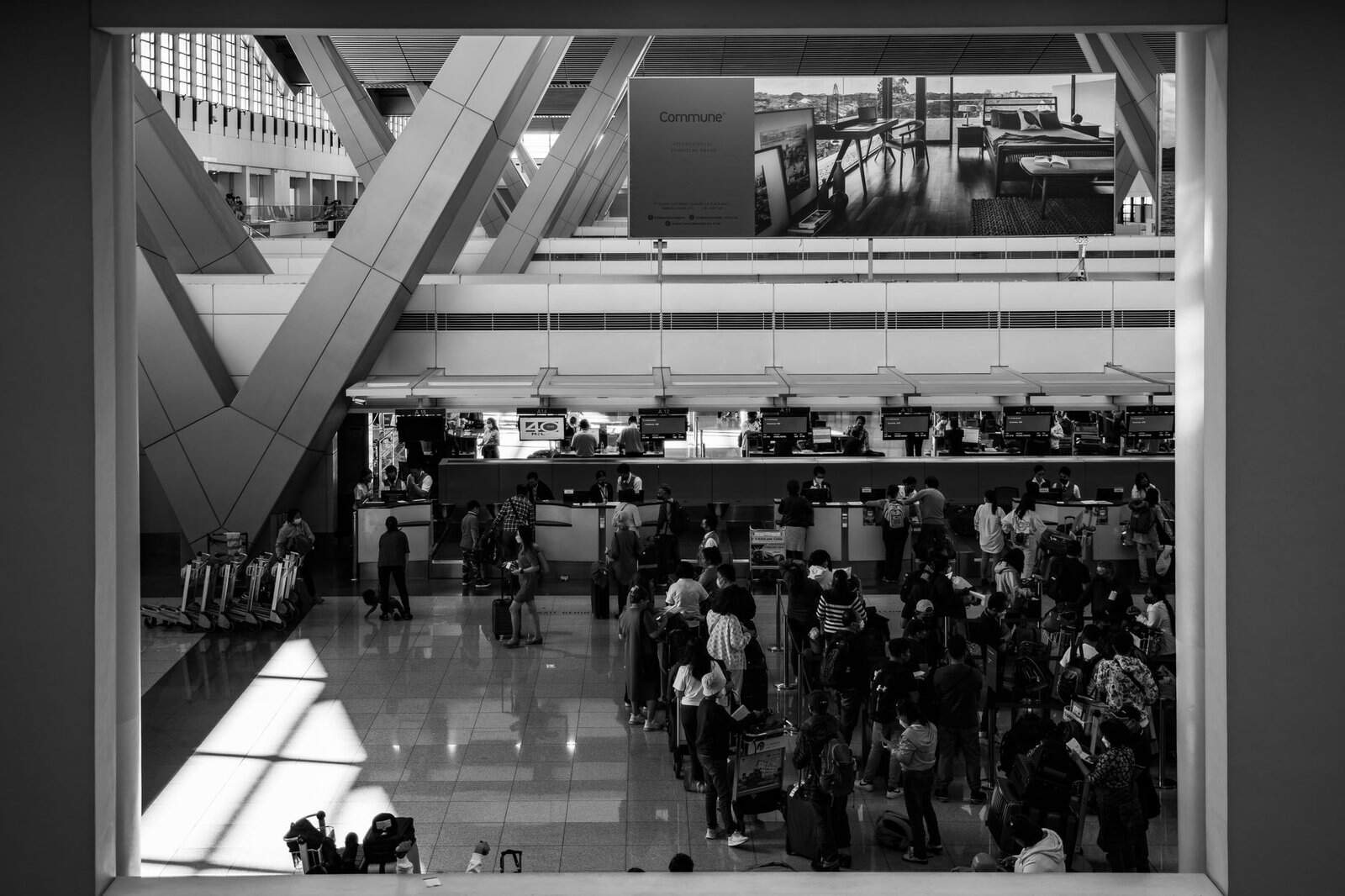
The trick is to price out the whole trip, door to door, not just the flight. Start with your airfare, then add each cost below for every traveler and both directions. The total will give you a better sense of whether flying, driving, or even skipping the trip makes the most sense this year.
1. Checked bag fees, both ways
Many U.S. airlines charge for checked bags on domestic flights, and on major carriers the first checked bag commonly runs in the range of $35 to $45 each way, with second bags costing more. A couple each checking one bag on a round trip could pay more than $150 in bag fees alone.
Ways to save include packing carry-on only, using an airline credit card that includes a free checked bag, or reaching elite status. Some airlines charge less if you pay for bags online ahead of time.
2. Seat selection on basic fares
Basic economy fares often look like the cheapest option, but they usually do not include seat selection. If you want to sit together as a family or avoid a middle seat, you may need to pay extra, sometimes tens of dollars per person per flight.
Compare the total cost of a basic fare plus seat fees with a standard economy fare. Sometimes the difference is small, and the standard fare also offers more flexibility.
3. Airport parking or a ride to the airport
Parking at the airport for a long holiday weekend can cost more than you expect. Rates vary widely by airport and lot, from economy lots charging around $10 to $20 per day to garages charging $30 or more per day. A five-day trip could add $50 to $150 or more.
Alternatives include off-site parking lots with shuttles, public transit, or asking a friend for a ride. Some airports let you reserve parking in advance, sometimes at a discount.
4. Holiday rideshare pricing
If you plan to use a rideshare service to get to or from the airport, expect higher prices during busy holiday periods. Surge pricing is common when many travelers arrive at once, especially in the evening or during bad weather.
Check estimated fares ahead of time and compare with taxis, shuttles, or public transit. If family is picking you up, factor in their gas and time.
5. Food at the airport
Airport food is expensive, and holiday delays can mean more meals in the terminal than you planned. A simple breakfast and coffee can easily cost $20 per person, and a sit-down meal can cost much more.
Pack snacks, bring an empty water bottle to fill after security, and eat before you leave home when possible.
6. A rental car at your destination
If you need a car when you arrive, rental prices around Thanksgiving can be higher than usual because of demand. Add taxes, airport fees, gas, and insurance, and a long weekend rental can cost several hundred dollars.
Book early, compare rates at off-airport locations, and check whether your credit card offers rental car coverage. If family members can lend you a car or drive you around, that may save a lot.
7. Your share of the holiday meal and host gifts
Thanksgiving often means contributing to the feast. You might bring a dish, pay for wine, help with groceries, or treat your hosts to dinner out. Many guests also bring a small gift for the host. These costs are easy to forget in a travel budget.
Plan a set amount for contributions and gifts so you do not overspend in the moment.
8. Pet care or house care at home
If you have pets, someone needs to care for them while you are away. Boarding and pet sitting prices can be higher around holidays, and spots fill early. Depending on where you live and your pet’s needs, boarding can cost anywhere from roughly $40 to $80 or more per night, while in-home pet sitters may charge by the visit or the day.
You may also need someone to check on your house, collect mail, or water plants. Factor in any cost of that help.
9. The price of flexibility
Cheap, nonrefundable tickets can cost you more if plans change. Many airlines no longer charge change fees on standard economy fares for domestic flights, but basic economy tickets often cannot be changed at all. If you need to switch dates, you could lose the ticket’s value.
Weigh whether paying more for a flexible fare is worth it. If your plans are uncertain, the extra cost may save you money in the long run.
10. A buffer for weather and delays
Late November weather can disrupt flights, especially in the Northeast, Midwest, and mountain regions. Delays and cancellations can lead to unplanned hotel nights, meals, and transportation. Airlines may cover some costs when a disruption is within their control, but weather delays usually are not.
Set aside a small emergency buffer for unexpected expenses. Travel insurance or credit card trip delay coverage can also help, depending on the policy.
Putting the numbers together
Here is an example for a couple flying round trip for Thanksgiving:
- Airfare: $700 total.
- Checked bags: $160.
- Seat selection: $60.
- Airport parking for five days: $100.
- Airport food: $80.
- Rental car for four days: $300.
- Holiday meal contributions and gifts: $100.
- Pet boarding: $250.
- Emergency buffer: $100.
That adds up to about $1,850, more than double the airfare. Your numbers will differ, but the exercise shows why the ticket price alone does not tell the full story.
Ways to lower your total cost
A few strategies can make Thanksgiving travel more affordable:
- Fly on less popular days. Thanksgiving Day itself and the following Saturday are often less crowded and sometimes cheaper than the Wednesday before and the Sunday after.
- Use smaller airports. Secondary airports may offer lower fares, cheaper parking, and shorter lines.
- Pack light. Avoiding checked bags saves money and time.
- Use credit card benefits. Free checked bags, rental car coverage, and travel insurance can offset costs.
- Share rides and cars. Coordinate with family to reduce rental and rideshare costs.
- Book early. Holiday prices tend to rise as the date approaches.
When driving makes more sense
For shorter trips, driving can be cheaper than flying, especially for families. Add up gas, tolls, food, and wear on your car, then compare with your total flying cost. If you are within a day’s drive and have several travelers, driving often wins on price, even if it takes longer.
Holiday traffic can be heavy, though, so plan to leave early or travel on less busy days.
A booking timeline that saves money
Timing matters as much as the line items. A simple timeline helps:
- Late summer to early fall: Set fare alerts for your route and decide whether you are flying or driving.
- Six to eight weeks out: Book flights if fares look reasonable, and reserve a rental car with free cancellation.
- Four weeks out: Book pet boarding or a sitter, since holiday spots fill.
- Two weeks out: Reserve airport parking if your airport allows it, and confirm rides with family.
- The week of: Check your airline app for schedule changes, pack light, and set aside your emergency buffer.
Rental cars booked with free cancellation can be rechecked closer to the date. If prices drop, you can rebook at the lower rate.
Questions to ask your hosts before you go
Some of the biggest budget surprises come from unspoken expectations. A quick conversation with your hosts can prevent them. Ask whether they need help with groceries or a specific dish, whether a car will be available to borrow, and whether anyone can handle airport pickups. Knowing those answers ahead of time can save you a rental car, a few rideshares, and a last-minute grocery run.
The bottom line
A realistic Thanksgiving travel budget includes much more than the airfare. Bag fees, seats, parking, rides, food, rental cars, contributions, pet care, flexibility, and a buffer for delays can easily double the cost of your trip. Price out each one before you book, and you will know the true cost of getting home for the holiday, and where you can cut.