Minneapolis Has a World-Class Art Museum, a Skyway System, and a Food Scene That Keeps Getting Named in National Rankings. Here’s Why People Still Overlook It
We may earn money or products from the companies mentioned in this post. This means if you click on the link and purchase the item, I will receive a small commission at no extra cost to you ... you're just helping re-supply our family's travel fund.
Minneapolis is the most frequently overlooked major city in the United States for travel. It has a world-class art museum (the Minneapolis Institute of Art, free admission), a contemporary art center that’s influenced American visual culture for 70 years (the Walker Art Center), a music history that produced Prince and the Replacements and Atmosphere, a food scene that Food & Wine and Bon Appétit have covered repeatedly as one of the best in the Midwest, and a park system with more lakes per capita than any major American city. The obstacle is winter. The reward for looking past it is a city that functions at a quality level most travelers never investigate.
What Minneapolis Offers That Warrants the Trip
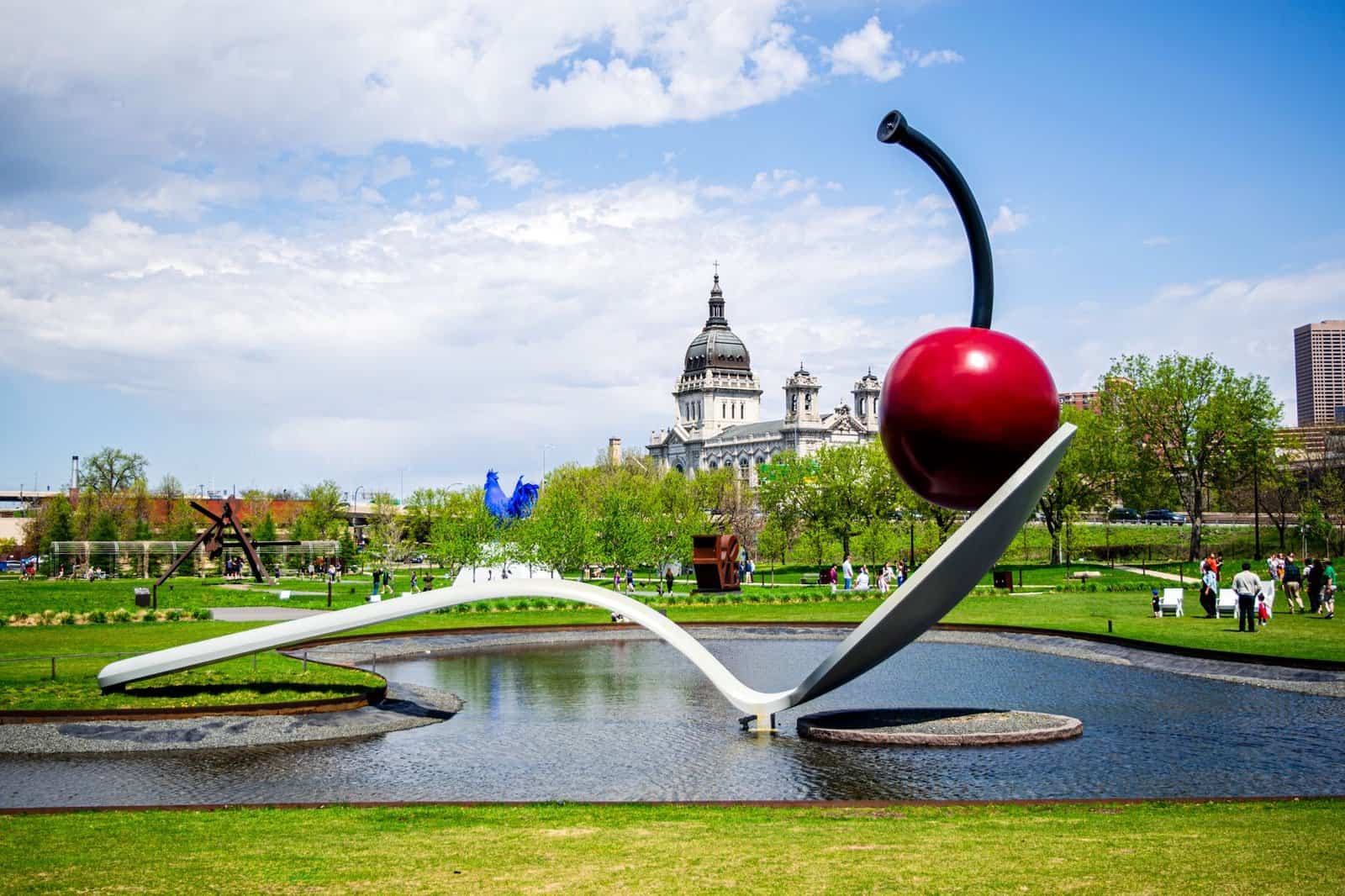
The Minneapolis Institute of Art (Mia) has a permanent collection of 90,000 objects spanning 5,000 years of human culture — one of the strongest encyclopedic art museums in the country — and charges zero admission. The Walker Art Center, connected by bridge to the Minneapolis Sculpture Garden (also free), is one of the most important contemporary art institutions in the United States. The Spoonbridge and Cherry sculpture in the garden is the most photographed public sculpture in Minnesota and has been since 1988. Together, these two institutions represent an arts offering that most cities with four times Minneapolis’s tourism budget would promote aggressively.
The Chain of Lakes — Bde Maka Ska (formerly Lake Calhoun), Lake Harriet, Lake of the Isles, Cedar Lake — forms a connected urban lake park system with a 13-mile paved path circling all four lakes. In summer this is a cycling and running corridor that compares favorably to any urban trail system in the United States. Lake Harriet has a restored bandshell with free summer concerts. The lakes freeze solid in winter, becoming skating and cross-country ski destinations.
The Food Scene
Restaurants worth building a visit around:
- Owamni by the Sioux Chef: James Beard Award–winning Indigenous cuisine featuring pre-colonization ingredients — one of the most innovative and significant restaurants in the country
- Travail Kitchen: experimental, theatrical tasting menu in Robbinsdale — nationally recognized
- Hmong Village and Hmongtown Marketplace: the largest Hmong American community in the United States has produced a food culture specific to St. Paul that has no equivalent elsewhere
- Midtown Global Market: 40+ food vendors representing 20+ cuisines in a former Sears building in South Minneapolis
Minneapolis hotel prices are well below equivalent-quality coastal cities: $140–$200/night for a good downtown property during a summer or fall weekend. The Boundary Waters Canoe Area Wilderness — 1.1 million acres of canoe country on the Minnesota-Canada border — is a 2.5-hour drive north and accessible as a multi-day trip from a Minneapolis base. The city earns a serious travel visit in May through October and rewards the traveler who approaches it with the same curiosity they’d give Denver or Nashville.
Minneapolis in Summer vs. Other Seasons
Minneapolis summer (June–August) is the best argument for the city as a travel destination: the lakes are warm enough to swim, the Chain of Lakes trail is at full use, outdoor concerts at Harriet Bandshell run free on weekend evenings, and the city’s Nordic-American genetic disposition toward outdoor activity means parks and trails are genuinely used rather than being amenities that look good in city marketing materials. The Minneapolis Sculpture Garden is free all summer. The Minneapolis Farmers Market on Lyndale Avenue North runs from late April through December and is one of the most serious local food markets in the Midwest.
The Skyway System — 80 city blocks of enclosed elevated pedestrian walkways connecting downtown buildings — is Minneapolis’s famous winter survival infrastructure. In winter, it enables the kind of downtown walkability that most northern cities abandon to parking structures and cars when temperatures drop below zero. The Skyway also contains its own ecosystem of restaurants, shops, and services that operate entirely indoors. Visiting Minneapolis in January and spending a day navigating the Skyway from the hotel to the convention center to the IDS Crystal Court to Nicollet Mall is a functional portrait of how the city survives and thrives in conditions that would empty comparable cities of pedestrian life.
The Boundary Waters Canoe Area Wilderness, 2.5 hours north, is the most frequently cited reason Minneapolis residents tolerate the winters — they know that 1.1 million acres of canoe-accessible wilderness with hundreds of lakes and zero motorized watercraft is two hours from their front door. For visitors, this means a Minneapolis weekend can credibly include a night paddling into the BWCA before returning. Outfitters in Ely and Grand Marais rent all necessary equipment and can provision a 2-night canoe trip for two people in the $400–$600 range including gear and food. The combination of a sophisticated city and this kind of wilderness access is genuinely unusual in the United States.