Most Vacation Souvenir Spending Happens in the Final 24 Hours of a Trip. Behavioral Scientists Say That’s Not a Coincidence
We may earn money or products from the companies mentioned in this post. This means if you click on the link and purchase the item, I will receive a small commission at no extra cost to you ... you're just helping re-supply our family's travel fund.
Ask almost any traveler where their vacation budget actually went, and a disproportionate share of unplanned spending traces back to the last day or two of the trip, that final scramble through the airport gift shop, the last-minute splurge on a piece of local art, the impulse decision to upgrade the flight home. This isn’t random bad budgeting, it’s a well-documented behavioral pattern with a specific psychological mechanism behind it.
The Behavioral Science Behind the Final-Day Splurge
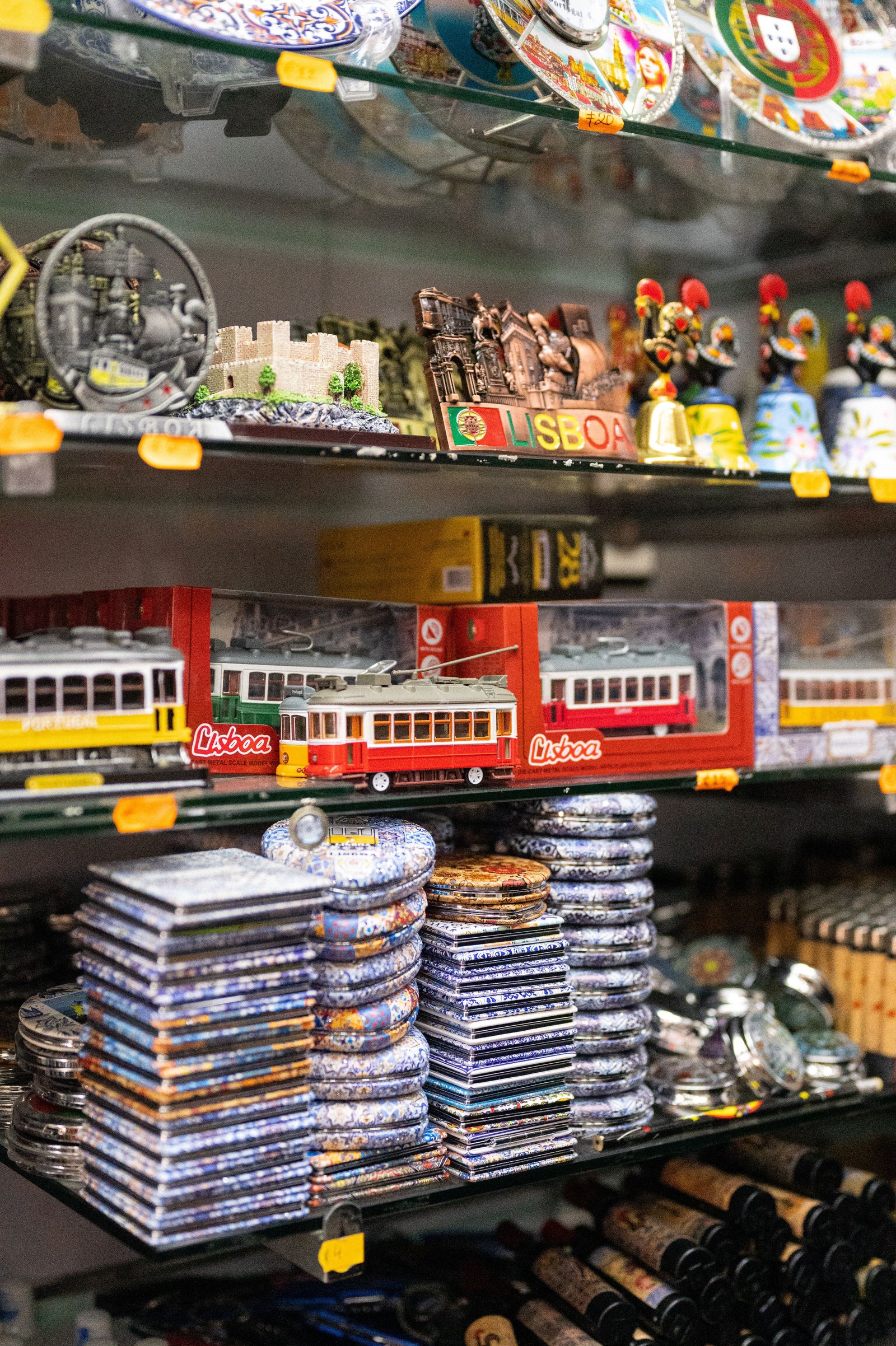
A behavioral finance breakdown of end-of-trip spending identifies scarcity framing as the core driver: as the trip’s remaining hours shrink toward zero, the brain reclassifies purchases as “last chance” opportunities rather than ordinary spending decisions, a pattern explored in detail in [a behavioral science explainer on last-24-hour souvenir spending](https://www.alibaba.com/product-insights/why-do-i-overspend-on-souvenirs-only-in-the-last-24-hours-of-a-trip-behavioral-science-explained.html). That scarcity effect, the same psychological mechanism retailers exploit with limited-time sale messaging, kicks in automatically once a traveler knows they’re leaving and may never return to a specific shop, market, or region.
Loss aversion compounds the effect. Research on tourist overspending found that travelers are more motivated to avoid missing out on an experience or item than they are motivated by the equivalent potential gain of saving the money instead, a dynamic laid out in a [YouTube explainer on travel spending psychology](https://www.youtube.com/watch?v=AUOReFu-jYo) drawing on established loss-aversion research. On the last day, every remaining purchase decision gets compressed into a single framing: buy it now or lose the chance forever, a framing that overrides the more measured cost-benefit thinking travelers apply earlier in the trip.
Why Pre-Paid Spending Doesn’t Trigger the Same Response
Research from Carnegie Mellon on pre-payment psychology found that when travelers pay for an experience in advance, they mentally “uncouple” the cost from the actual moment of consuming it, according to a summary of the findings in [MoneyPantry’s spending psychology newsletter](https://moneypantry.substack.com/p/why-vacation-spending-doesnt-feel). This is a major part of why all-inclusive resorts and pre-booked tour packages feel less financially painful even when the total cost is comparable to or higher than an itemized alternative, the spending decision already happened weeks earlier, disconnected from the emotional intensity of the final hours of a trip.
What Behavioral Researchers Recommend to Counter It
- Set a specific souvenir budget before the trip begins, when decision-making is calmer and less influenced by scarcity framing
- Use a 15-minute pause rule for any final-day purchase over a set threshold, giving the scarcity urgency time to fade before committing
- Do souvenir shopping earlier in the trip rather than saving it for the last day, removing the artificial time pressure that drives overspending
Why Airports Specifically Amplify the Effect
Airport retail environments are deliberately engineered to intensify the same scarcity psychology driving last-day trip spending generally. Duty-free shops combine genuine time pressure, boarding announcements, security lines, unfamiliar currency conversions, and a captive audience with nowhere else to spend the remaining time, a combination researchers describe as producing measurably worse financial decision-making than the same person would exhibit in an ordinary retail environment at home.
That environment also triggers a physiological shift: the transition into an airport terminal activates a kind of relaxation response once security screening is complete, travelers report feeling that the hard part of travel is over, which paradoxically makes them more receptive to impulse spending rather than more cautious, even though the trip’s actual remaining logistics, boarding, layovers, arrival, haven’t happened yet.
Credit card companies and travel apps have started building features specifically designed to counteract end-of-trip overspending, real-time spending dashboards that show a running vacation total rather than waiting for a monthly statement, a direct response to research showing that visibility into cumulative spending is one of the few interventions that reliably reduces impulse purchases in the moment they’re being considered, rather than only after the fact.
Interestingly, researchers have found the scarcity effect weakens noticeably for travelers who’ve visited a specific destination multiple times before, repeat visitors to the same city report far less end-of-trip urgency than first-time visitors, since the psychological “last chance” framing depends heavily on genuine uncertainty about whether a return trip will ever happen, a calculation that changes substantially once someone has already returned once or twice.
Cultural framing plays a role too: travelers from cultures that place a higher value on gift-giving as a social obligation report feeling more last-day purchase pressure than travelers who don’t feel the same expectation to bring back souvenirs for extended family or coworkers, suggesting the scarcity effect interacts with, and is sometimes amplified by, social obligations that have nothing to do with the traveler’s own psychology.
Currency confusion compounds the effect on international trips specifically, travelers who’ve spent a week mentally converting prices back to their home currency often abandon that habit entirely in the final hours, a phenomenon researchers attribute to decision fatigue, after days of currency math, the brain simply stops doing the conversion and starts treating foreign prices as though they were denominated in home currency, a shift that can make a $200 last-minute purchase feel like a much smaller decision than it actually represents.
Travel bloggers and financial educators increasingly recommend a specific end-of-trip ritual to counter the pattern, reviewing the trip’s actual spending total against the original budget on the second-to-last day rather than the last day, giving travelers a concrete number to reference before the final scarcity-driven shopping window opens rather than discovering the damage only after returning home and reviewing a credit card statement with the trip already over.
That single habit shift, reviewing the numbers before the final scarcity window opens, consistently outperforms willpower alone as a way to keep a trip’s spending in line with its original plan.
None of the behavioral research suggests travelers should feel guilty about enjoying a splurge purchase, the goal researchers describe isn’t elimination of spontaneous spending but simply making sure it happens by choice rather than by an unconscious response to a ticking clock.
None of this means final-day spending is inherently irrational, some of it reflects genuine values, a desire to bring something meaningful home, but understanding the scarcity and loss-aversion mechanisms at work makes it easier to distinguish a purchase that will matter in five years from one that’s simply a reaction to the countdown clock on a trip that’s ending.