The Outer Banks in October Has Something That July Never Does: Empty Beaches
We may earn money or products from the companies mentioned in this post. This means if you click on the link and purchase the item, I will receive a small commission at no extra cost to you ... you're just helping re-supply our family's travel fund.
The Outer Banks of North Carolina — the 100-mile chain of barrier islands separating Pamlico Sound from the Atlantic — operate on a tourism economy that peaks in July and August and drops sharply after Labor Day. What drops along with the crowds: hotel prices (by 25–35%), traffic on NC-12 (the only road connecting most of the islands), and the competition for the most photographed spots on the East Coast’s most distinctive coastline. What stays: Atlantic water temperatures in the low 70s through October, wild ponies on Corolla’s northern beaches, and the Cape Hatteras lighthouse still rising 198 feet from the sand.
What the Outer Banks Looks Like After Labor Day
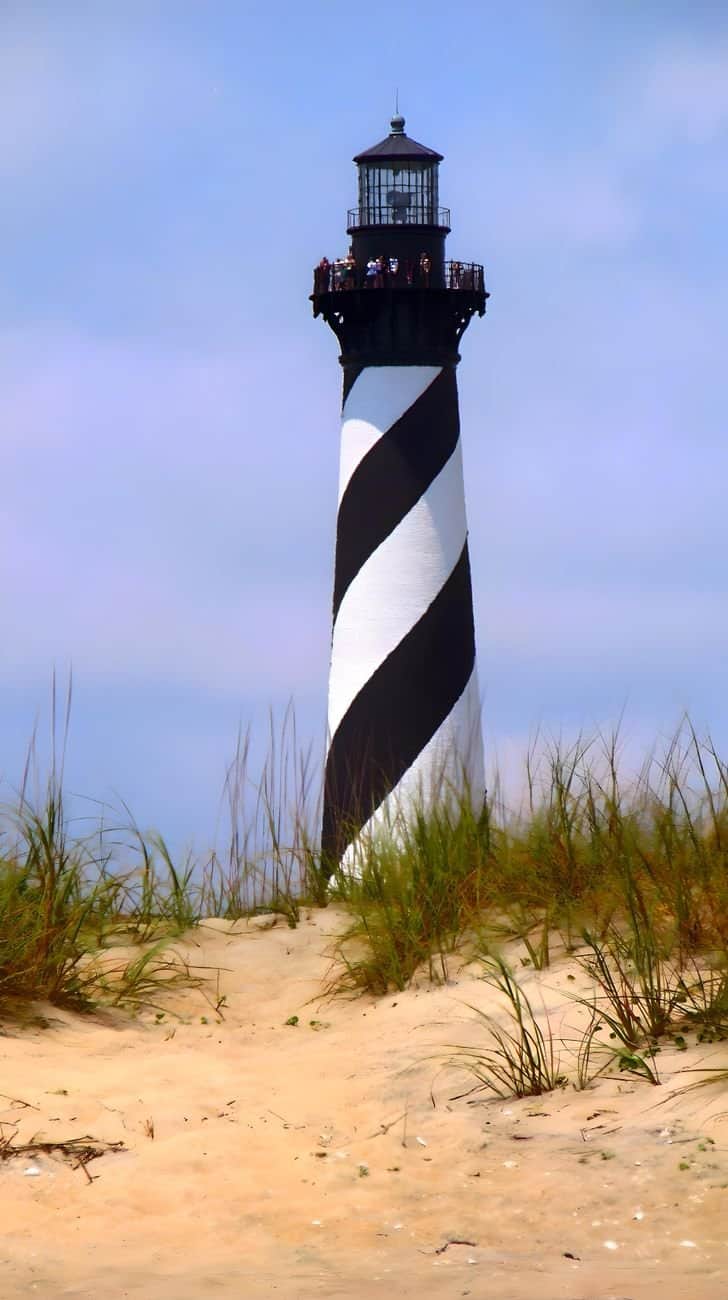
Cape Hatteras National Seashore — 70 miles of federally protected barrier island beach from Oregon Inlet south through Ocracoke — has no commercial development on the beach itself. In October, sections of this coastline that are genuinely crowded in peak summer have almost no one on them. The beach at Frisco, the stretch north of Hatteras village, and the Ocracoke beach accessed by the free ferry from Hatteras are among the best empty-beach experiences on the entire East Coast in fall.
The wild horse herd at Corolla, in the northern Outer Banks above the paved road, requires a 4WD vehicle to access and is best visited at lower crowd levels. October allows longer time with the herd and better photography conditions in the cooler morning and afternoon light. The 100–150 remaining Corolla horses are descendants of Spanish mustangs brought to the Outer Banks in the 1500s and are managed by the Corolla Wild Horse Fund.
October Costs vs. July
What changes after Labor Day:
- Vacation rental (4BR house, Nags Head): $2,800–$4,000/week in July → $1,400–$2,200 in October
- Hotel (Kill Devil Hills or Nags Head): $200–$280/night in July → $120–$170 in October
- Drive time on NC-12 between towns: significantly faster, no summer grid traffic
- Ocean water temperature: 73–76°F in October — warmer than New England beaches all summer
October on the Outer Banks is the version of the Outer Banks that people who’ve been coming for twenty years know about and visitors who show up in July assume doesn’t exist. The Wright Brothers Memorial at Kill Devil Hills is walkable without crowds. The drive from Nags Head to Ocracoke on NC-12 passes through the widest undeveloped barrier island landscape on the East Coast without the summer backup at every stoplight. The fishing — surf fishing, pier fishing, offshore charter trips — peaks in fall when the bluefish and striped bass runs arrive. The Outer Banks in October is, in almost every measurable way, better than the Outer Banks in July.
What to Build the October Outer Banks Trip Around
The Outer Banks fishing culture in October is at its annual peak. Charter fishing boats out of Oregon Inlet, Hatteras, and Ocracoke target the fall bluefish and striped bass runs that follow baitfish schools south along the coast in October. Half-day offshore trips run $80–$120/person on shared boats; the catch rates in October are the best of the year. Even for travelers who don’t fish, the working fishing culture visible from the Hatteras docks — the boats, the captains, the catch cleaning — is a specific local experience that July’s beach vacation doesn’t include.
Ocracoke Island, accessible only by ferry (free from Hatteras, 40 minutes; paid from Swan Quarter or Cedar Island, 2.5 hours), is the most isolated inhabited community on the North Carolina coast. The village of Ocracoke has 900 year-round residents, a working harbor, and a main street with the kind of independent restaurants and shops that the northern Outer Banks towns lost to commercial development decades ago. The Ocracoke Lighthouse, the oldest operating lighthouse in North Carolina (built 1823), is at the south end of the village. A night on Ocracoke in October — the Silver Lake harbor at sunset, dinner at Howard’s Pub, morning breakfast at the Ocracoke Coffee Company — is the most characterful overnight available anywhere on the North Carolina coast.
The biggest October risk on the Outer Banks is tropical weather: the Atlantic hurricane season runs through November 30, and the Outer Banks is in the direct path of storms tracking up the coast. Watching the NOAA forecast in the two weeks before an October Outer Banks trip and having cancellation-flexible accommodation booking is standard practice for seasoned OBX visitors. The barrier islands are genuinely exposed — the 2003 Hurricane Isabel cut a new inlet through Hatteras Island that took years to fully repair. This risk is real and manageable with flexible booking, not a reason to avoid the shoulder season that otherwise represents the best travel value on the East Coast’s most dramatic coastline.