San Antonio Has 1.5 Million People and One of the Best Urban Historic Districts in America. Here’s What Most Visitors Skip
We may earn money or products from the companies mentioned in this post. This means if you click on the link and purchase the item, I will receive a small commission at no extra cost to you ... you're just helping re-supply our family's travel fund.
San Antonio draws roughly 37 million visitors per year, which makes it one of the most-visited cities in Texas and one of the most consistently underexplored. Visitors come for the Alamo and the River Walk, spend 90 minutes seeing both, eat at a Tex-Mex restaurant, and leave without understanding that the city’s most significant historical assets are a 9-mile UNESCO World Heritage trail south of downtown that most tourist itineraries don’t mention at all.
The San Antonio Missions Trail — A UNESCO Site Most Tourists Drive Past
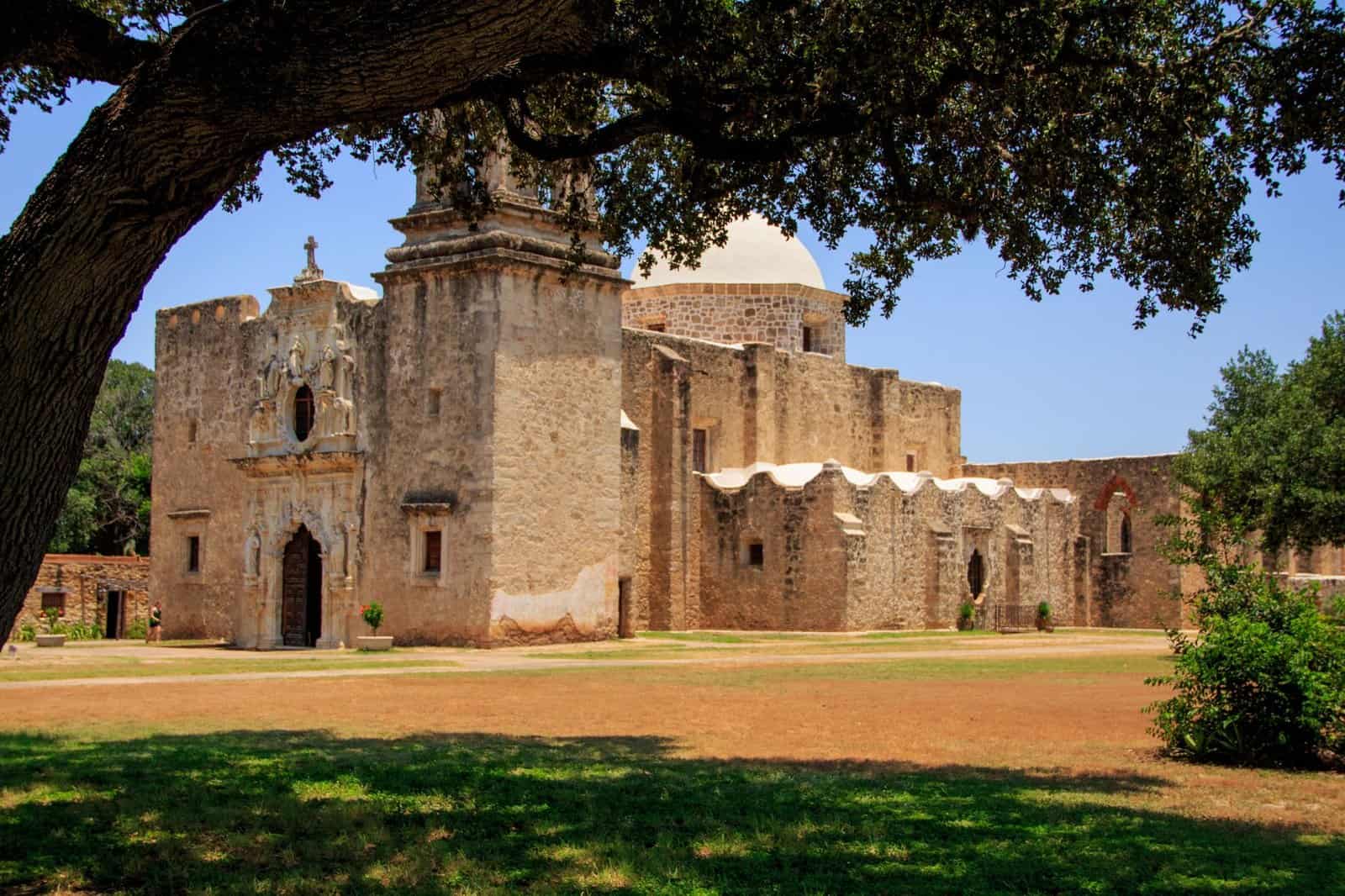
The San Antonio Missions National Historical Park protects four missions — Concepción, San José, San Juan, and Espada — strung along the San Antonio River south of downtown. Together with the Alamo (Mission San Antonio de Valero), they form a UNESCO World Heritage Site designated in 2015 as the best surviving example of Spanish colonial frontier missions in North America. Mission San José alone, with its baroque stone carvings, functioning acequia (irrigation canal), and intact compound walls, is one of the most architecturally significant sites in the American Southwest. The park is free to enter and almost never crowded.
The missions are accessible by bike along a paved trail following the river south — a 15-mile round trip that lets you see all four in a half day without getting in a car. The San Antonio B-cycle bike share system rents bikes near the River Walk starting point. The contrast between the 20,000-person Alamo Plaza crowd and the quiet compound of Mission Espada, 9 miles south, is one of the most dramatic within a single city in the United States.
What Else San Antonio Offers
Neighborhoods worth the detour:
- King William Historic District: 25 blocks of Victorian mansions built by German merchant families in the 1870s–1890s, directly south of the River Walk
- Southtown: art galleries, independent restaurants, and the Blue Star Arts Complex along the river
- Pearl Brewery District: the most sophisticated dining and market destination in the city, with a weekend farmers market that’s among the best in Texas
- San Fernando Cathedral: the oldest continuously functioning cathedral in the United States, open and free, one block from the Alamo
What a San Antonio Trip Costs in 2026
Hotel near the River Walk: $140–$220/night for mid-range. The Pearl District hotel options (Hotel Emma is the flagship) run $300–$450 and are worth it for travelers who want a design-forward base in the best neighborhood in the city. The Missions Trail is free. The Alamo admission is free (with a $20 timed entry for the Long Barrack Museum). San Antonio is one of the most affordable major cities in Texas — restaurant prices, parking, and day costs run meaningfully below Dallas and Austin.
San Antonio rewards travelers who build their itinerary around the Missions Trail rather than around the Alamo. Both matter. But the Alamo is a 15-minute experience in a plaza that 37 million people are also visiting. The four southern missions are a half-day of genuine historical depth with almost no competition for space. The city around them — the King William streets, the Pearl Brewery market, the river trail — makes San Antonio one of the best-value urban travel destinations in the South.
San Antonio’s River Walk — The Full 15-Mile Story
The River Walk that most tourists experience is the 2.5-mile inner loop in the downtown Historic District — the tourist hotel corridor, the Tex-Mex restaurant terraces, the souvenir shops, and the boat tour docks. The River Walk system extends 15 miles total, including the Museum Reach (3 miles north to the Pearl Brewery District through the Art Deco pump station and under the bridges that local artists have converted to murals) and the Mission Reach (8 miles south to Mission Espada). Walking the Museum Reach from downtown to the Pearl is the best single walk in San Antonio — 45 minutes along the water through public art installations, emerging at the Saturday farmers market under the Pearl Brewery silos.
The Mission Reach section of the River Walk, restored in 2013 after decades of urban decay, passes through the most ecologically restored section of the San Antonio River — cottonwood and cypress trees lining a river that had been channeled and concretized for most of the 20th century. The native plantings along the Mission Reach and the restored river meander represent one of the most successful urban river restoration projects in the Southwest United States. Cycling the Mission Reach from downtown to Mission Espada and back is 16 miles total — a 2.5-hour ride that provides the full scope of the San Antonio River’s history, ecology, and cultural significance in a way that the tourist boat tour through the restaurant corridor doesn’t.