The Psychological Reason Your Vacation Never Feels as Good as Everyone Else’s Instagram
We may earn money or products from the companies mentioned in this post. This means if you click on the link and purchase the item, I will receive a small commission at no extra cost to you ... you're just helping re-supply our family's travel fund.
Somewhere between the airport and the first sunset photo, a lot of vacations stop being about the place and start being about how the place is performing against everyone else’s feed.
The comparison reflex is built into how the brain processes vacation
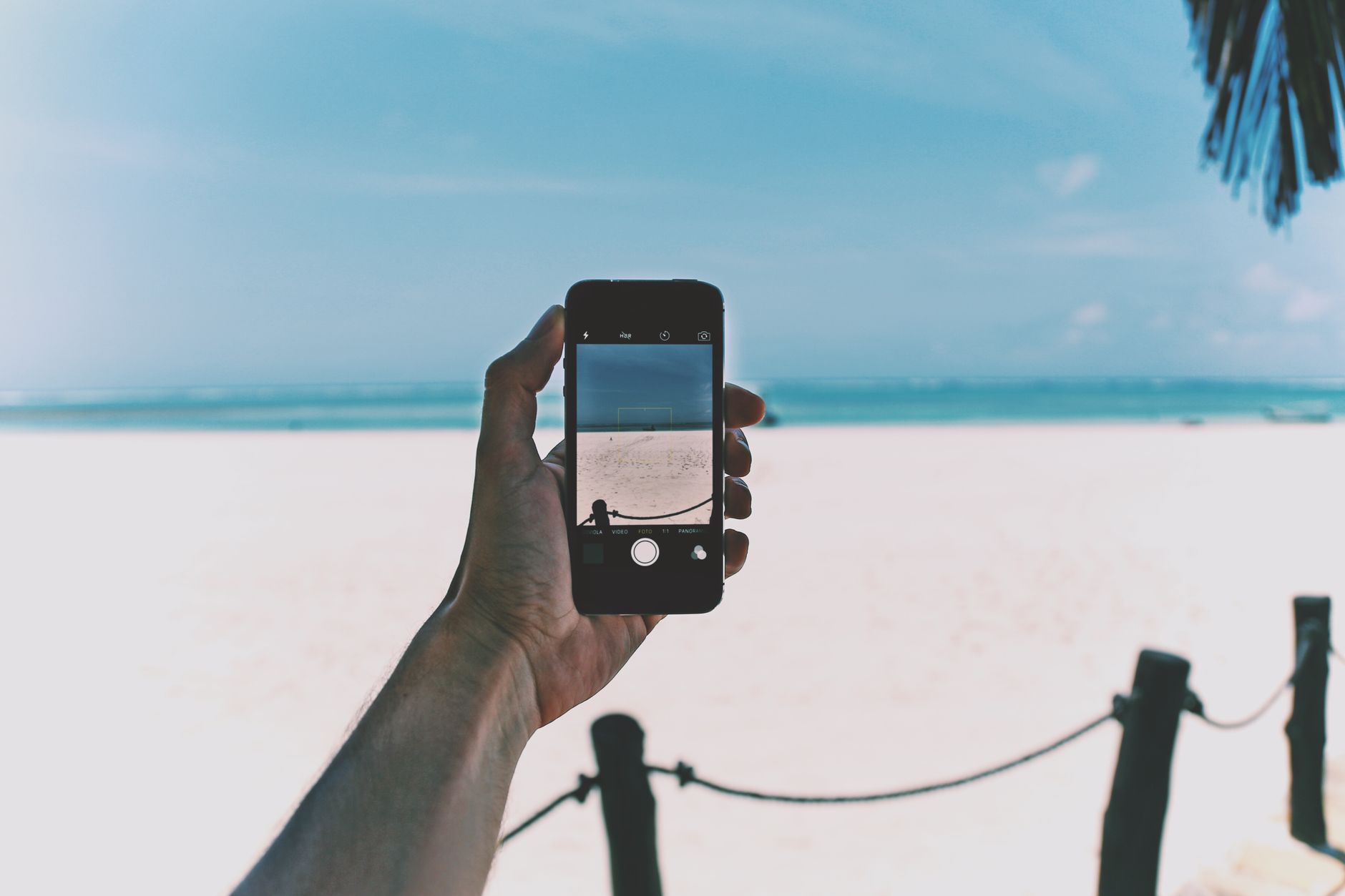
Social comparison theory, first described by psychologist Leon Festinger in 1954, holds that people evaluate their own experiences by measuring them against others, especially when no objective standard exists. There’s no universal scale for how good a vacation is, which makes it exactly the kind of experience the brain defaults to comparing rather than simply evaluating on its own terms. A trip that felt relaxing and satisfying in the moment can retroactively feel inadequate the second someone scrolls past a friend’s more photogenic version of a similar trip.
Why Instagram specifically makes this worse than it used to be
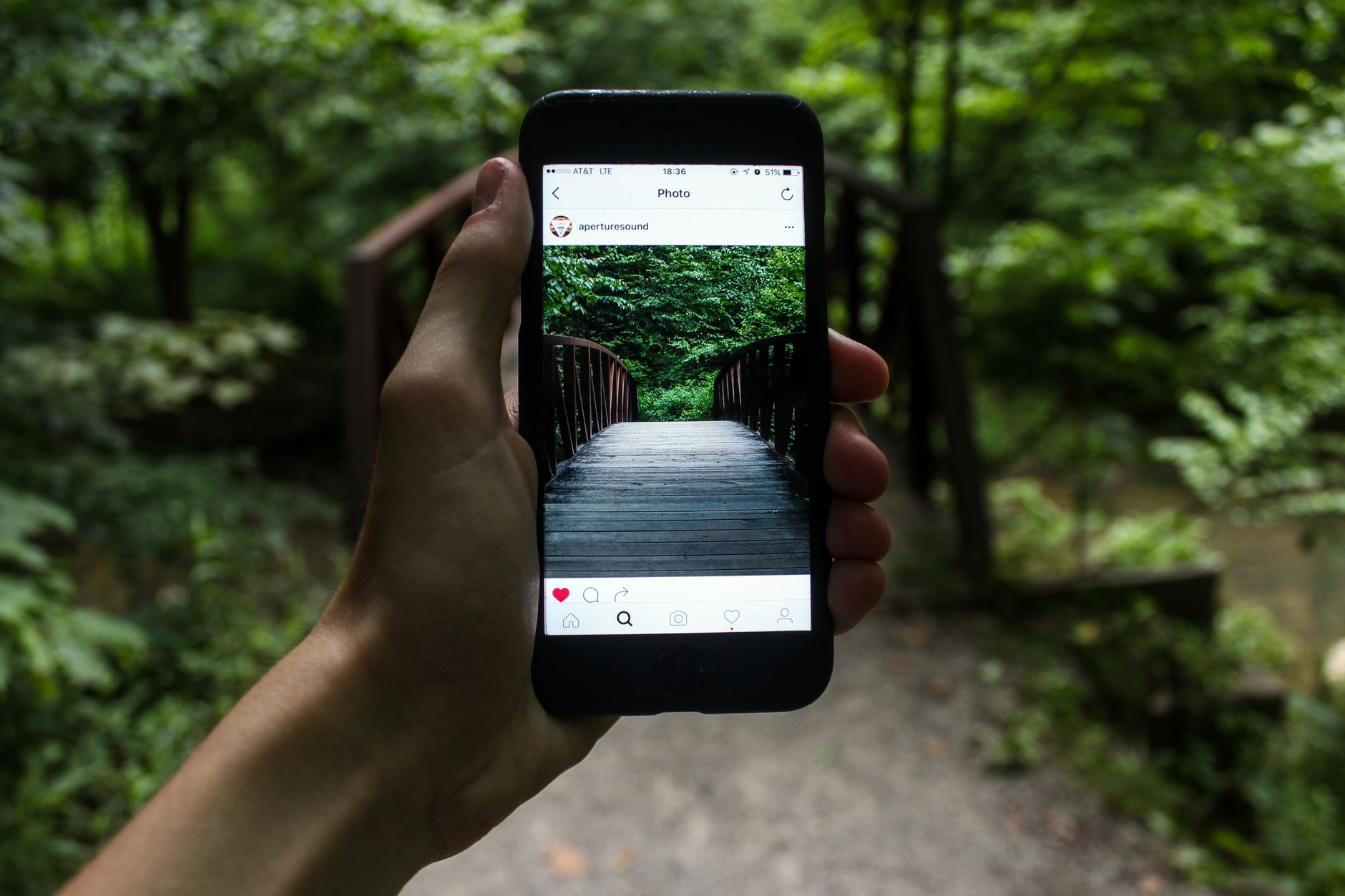
Vacation photography used to circulate slowly, through printed photos or slideshows shown to a captive audience weeks after the trip ended. Instagram compresses that entire cycle into real time, meaning people are now comparing their in-progress vacation against other people’s highlight reels while their own trip is still happening. Researchers studying social media and well-being have repeatedly found that passive scrolling, viewing others’ curated content without direct interaction, correlates with lower momentary life satisfaction more consistently than active posting does.
The highlight reel problem compounds the comparison
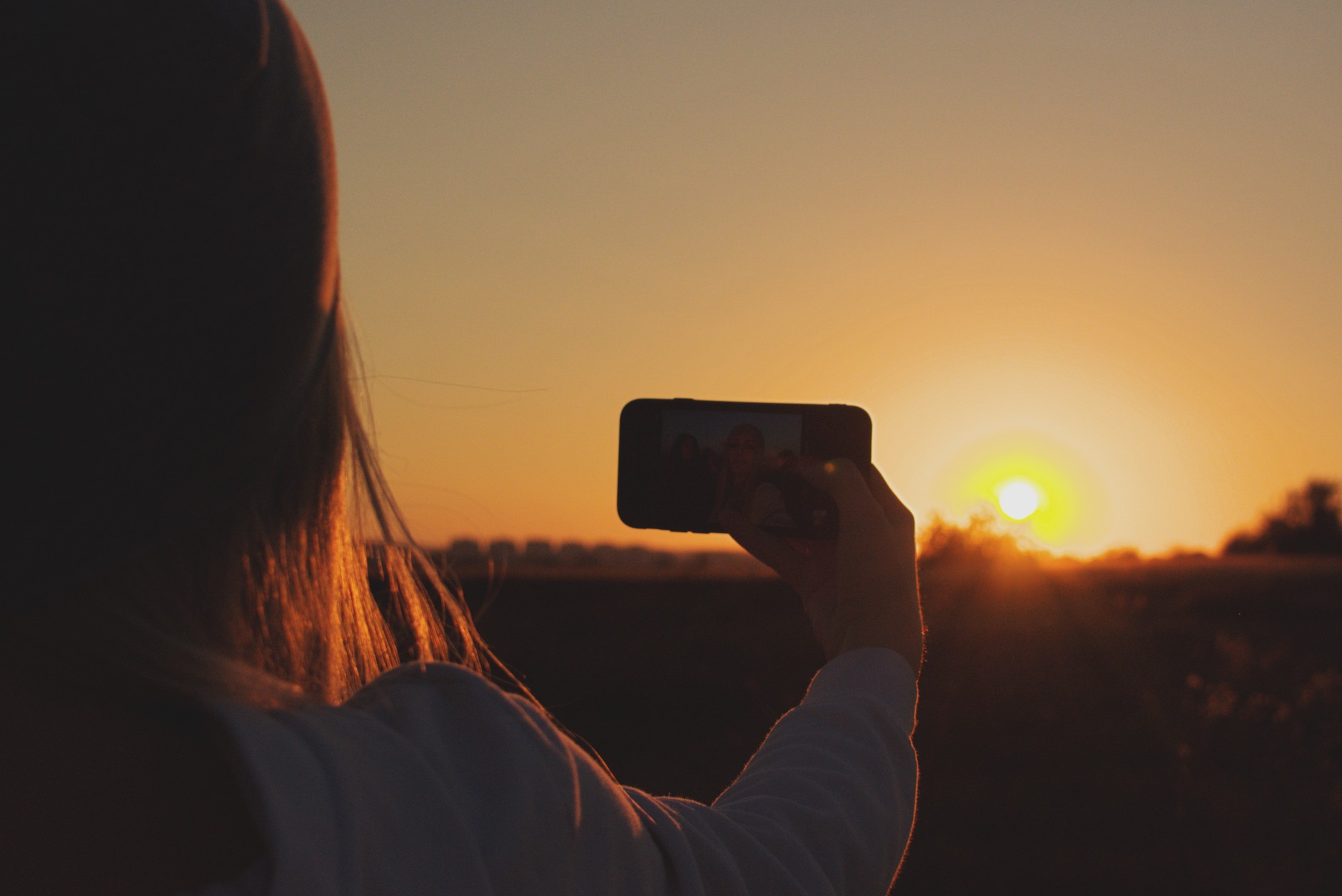
What gets posted is never the full trip. It’s the best five minutes of a seven-day trip, stripped of the delayed flight, the argument about dinner, and the mediocre hotel room. Comparing an entire lived vacation, including its boring stretches, against someone else’s curated five minutes is a mismatched comparison by design, yet it’s the comparison people make almost automatically.
What this does to how people actually experience their own trip
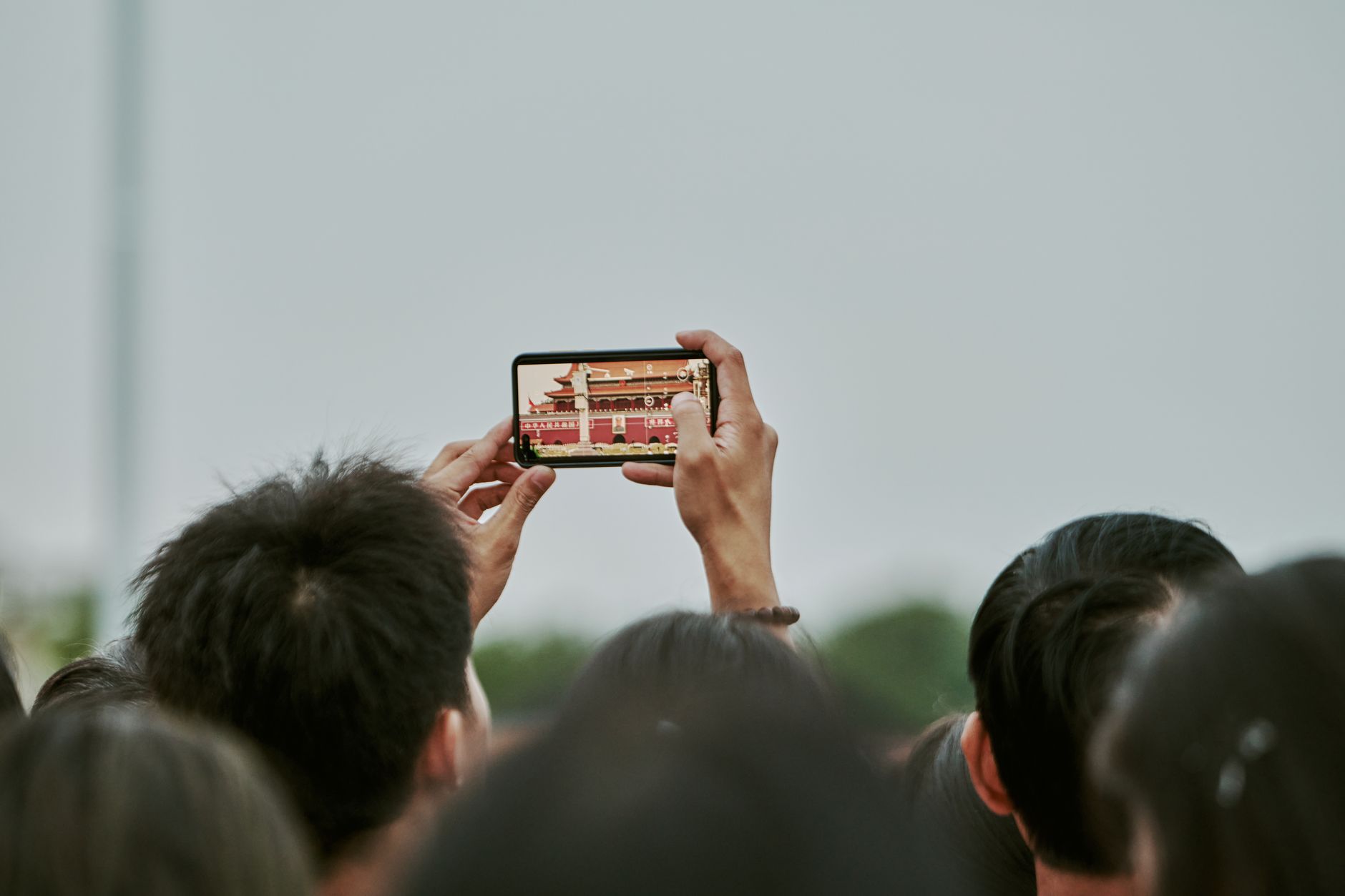
The pressure to produce a comparably impressive photo can measurably change behavior mid-trip: choosing a landmark over a quieter experience specifically because it photographs better, or spending twenty minutes trying to get one usable shot instead of simply being at the location. Travel writers and psychologists alike have described this as documentation replacing experience, where the measure of a good trip becomes what it looks like afterward rather than what it felt like at the time.
- Social comparison theory explains why vacations, which lack an objective quality scale, are especially prone to being judged against others’ experiences
- Passive social media scrolling correlates more strongly with reduced life satisfaction than active posting does
- Posted vacation content typically represents a small curated fraction of the full trip
- The pressure to produce comparable content can shift real-time travel decisions toward photogenic choices over enjoyable ones
None of this means people should delete the apps before their next trip. It just explains why a genuinely good vacation can still leave someone feeling like it wasn’t enough, a feeling that usually has more to do with someone else’s feed than with anything that actually happened on the trip itself.
Why upward comparison specifically is the problem
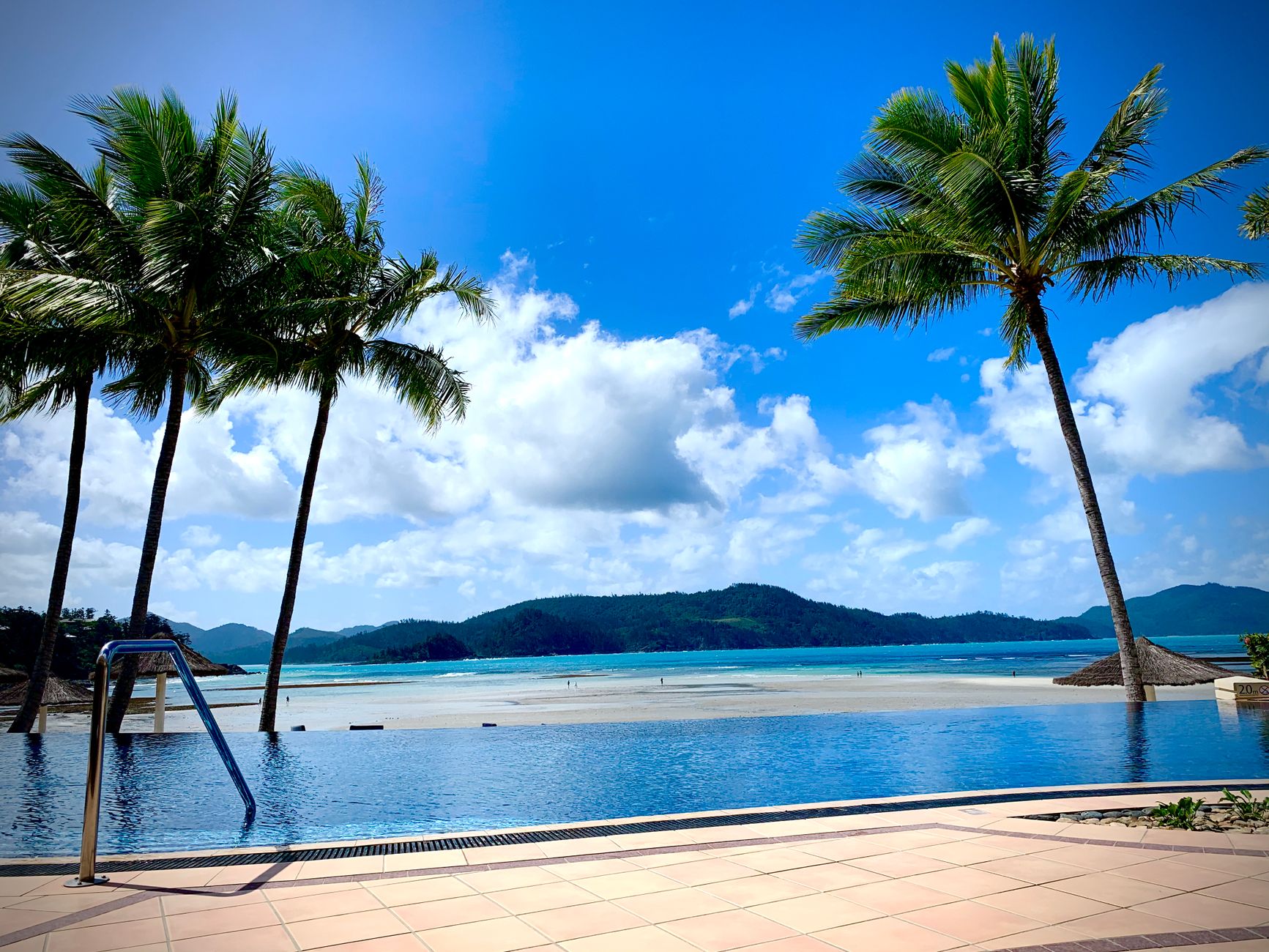
Social comparison research distinguishes between upward comparisons, measuring oneself against people perceived as better off, and downward comparisons, measuring against those perceived as worse off. Travel content on platforms like Instagram skews overwhelmingly upward: algorithms favor visually striking, aspirational content, which means the vacations that spread widest are disproportionately luxury resorts, exotic destinations, and objectively rare experiences that most travelers, even affluent ones, don’t take on a typical trip.
That algorithmic bias means the comparison set an average traveler is unconsciously measuring their own trip against isn’t representative of typical travel at all. It’s a curated sample of the most extraordinary trips happening anywhere in the world at that moment, compressed into a single scrolling feed.
The specific emotional pattern researchers have documented
Studies on social media envy describe a specific emotional sequence: initial admiration for someone else’s content, followed by an implicit self-evaluation, followed by a dip in mood if the comparison unfavorably highlights one’s own circumstances. Applied to travel, seeing a friend’s overwater bungalow in the Maldives while sitting in a rental car outside a state park can trigger that exact sequence within seconds, regardless of how genuinely enjoyable the state park trip actually is.
What actually reduces the effect
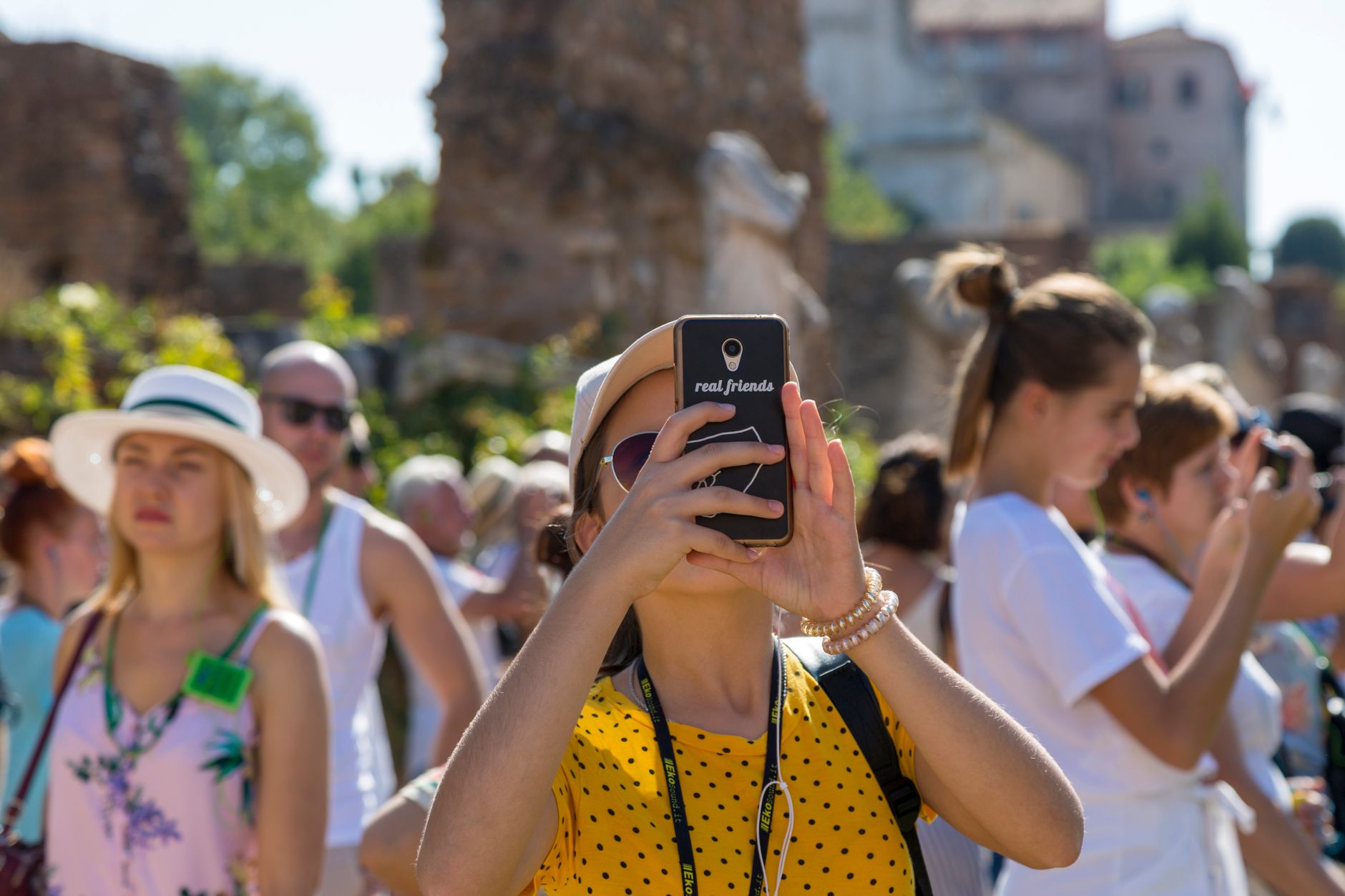
Researchers studying social media well-being consistently find that intentional, time-limited social media use, checking in briefly rather than passively scrolling for extended periods, correlates with better mood outcomes than open-ended browsing. Applied practically, that suggests the comparison spiral is less about whether someone uses Instagram during a trip and more about how much unstructured scrolling happens in between the actual travel experiences.
- Travel content on social platforms skews heavily toward upward comparison due to algorithmic preference for aspirational imagery
- The typical travel comparison set online represents a curated, non-representative sample of extraordinary trips
- Social media envy follows a documented emotional sequence from admiration to self-evaluation to mood decline
- Time-limited, intentional social media use correlates with better mood outcomes than passive extended scrolling
The trip itself was probably fine. The discomfort usually starts the moment it gets measured against a highlight reel it was never actually competing with.
A practical way to interrupt the pattern mid-trip
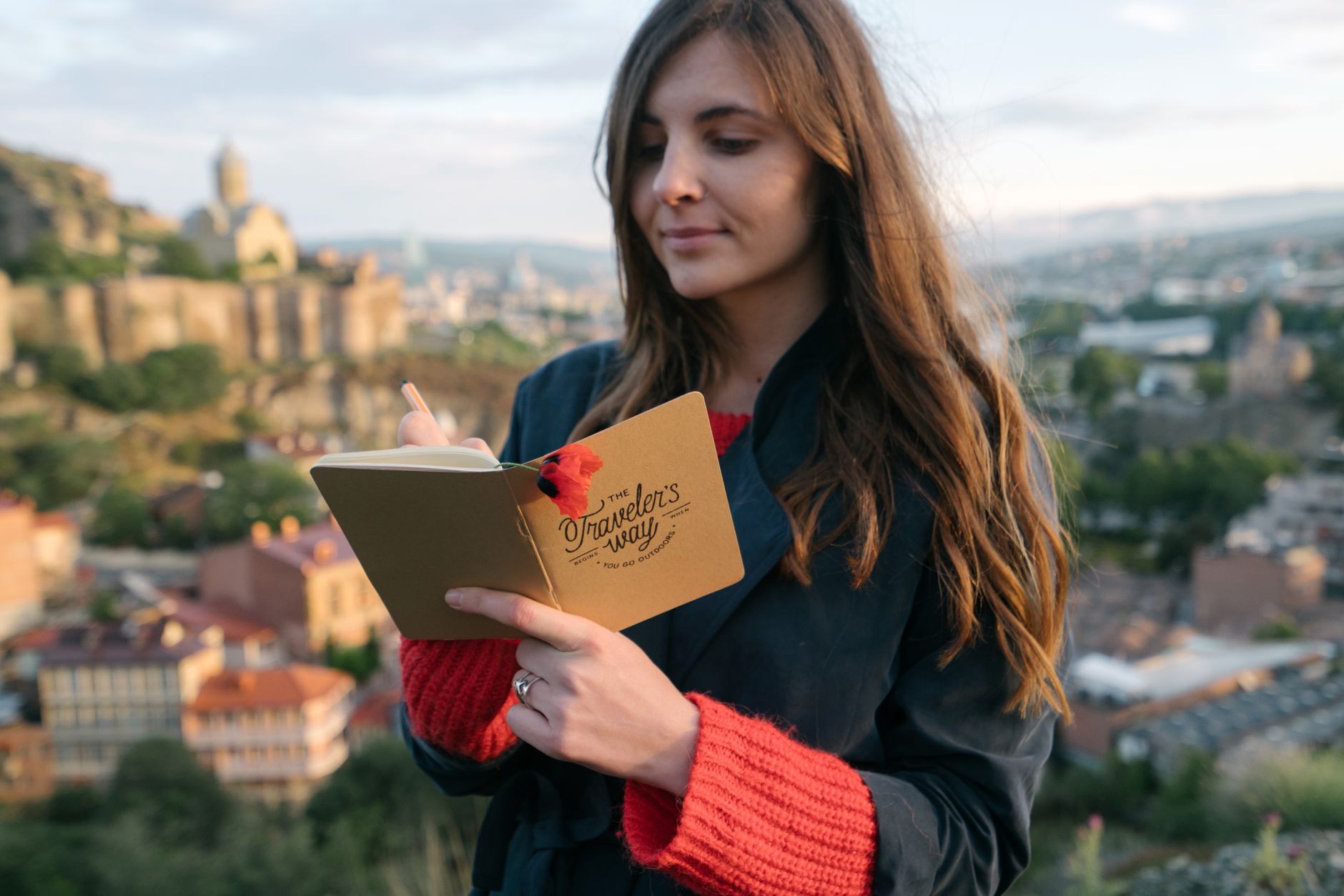
Travel researchers and psychologists who study comparison behavior commonly suggest a simple substitution: replacing the impulse to check others’ feeds during quiet trip moments with a brief personal note about what specifically felt good in that moment, a private record that has no audience and therefore no comparison pressure attached to it. That small shift moves the measurement of a trip’s success back to the traveler’s own direct experience rather than an external, algorithmically curated benchmark.
It won’t eliminate the instinct to compare entirely, since that instinct is deeply built into how people evaluate ambiguous experiences. But it does give the trip a chance to register on its own terms before the scrolling starts.
The broader lesson extends past any single trip: a vacation’s value was never actually measurable against someone else’s, and the discomfort that comes from trying to measure it that way says far more about how social platforms are designed than it does about whether the trip itself was worthwhile.