What Cruise Ship Dining Actually Costs Once You Add Up Every Cover Charge
We may earn money or products from the companies mentioned in this post. This means if you click on the link and purchase the item, I will receive a small commission at no extra cost to you ... you're just helping re-supply our family's travel fund.
Cruise fares are advertised as all-inclusive. The dining bill that shows up on the last night rarely agrees with that description.
What specialty dining actually costs per person
Specialty restaurants across major cruise lines typically run $25 to $75 per person as a cover charge, with premium experiences running well past that. Royal Caribbean’s Chops Grille steakhouse runs in the $45 to $65 range, according to pricing compiled by 360Cruising, while its Chef’s Table experience runs $109.99 per guest. Norwegian’s Cagney’s Steakhouse falls in a similar $45 to $60 range, and its teppanyaki restaurants run $35 to $45 included in some Free at Sea promotions but charged separately otherwise.
Princess Cruises raised its specialty dining package price to $55 per day per person in 2025, now with gratuity added on top of that base rate, according to a breakdown reported via cruise industry coverage. Holland America’s Pinnacle Grill runs roughly $50 to $65 per person, and Celebrity’s Murano runs $60 to $70.
The math nobody does before boarding
A couple who eats at just two specialty restaurants during a seven-night cruise, a steakhouse dinner and one Italian dinner, is already looking at $150 to $250 combined once drinks and gratuity are factored in. Cruzely’s cost analysis suggests budgeting $30 to $60 per person for a single specialty dinner, meaning a family of four eating specialty restaurants even three times across a week-long cruise can add $500 to $900 to a trip that was marketed as covering meals.
Dining packages: savings or a spending trap
Cruise lines sell prepaid dining packages specifically because the math works in their favor if passengers don’t use every credit, and in the passenger’s favor only if they eat at three or more specialty venues. Royal Caribbean Blog’s cost analysis notes dining packages can cut per-meal costs by as much as half, but only for travelers who were already planning to eat at multiple specialty restaurants regardless. For someone who’d have eaten in the included main dining room most nights anyway, a package is pure added cost.
Where the real budget gap shows up
The included dining, the main dining room and buffet, is genuinely free and genuinely fine for most meals. The gap opens specifically because cruise marketing emphasizes photos of the steakhouses and sushi bars that cost extra, creating an expectation that a typical passenger will eat at least a few specialty meals during a weeklong cruise, even though those meals were never included in the base fare.
- Specialty restaurant cover charges typically run $25 to $75 per person depending on cruise line and venue type
- A couple eating at two specialty restaurants on one cruise can expect to add $150 to $250 to their trip cost
- Prepaid dining packages only save money for travelers eating at three or more specialty venues per cruise
- Main dining room and buffet meals remain included at no extra charge across virtually all mainstream cruise lines
None of this makes cruising a bad value. It makes the advertised price a starting point rather than a ceiling, and the difference between those two numbers is exactly where the specialty dining menu lives.
The drink package math compounds the same problem

Beverage packages, often bundled with dining packages in promotional offers, add another layer to the real cost of a cruise that a base fare doesn’t reflect. Alcohol packages on major lines commonly run $70 to $100 per person per day, and cruise lines require both adults in a cabin to purchase the package if either one does, a policy that can push a couple’s beverage cost for a seven-night cruise past $1,000 combined before a single specialty dinner is even factored in.
Specialty coffee, bottled water, and soda are also generally excluded from the base fare on most lines, meaning even travelers who skip alcohol and specialty dining entirely can still find $50 to $100 in beverage charges added to their onboard account by the end of a week-long sailing.
Kids’ pricing doesn’t scale the way parents expect
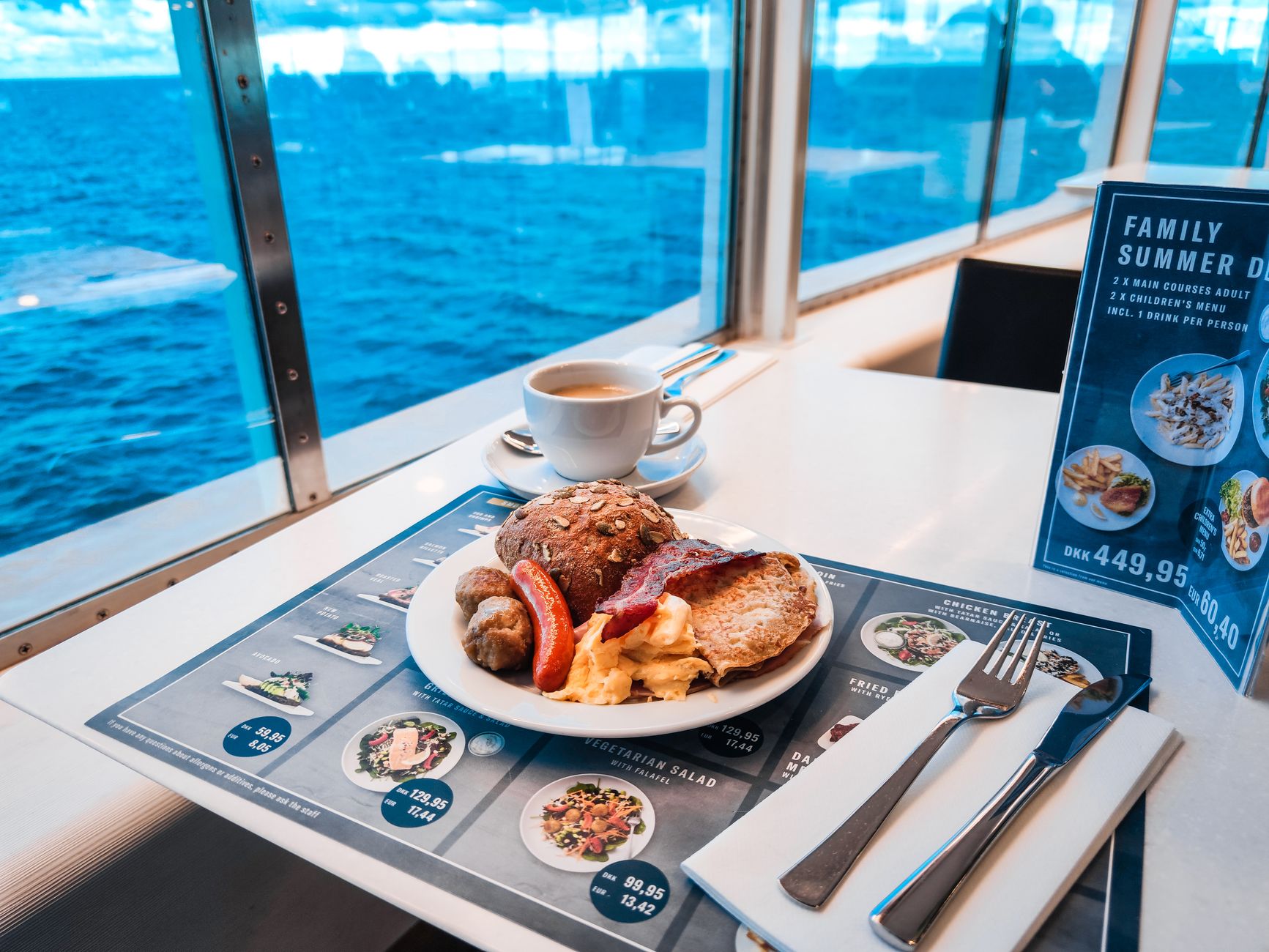
Most specialty restaurants charge reduced but non-trivial rates for children, commonly in the $14.99 to $19.99 range per child according to Royal Caribbean’s published specialty dining pricing, meaning a family of four choosing a single steakhouse dinner can still face a combined bill well over $150 once both adult and child cover charges are added together.
How to actually budget for it before booking

The most reliable approach is deciding in advance exactly how many specialty meals the trip will include and pricing those specifically rather than assuming the base fare will cover the whole week’s dining experience. A realistic seven-night budget that includes two specialty dinners, one drink package, and incidental beverage charges can easily add $600 to $1,200 per couple on top of the advertised cruise fare.
- Beverage packages commonly run $70 to $100 per person per day and are usually required for both adults in a cabin
- Specialty coffee, bottled water, and soda are typically excluded from base cruise fares
- Children’s specialty dining cover charges typically run $14.99 to $19.99, adding up quickly for families
- A realistic added budget for dining and drinks on a seven-night cruise often runs $600 to $1,200 per couple
The base cruise fare was never the full price. It was the deposit on a trip whose real cost gets finalized one cover charge and one drink package at a time.
Why cruise lines structure pricing this way
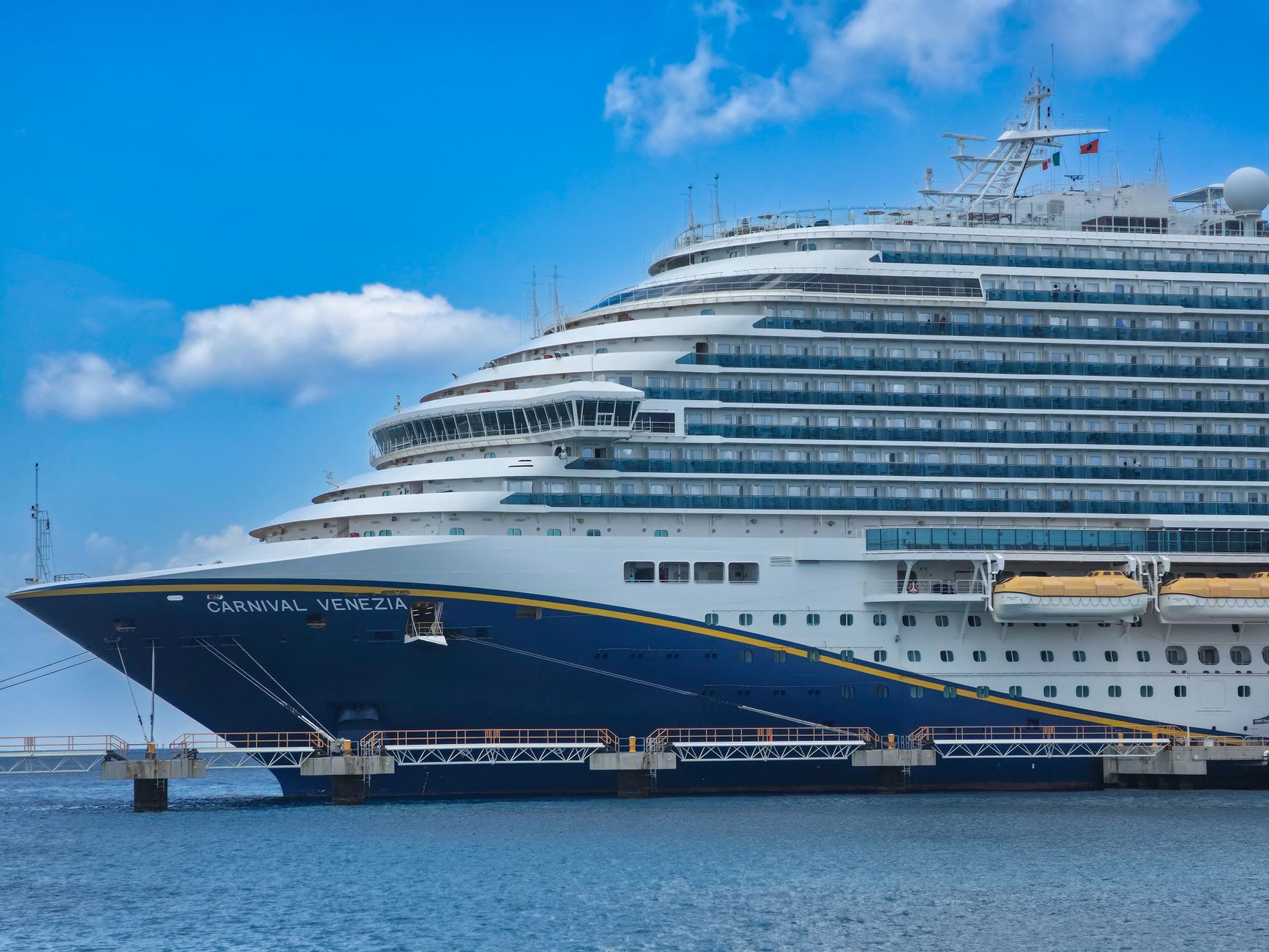
The base cruise fare is often priced close to a cruise line’s actual operating cost per passenger specifically because the industry’s profit margin depends heavily on onboard spending, dining, drinks, excursions, spa services, and photography packages, rather than the ticket price itself. That business model explains why the advertised fare can look remarkably affordable compared to a land-based resort vacation while the final onboard bill often closes that gap significantly by the end of the cruise.
Understanding that structure in advance is the single most useful thing a first-time cruiser can do before booking, since it reframes the advertised fare correctly as a starting price rather than a comprehensive one.