Hotel Staff Have a Secret File on You — The Guest Behaviors That Get You Flagged, Charged, and Quietly Banned
We may earn money or products from the companies mentioned in this post. This means if you click on the link and purchase the item, I will receive a small commission at no extra cost to you ... you're just helping re-supply our family's travel fund.
Hotels keep records. Not just your reservation details and your credit card number — actual behavioral notes about you as a guest. At major chains, these notes follow your loyalty account across every property in the brand’s portfolio. At independent hotels, they live in the property management system indefinitely.
A front desk manager at a major American hotel brand once described it to me this way: “We have guests who’ve been flagged for years. They come in smiling, and we already know before they say a word that they argued about the minibar last time, or that housekeeping found something alarming in their room, or that they screamed at a staff member during a 2017 stay in Phoenix. The smile doesn’t reset any of that.”
Most Americans have no idea which behaviors trigger these notes. Some of them are obviously bad. Many of them are things people genuinely believe are acceptable — even expected — when staying at a hotel.
The Guest Profile Is Real and It Follows You

At major hotel chains — Marriott, Hilton, Hyatt, IHG — your loyalty profile is a living document. Every property you stay at can add notes. Front desk staff, managers, housekeeping supervisors, and security personnel all have varying levels of access to add flags.
Common flag categories include:
- Financial flags: chargebacks on previous stays, disputed minibar charges, refusal to pay incidentals holds
- Behavior flags: aggressive conduct toward staff, complaints deemed excessive or manipulative, noise complaints from other guests
- Room condition flags: excessive damage beyond normal wear, smoking in non-smoking rooms, evidence of unauthorized pets or undisclosed additional guests
- Security flags: involvement in police calls to the property, trespassing after checkout, incidents in common areas
Here’s the part that surprises most people: these flags can affect what room you’re assigned, whether you’re offered upgrades, how quickly your requests are fulfilled, and in serious cases, whether the hotel chooses to honor your future reservations at all.
The Towel and Linen Situation Is Way More Complicated Than You Think
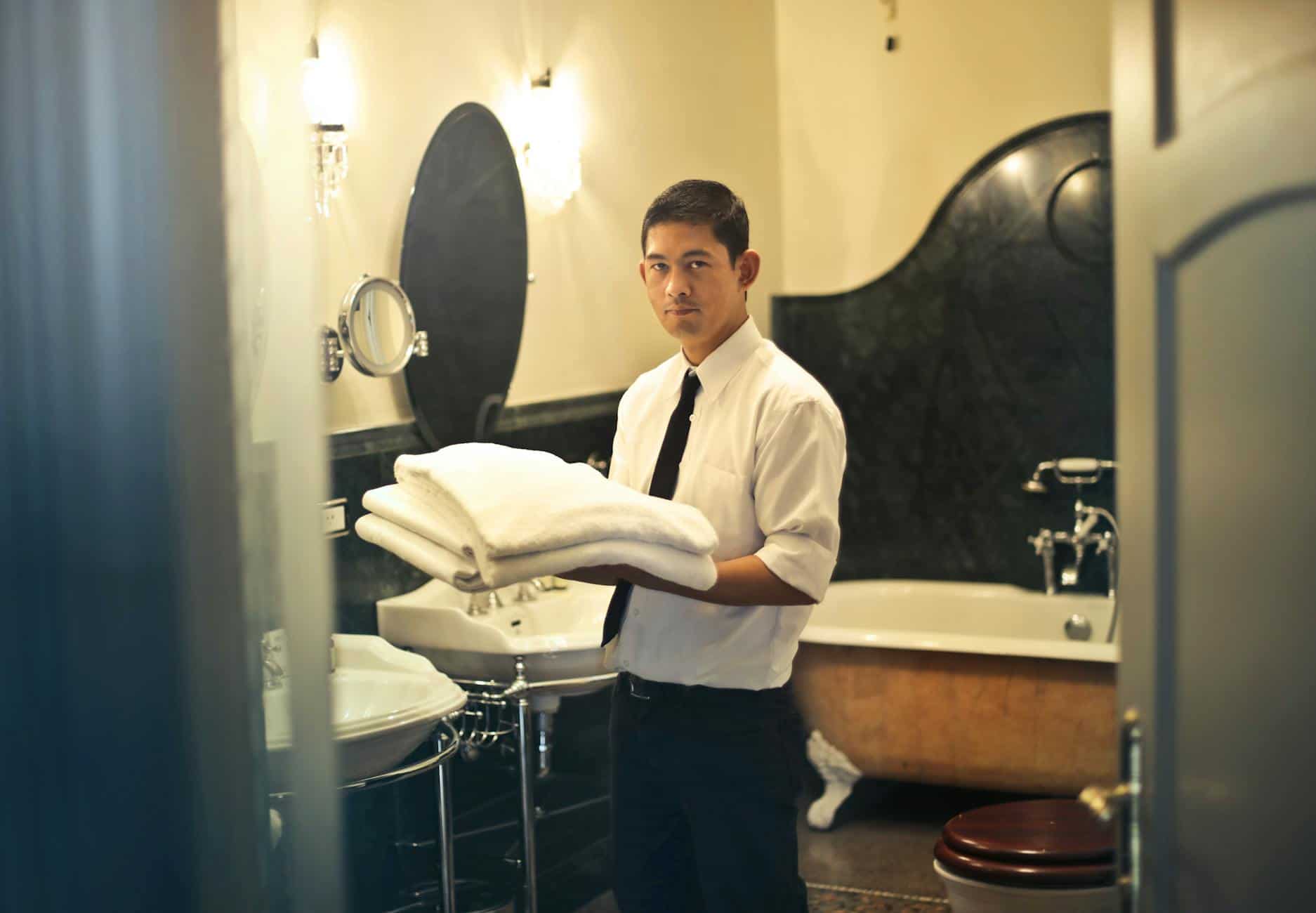
Americans have developed a particular relationship with hotel towels that baffles staff worldwide and costs hotels millions annually.
The behavior: using every towel in the bathroom — often six to eight towels for one or two guests — throwing them all on the floor after a single use, and assuming they’ll all be replaced fresh the next day.
The reality: Most hotels now have environmental cards asking guests to hang towels they’re willing to reuse. These cards are not decoration. When guests ignore them and request full replacements daily, housekeeping notices — and in some hotels, it’s formally tracked.
What genuinely shocks international hotel staff about American guests specifically:
- Using white bath towels to remove makeup, polish shoes, or clean up spilled food — creating stains that require special treatment or render the towel unusable
- Taking towels to the pool when the hotel has designated pool towels clearly labeled and available at the pool deck
- Requesting towel replacements multiple times per day
- Taking towels home — hotels absolutely track this and charge for it, typically $25–$50 per towel
The housekeeping staff at a 400-room hotel sees every single room. They compare notes. The guests who treat rooms with care are remembered. The ones who don’t are remembered even more vividly.
What Americans Do in Hotel Rooms That Horrifies Housekeeping
I spoke informally with several former housekeeping staff members and hotel managers about this, and the list they gave me was more specific — and more disturbing — than I expected.
The top behaviors that generate actual reports or flags:
- Cooking in the room: Bringing in hot plates, rice cookers, or using the coffee maker to cook ramen. This is a fire safety violation at virtually every property and will get you charged a cleaning fee and potentially banned.
- Bringing in pets without disclosure: The dog hair and scratches don’t lie. Hotels charge significant pet fees — typically $50–$150 per stay — and attempting to sneak pets in doesn’t save you money, it just adds a dishonesty flag to your profile.
- Having large parties: Booking a single room and then having 10 people in it for a party is not a gray area. Hotels count the number of key cards activated, notice the number of people in elevator footage, and will either charge for additional guests or ask everyone to leave.
- Smoking in non-smoking rooms: The cleaning fee for this is typically $250–$500. Hotels have detectors sophisticated enough to distinguish between marijuana and tobacco. Some guests genuinely believe cracking a window handles this. It does not.
- Rearranging all the furniture: This sounds minor, but housekeeping has to reset every room. Guests who completely rearrange furniture — move the bed, push all the chairs to the balcony, drag the desk across the room — are creating additional work that is tracked when it becomes excessive.
The Minibar and Room Damage Charges You Don’t See Coming
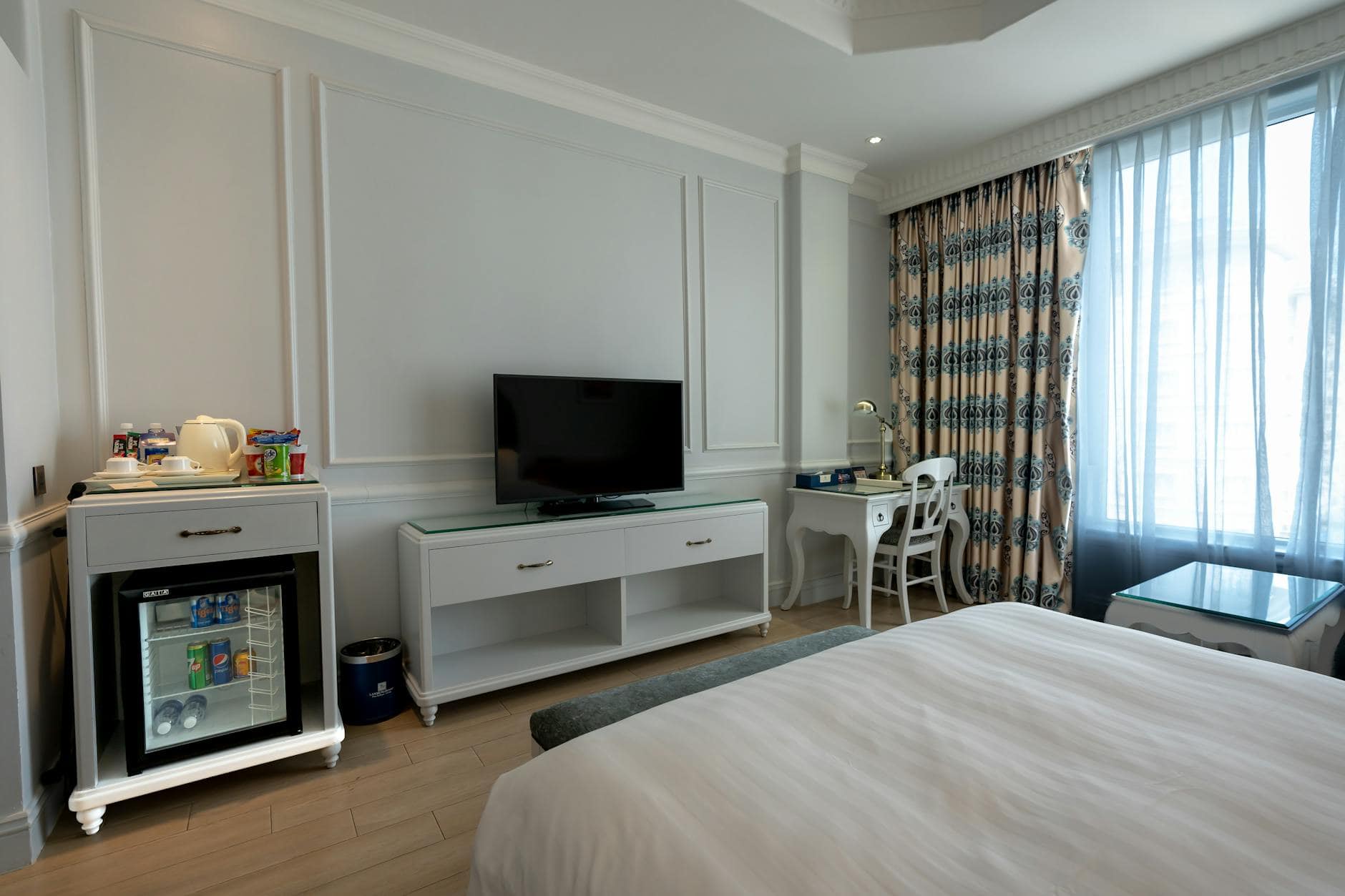
This is the area where American travelers most frequently end up in disputes — and most frequently lose.
The minibar charge that stings: Many hotels with automated minibars use weight sensors. Moving an item and then putting it back can trigger a charge. Some systems give you a 30-second window to return something before the charge is logged. Many guests don’t know this, pick something up to look at it, and get charged $8 for a bag of peanuts they didn’t eat.
The room damage charge that blindsides people:
- Stained duvet covers: If you spill red wine on a white duvet, that’s a replacement charge. These run $150–$400 at nicer properties.
- Towel damage from self-tanning products: Hotels are increasingly specific about this. The stains are distinctive, they don’t wash out, and the towel is gone.
- Broken hangers, damaged remotes, missing items: Hotels conduct inventory checks. The $15 charge for a missing TV remote might feel petty — but it’s also contractually valid.
- The incidentals hold itself: This is not a charge — it’s a temporary hold on your debit or credit card ranging from $50 to $200+ per night. On a debit card, this is real money that is locked and unavailable to you. Some travelers are caught genuinely unprepared by this.
Pool and Common Area Behavior That Gets You Noticed
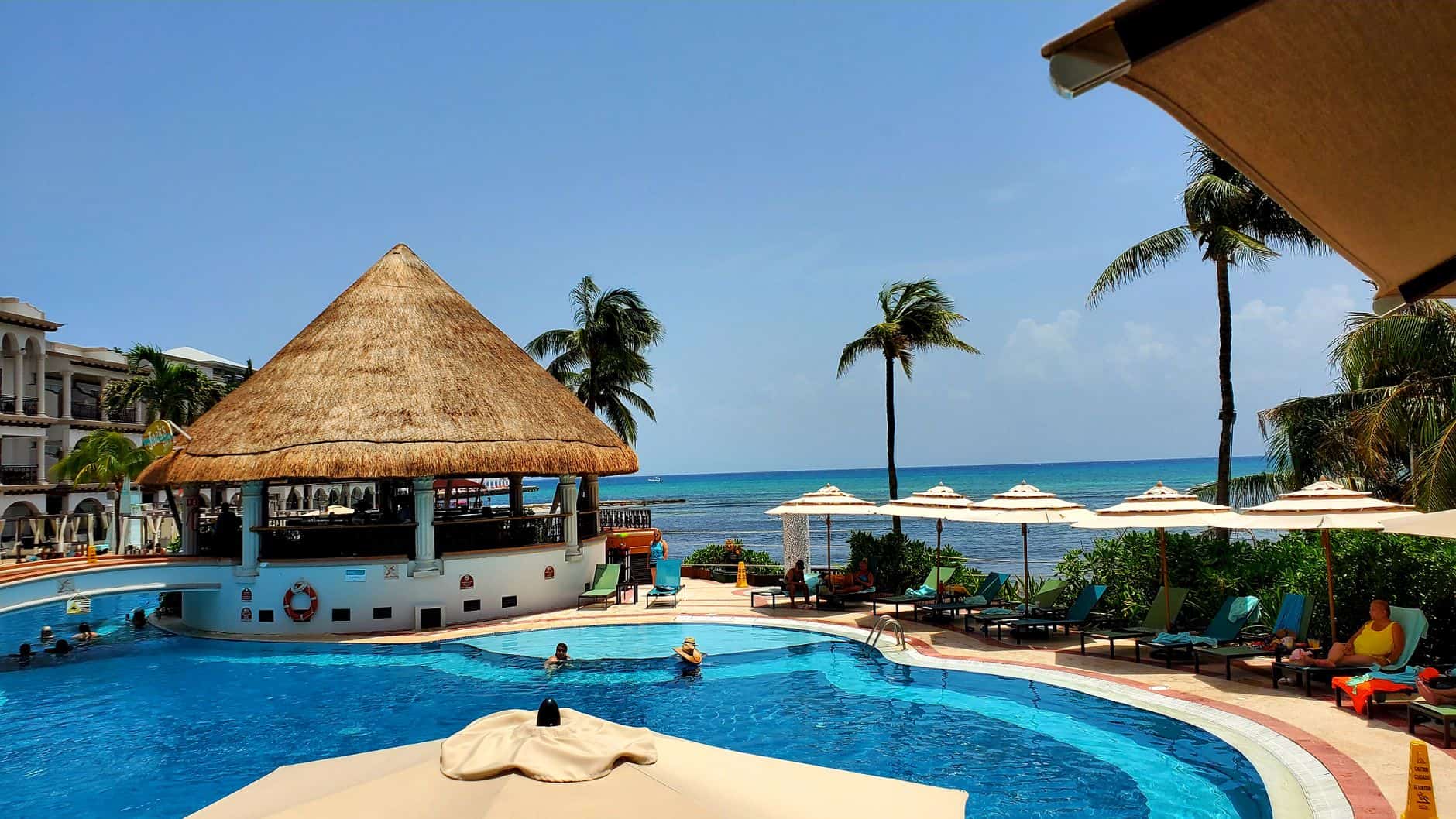
Hotel pools are where some of the most aggressive American tourist behavior happens, and staff at international properties specifically describe it as identifiably American.
Behaviors that generate incident reports:
- Reserving pool chairs with towels and then leaving for three or four hours — most hotels have policies allowing staff to remove items from unoccupied chairs after 30–60 minutes, and guests who argue about this are flagged
- Bringing outside alcohol to the pool area, which is a liability issue the hotel takes seriously because their liquor license and insurance depend on it
- Allowing children to use the adult pool in properties with clearly separated areas
- Volume levels that generate complaints from other guests — hotels track how many noise complaints originate from a single party
The Check-In and Check-Out Behaviors That Flag You Immediately
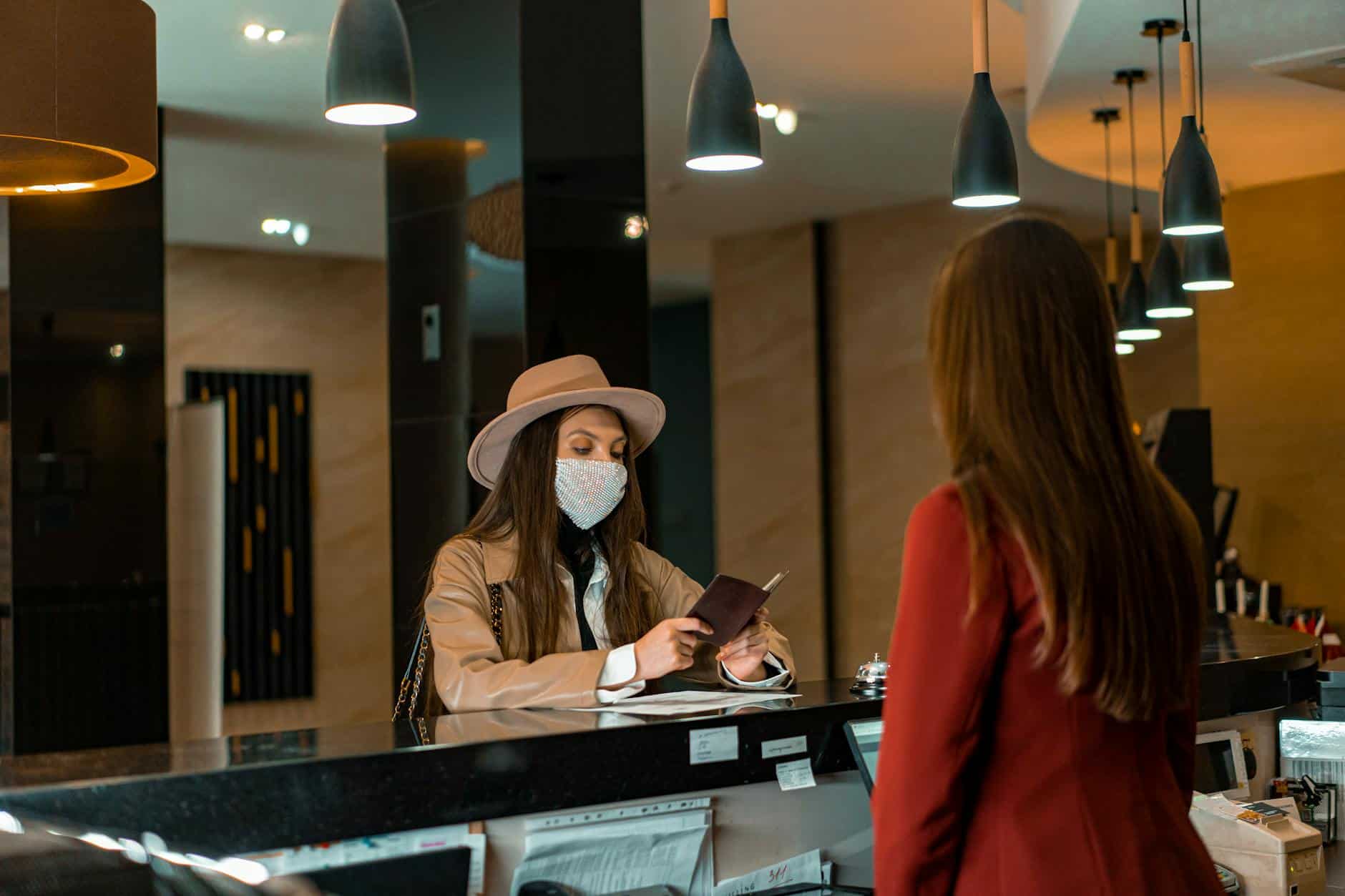
Front desk staff develop a read on guests within the first 90 seconds of an interaction. Certain behaviors immediately elevate your risk profile in their internal assessment:
- Demanding upgrades as an opening line: There’s a difference between asking politely if anything is available and announcing that you “always get upgraded” and expecting it as a given. The latter approach often results in the front desk finding that, in fact, nothing is available.
- Claiming elite status you don’t have: Loyalty program status is verified instantly in the system. Claiming Platinum status when you’re Silver doesn’t work and generates a note.
- Arriving aggressively early and refusing to wait: Check-in is 3pm for a reason — the room may literally not be clean yet. Guests who escalate over early check-in availability create a visible trail in the system.
- The pre-checkout complaint strategy: There is a subset of travelers who deliberately manufacture complaints near the end of their stay in hopes of a refund or points credit. Hotel managers have seen this pattern so many times they have a name for it internally at most chains. Frequent use of this approach is flagged.
How Hotels Handle Guests Who Won’t Leave
Overstaying your checkout time is one thing. Guests who actively refuse to leave — whether due to a dispute, intoxication, or deliberate choice — are a more serious situation.
Hotels have the legal right to remove guests who are trespassing (which you are, once your reservation has ended). The process typically involves:
- A formal request from management to vacate
- Security involvement if the request is not honored
- Local police, who can and do remove guests who are trespassing after checkout
At this point, your card is charged for any additional nights, damages, and potentially a cleaning fee. The incident is flagged. At chain hotels, this flag is visible system-wide.
What Hotel Staff Wish Every American Traveler Knew
I’ll end with this, because it’s genuinely useful if you travel frequently.
Hotel staff are not adversaries. The front desk agent who checks you in is working a difficult job that involves managing hundreds of people’s expectations simultaneously, often with limited authority to actually fix problems. The housekeeper cleaning your room is doing physically demanding work for wages that are, in most markets, significantly below what the work deserves.
The behaviors that correlate most strongly with excellent hotel experiences — faster service, better rooms, genuine helpfulness — are also the most basic:
- Greet staff by name when their badge is visible
- Say please and thank you like you mean it
- Leave the room in condition that shows you’re aware another human being has to clean it
- When something is wrong, describe the problem calmly — don’t perform outrage
- Tip housekeeping daily, not at the end of the stay (because it’s often different staff each day)
The guests who get the upgrades, the extra amenities, the genuine “we’ll make this right” energy when something goes wrong — they’re almost never the ones who demanded it. They’re the ones who treated the staff like people.
That’s the hotel behavior secret nobody posts about on travel forums.