Napa Has One Main Road and a Reservation Requirement. Sonoma Has Five Times the Land and Nobody Checking IDs at the Door.
We may earn money or products from the companies mentioned in this post. This means if you click on the link and purchase the item, I will receive a small commission at no extra cost to you ... you're just helping re-supply our family's travel fund.
Napa Valley and Sonoma County get lumped together constantly as “California wine country,” but the two regions differ enough in scale, culture, and visitor experience that treating them interchangeably sets up a genuinely different trip than most people expect. Napa County covers roughly 754 square miles concentrated around a single narrow valley; Sonoma County sprawls across more than 1,600 square miles and multiple distinct sub-regions, giving Sonoma over twice Napa’s land area and a correspondingly more spread-out, varied wine tourism landscape.
Why Napa Feels Like a Reservation and Sonoma Feels Like a Road Trip
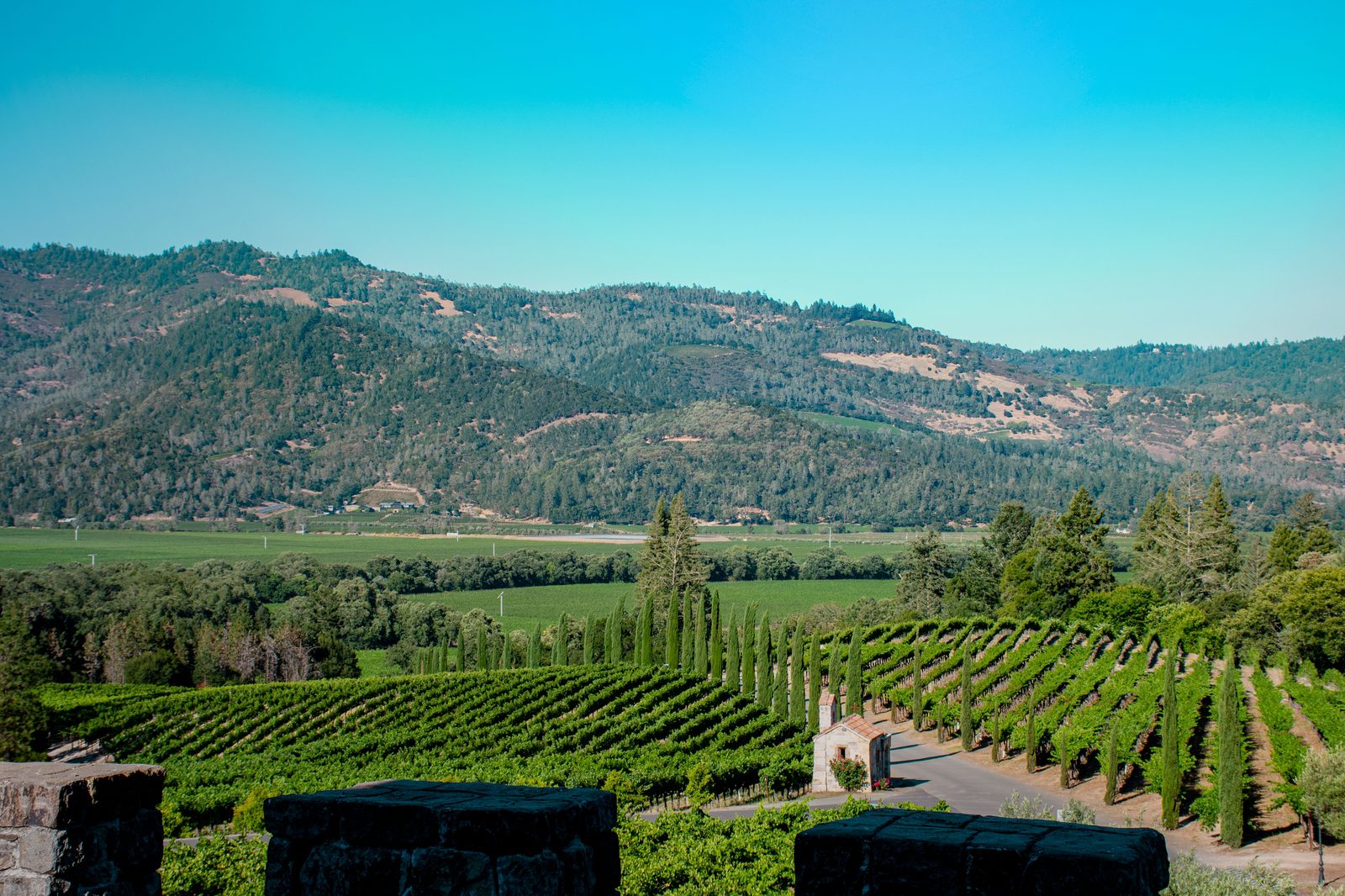
Napa’s roughly 400-plus wineries concentrate along a single main corridor, Highway 29, and its parallel Silverado Trail, creating a dense, tightly packed tasting circuit where advance reservations have become standard practice at most higher-profile wineries — a shift accelerated over the past decade as Napa’s tourism volume has grown and estates have moved toward appointment-only models to manage crowd flow (VinePair). Sonoma’s wineries spread across a much larger geographic footprint — the Russian River Valley, Dry Creek Valley, Alexander Valley, and the Sonoma Valley proper each have distinct characters — which means Sonoma’s tasting experience skews toward spontaneous, walk-in-friendly visits at smaller, often family-owned operations rather than Napa’s more formal, reservation-driven model.
What Actually Differs Beyond the Logistics
- Napa is dominated by Cabernet Sauvignon and commands significantly higher average tasting fees and bottle prices, reflecting decades of premium brand-building since its 1976 “Judgment of Paris” breakthrough
- Sonoma grows a more diverse range of varietals across its cooler coastal sub-regions, with Pinot Noir and Chardonnay from the Russian River Valley drawing particular acclaim
- Napa’s tourism infrastructure — hotels, restaurants, spas — is considerably more built out and expensive; Sonoma retains more of a working agricultural county feel alongside its wine tourism
- Sonoma County Tourism explicitly markets against Napa’s more polished image, positioning itself as the laid-back, less crowded alternative for visitors who want wine country without the reservation pressure (Sonoma County Tourism)
The Rivalry Locals Actually Talk About
Wine industry publications have long noted a one-sided quality to the rivalry: Sonoma vintners and tourism boards frequently position their region explicitly against Napa, while Napa’s own marketing rarely references Sonoma at all, a dynamic Wine Spectator has described directly, noting that Sonoma “seems to view Napa Valley as its prime competition” in a way Napa doesn’t reciprocate (Wine Spectator). That asymmetry reflects Napa’s stronger global brand recognition, built over decades of premium positioning, versus Sonoma’s ongoing effort to carve out recognition as a distinct, equally serious wine region rather than simply Napa’s more affordable neighbor.
How to Actually Plan a Trip Covering Both
The two regions sit close enough — roughly 25-45 minutes apart depending on the specific sub-region — that a single trip covering both is entirely realistic, and increasingly common advice among wine country travel writers is to split a multi-day trip with Sonoma for spontaneous exploration and lower costs, and a single reserved day in Napa for one or two marquee estates worth the advance planning. Trying to treat both regions with Napa’s reservation-heavy approach wastes Sonoma’s specific advantage, while trying to wing it in Napa the way you could in Sonoma often means getting turned away at wineries that have shifted entirely to appointment-only tastings.
What First-Time Wine Country Visitors Get Wrong
Visitors booking a single day trip covering both Napa and Sonoma routinely underestimate driving time between the regions’ more remote sub-appellations, ending up rushed at every stop rather than able to properly enjoy any single winery visit. Wine industry guides consistently recommend picking one region per day rather than attempting to combine both, given how differently each rewards a slower, less rushed pace — Napa’s reservation system in particular assumes visitors will spend a substantial block of time at each scheduled appointment rather than treating it as a quick stop.
Practical Notes for Planning Either Trip
- Napa’s peak season (September-October harvest) sees the highest prices and tightest reservation availability of the year
- Sonoma’s Russian River Valley runs noticeably cooler and foggier than inland Napa, worth knowing when packing for a visit
- Both regions are roughly 60-90 minutes from San Francisco depending on traffic and specific sub-region, making either accessible as a day trip from the city itself
The Bottom Line for Planning Either Trip
Napa and Sonoma aren’t interchangeable stops on the same wine country checklist — they’re two genuinely different travel experiences that happen to share a state line. Picking the one that matches how you actually want to spend the day matters more than picking the one with the bigger name.