America’s Most Visited National Park Has a 60% Disappointment Rate — Here’s Why the Smoky Mountains Break People’s Hearts
We may earn money or products from the companies mentioned in this post. This means if you click on the link and purchase the item, I will receive a small commission at no extra cost to you ... you're just helping re-supply our family's travel fund.
The Great Smoky Mountains National Park is, by every statistical measure, the most popular national park in the United States. In a typical year it attracts somewhere between 12 and 14 million visitors. That is more than Yellowstone and the Grand Canyon combined. The park is free to enter, requires no reservation for most activities, and sits within a day’s drive of a third of the American population.
And yet, if you spend any time in the travel forums and Facebook groups dedicated to American national park tourism, you will find a striking pattern: the Great Smokies generate more comments like “honestly kind of a letdown” and “not worth the traffic” and “I don’t get what all the fuss is about” than any other major park.
Something is going very wrong between expectation and experience. And it’s not the park’s fault.
Why 13 Million People Visit a Park That Frustrates So Many of Them
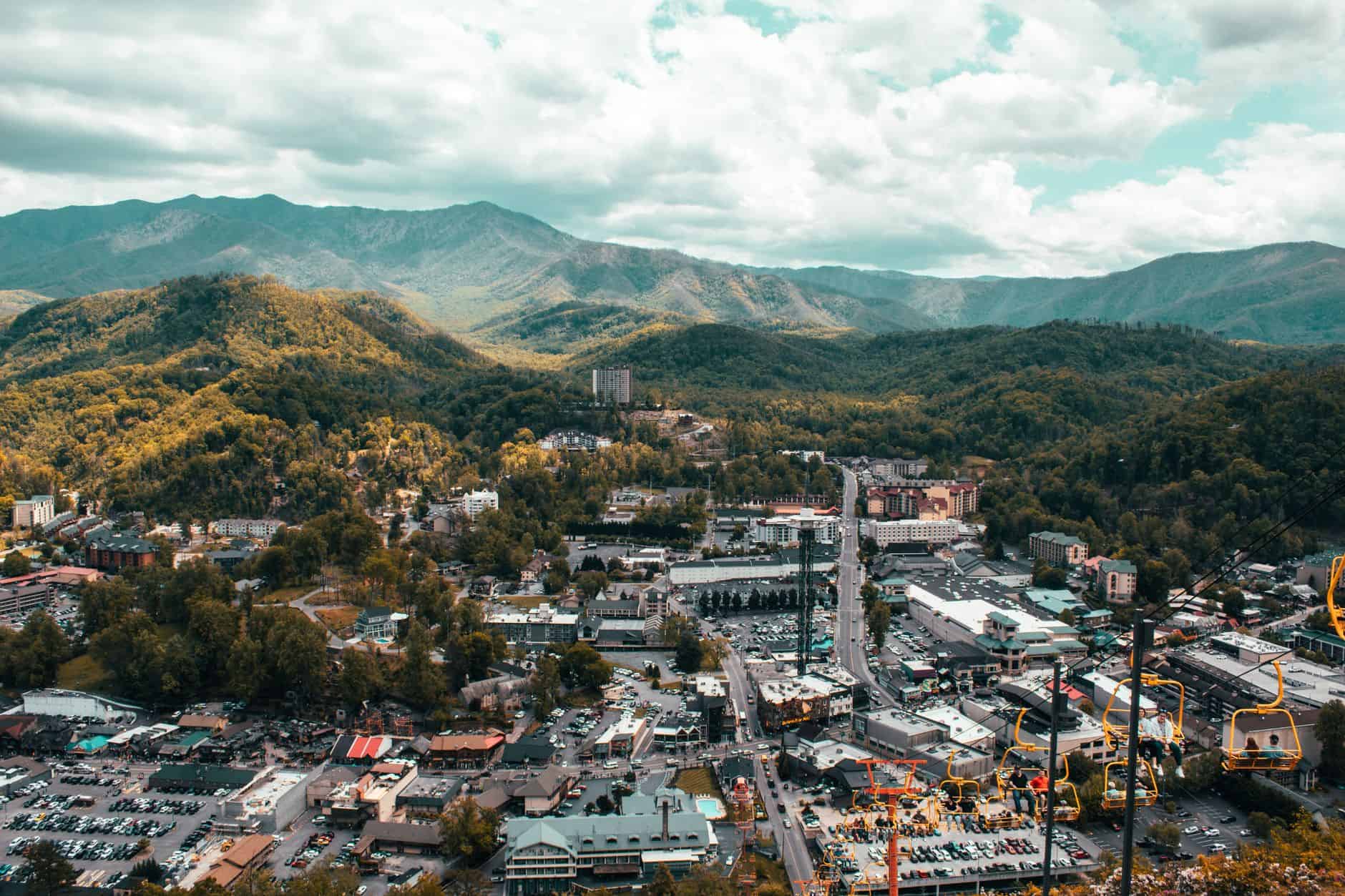
The Smokies have a marketing problem that isn’t really a marketing problem. The park is genuinely spectacular — 800 miles of trails, ancient forests, biological diversity that rivals anything in North America, stunning ridgeline views, waterfalls, historic Appalachian homesteads, and the highest peaks east of the Mississippi. In spring there are wildflower blooms. In fall the color display is genuinely world-class.
The problem is that almost none of this is visible from a car window on Newfound Gap Road at 11am on a Saturday in July.
And that is exactly what most people do. They drive up. They sit in traffic. They stop at the main overlooks. They see a pull-off full of other people pointing cameras at haze. They maybe spot a black bear that’s already surrounded by 40 other tourists. They stop in Gatlinburg on the way out. They leave having technically visited the most visited national park in America without experiencing anything that makes it worth visiting.
The Traffic Problem Is Worse Than Any Review Prepares You For
Gatlinburg, Tennessee sits at the main entrance to the park. On a peak summer or fall weekend, the traffic backing up into town can add 60 to 90 minutes to any trip into the park before you’ve even reached the entrance. Once inside, the main corridor — Newfound Gap Road, which runs from Gatlinburg to Cherokee, NC — is a two-lane mountain highway with no passing, frequent wildlife jams, and pull-offs that fill to capacity and close.
Cades Cove, the park’s most popular driving loop, famously operates on a first-come, first-served basis and regularly sees 10-mile backups from a single bear sighting. The loop road is 11 miles. In peak season, driving it can take three to four hours.
Parking at trailheads is genuinely competitive. The Alum Cave Trail parking lot — one of the most popular in the park — can be full by 8am on a weekend. Full, as in cars turning around and driving back out.
The park service has floated reservation systems, shuttle programs, and timed entry permits for years. Implementation has been slow, partial, and inconsistent. As of now, the park remains largely first-come, first-served — which means the people who plan around that reality have a fundamentally different experience than people who don’t.
What Most Visitors Actually Do vs. What the Park Has to Offer
Here is the honest breakdown of what most Smokies visitors actually experience:
- Drive Newfound Gap Road and stop at the main overlooks
- Visit Laurel Falls via the paved, heavily trafficked 2.6-mile trail
- Drive or attempt to drive Cades Cove
- Spend time in Gatlinburg or Pigeon Forge (technically outside the park)
- See the park primarily from a car window
Here is what the park actually contains:
- 800+ miles of hiking trails ranging from paved walks to backcountry multi-day routes
- Hundreds of miles of fly-fishing streams with wild trout populations
- The Appalachian Trail for 70+ miles through the park’s spine
- 16 fire tower sites, historic grist mills, and Appalachian homesteads
- Synchronous firefly events in June that have a reservation lottery
- Deep backcountry that sees a fraction of 1% of visitors
- Roaring Fork Motor Nature Trail — a one-way loop that’s dramatically less crowded than Cades Cove
The overlap between “what most people do” and “what makes this park worth visiting” is thin.
The Wildlife Experience That Almost Never Happens the Way You Imagine
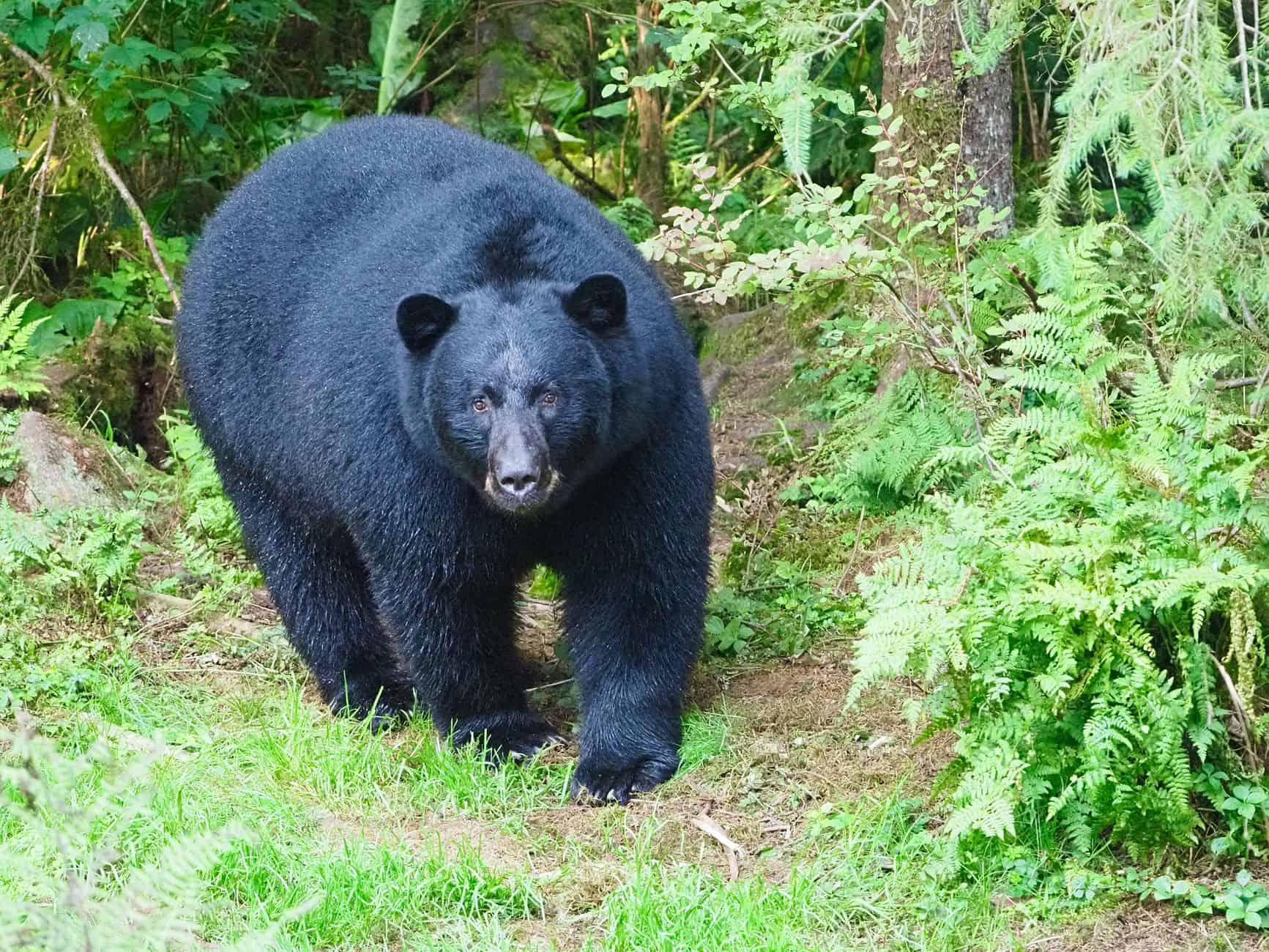
The Smokies have approximately 1,500 black bears. This sounds like a guaranteed encounter. It is not, and the misunderstanding is a significant source of disappointment.
Bears are wild animals with large territories and strong incentives to avoid humans — or at least, healthy bears do. The bears that tourists most commonly see are bears that have become habituated to humans, often near Cades Cove or along the roadside, and these encounters are frankly depressing: the bear surrounded by 40 people with camera phones, park rangers trying to manage the crowd, the bear eating from a ditch.
The people who have transcendent wildlife encounters in the Smokies are:
- On trail at dawn, before crowds arrive
- In backcountry areas away from the main corridors
- Patient — willing to sit and wait, not driving a loop looking
- Aware that deer, wild turkeys, otters, and red foxes are also in the park and are equally worth seeing
Why Cades Cove Became the Symbol of Everything Wrong With This Park
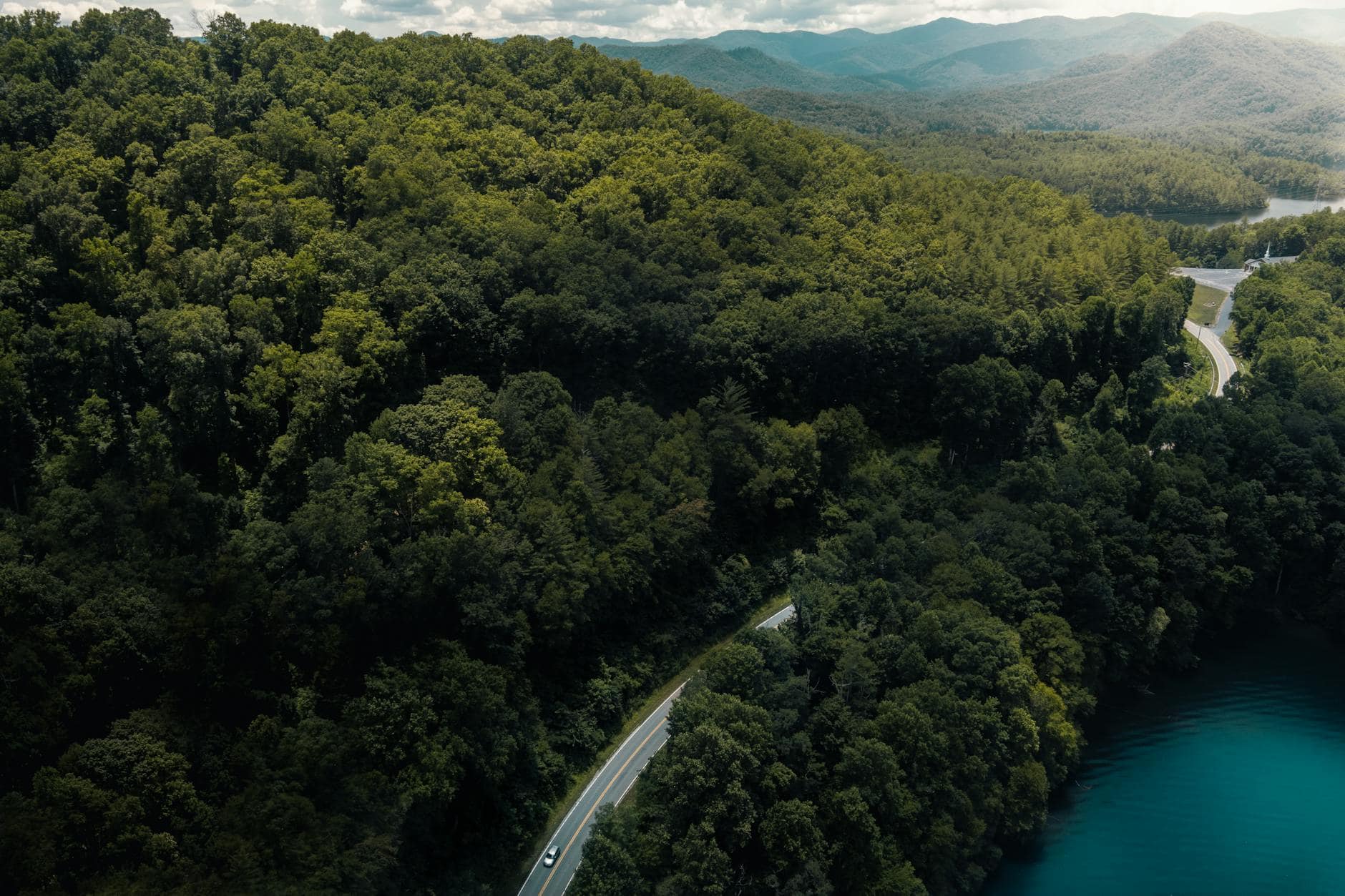
Cades Cove is a beautiful open valley with historic structures — barns, churches, grist mills — set against mountain backdrops. It is a legitimate treasure. It is also, on a fall weekend, something approaching purgatory.
The 11-mile one-way loop can take three to four hours when traffic backs up from bear sightings or when the sheer volume of cars reduces the road to a crawl. There is no exit. You cannot turn around. If you need to get out and the loop is full, you are simply in it until it ends.
This experience has launched a thousand “never again” posts. And yet Cades Cove on a weekday morning in May, when it opens at dawn, is a completely different experience — mist rising from the valley, deer moving in the meadow, almost no other cars. The place isn’t the problem. The timing is.
What the People Who Love the Smokies Are Doing Differently
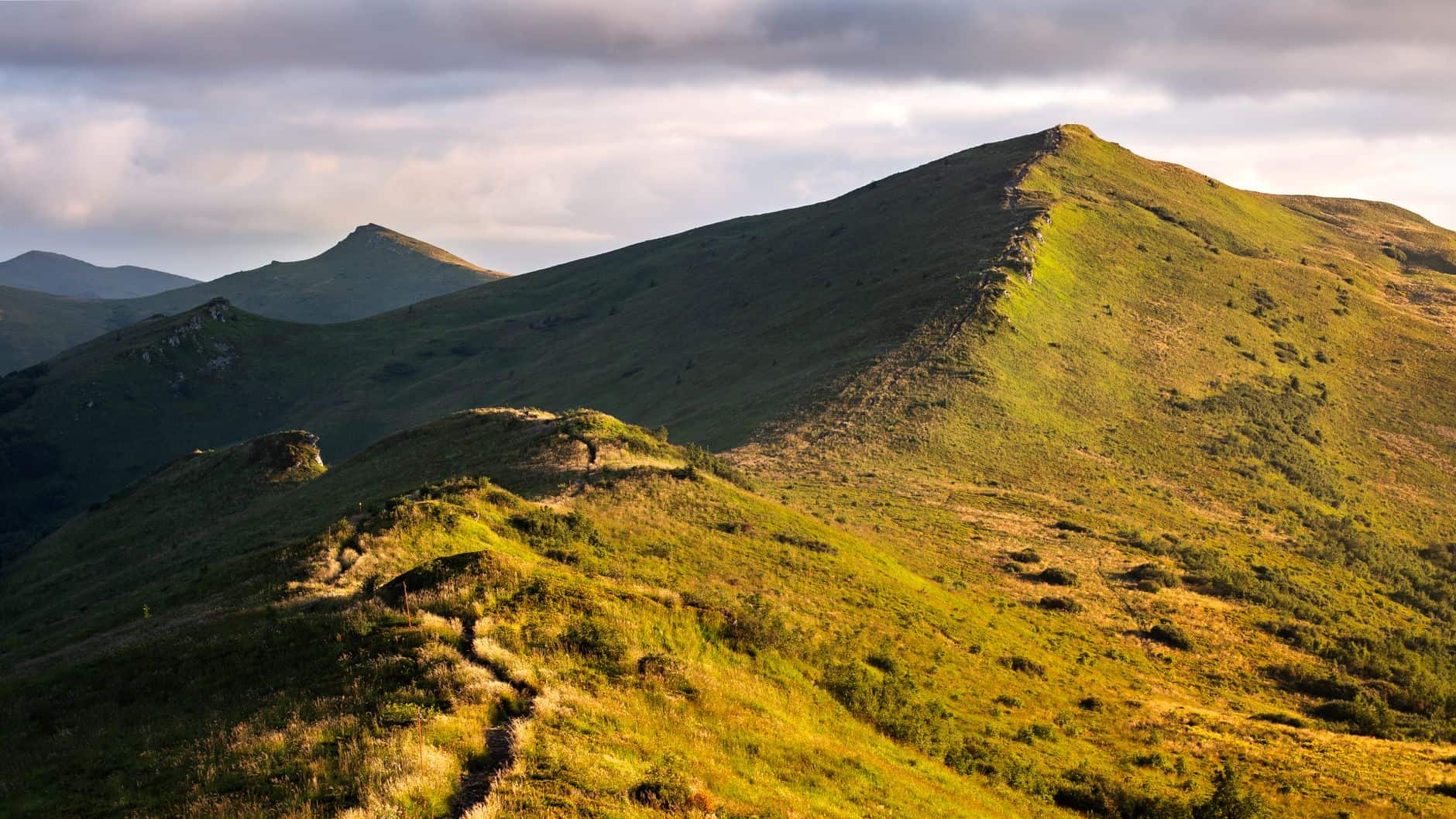
I’ve read hundreds of trip reports from visitors who describe the Smokies as among the most beautiful places they’ve ever experienced. The pattern in their reports is almost identical every time:
- They stay inside or at the edge of the park, not in Gatlinburg or Pigeon Forge. LeConte Lodge (accessible only by a 5+ mile hike), Elkmont Campground, and the park’s backcountry shelters offer a radically different experience than a hotel strip mall 8 miles from the entrance.
- They’re moving before 7am. Parking lots are open, trails are empty, the light is extraordinary, and wildlife is active. By the time the 10am crowd arrives, they’ve already hiked four miles and watched the fog burn off the ridgeline.
- They hike trails most people skip. The Ramsey Cascades trail, the Charlies Bunion hike, the Rich Mountain Loop — these trails are in the same park as the overcrowded paved paths and they see a fraction of the foot traffic.
- They avoid summer weekends entirely. Late April through early June is wildflower season with lighter crowds. October weekdays for fall color are dramatically more enjoyable than fall weekends.
- They use the Oconaluftee entrance near Cherokee, NC, which is consistently less crowded than the Gatlinburg entrance and just as scenic.
The Itinerary That Actually Works
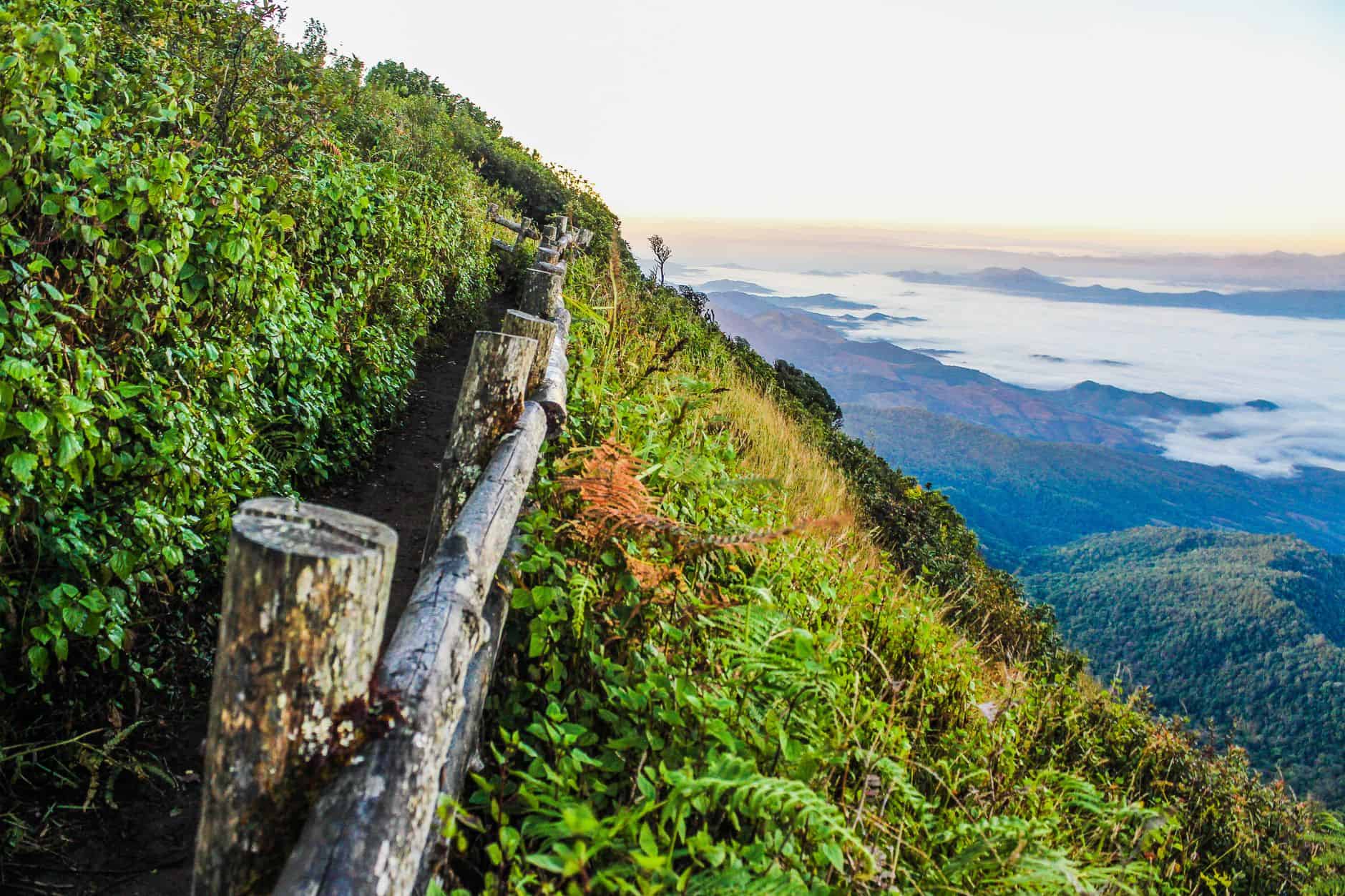
If you want to actually love the Smokies, here is a framework:
- Day 1, arrive evening: Set up camp at a park campground or check into lodging near the Cherokee entrance. This positions you for an early start.
- Day 2, 6am: Drive Cades Cove at opening. Mist, deer, almost no other cars. Back out by 9am before the crowds build. Afternoon: Laurel Falls while everyone is still eating breakfast.
- Day 3: Charlies Bunion via the Appalachian Trail out of Newfound Gap. 8 miles round trip, significant elevation, views that will recalibrate your expectations of this park entirely.
- Day 4: Roaring Fork Motor Nature Trail in the morning (far less crowded than Cades Cove), then Alum Cave Trail if you start before 8am.
One More Thing Nobody Tells You About Visiting in Fall
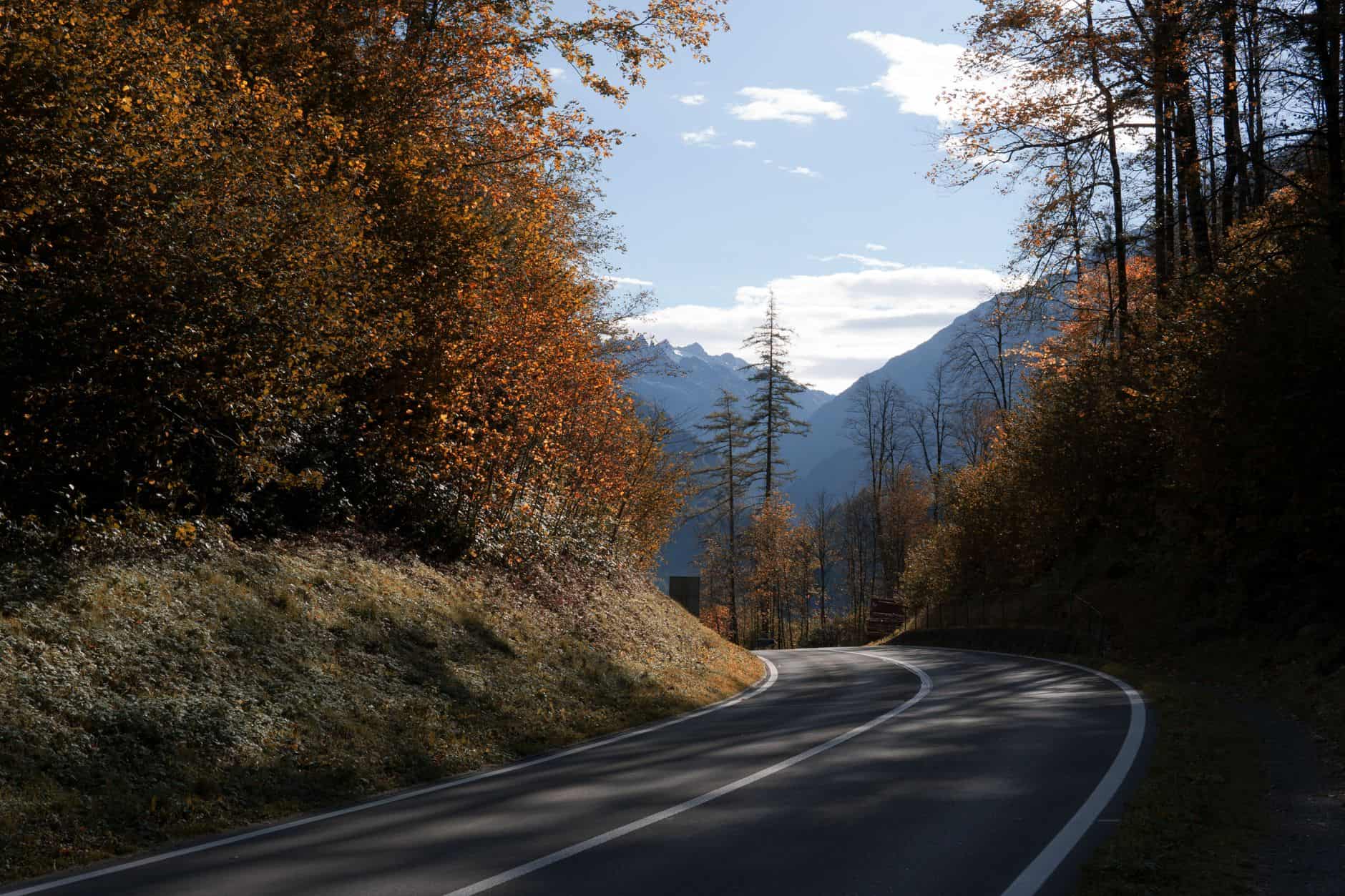
Fall foliage in the Smokies is real and it is stunning. But it peaks at different elevations at different times — high elevation color typically peaks in mid-October while lower elevations peak late October into early November.
Most visitors plan around a single weekend and either get the color or they don’t. The people who experience the full spectacle:
- Check the park service’s weekly color updates
- Plan to hike to higher elevations early in October for peak high-country color
- Return to lower elevations in late October for valley color
- Absolutely, unconditionally, visit on a weekday if any flexibility exists
The Great Smoky Mountains deserve better than the experience most of their 13 million annual visitors have. The park is genuinely magnificent. The problem is almost always timing, planning, and the gap between what people expect from a car window and what the park actually offers to the people willing to walk into it.