The Lakes Midwesterners Have Been Protecting From the Rest of the Country for Decades
We may earn money or products from the companies mentioned in this post. This means if you click on the link and purchase the item, I will receive a small commission at no extra cost to you ... you're just helping re-supply our family's travel fund.
Ask someone from Minneapolis, Des Moines, or Milwaukee about their favorite lake and watch them hesitate before answering. There’s an unwritten rule across the Midwest that the best lakes stay word-of-mouth, passed down through families instead of travel blogs. Here are the ones that keep coming up anyway.
The Iowa Great Lakes: West Okoboji and Spirit Lake
Tucked into the far northwest corner of Iowa, barely below the Minnesota border, West Lake Okoboji is a genuinely glacier-carved lake with water clarity that regularly gets compared to Lake Tahoe. It’s spring-fed and reaches depths of 134 feet, which is unusual for a natural Midwest lake. Right next to it sits Spirit Lake, Iowa’s largest natural lake, quieter and more residential, favored by locals for fishing over the tourist bustle of Okoboji proper.
More than a million people visit the Iowa Great Lakes region annually, centered around the towns of Arnolds Park, Okoboji, Milford, and Spirit Lake. The Arnolds Park Amusement Park, dating back over 125 years, anchors the area with a historic wooden roller coaster and a genuine boardwalk feel that draws multi-generational families back summer after summer.
- West Lake Okoboji, Iowa: spring-fed, 134 feet deep, exceptional water clarity
- Spirit Lake, Iowa: the state’s largest natural lake, favored by anglers
- Lake Geneva, Wisconsin: a historic resort lake once home to Gilded Age mansions
- Lake Vermilion, Minnesota: a sprawling, forested lake in the Boundary Waters region
- Door County’s shoreline lakes, Wisconsin: quieter alternatives to the peninsula’s famous coastline
Lake Geneva, Wisconsin
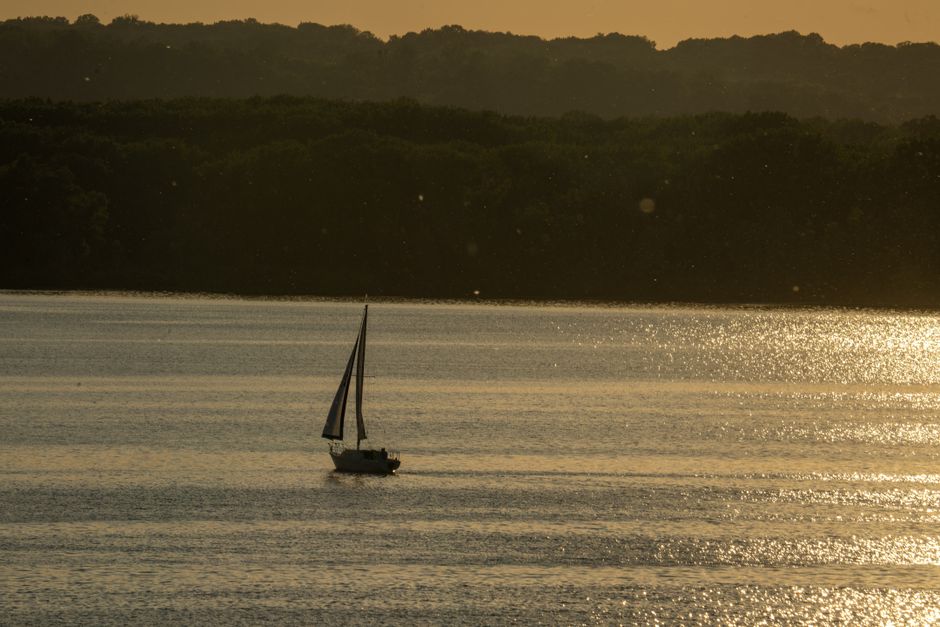
Lake Geneva earned the nickname “Newport of the West” in the late 1800s, when wealthy Chicago industrialists built massive summer estates along its shoreline. Many of those mansions still stand, visible from the lake’s famous 21-mile Shore Path, a public walking trail that cuts directly through what would otherwise be exclusive private property. It’s one of the only places in the country where the public can walk right past nine-figure lakefront estates for free.
Unlike some of the more commercialized Wisconsin Dells-style destinations, Lake Geneva has kept a genuinely upscale but low-key character, with clear water, a walkable downtown, and boat tours that explain the history of the estates as you pass them.
Lake Vermilion, Minnesota
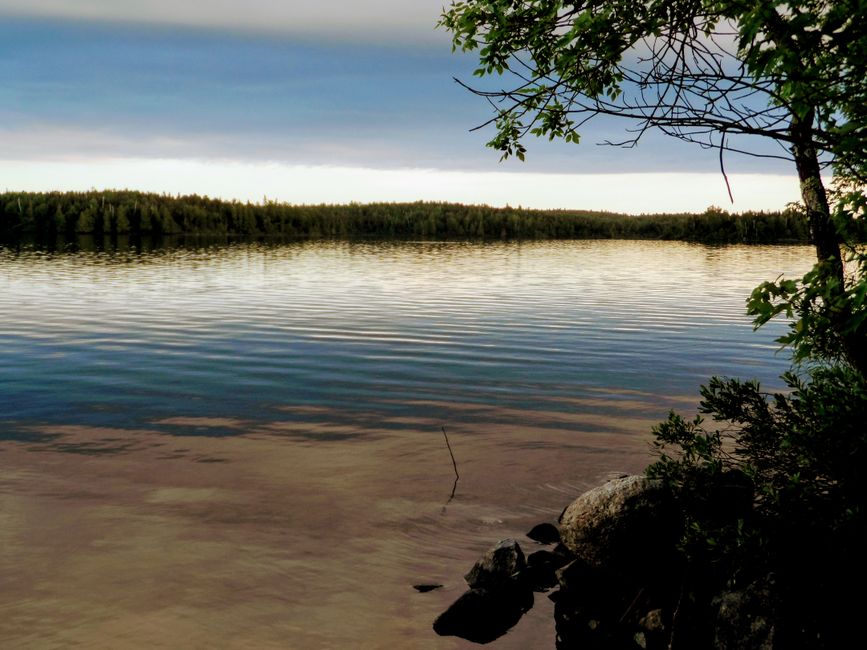
Up near the Boundary Waters Canoe Area, Lake Vermilion sprawls across more than 40,000 acres with an almost absurd 1,200 miles of shoreline, thanks to its heavily fingered, island-dotted shape. It’s far enough north that it avoids the crowds that hit Minnesota’s more central lakes, and it’s become a favorite specifically because it still feels remote even though it has real infrastructure, including resorts, marinas, and a state park along its southern edge.
Why Locals Guard These Spots
Part of the secrecy is practical. Many of these lakes have finite capacity in terms of marina space, rental cabins, and parking, and locals genuinely worry that national attention would overwhelm the infrastructure that makes these places pleasant in the first place. Part of it is cultural. Midwestern lake culture is intensely generational, with the same families returning to the same cabins for decades, and there’s a real protectiveness over keeping that feeling intact.
None of these lakes are secret in the sense of being unknown. Regional visitors already know all of them well. What they’re protected from is the kind of viral discovery that turns a quiet regional lake into an overrun destination within a single summer.
Getting There Without Ruining It
If you go, the unwritten etiquette is simple: rent local, eat local, and don’t treat the lake like a photo backdrop. These towns depend on repeat regional visitors more than one-time tourists, and the businesses that support the fishing guides, marinas, and small restaurants are built around that steady, respectful rhythm rather than viral spikes in traffic.
Smaller Lakes Worth Knowing
Beyond the headline lakes, the Midwest is dotted with smaller regional favorites that rarely make national lists at all. Wisconsin’s Chain O’Lakes near Waupaca links 22 individual lakes through connecting channels, creating a boating network unlike almost anywhere else in the country. Minnesota’s Gull Lake, near Brainerd, has built a reputation as a resort-heavy but still relatively low-key alternative to the more crowded lakes closer to the Twin Cities.
The Economics of Lake Town Tourism
These lake economies depend heavily on a compressed summer season, often just Memorial Day through Labor Day, to generate the bulk of annual revenue for marinas, restaurants, and rental properties. That compression is part of why locals are protective of overexposure: a single viral summer of overwhelming visitor traffic could permanently damage the infrastructure and experience that took decades of steady, sustainable tourism to build.
Ice Fishing Season Changes Everything
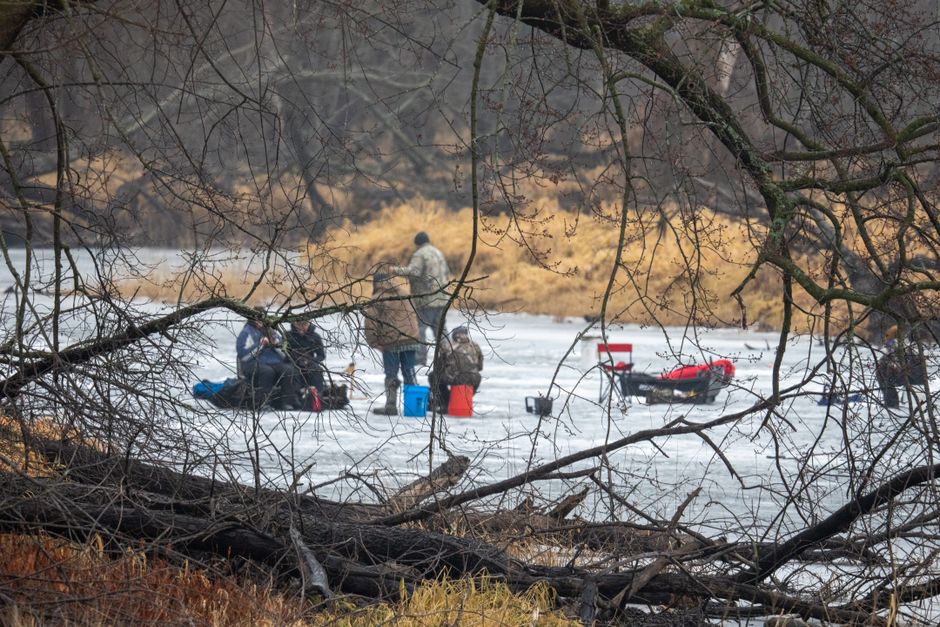
What outsiders often don’t realize is that many of these same lakes have a second, entirely different tourist season built around ice fishing once temperatures drop enough to freeze the surface safely. Entire temporary villages of ice fishing houses appear on lakes like Mille Lacs in Minnesota and parts of the Iowa Great Lakes region, drawing a dedicated winter visitor base that’s just as loyal, if smaller, than the summer boating crowd.
The Real Appeal
What separates these lakes from more commercialized destinations isn’t natural beauty alone, plenty of American lakes are beautiful. It’s the multi-generational continuity: the same families returning to the same cabins, the same bait shops staffed by people who’ve worked there for decades, and a sense of place that commercial development tends to erode wherever it takes hold.
The Long View
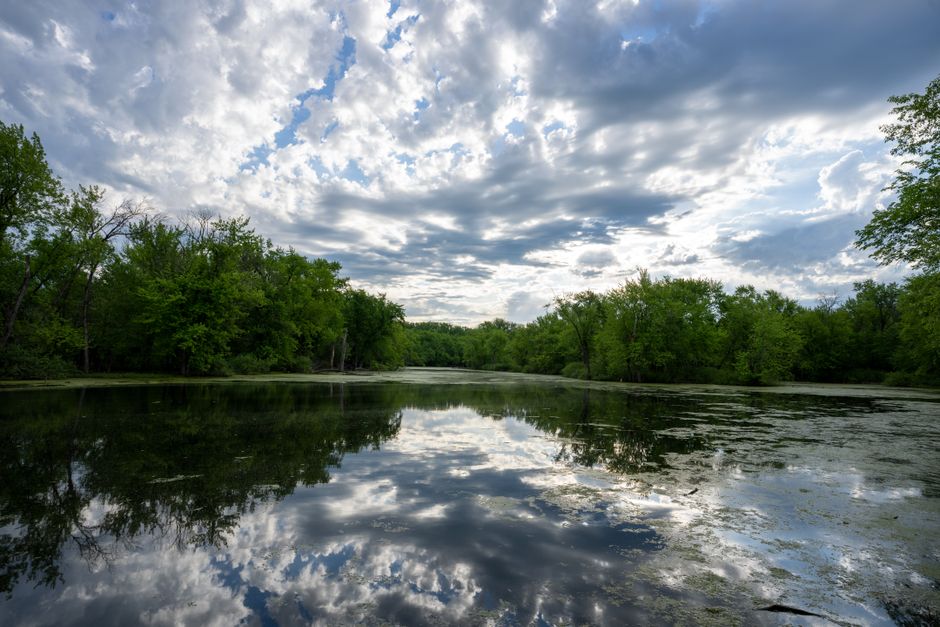
These lakes have survived decades of shifting American vacation trends by staying exactly what they’ve always been: unglamorous, reliable, and built around the same families returning summer after summer. That kind of continuity is increasingly rare in American travel, and it’s worth protecting, whether or not the rest of the country ever finds out how good the fishing really is.
Regional tourism boards in Iowa, Minnesota, and Wisconsin have generally resisted large-scale national marketing campaigns for their lake regions, another sign of how deliberately low-key this corner of the travel industry has chosen to remain, even as neighboring states pour marketing dollars into promoting their own outdoor attractions to a national audience.