Asheville Keeps Winning ‘Best Places to Live’ Lists. Locals Aren’t So Sure Anymore
We may earn money or products from the companies mentioned in this post. This means if you click on the link and purchase the item, I will receive a small commission at no extra cost to you ... you're just helping re-supply our family's travel fund.
Asheville, North Carolina shows up on nearly every “best places to live” list published in the last decade, from retirement rankings to best-for-young-professionals lists to best food scene rankings. It’s been ranked in the top 20 nationally by U.S. News & World Report in recent years, though its exact position shifts as the methodology and competition change. The question worth asking isn’t whether Asheville is popular. It’s whether the hype actually matches the reality on the ground.
The Case For Asheville

Asheville sits in a genuinely stunning setting, tucked into the Blue Ridge Mountains with the Biltmore Estate, the French Broad River, and hiking access that most cities can’t touch. It’s also built one of the most disproportionately large food and brewery scenes for a city its size, drawing comparisons to Portland’s culinary reputation but at a fraction of the population.
The city’s downtown has a genuinely walkable arts district, a strong live music culture, and a reputation for openness and eccentricity that draws a specific kind of transplant: creative professionals, remote workers, and retirees looking for scenery without the price tag of the Rockies or coastal towns.
- More breweries per capita than almost any other U.S. city of comparable size
- Direct access to the Blue Ridge Parkway and Pisgah National Forest
- A downtown arts district with a genuinely walkable core
- A four-season climate milder than most of Appalachia
- Consistent national rankings for retirement and lifestyle livability
Where the Rankings Get Complicated

Recent U.S. News rankings actually placed Asheville lower than in prior years, at 648th nationally in one recent list, a sharp contrast to the top-20 placements the city earned just a couple years earlier. Part of that shift reflects methodology changes, but part of it reflects real strain: Hurricane Helene caused catastrophic flooding and infrastructure damage in the region, and recovery has been uneven, with some tourism-dependent businesses still rebuilding.
Housing affordability is the other place the rankings and reality diverge hardest. Asheville’s cost of living has climbed well above the North Carolina average, driven largely by tourism demand and short-term rental conversion, which has pulled long-term housing stock out of the market and pushed prices up for the people who actually live there year-round.
Is the Hype Earned?

For visitors, yes, almost without qualification. The scenery, food, and culture deliver on the reputation in a way a lot of hyped destinations don’t. For people considering a move, it’s more complicated. Wages in the Asheville metro haven’t kept pace with the cost of living increases driven by tourism and relocation demand, creating a gap that longtime residents describe with real frustration.
The Local Perspective
Ask people who’ve lived in Asheville for fifteen or twenty years and you’ll hear a common refrain: the city they moved to and the city being marketed today are not quite the same place. Traffic has increased, short-term rentals have reshaped entire neighborhoods, and the small-town intimacy that used to define the place has thinned out in the most popular districts.
The Honest Verdict

Asheville earned its reputation the hard way, by actually building a scene worth visiting rather than manufacturing one for marketing purposes. But like most places that show up constantly on best-of lists, the version being sold to newcomers is increasingly expensive to actually live inside. It’s a spectacular place to visit repeatedly. Whether it’s still an easy place to build a life depends heavily on what you do for work and how much you’re willing to pay for mountain views.
The Short-Term Rental Fight
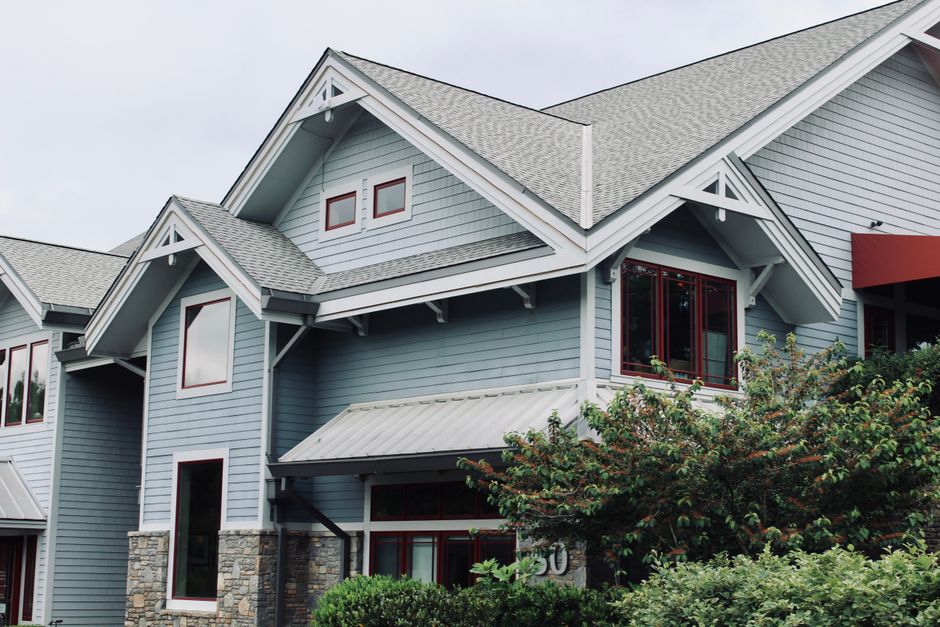
Few issues have divided Asheville locals more than short-term rentals. As platforms made it easy to convert long-term housing into vacation rentals, entire blocks in some neighborhoods shifted from residential communities to a rotating cast of weekend visitors. The city has debated various regulatory approaches for years, caught between a tourism economy that depends on visitor spending and a housing crisis that residents increasingly blame directly on rental conversion.
How Helene Changed the Conversation

Hurricane Helene’s flooding in the River Arts District and along the French Broad River caused damage that will take years to fully address, and it shifted local conversation away from growth management and toward basic resilience. Businesses that anchored the arts district’s identity had to rebuild from scratch, and some residents who’d already been priced out by rising costs found the disaster was the final push toward leaving the region entirely.
What Asheville Still Gets Right

None of this erases the genuine strengths that built the city’s reputation in the first place. The farm-to-table restaurant scene remains one of the most sophisticated for a city of its size anywhere in the South, the brewery density continues to draw beer tourism specifically, and the surrounding natural beauty hasn’t gone anywhere. The gap between reputation and reality isn’t about the experience visitors have. It’s about whether that experience remains financially sustainable for the people who actually live there year-round, which is a very different question than the one most best-of lists are designed to answer.
The Long View

Asheville’s next chapter will be shaped less by national rankings and more by how the region recovers from Helene and whether local policy can meaningfully address the housing pressure that tourism and short-term rentals have created. The scenery and the food scene aren’t going anywhere. Whether the city remains livable for the people who aren’t visiting is the more uncertain question.
It’s also worth noting how quickly rankings can shift based on methodology alone. A city that drops from top-20 to position 648 in a single year didn’t actually change that dramatically in twelve months; the criteria used by different publications weight cost of living, crime, healthcare access, and climate very differently, which is exactly why relying on any single list to make a moving decision is a risky approach in the first place.
For prospective residents, the smartest approach is treating any national ranking as a starting point for research rather than a final verdict, then spending real time in the specific neighborhoods and job sectors relevant to an actual move, since the version of Asheville that shows up in a magazine spread and the version a new resident experiences during their first tax season can look surprisingly different.