The Gulf Coast Towns That Never Got the Memo It’s Not 1985 Anymore
We may earn money or products from the companies mentioned in this post. This means if you click on the link and purchase the item, I will receive a small commission at no extra cost to you ... you're just helping re-supply our family's travel fund.
Somewhere between the high-rise condos of Destin and the crowds of Gulf Shores, a handful of small towns along the Gulf Coast never got the memo that beach vacations were supposed to get bigger, louder, and more expensive. They still look, sound, and move like it’s 1985, and that’s exactly why people keep going back.
Dauphin Island, Alabama
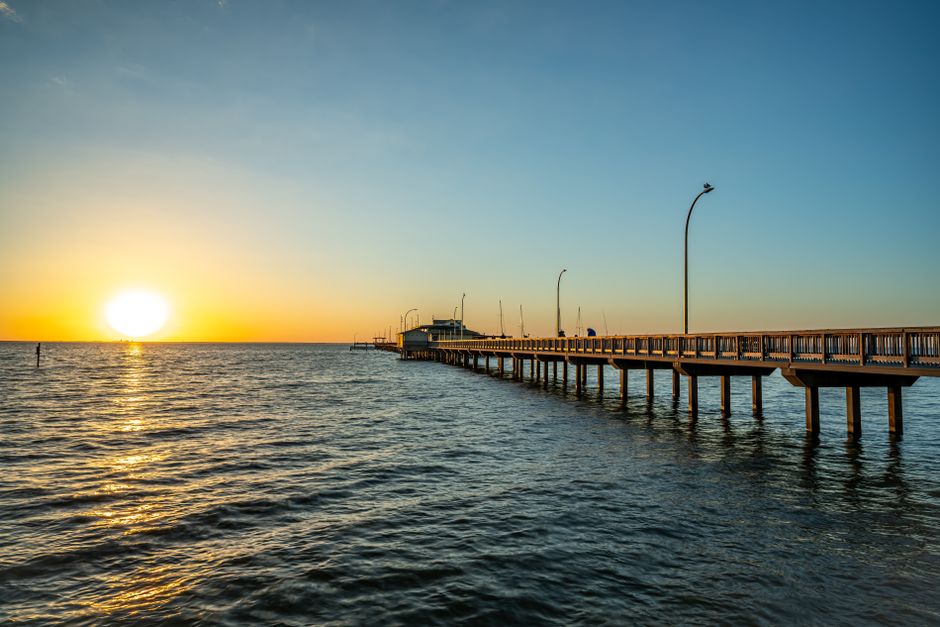
Dauphin Island sits at the mouth of Mobile Bay, connected to the mainland by a single bridge, and it has resisted the high-rise development that transformed most of the Alabama and Florida coastline. Houses here are mostly older beach cottages on stilts, many of them family-owned for generations, and the main strip has more bait shops than boutiques.
There’s no boardwalk, no water park, no chain hotels crowding the shoreline. What you get instead is a bird sanctuary, an actual working fishing pier, and a beach that’s rarely crowded even in peak summer. It’s the kind of place where the biggest weekend event is a fishing rodeo, not a music festival.
Cedar Key, Florida
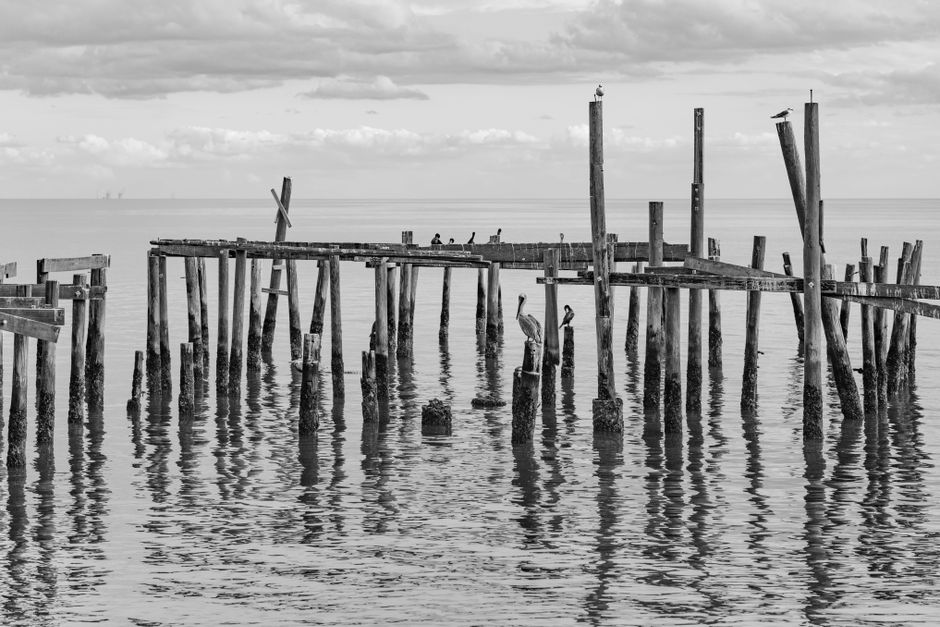
Cedar Key sits on the Gulf side of Florida’s Big Bend, a part of the state most tourists skip entirely because there’s no interstate running straight to it. That isolation is the whole point. The town’s economy still runs partly on clam farming, and the historic downtown of wooden buildings on stilts looks almost unchanged from old postcards.
There are no massive resorts here, mostly small inns and a scattering of vacation rentals. Restaurants serve fresh clams and mullet instead of the tourist-trap seafood towers found further south. It’s often described as what Key West looked like before Key West became Key West.
Apalachicola, Florida
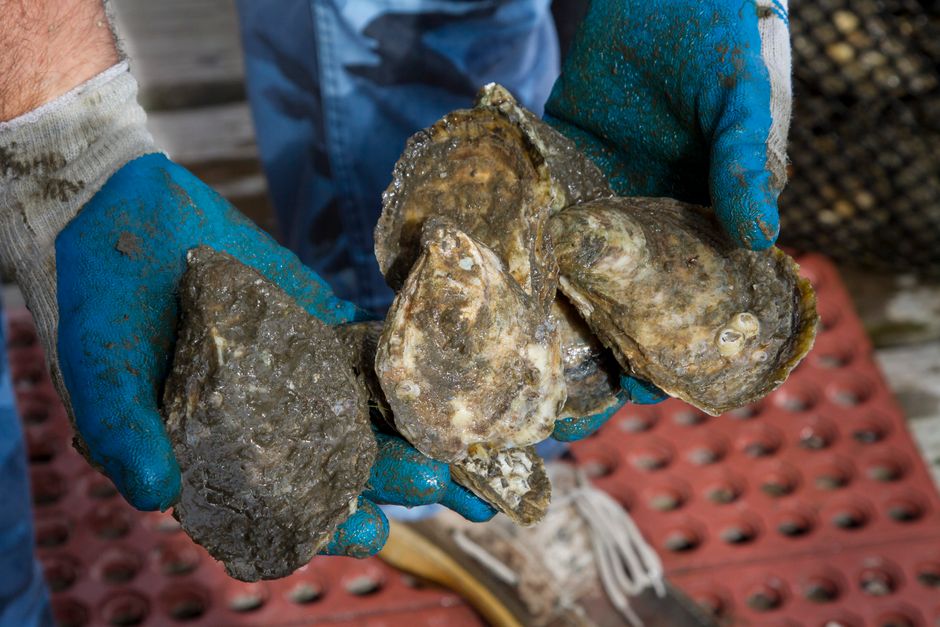
Apalachicola built its identity on oysters long before tourism, and it still feels like a working town first, a vacation spot second. The downtown historic district has preserved 19th-century architecture, and the working waterfront still has actual shrimp boats docking, not just decorative ones for photos.
- Dauphin Island, Alabama: family cottages, a bird sanctuary, and no chain hotels on the beach
- Cedar Key, Florida: an old fishing village economy still built on clams, reached without an interstate
- Apalachicola, Florida: a working oyster town with a preserved 19th-century downtown
- Bay St. Louis, Mississippi: rebuilt after Katrina with small galleries and a walkable old town
- Port Aransas, Texas: a laid-back island town without Gulf Shores-style high-rises
Bay St. Louis, Mississippi
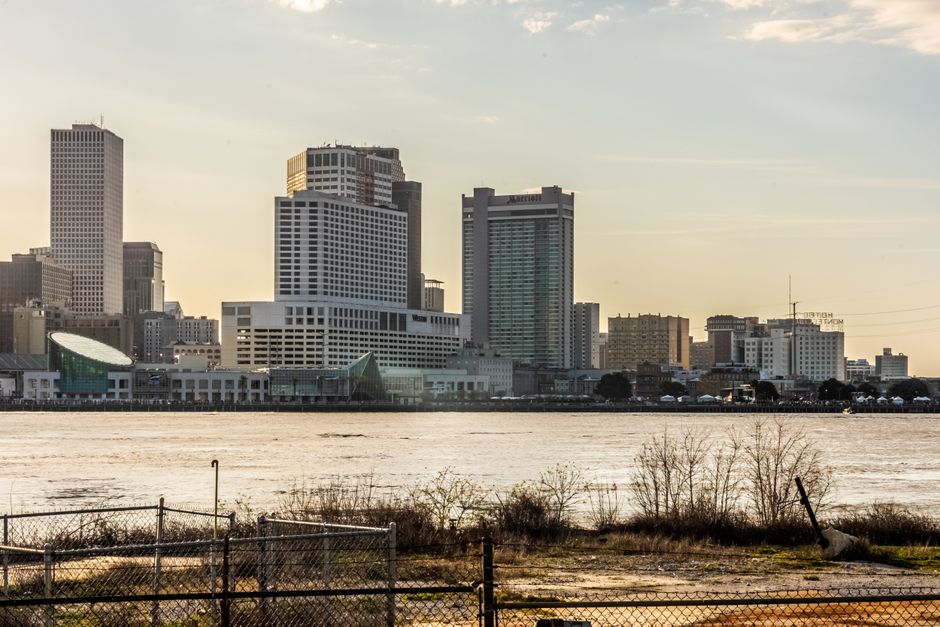
Bay St. Louis was devastated by Hurricane Katrina, and its rebuild deliberately avoided the high-density model chosen by some other Gulf towns. The historic Old Town area now has a walkable strip of galleries, a train depot turned into a community hub, and beaches that stay quiet even on holiday weekends because the town simply never built the infrastructure to handle mass tourism.
Why These Towns Stayed Frozen in Time
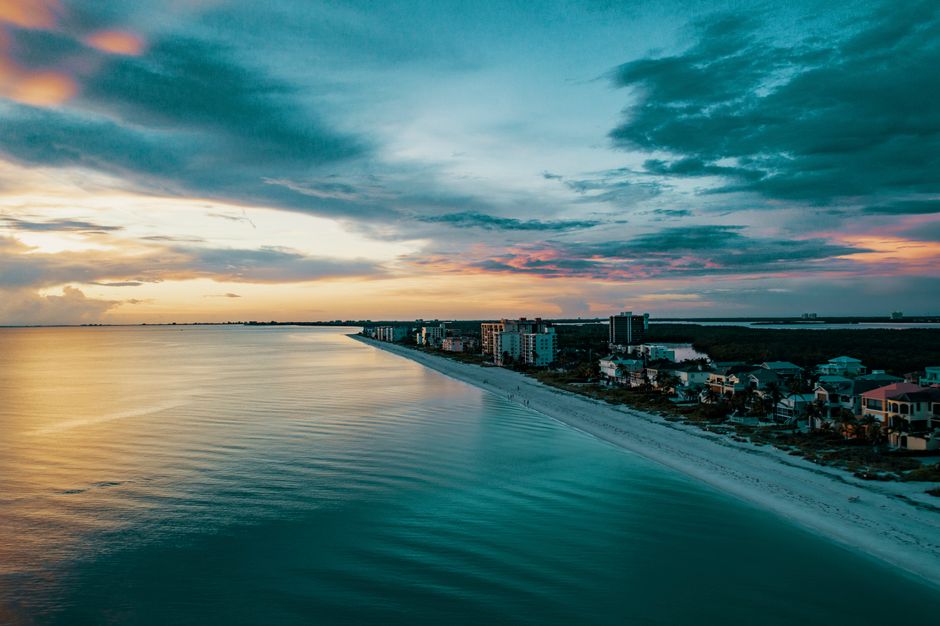
The common thread across all of these towns is geographic isolation from major interstates and airports. Destin, Gulf Shores, and Panama City Beach all sit within easy reach of major highways, which made large-scale resort development financially viable. Places like Cedar Key and Dauphin Island require a deliberate detour, and that friction has kept large developers away for decades.
Local zoning has also played a role. Several of these towns have height restrictions on new construction specifically designed to prevent the condo-tower model that reshaped the rest of the coastline. Residents in these communities have fought, sometimes for decades, against proposals that would bring in the kind of development seen thirty miles down the road.
What to Actually Expect If You Go
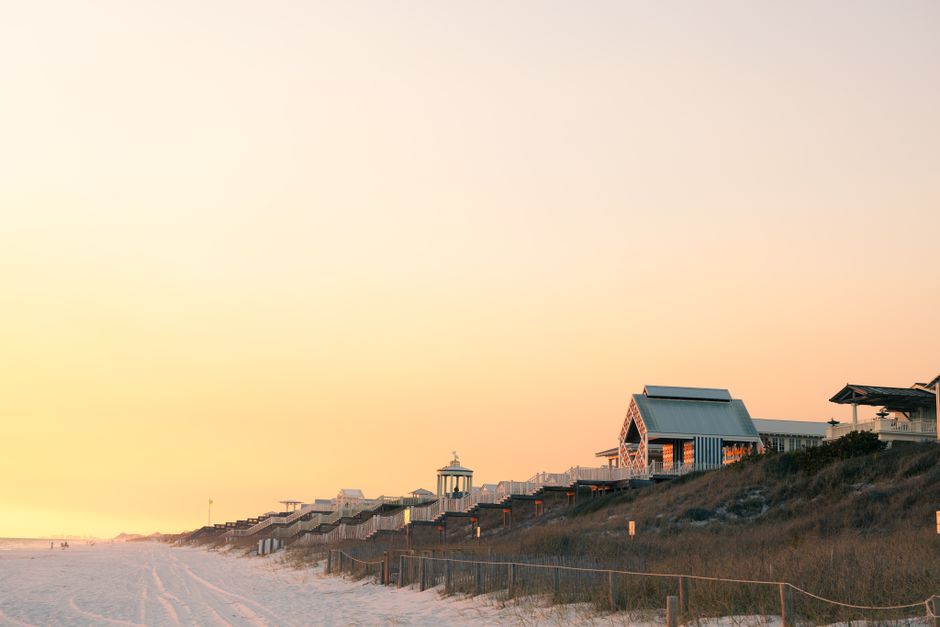
Don’t expect nightlife, don’t expect chain restaurants, and don’t expect a huge selection of rental properties, because there simply isn’t the inventory. What you get instead is a beach that looks the way beaches looked before beach vacations became a luxury product category. Bring cash for the bait shops, book lodging early since options are limited, and don’t expect much beyond dinner and a sunset. That’s kind of the entire point.
Port Aransas, Texas
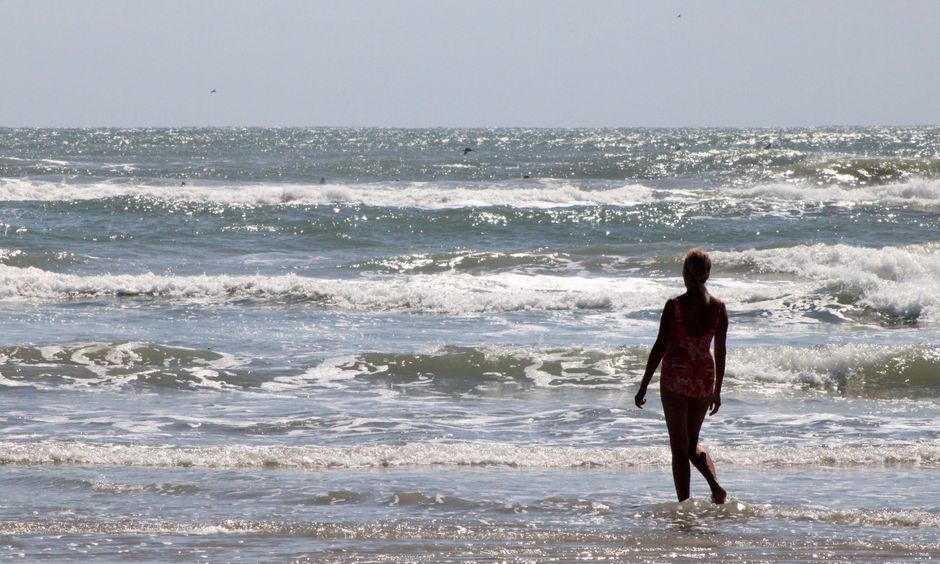
Port Aransas sits on Mustang Island along the Texas Gulf Coast, reachable only by a short ferry ride or a long drive around Corpus Christi Bay, and that friction has kept it from developing the high-rise density seen in Gulf Shores or Panama City Beach. The town retains a working fishing fleet, a laid-back surf culture, and enough natural dune habitat that development has been constrained by geography as much as by choice.
What Ties All These Towns Together
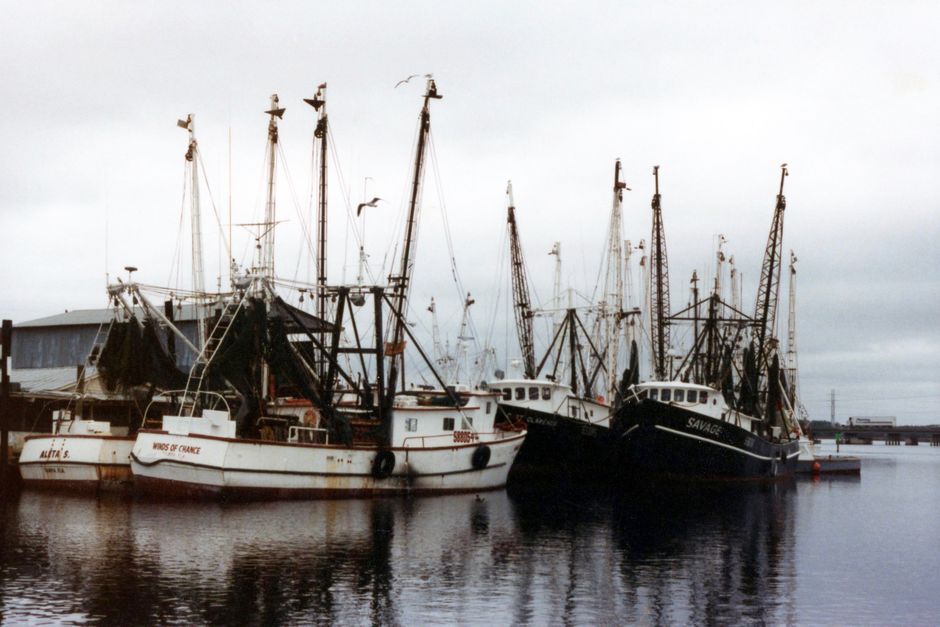
Beyond geographic isolation, most of these towns share an economic base that never fully pivoted to tourism the way their larger neighbors did. Fishing, oystering, and shrimping remain genuine industries in towns like Apalachicola and Port Aransas, not just decorative themes for restaurant menus. That working-town identity naturally resists the kind of wholesale redevelopment that transforms a place into a resort corridor, because the economy has other things it depends on besides vacation rental income.
The Trade-Offs Worth Knowing About
These towns aren’t for every kind of traveler. Grocery stores can be small and limited, medical facilities are often a drive away in a larger town, and hurricane risk is a serious, recurring concern for places with older infrastructure and fewer resources for rapid rebuilding compared to larger, wealthier coastal cities. Bay St. Louis’s own history with Katrina is a sobering reminder of how vulnerable these smaller communities can be.
Why People Keep Coming Back Anyway
For visitors who’ve grown tired of high-rise beach towns that feel more like vertical parking garages than coastal getaways, these small towns offer something increasingly rare: a beach vacation that still feels like an actual place rather than a manufactured resort product. That authenticity is exactly what’s driving a slow, steady increase in visitors discovering towns that spent decades being overlooked entirely.
The Long View
As larger Gulf Coast destinations continue raising prices and adding density, these smaller towns are likely to see gradually increasing attention, which creates its own tension: the isolation and lack of development that make them special are the same qualities that a wave of new visitors could slowly erode if growth isn’t managed carefully by the small local governments that oversee them.