Nashville Added 88,000 People in Three Years. Here’s Who the City Belongs to Now
We may earn money or products from the companies mentioned in this post. This means if you click on the link and purchase the item, I will receive a small commission at no extra cost to you ... you're just helping re-supply our family's travel fund.
Nashville added more than 88,000 new residents to its metro area between the 2020 Census and mid-2023. Job growth in the region ranked third among major U.S. metros over the past several years. Somewhere in the middle of that boom, the city that used to belong to broke musicians and bachelorette parties became something else entirely.
The City That Used to Be
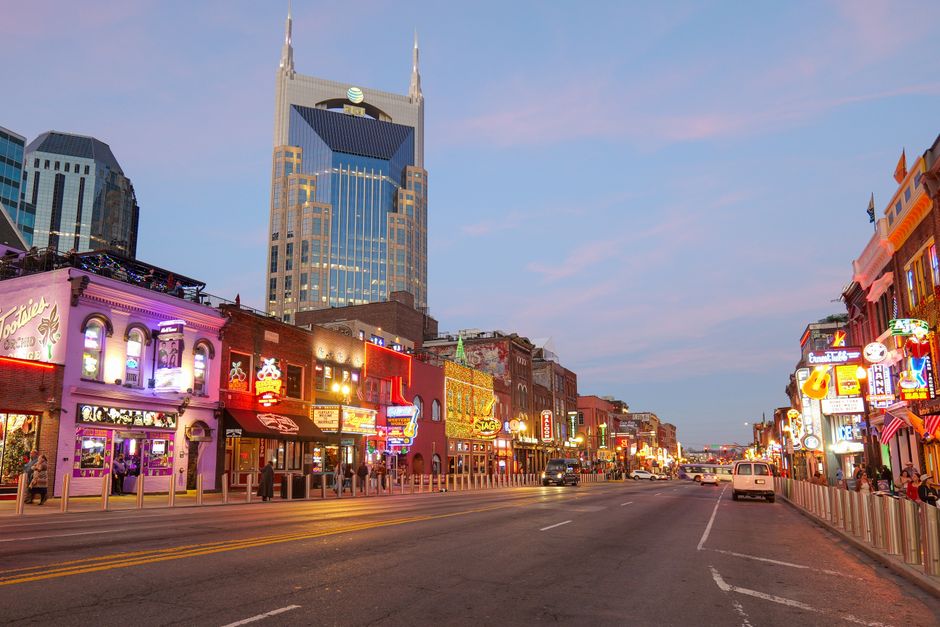
Ten years ago, Nashville’s identity was simple: it was Music City, a place where you could move with a guitar and $600 and figure the rest out. Rent was cheap by national standards, the music scene was accessible to working musicians, and the bachelorette party boom hadn’t yet fully taken over lower Broadway.
That version of Nashville still technically exists in pockets, but it’s no longer the dominant story. Downtown’s residential population alone grew 172% over a recent ten-year stretch, more than six times the growth rate of the broader metro area, according to city housing data. That’s not organic neighborhood growth. That’s a skyline being rebuilt in real time.
Who Nashville Is For Now
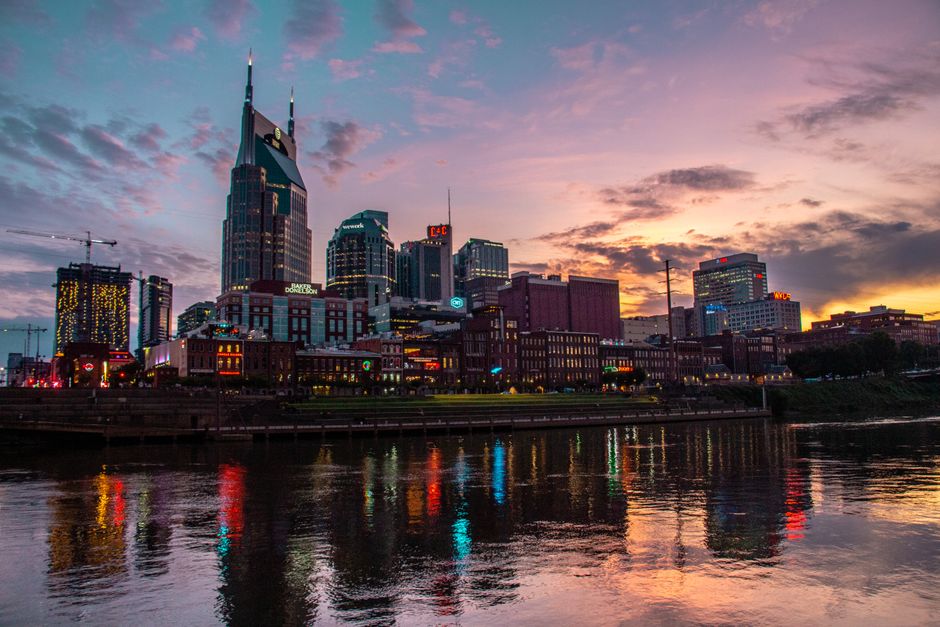
Corporate relocations changed everything. Major companies have moved significant operations or headquarters functions to the Nashville area over the past decade, chasing Tennessee’s lack of state income tax and a cost of living that, while rising, still undercuts coastal hubs. The Nashville area chamber has projected the metro could add roughly 200,000 new residents within five years, which works out to over 100 new people arriving every single day.
- No state income tax, a major driver for corporate relocations and high earners
- Total metro job growth of over 13% between 2019 and 2024, top-tier among large U.S. metros
- Downtown population up 172% over the past decade
- Construction of high-rise residential towers at a pace unseen in the city’s history
- A restaurant and hospitality scene now built around tourism dollars, not local budgets
The Musicians Got Priced Out
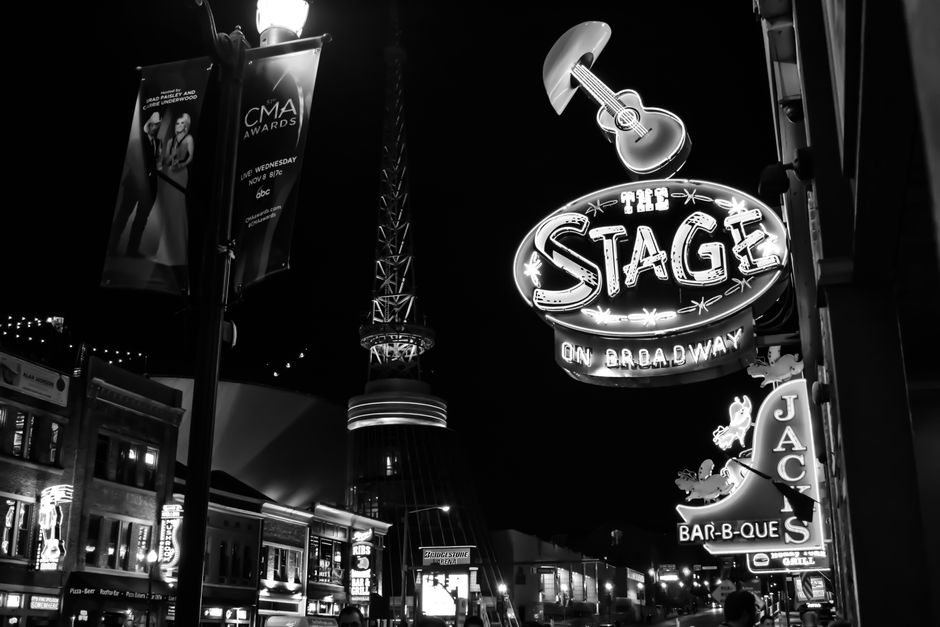
The uncomfortable irony is that the city’s growth is fueled by the mythology of a music scene that’s increasingly hard for actual working musicians to afford. Studio apartments in neighborhoods that were affordable a decade ago now rent for prices that rival Austin or Denver. Session musicians, songwriters, and bar bands, the people who built Nashville’s cultural export, are increasingly pushed to outer suburbs like Madison, Antioch, or across the county line entirely.
Meanwhile, lower Broadway has transformed into something closer to a themed entertainment district than an organic music scene, with celebrity-branded bars stacked three and four stories high, competing for the same bachelorette party dollars every single weekend.
Who It’s For Now vs Who It Was For
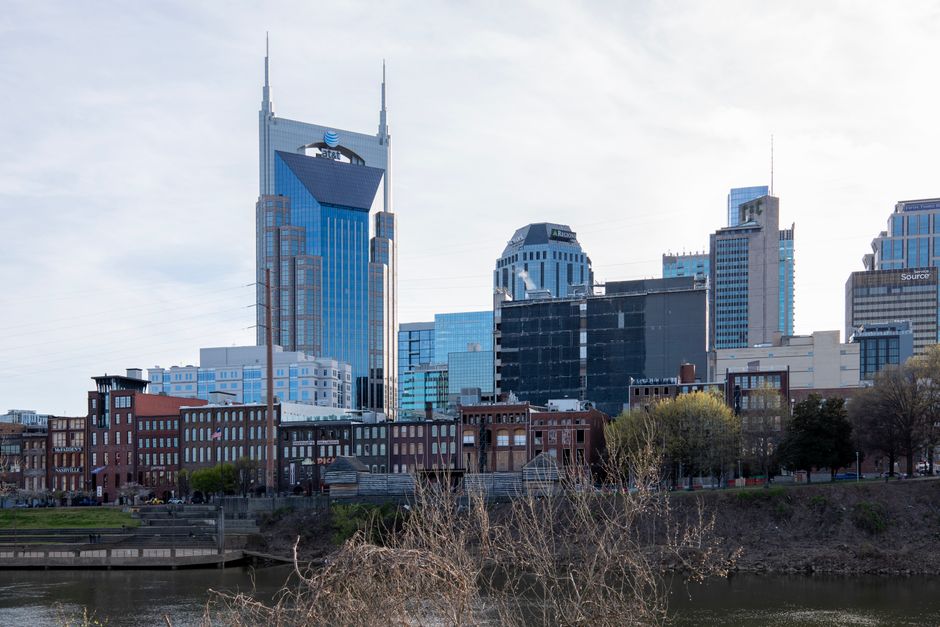
The Nashville of a decade ago was for creatives chasing a scene on a shoestring budget. The Nashville of today is increasingly built for corporate transplants, healthcare and finance professionals, and retirees drawn by the tax structure, with tourism dollars propping up the entertainment core. It’s a city optimized for people who found it through a job offer, not a dream.
The Trade-Off Locals Talk About
Ask a longtime Nashville resident and you’ll hear a consistent complaint: traffic that used to be a non-issue now regularly rivals cities twice its size, because infrastructure investment hasn’t kept pace with population growth. Interestingly, recent data shows Nashville’s specific county population actually dipped slightly even as the surrounding metro kept expanding, suggesting some of the growth is pushing outward into suburbs rather than staying downtown.
None of this means Nashville got worse. It means Nashville got bigger, richer, and less accidental. The city that used to happen to people now happens on purpose, engineered by tax policy and corporate relocation packages, and whether that’s an improvement depends entirely on which version of Nashville you were looking for in the first place.
What’s Happening in the Suburbs
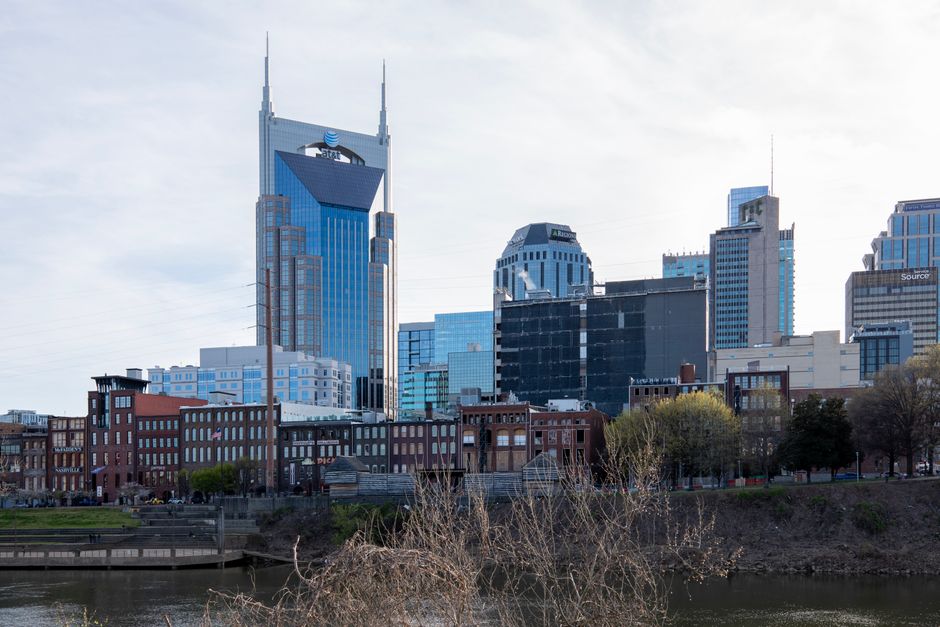
While downtown gets most of the attention, the real population absorption is happening in surrounding towns like Franklin, Murfreesboro, and Spring Hill, which have transformed from sleepy bedroom communities into significant population centers in their own right. Franklin in particular has developed a genuinely upscale identity, pulling corporate relocations and high earners who want proximity to Nashville’s job market without downtown’s density or prices.
This suburban expansion is part of why regional job growth figures look so strong even as some measures of the core city’s population growth have moderated. The Nashville story is increasingly a metro-wide phenomenon rather than a single-city one, spreading out across multiple counties that used to be considered separate from the city’s economic orbit entirely.
The Bachelorette Party Economy, By the Numbers
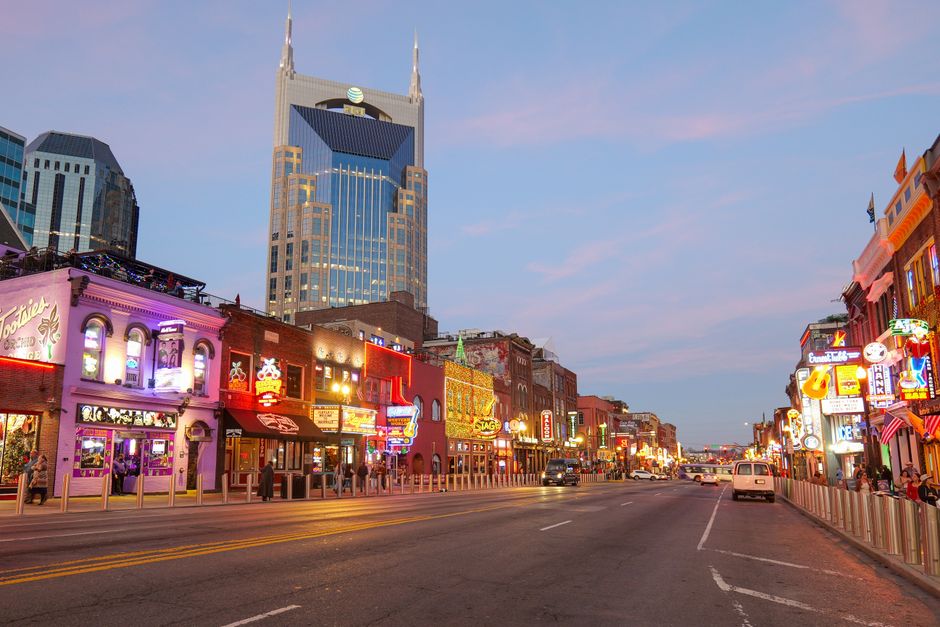
It’s easy to joke about the pedal taverns and matching sashes, but the tourism economy built around Nashville’s party reputation generates enormous revenue for the city and has become genuinely central to downtown’s economic model. Hotels, transportation services, and an entire cottage industry of party planning businesses now depend on that tourism stream in ways that would be difficult to unwind even if the city wanted to shift its image upmarket.
What Longtime Residents Say Is Actually Different
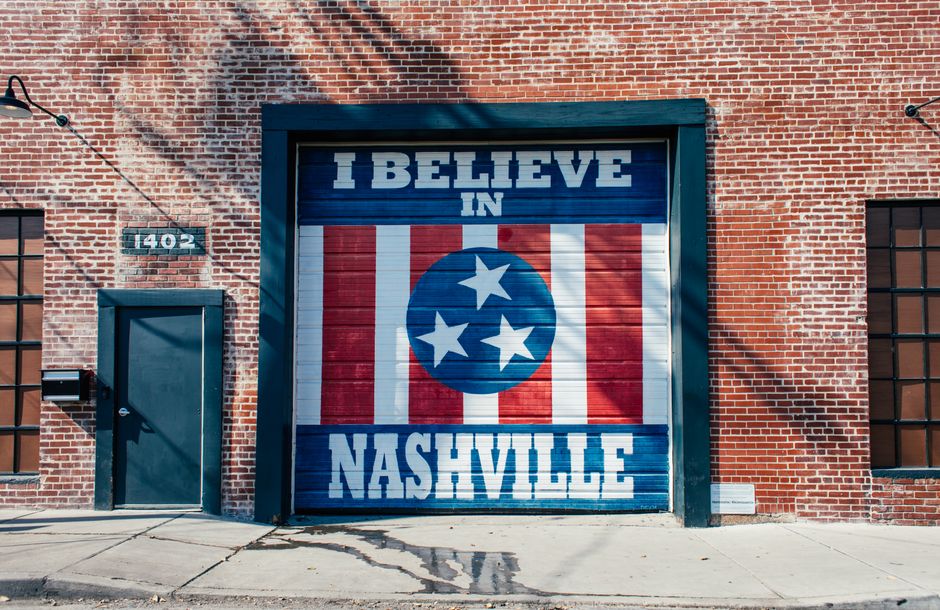
Ask someone who’s lived in Nashville for twenty years and the conversation usually turns to two things: traffic and identity. The traffic complaint is universal and well documented, infrastructure investment hasn’t kept pace with the population influx. The identity conversation is more nuanced, a sense that the city’s cultural exports, the music, the food, the specific brand of Southern hospitality, are increasingly packaged for tourists rather than lived organically by residents. Neither complaint means the city is worse off economically. It just means the Nashville being sold and the Nashville being lived in have drifted further apart than they used to be.
The Long View
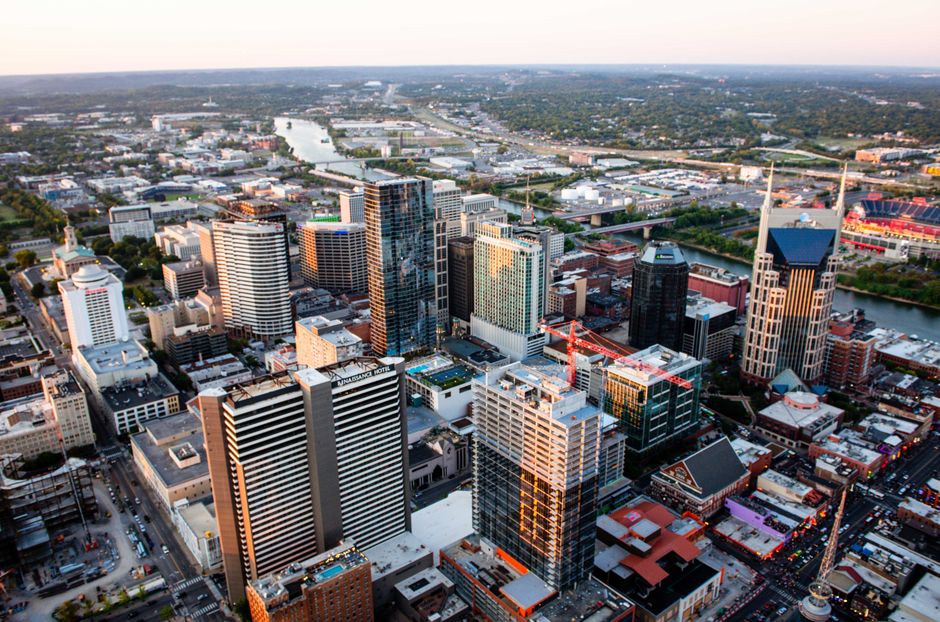
Nashville’s next decade will likely be defined by how well the region manages the suburban sprawl that’s absorbing much of its growth, and whether the cultural identity that built the city’s brand can survive being packaged for tourists at this scale indefinitely. Cities rarely get to keep their scrappy origin story and their boomtown economy at the same time, and Nashville is now firmly on the boomtown side of that trade.