The Real Reason Everyone’s Moving to Scottsdale (And What Nobody Mentions Until Your First July There)
We may earn money or products from the companies mentioned in this post. This means if you click on the link and purchase the item, I will receive a small commission at no extra cost to you ... you're just helping re-supply our family's travel fund.
Everyone knows Scottsdale, Arizona as the place with the golf courses and the spring training games. What fewer people understand until they’ve already signed a lease is what it actually costs, emotionally and financially, to live there year-round. The desert doesn’t advertise its trade-offs. You find them out in July.
The Draw Is Real
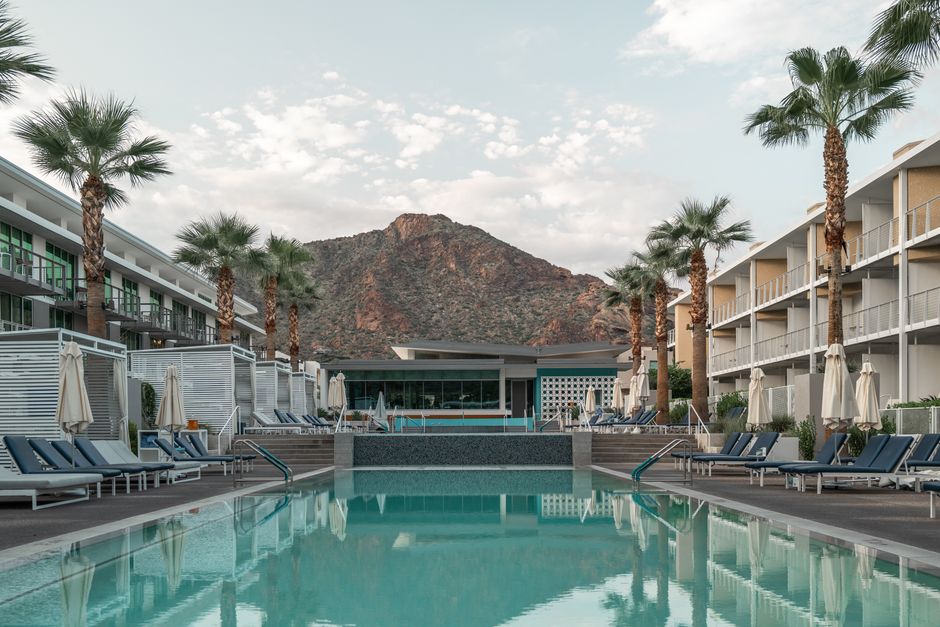
Arizona has no shortage of reasons people relocate there, but Scottsdale specifically pulls a wealthier, older, and increasingly younger professional crowd for a mix of tax and lifestyle reasons. Arizona’s income tax is a flat 2.5%, among the lowest of any state that has one at all, and Scottsdale layers that onto genuinely walkable downtown areas, a booming restaurant scene, and some of the most respected golf and resort infrastructure in the country.
The city has also become a magnet for wealth specifically. Nearby Phoenix-area suburbs have posted some of the fastest millionaire population growth rates in the nation in recent tracking, and Scottsdale sits at the center of that pull, with luxury developments continuing to rise in areas like North Scottsdale and the Silverleaf community.
- Flat 2.5% state income tax, among the lowest in the nation
- Over 300 days of sunshine annually
- A dense concentration of resorts, spas, and golf courses unmatched in most of the Southwest
- Strong remote-work appeal thanks to direct flights and a major airport nearby in Phoenix
- A downtown Old Town district that’s walkable, which is rare in the Sun Belt
What They Don’t Tell You Before You Go
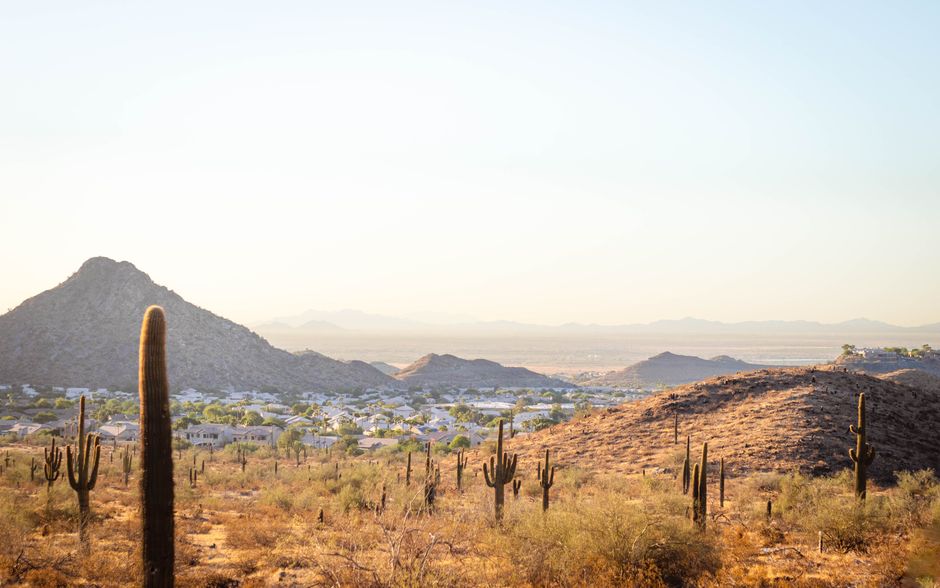
The summer heat is not a minor inconvenience, it’s a structural fact of life that reshapes your entire schedule. Temperatures routinely climb past 110 degrees for weeks at a time between June and September. Locals don’t walk anywhere in the afternoon. Golf tee times start before sunrise. Patio dining, the thing every Scottsdale restaurant is famous for, becomes physically unusable for a third of the year unless it’s misted, shaded, and air-conditioned from below.
Water is the other quiet issue nobody mentions in the relocation brochures. Scottsdale sits in a desert dependent on Colorado River allocations that are under increasing strain, and while the city has invested heavily in water reclamation and conservation programs, it’s a long-term risk that doesn’t show up on a real estate listing.
The Cost Creep
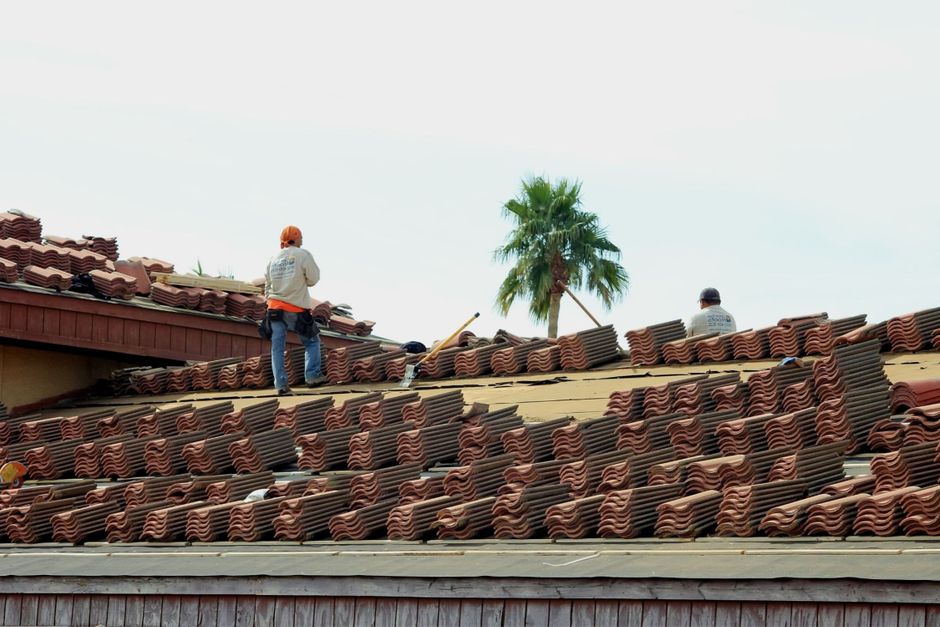
Housing costs in Scottsdale have climbed well past what a lot of newcomers expect coming from other Sun Belt cities like Phoenix proper or Tucson. It’s priced more like a resort town than a regular Arizona suburb, because in a lot of ways, that’s exactly what it is. HOA fees in the golf course communities can be substantial, and many of the most desirable neighborhoods carry them as a non-negotiable cost of entry.
Seasonal Population Swings
Scottsdale essentially has two populations: a year-round base and a massive seasonal influx of “snowbirds” who arrive from October through April and dramatically change the texture of the city. Restaurants that feel calm in July become impossible to book without reservations in February. Traffic patterns shift. Prices at hotels and even some retail can double.
Who Actually Thrives There
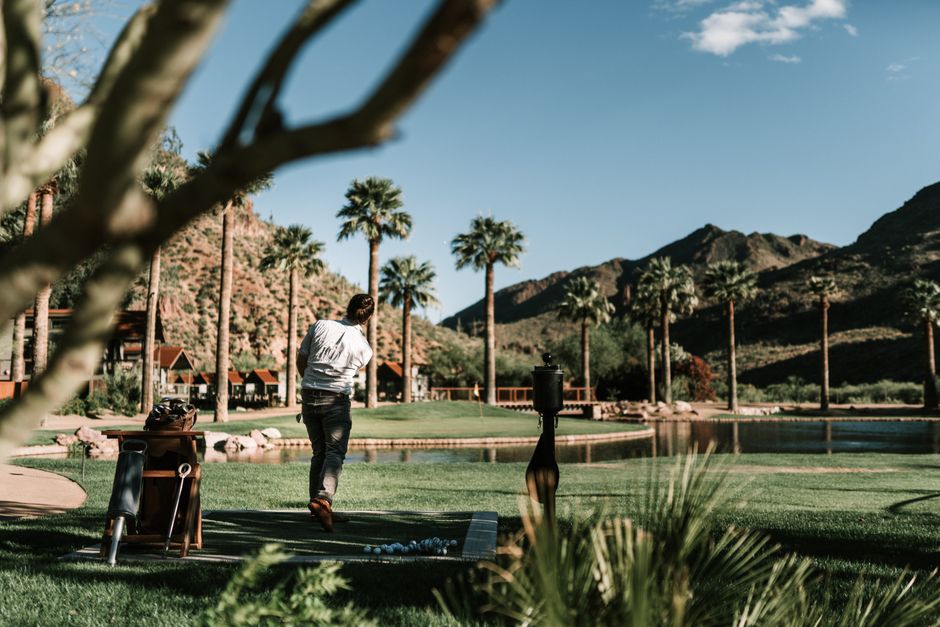
Retirees and remote workers who can control their own schedules tend to love it, because they can front-load their outdoor time into the mornings and evenings and avoid the worst of the heat. People with rigid 9-to-5 commutes that require midday outdoor exposure, like construction or delivery work, have a much harder adjustment.
The honest version of Scottsdale is that it delivers exactly what it promises for about eight months of the year, and asks you to survive the other four. People who go in expecting that trade tend to stay for decades. People who move for the Instagram version of Scottsdale, all golf carts and turquoise pools, are often the same people who leave after their first full summer.
The Neighborhoods That Handle Heat Differently
Not every part of Scottsdale experiences the climate the same way. Old Town has invested in misting systems, shade structures, and tree canopy specifically to keep the pedestrian districts usable later into the season, while some of the newer North Scottsdale developments, built around golf courses and larger lots, rely more heavily on air conditioning and offer less relief if you actually want to walk anywhere. Anyone relocating should treat this as seriously as school districts or commute times, because it changes daily life for half the year.
Comparing It to Other Arizona Cities
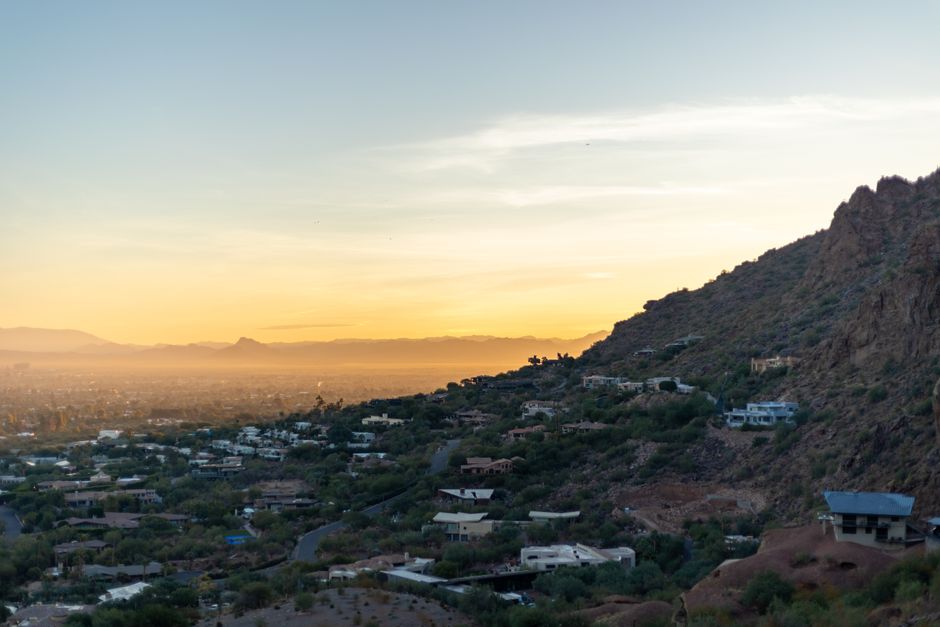
Scottsdale often gets lumped in with Phoenix, but the two have diverged quite a bit in character and cost. Phoenix proper offers more affordability and a grittier, more diverse urban core, while Scottsdale has leaned fully into a resort-adjacent identity, which shows up in everything from restaurant pricing to the sheer density of spas per square mile. Tempe and Chandler nearby offer a middle ground, more affordable than Scottsdale but without quite the same walkability or dining reputation.
The Financial Reality Check
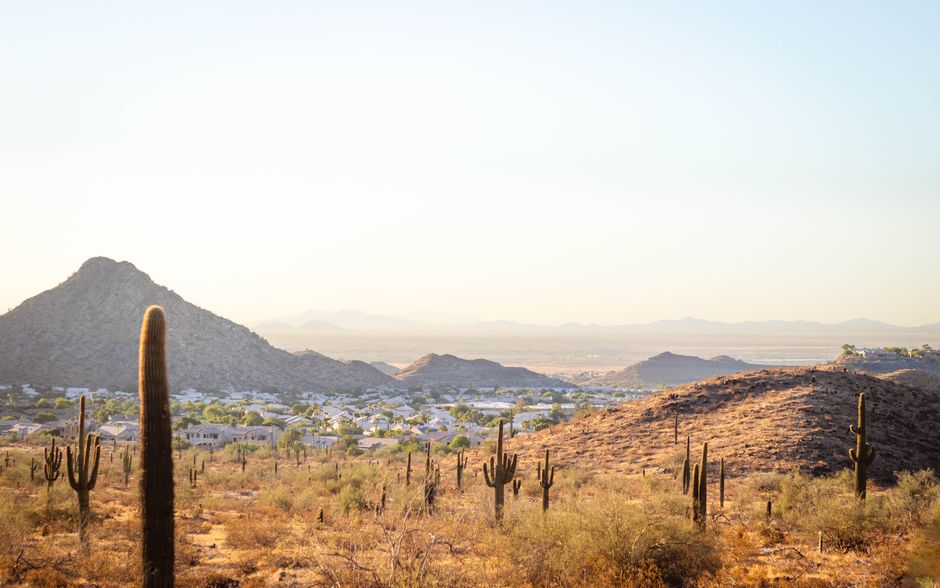
Between property taxes, HOA fees in the golf communities, and a real estate market that has appreciated well beyond the statewide average, the flat income tax savings can get eaten up quickly for anyone not earning a high salary. It tends to work best financially for higher earners, retirees drawing on savings rather than wages, or remote workers whose income isn’t tied to the local cost structure at all.
Final Word for Would-Be Transplants
Scottsdale rewards people who plan their lives around the desert rather than fighting it. Early morning hikes, shaded midday hours, and evening patio dinners aren’t just aesthetic choices, they’re survival strategies that longtime residents adopt without even thinking about it anymore. Anyone moving there expecting to keep a normal coastal or Midwest daily rhythm through the summer months is in for a rough transition.
The Long View
Scottsdale will keep growing regardless of how many articles warn future residents about July. The desert lifestyle it sells is genuinely appealing enough to outweigh the trade-offs for a specific, growing segment of Americans, retirees, remote workers, and wealthy transplants who have both the flexibility and the resources to build a life around the climate rather than against it.