The World Cup Is in America — Here’s Why That’s Actually a Travel Nightmare
We may earn money or products from the companies mentioned in this post. This means if you click on the link and purchase the item, I will receive a small commission at no extra cost to you ... you're just helping re-supply our family's travel fund.
The 2026 FIFA World Cup is being played in 16 cities across three countries — and it may be the single most complicated travel event in the tournament’s history.
Games are spread from Vancouver to Miami, Dallas to Kansas City, Toronto to Guadalajara. Fans need to potentially cross three international borders. Hotels in host cities are pricing like it’s the Super Bowl on steroids. And the U.S. State Department has issued safety warnings for several of the Mexican host cities.
If you’re going — or thinking about going — here is the unfiltered guide you need.
Hotels in Host Cities Are Already at Insane Prices
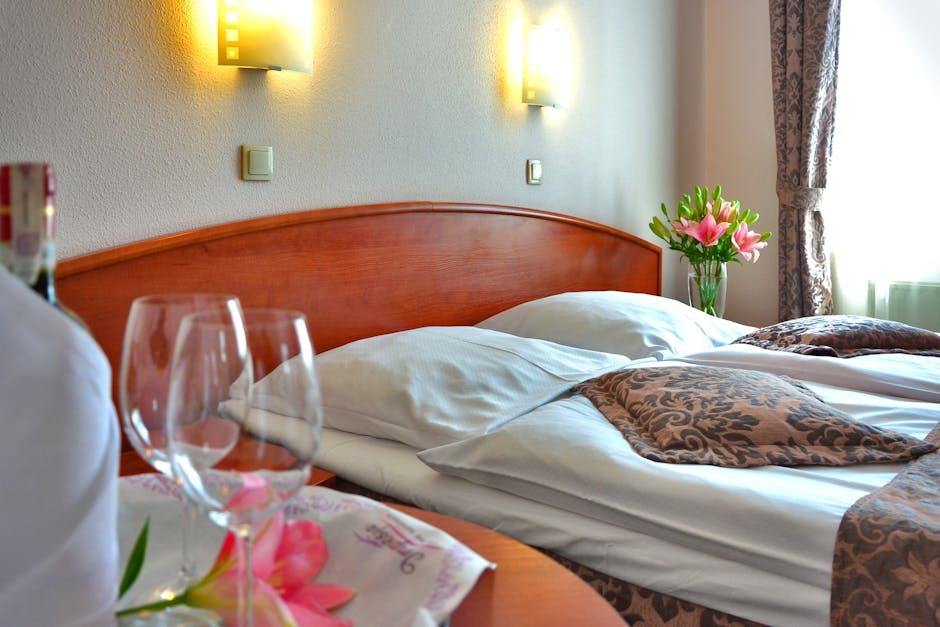
One airline recently joked it’s cheaper to fly to the country you’re supporting than to actually watch them play from inside a host city hotel. That joke is barely a joke.
Average nightly hotel rates in host cities during match weeks:
New York / New Jersey (MetLife Stadium)
— The marquee venue. Expect $400–$900 per night for anything decent during the final.Dallas (AT&T Stadium)
— Texas heat will be brutal (temps can hit 32°C or higher). Prices ranging $250–$600/night.Miami (Hard Rock Stadium)
— Already an expensive market. World Cup adds 40–60% premiums on top of base Miami rates.Los Angeles (SoFi Stadium)
— One of the pricier host cities even without a World Cup.Seattle (Lumen Field)
— Cooler climate is a genuine advantage. More moderate pricing than other U.S. venues.Kansas City (Arrowhead Stadium)
— Arguably the best value among U.S. host cities. Still manageable.
Strategy: Book hotel nights in surrounding cities and commute in. Staying 45 minutes outside the host city can cut your accommodation cost by 50–60%.
The Visa Situation Is a Nightmare for International Fans

This is the issue that most American travel coverage has glossed over, but it’s massive.
For international fans traveling to see games across multiple host countries, they need visas for the U.S. AND potentially different documentation for Canada and Mexico. Under current U.S. immigration policies, the process is stricter and less predictable than at any previous World Cup.
What international fans need to know:
- Ticket holders must apply for visas if they haven’t already — and the wait times can be months
- The U.S. State Department has created a World Cup visa portal, but demand is overwhelming the system
- Canadian Electronic Travel Authorization (eTA): Required for visa-exempt nationalities flying into Canada
- Mexico: Most major nationalities enter visa-free, but State Department warnings affect which cities you should visit
- Cross-border fan travel (e.g., Toronto game then Dallas game): Plan visa logistics before booking any transport
Bottom line: international fans should have started their visa process yesterday. American fans traveling domestically have no issue — but expect unprecedented airport crowds.
Mexico Host Cities: What the State Department Is Actually Saying
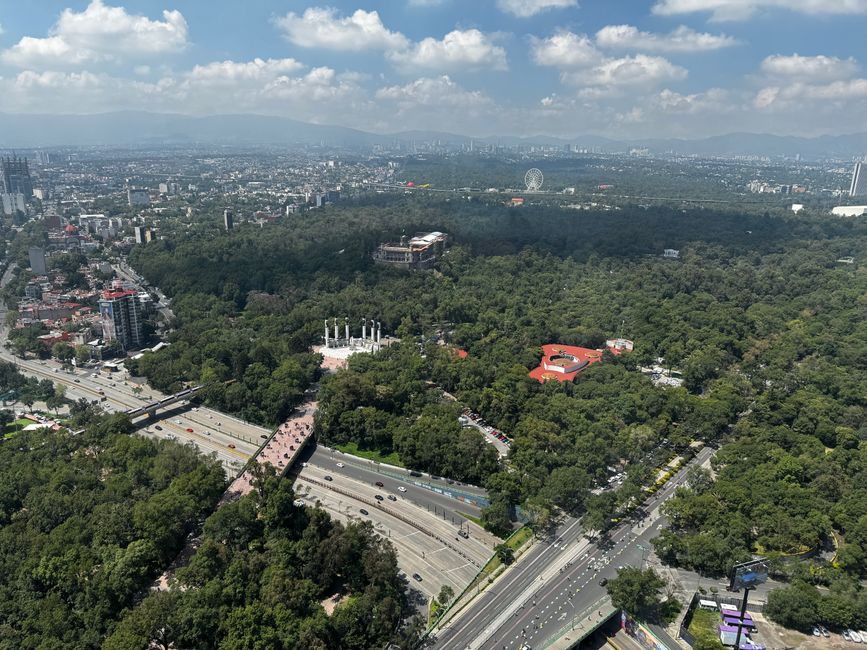
The U.S. State Department has issued safety advisories for several Mexican host cities. This is not fearmongering — it is information you need to make an informed decision.
Host city advisories as of June 2026:
Guadalajara (Jalisco state)
— “Reconsider Travel” (Level 3) due to cartel violence. State Dept advises avoiding travel between cities after dark and using app-based ride services only.Mexico City
— Level 2: “Exercise Increased Caution” for crime and kidnapping.Monterrey
— Level 2: “Exercise Increased Caution.”
If you are going to Mexican host cities:
- Enroll in STEP (Smart Traveler Enrollment Program) at step.state.gov — free and takes 5 minutes
- Never travel between cities after dark by road
- Use only Uber or app-dispatched taxis — never hail cabs on the street
- Avoid remote areas and comply with all security checkpoints
- Purchase comprehensive travel insurance that includes emergency evacuation
- Share your itinerary with someone at home who can escalate if needed
The Host Cities Ranked by Travel Ease
Not all World Cup venues are created equal for American fans.
Kansas City
— Easiest. No traffic nightmare, affordable, passionate soccer culture emerging fast.Seattle
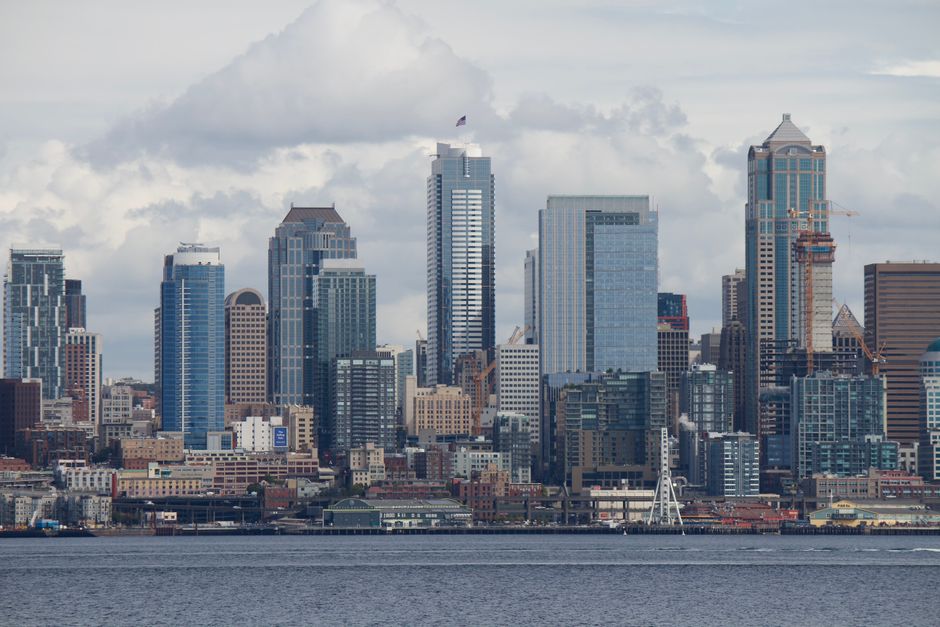
— Easy logistics, beautiful city, cooler climate than most venues.Philadelphia
— Strong transit, walkable, accommodations more affordable than NYC.San Francisco Bay Area (Stanford)
— Bay Area logistics are complex, but the destination itself is worth it.Dallas
— Heat is real. Car-dependent city. But AT&T Stadium is spectacular.Miami
— Expensive. But the energy and international fan mix will be electric.New York / New Jersey
— Most difficult logistics but the biggest games. Plan everything months ahead.
How to Watch World Cup Games Without Paying Stadium Prices

Tickets for major matches are already in the hundreds to thousands of dollars. But the World Cup experience doesn’t require a ticket.
Alternatives that are often more fun:
FIFA Fan Festivals
— Official free fan zones set up in every host city with giant screens, food, entertainment, and the full atmosphereBar and pub watch parties
— The culture around these is incredible. Book tables in advance — popular bars in host cities are already taking reservations for match daysOutdoor public screenings
— Many host cities are organizing free public viewing events in parks and plazasHotel lobbies
— Upscale hotels near stadiums often have massive public bar areas with premium viewing setups
What to Pack for World Cup Host City Climates

The host cities span 3,000 miles and multiple climate zones. There is no universal packing list.
Dallas, Houston, Miami (June–July)
— Extreme heat. Lightweight moisture-wicking clothing, sunscreen SPF 50+, hydration pack or large water bottle, portable fanSeattle, Vancouver, Toronto
— Layers. A light jacket and waterproof layer are essential even in summer.Mexico City
— Temperate at altitude (7,300 feet). Comfortable daytime temps but cool evenings. Layer up.Guadalajara
— Hot and humid in June. Similar to Dallas heat prep.All cities
— Comfortable walking shoes are non-negotiable. You will walk miles.
The 2026 World Cup is going to be one of the great sporting events in American history. Just go in with eyes open — because the travel logistics are genuinely complex. Plan early, book smart, and build flexibility into every leg of your trip.