I Tried Hotel Hopping on One Trip and I’ll Never Travel the Same Way Again
We may earn money or products from the companies mentioned in this post. This means if you click on the link and purchase the item, I will receive a small commission at no extra cost to you ... you're just helping re-supply our family's travel fund.
For most of my travel life, I booked one hotel, planted my bags, and used it as a base. It made sense — fewer moves, less hassle, loyalty points at one property.
Then I tried hotel hopping. I booked three different hotels in three different neighborhoods across a single eight-day trip. It completely changed how I experienced the destination. And now I can’t go back.
Hotel hopping — booking multiple hotels on a single trip to experience more of a destination — is officially the travel trend of summer 2026. Demand is surging, and the travelers who do it strategically are having dramatically better trips than those who don’t.
Here’s everything you need to know before you try it.
What Hotel Hopping Actually Is (And Why It’s Exploding)

Hotel hopping isn’t just changing rooms because your original booking fell through. It’s an intentional strategy: you plan to stay in different properties — sometimes in different neighborhoods, sometimes in different cities — as part of the trip design itself.
Why it’s taking off:
- Social conversation about hotel hopping is up significantly year-over-year as travelers look to maximize destination experiences
- Travelers want to experience more neighborhoods, not just the tourist center
- Event-driven travel (concerts, sports) means the optimal hotel location changes by the day
- Loyalty program diversity — some travelers deliberately spread stays across brands to maintain status at multiple chains
- It simply makes trips more interesting. A different hotel is a different micro-experience.
The Three Types of Hotel Hoppers

Not all hotel hoppers are doing it for the same reason. Understanding which type you are changes how you should plan.
The Neighborhood Explorer
— Books different properties in different areas of the same city. Day 1–3 in the historic center, Day 4–6 near the waterfront, Day 7–8 in the local residential neighborhood. This is by far the most common and rewarding version.The Event Hopper
— Plans hotel stays around specific events. Night of the concert: hotel near the venue. Next two days: hotel near the attraction you’re actually sightseeing. The goal is never paying for convenience you won’t use.The Multi-City Hopscotcher
— Books different hotels in different cities across a regional trip. Think: two nights in Bologna, two nights in Florence, two nights in Siena. Classic European itinerary format, reimagined as a deliberate hopping strategy.
How to Plan a Hotel Hop Without Losing Your Mind

The biggest failure mode in hotel hopping is poor logistics — too many moves, too much check-out/check-in friction, bags lost in transit.
How to do it well:
- Keep bags manageable — hotel hopping with four checked bags is a nightmare. This is the trip to pack carry-on only or one soft-sided bag per person.
- Book properties with late check-out or early check-in options — Hyatt and Marriott Bonvoy members can often access rooms hours early
- Use the hotel’s luggage storage between check-out and check-in times so you’re not dragging bags around all day
- Plan your route — don’t bounce across a city randomly. Move in one direction.
- Book refundable rates where possible — itineraries shift, and flexibility has real value
- Keep a simple spreadsheet: hotel name, check-in date, check-out date, confirmation number, address
The Best Destinations for Hotel Hopping in the U.S.

Not every city rewards hotel hopping equally. The best destinations are ones with distinct, walkable neighborhoods that each offer something different.
New Orleans
— French Quarter, Garden District, Marigny, and Uptown all have completely different vibes. A 3-neighborhood hop across 6 days is ideal.New York City
— Manhattan alone has 10+ neighborhoods worth anchoring in. Midtown for Broadway, Lower East Side for food culture, Brooklyn for the local experience.Chicago
— River North vs. Lincoln Park vs. Wicker Park: three completely different cities in one city.San Francisco
— Hayes Valley, the Embarcadero, and the Mission each offer distinct characters.Nashville
— Downtown vs. East Nashville: the tourist experience vs. the local one.
International Hotel Hopping: Where It Makes the Most Sense

International hotel hopping is where the strategy truly shines.
Italy
— Rome to Florence to Bologna to Venice is the classic route, but breaking it into 2-night hops means you actually see each city rather than rushing throughJapan
— Tokyo → Kyoto → Osaka is the standard, but adding Hiroshima, Hakone, or Kanazawa as a mid-point hop transforms the tripPortugal
— Lisbon to Porto is a natural 2-city hop with the Douro Valley wine region as an optional middle stopSpain
— Barcelona, Madrid, Seville, and San Sebastián each warrant their own hotel base — perfect for a 10-day regional hopFinland + Estonia
— Helsinki to Tallinn by ferry is one of the great day-trip hops in Europe. Two countries, two completely different cultures, one short boat ride.
The Hidden Costs Nobody Warns You About
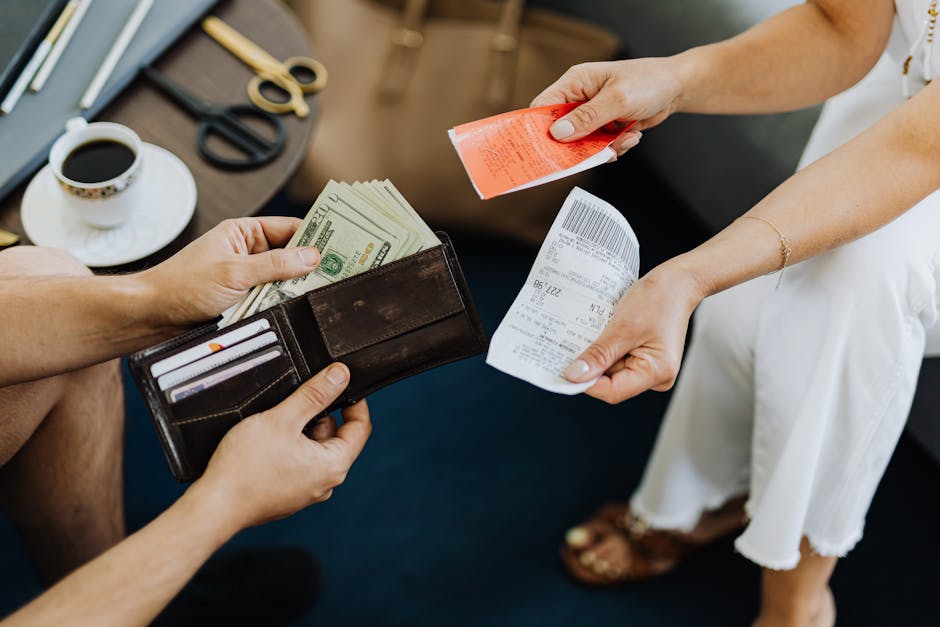
Hotel hopping has real costs beyond room rates. Factor these in before you commit.
- Resort fees at multiple properties — if each hotel charges a $35–$55 resort fee, three hops adds $105–$165 in fees alone
- Transportation between hotels — taxis, Ubers, or trains between neighborhoods or cities add up
- Checked baggage for multi-city trips — if you’re flying between cities and checking bags, fees multiply
- Loyalty points dilution — splitting nights across brands means you may not hit elite status at any of them
Mitigation: book hotels with no resort fees where possible, use points or credit card travel credits to offset costs, and choose hotels within walking distance of each other when doing neighborhood hops.
How to Score Upgrades at Every Stop

One underrated advantage of hotel hopping: you get multiple chances at upgrades.
- Always call the hotel directly 24–48 hours before check-in and ask about available upgrades — they’re often free if you ask nicely
- Check in late in the afternoon — rooms freed up by late checkouts are often available for upgrades by 3–4pm
- Mention special occasions if applicable — anniversaries, birthdays, and honeymoons still get upgrades regularly
- Use hotel apps — Hilton and Marriott both allow you to choose your specific room before arrival, and sometimes better rooms are simply available to grab
- Be genuinely pleasant at check-in — front desk agents have wide discretion and consistently upgrade guests they like
Three hotels means three chances to upgrade. Play the odds.