Americans Tried to Travel Europe on $100/Day — Here’s What’s Real, What’s a Lie, and What Each Country Actually Costs
We may earn money or products from the companies mentioned in this post. This means if you click on the link and purchase the item, I will receive a small commission at no extra cost to you ... you're just helping re-supply our family's travel fund.
In 2023, I read 14 different travel blogs claiming you could do Europe on $50–$100 a day. Some of them had been published in 2018 and never updated. Several of them were written by people who were living in Europe on long-term arrangements — house-sitting, language exchanges, slow travel over months — costs that simply don’t apply to someone flying in from Denver for two weeks.
I did the trip anyway. I spent six weeks across seven countries, kept a detailed spreadsheet, and came home with something more useful than a blog post: a realistic, country-by-country picture of what Europe actually costs an American traveler in 2025, with the exchange rate more or less where it is right now.
Here’s the truth.
Why ‘$100/Day in Europe’ Is Both True and a Lie
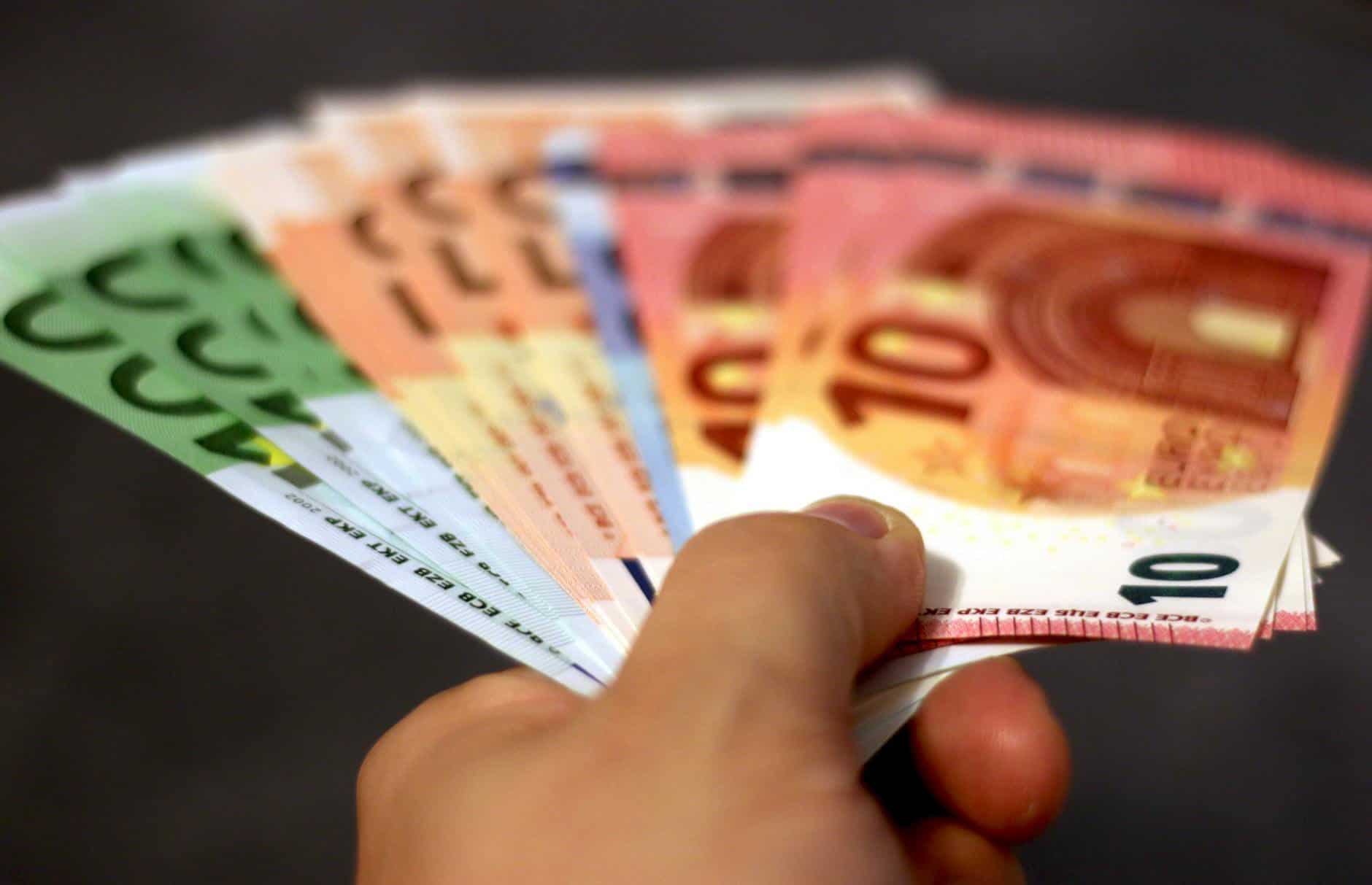
First, what the $100/day figure typically includes:
- Accommodation (hostel dorm or budget hotel)
- Three meals at local, non-tourist restaurants
- Local transportation (metro, bus, occasional train)
- One or two paid attractions per day
What it typically does NOT include:
- Flights (treated separately, always)
- Travel insurance
- Pre-trip costs (visas, gear, etc.)
- Alcohol (Europe is cheap for wine, not for cocktails)
- Tours, day trips, or experiences beyond basic sightseeing
- Souvenirs
- One major splurge per week (nice dinner, a train upgrade, a nicer hotel night)
If you add those back in honestly, $100/day in Western Europe is genuinely constrained. $100/day in Eastern Europe is comfortable. And in a few specific countries, $100/day is not enough.
Where $100/Day Is Genuinely Comfortable
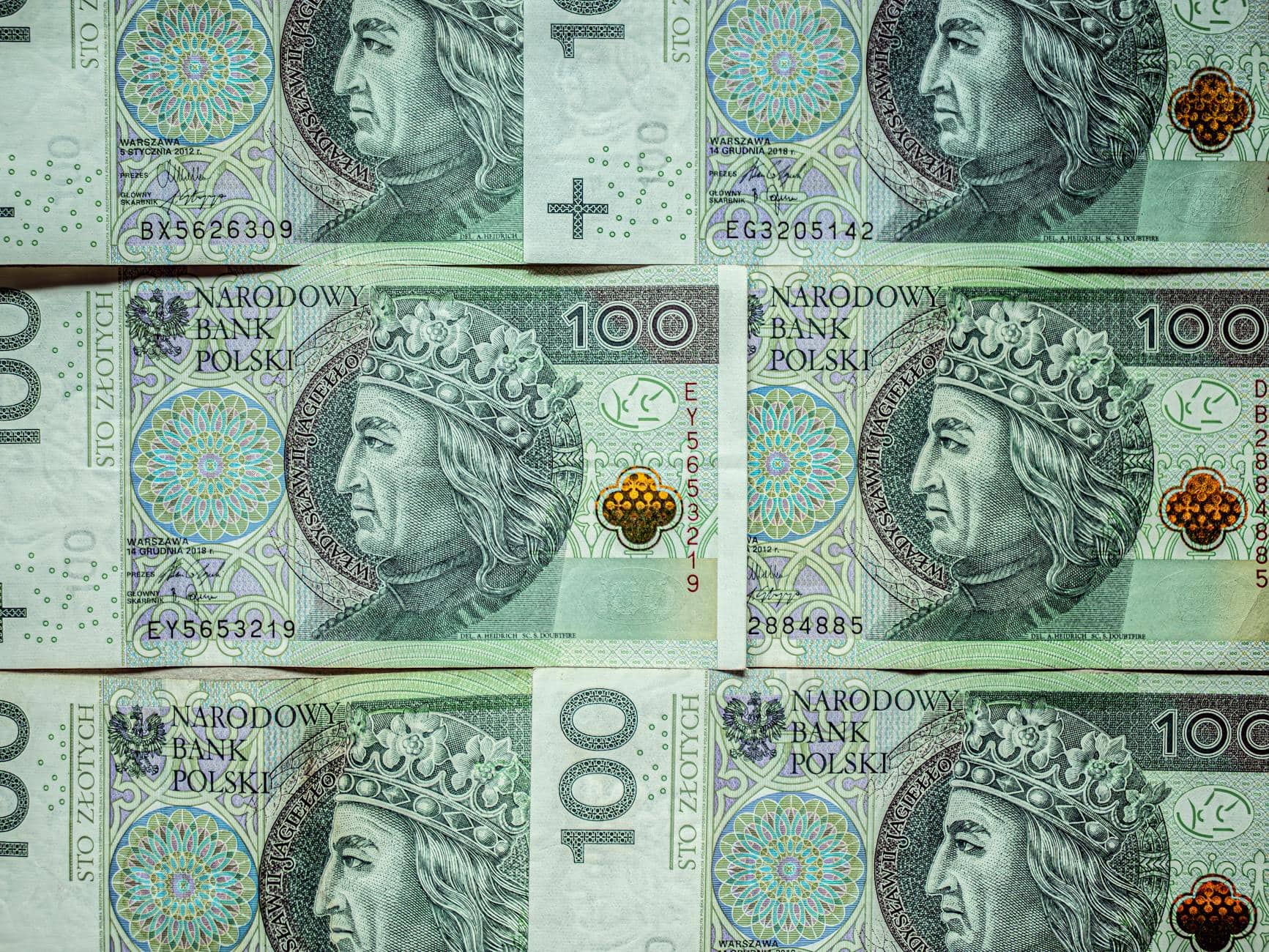
These are the countries where $100 USD gets you a decent private room (not a dorm), good local food, entry to major attractions, and some breathing room for a beer or two:
- Portugal — Still the best value in Western Europe, though Lisbon and Porto have gotten significantly more expensive since 2019. In cities, budget $80–$100/day. Outside of Lisbon — in the Alentejo, the Douro Valley, or the Algarve off-season — $70/day is comfortable.
- Hungary — Budapest is the crown jewel of European budget travel in 2025. A private room in a good guesthouse runs $40–$55. A full sit-down dinner at a non-tourist restaurant is $8–$14. The thermal baths are $15. $100/day in Budapest is almost lavish.
- Poland — Krakow and Warsaw are both very manageable on $80/day. The food is excellent, the craft beer scene is thriving, and the historical depth — from Auschwitz to the Old Town to the POLIN Museum — is extraordinary.
- Czech Republic — Prague has gotten more expensive than it used to be, but compared to Western Europe it’s still a bargain. $85–$100/day in Prague is comfortable. In smaller Czech cities like Olomouc or Cesky Krumlov, $70/day is plenty.
- Romania — The most undervalued country in Europe. Bucharest is dynamic and cheap. Transylvania is extraordinary and almost unvisited. $70–$80/day here includes things you’d pay 3x for in the West.
- North Macedonia, Albania, Kosovo — The Balkans frontier. $50–$60/day is comfortable. The food is outstanding. The landscapes are dramatic. Tourism infrastructure is improving rapidly.
Where $100/Day Is Tight But Doable

In these countries, $100/day requires real discipline — hostel dorms or budget hotels, set lunches instead of à la carte, free attractions prioritized over paid ones, and careful tracking:
- Spain — Barcelona is expensive (budget $110–$130/day). Madrid is slightly better ($90–$110). Smaller cities like Seville, Valencia, and Bilbao are easier on $85–$100/day. The bocadillo lunch culture is your biggest friend here — a proper lunch for €4 from a bar is standard.
- Italy — Rome and Florence are $110–$140/day honestly. The Amalfi Coast is more. Southern Italy — Sicily, Puglia, Basilicata — can be done on $90–$100/day and is a dramatically better travel experience anyway.
- Greece — Athens is surprisingly manageable ($85–$100/day). The islands are where the budget breaks: Santorini and Mykonos are $150–$200+ days. Crete, Rhodes, and Corfu are better value at $90–$120/day.
- Germany — Berlin is the budget traveler’s German city ($90–$110/day). Munich is significantly more expensive ($120–$140/day). The train system is excellent and day-tripping from cheaper base cities is a legitimate strategy.
- Netherlands — Amsterdam is expensive. $110–$130/day is honest. Consider basing in Rotterdam or Utrecht (both excellent cities) and day-tripping to Amsterdam.
Where $100/Day Is Simply Not Enough

Full transparency: in these places, $100/day means compromising significantly or lying to yourself:
- Switzerland — $200/day is the minimum honest figure. A coffee is $7. A modest restaurant lunch is $25–$35. A night in a budget hotel in Zurich or Geneva runs $120–$150. Switzerland is extraordinary. Plan for it.
- Norway — Similar to Switzerland. Budget $180–$220/day in Oslo or Bergen. The spectacular nature (fjords, Lofoten Islands) is largely free, but getting to it costs money.
- Iceland — $150–$180/day if you’re renting a car and doing it properly, which is the only real way to do Iceland. Accommodation costs are brutal even by Scandinavian standards.
- Denmark — Copenhagen is approximately $160/day. The quality of life is extraordinary. Plan accordingly.
- UK (London specifically) — London is $150–$200/day. The rest of the UK is significantly more manageable — Edinburgh, Bristol, Bath, and the Lake District can be done on $100–$120/day.
The Hidden Costs That Blow Budgets
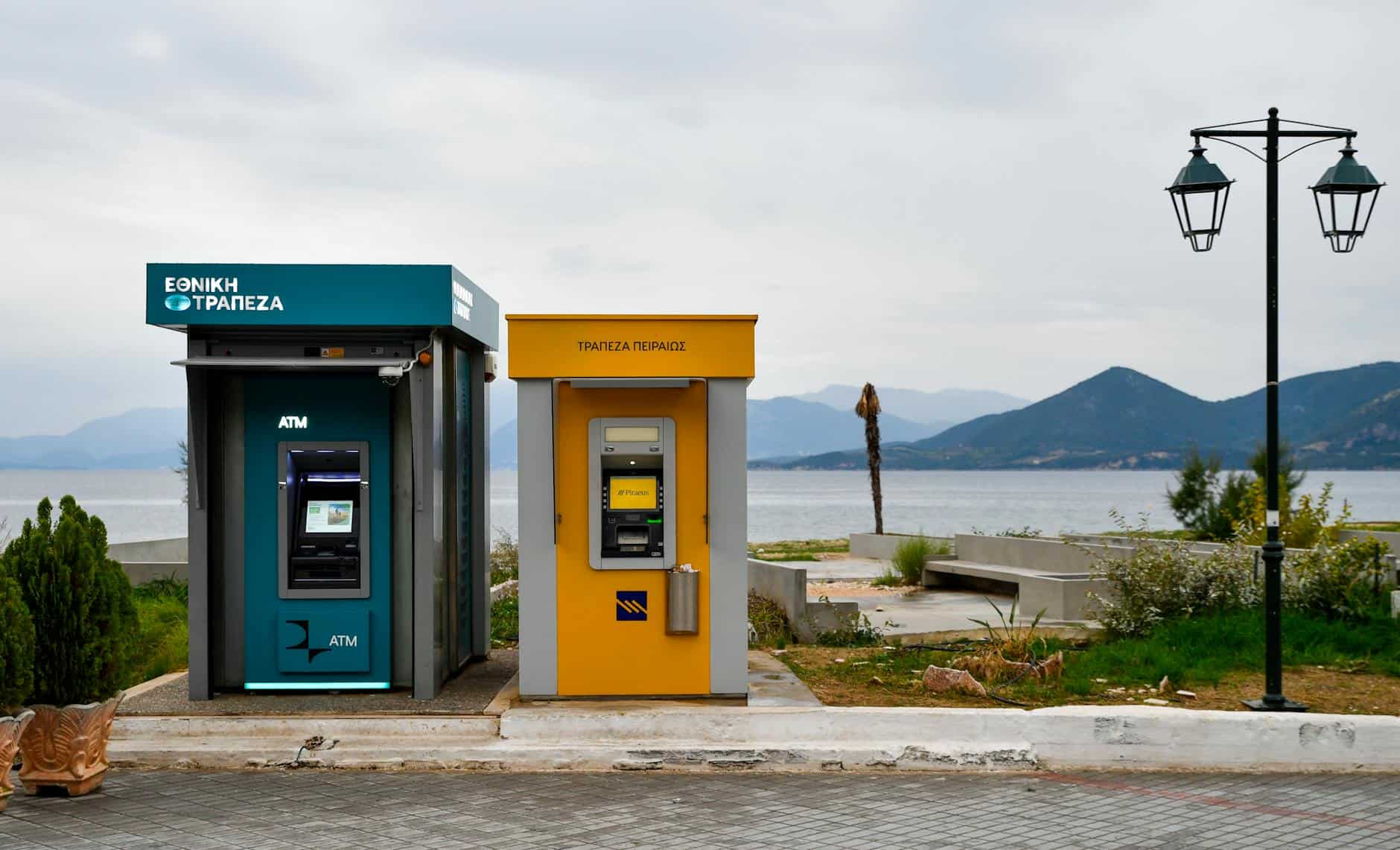
Every experienced Europe traveler has a story about a budget that worked perfectly until it didn’t. The culprits are almost always the same:
- ATM and currency conversion fees — Using an American bank card in European ATMs with a 3% foreign transaction fee plus ATM operator fees adds up to hundreds of dollars over a multi-week trip. The fix is free: get a Charles Schwab checking account (reimburses all ATM fees worldwide) or a Wise card before you leave.
- Inter-city train prices booked late — A Paris-to-Barcelona train costs €39 booked 3 months out and €180 booked 3 days out. European rail requires advance booking. Failing to book ahead is one of the most expensive mistakes on a Euro trip.
- Tourist restaurant tax — Sitting at a table on a tourist street costs 3x what a meal costs at a bar or a place off the main drag. In Rome, the same pasta dish costs €8 at a neighborhood osteria and €22 with a view of the Colosseum. Walk two blocks.
- Museum admission clusters — Hitting the Vatican, the Uffizi, and the Louvre in the same week without budgeting for it can add $100–$150 in a few days. Check for free days (many major European museums have them) and prioritize.
How to Actually Do Europe on a Real Budget

The strategies that actually work, based on six weeks of real travel:
- Do Eastern Europe first — Start in the Balkans or Central Europe where your money goes far, then let Western Europe be the expensive climax of the trip rather than the whole thing.
- Travel by overnight train for multi-city moves — The Eurail Global Pass or point-to-point overnight trains save a night of accommodation while covering the distance. The Paris-Berlin night train is back, the Venice-Paris route relaunched. This is legitimately the best travel value in Europe.
- Eat lunch as your main meal — The set lunch menu (prix fixe, menú del día, or mittagessen) is a European institution. A three-course lunch with wine for €10–€15 is genuinely available in Spain, Italy, France, and Portugal. Dinner at the same restaurant without the menu will cost 2.5x more.
- Use Google Maps’ Nearby filter sorted by rating under 500 reviews — The best local restaurants are the ones that haven’t been indexed by every tourist algorithm yet. Sort by rating, filter for under 500 reviews, walk to what comes up.
- Book accommodation with free cancellation 6+ weeks out, then watch for drops — Hostelworld and Booking.com both allow rate-watching. Lock in a good rate early and cancel-rebook if prices drop.
The $100/day dream is real in Eastern Europe. It’s a discipline exercise in Western Europe. And in Scandinavia and Switzerland, it’s a myth — but the experience is worth planning the real budget for.