The Budget Airline Survival Guide: How to Fly Spirit, Frontier, and Allegiant Without Getting Hit With $200 in Surprise Fees
We may earn money or products from the companies mentioned in this post. This means if you click on the link and purchase the item, I will receive a small commission at no extra cost to you ... you're just helping re-supply our family's travel fund.
I booked a Spirit flight from Orlando to New York for $58 last spring. By the time I was sitting in the seat, I had paid $147. No seat upgrade. No checked bag. Just a carry-on, a seat assignment, and the taxes and fees that apparently materialized out of nowhere between checkout and the gate.
I wasn’t even that surprised — I’d flown budget airlines before. But when I sat down and actually broke apart every charge on that receipt, I understood exactly how these airlines work. And once you understand the system, you can actually beat it. Not always, not perfectly, but enough that a $58 Spirit flight can stay somewhere in the range of $70–$90 instead of ballooning to $200.
Here’s everything I know.
The Fee Anatomy of a Budget Flight
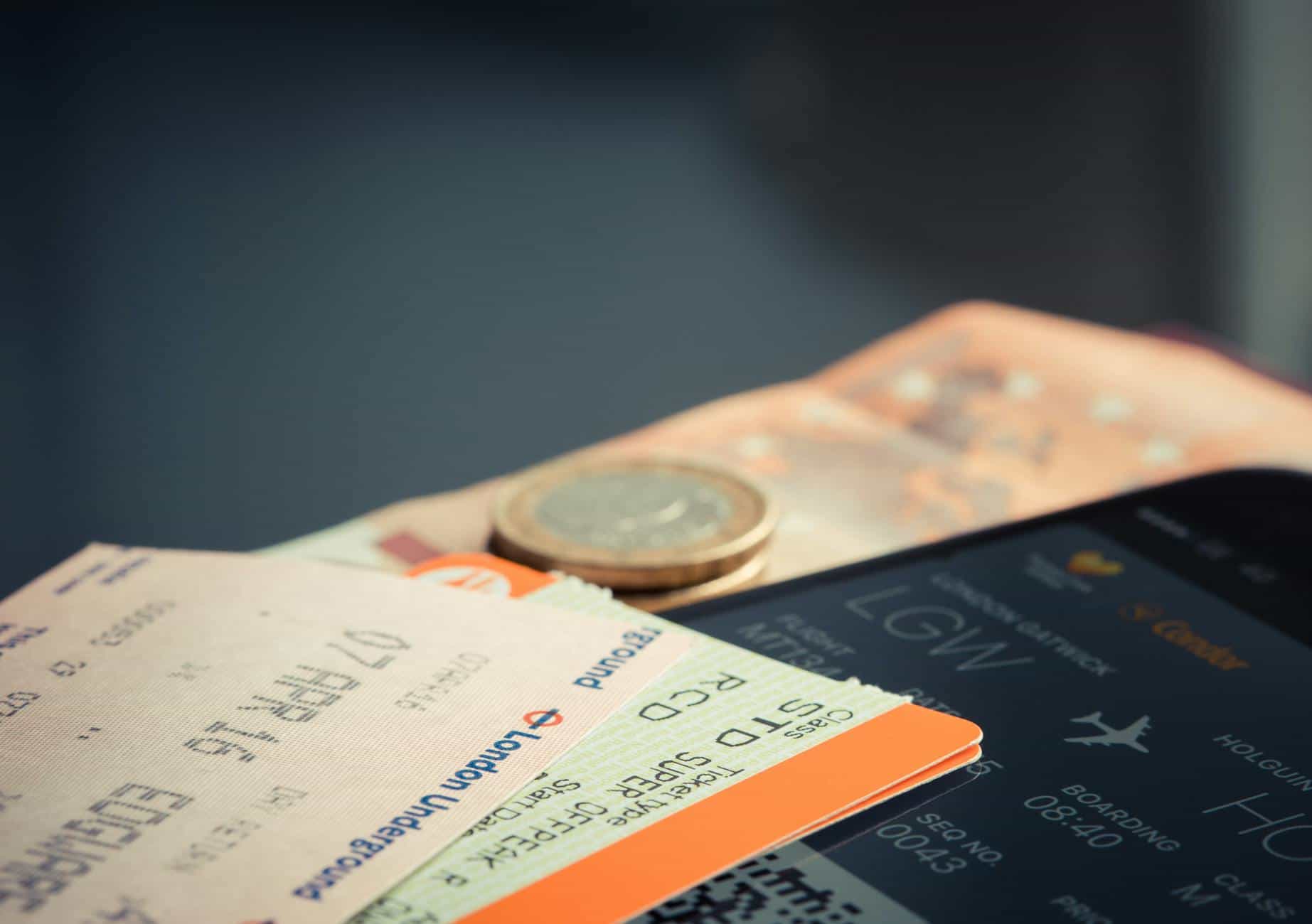
Budget airlines use what’s called an “unbundled” fare model. The base ticket covers exactly one thing: your body in a seat on the plane. Everything else — bags, seat selection, drinks, printing your boarding pass at the airport — is a separate charge. This is not an accident or an oversight. It is the entire business model.
The core fees you’ll encounter across Spirit, Frontier, and Allegiant:
- Carry-on bag fee — This is the one that shocks people most. Your personal item (a small bag that fits under the seat) is usually free. But a carry-on that goes in the overhead bin? That’s $45–$99 depending on when you add it and which airline you’re flying. Adding it during booking is cheapest. Adding it at the gate is the most expensive option and will cost you $100 or more.
- Checked bag fee — Usually $35–$70 depending on the airline, route, and when you add it. Sometimes cheaper than a carry-on, sometimes not.
- Seat selection fee — If you don’t select a seat, the airline will assign you one at random at check-in. Budget airlines charge $5–$55 for seat selection, depending on location and legroom. If you’re traveling with someone and need to sit together, this fee is basically unavoidable.
- Booking fee / service fee — Several budget airlines charge a fee just for booking online unless you book directly on their site. Frontier charges this; so does Allegiant. Using a third-party site adds another layer of fees on top.
- Airport check-in fee — Budget airlines strongly prefer you to check in online. Allegiant charges $5 to check in at the airport instead of via the app. Spirit charges significantly more to get a boarding pass printed at the counter.
Spirit Airlines: The Specific Rules
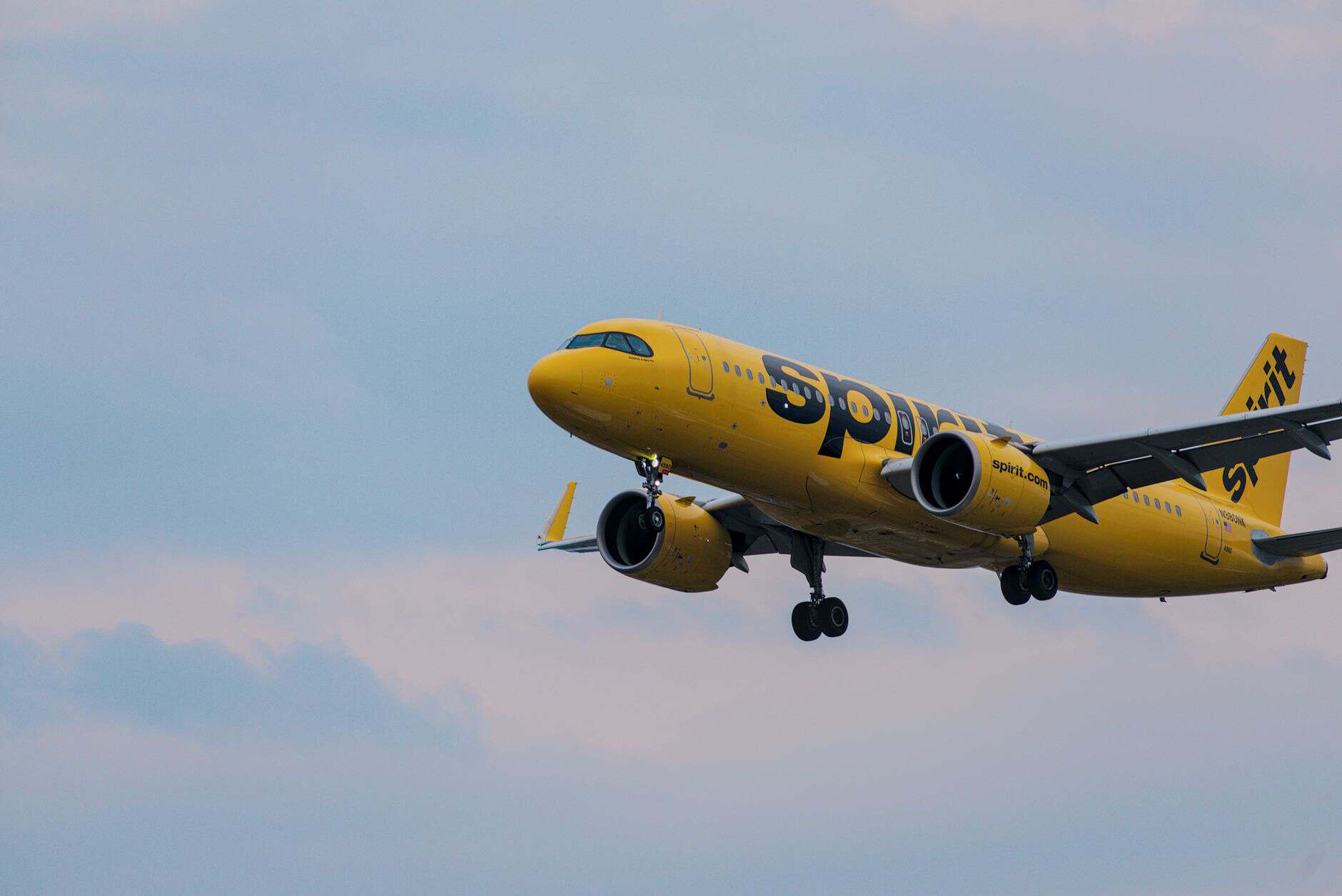
Spirit is the most fee-aggressive of the three, and also the one most people fly for the first time without knowing what they’re getting into.
- Personal item dimensions: 18″ x 14″ x 8″ — This is strict and Spirit gate agents enforce it. The metal sizers at the gate are real. If your bag doesn’t fit, you’re paying at the gate — and the gate fee is $100+.
- The Bare Fare vs. the Bundle — Spirit often offers a “Bundle” option at checkout that includes a carry-on, seat selection, and snacks for a flat fee. Do the math: if you need a carry-on and a seat selection anyway, the bundle is almost always cheaper than buying them separately.
- The $9 Fare Club — Spirit’s membership program ($69.95/year) reduces fees across the board and gives access to unadvertised fares. If you fly Spirit more than twice a year, it pays for itself almost immediately.
- Water on Spirit — Free. They get a reputation for charging for everything, but tap water is free. Bring a reusable bottle.
- Spirit’s on-time performance — Historically poor. The DOT rankings put Spirit near the bottom consistently. Build in extra buffer time if you have a connection or a hard commitment at the other end.
Frontier Airlines: Where They Get You
Frontier is slightly less aggressive on fees than Spirit but has some specific quirks worth knowing:
- The Works Bundle — Frontier pushes a bundle hard during checkout that includes carry-on, seat selection, and a checked bag. Again, do the math — if you need two of those three things, the bundle usually wins.
- Frontier Miles — Frontier’s frequent flyer program is more useful than Spirit’s for earning status that reduces fees. If you fly regionally and Frontier serves your routes, the program is worth enrolling in.
- Stretch Seating — Frontier’s extra legroom seats in row 1 and exit rows are often $25–$35 more and worth it on flights over 2 hours if you’re tall. On a 90-minute hop, skip it.
- The discount den — Frontier’s subscription service ($79.99/year) provides access to deeply discounted fares not available to the public. If Frontier flies your regular routes, this is worth running the math on.
Allegiant Air: The One With the Different Model
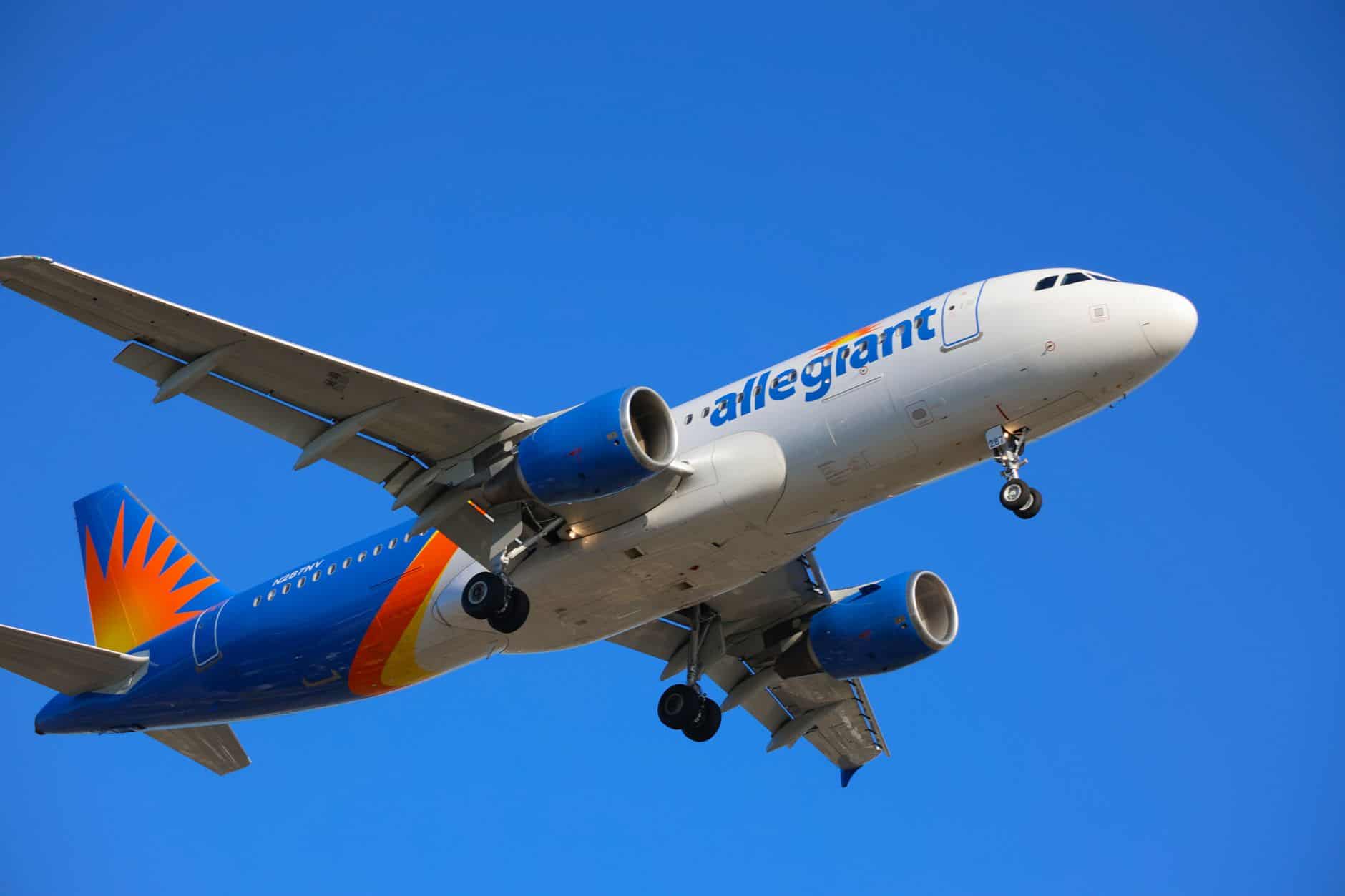
Allegiant operates differently from Spirit and Frontier in one key way: they focus on point-to-point routes between smaller cities, often with no competition. This means the “budget” comparison isn’t always relevant — Allegiant might be the only direct option between Provo and Las Vegas, or between Punta Gorda and Pittsburgh.
- Allegiant doesn’t fly hub-and-spoke — No connections. If they fly your route direct, great. If not, they don’t have a way to get you there at all.
- Allegiant flies older aircraft less frequently — Many routes fly only 2–4 days per week. This makes Allegiant a terrible choice if your schedule is flexible, but a good choice if the specific day you’re flying happens to be one of their operating days.
- The Allegiant credit card — The Allegiant World Mastercard waives the airline’s booking fee, provides a free checked bag, and earns points toward future travel. If you fly Allegiant even twice a year, the $59 annual fee pays for itself quickly.
- Trip Flex — Allegiant’s change/cancel protection ($8–$14 per person) allows you to change or cancel without fees. Given Allegiant’s limited flight schedule, this is almost always worth buying — missing an Allegiant flight can mean waiting 2–3 days for the next one.
The Packing Strategy That Saves You Every Time
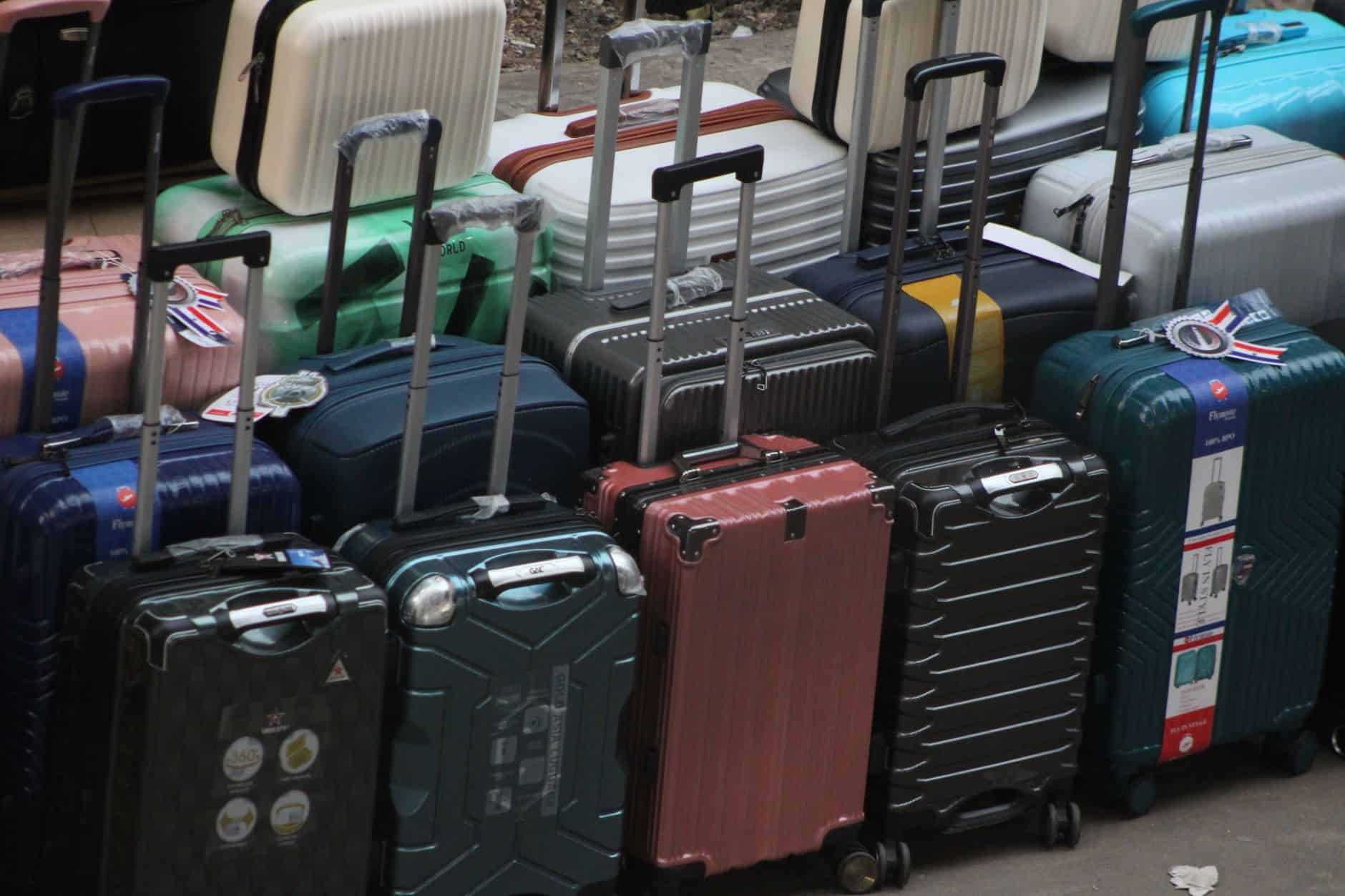
The single biggest variable in your total cost is your bag situation. Here’s the strategy that has saved me money on every budget airline flight I’ve taken in the past four years:
- Invest in a personal item bag that maximizes the allowed dimensions — The Away F.A.R. Away bag, the Osprey Daylite, and the Peak Design Everyday Sling are all designed to maximize the cubic inches allowed in budget airline personal item limits. A bag that perfectly fills a 18″ x 14″ x 8″ allowance holds more than you think.
- Pack using compression cubes — Eagle Creek and Matador both make excellent compression packing cubes. A 4-night trip fits in a personal item if you’re using them.
- Wear your bulkiest items on the plane — Jeans, boots, and a jacket weigh nothing once you’re wearing them.
- Ship bags ahead for longer trips — On trips over 5 nights, shipping a medium-sized box via UPS Ground to your hotel or rental can be cheaper than checked bag fees on a budget carrier. For a family of four, this math is dramatic.
- If you must check a bag, add it during booking — The price difference between adding a bag at booking versus at the gate can be $60–$80 on Spirit and Frontier. Always add bags during checkout, never at the airport.
When Budget Airlines Actually Make Sense (And When They Don’t)
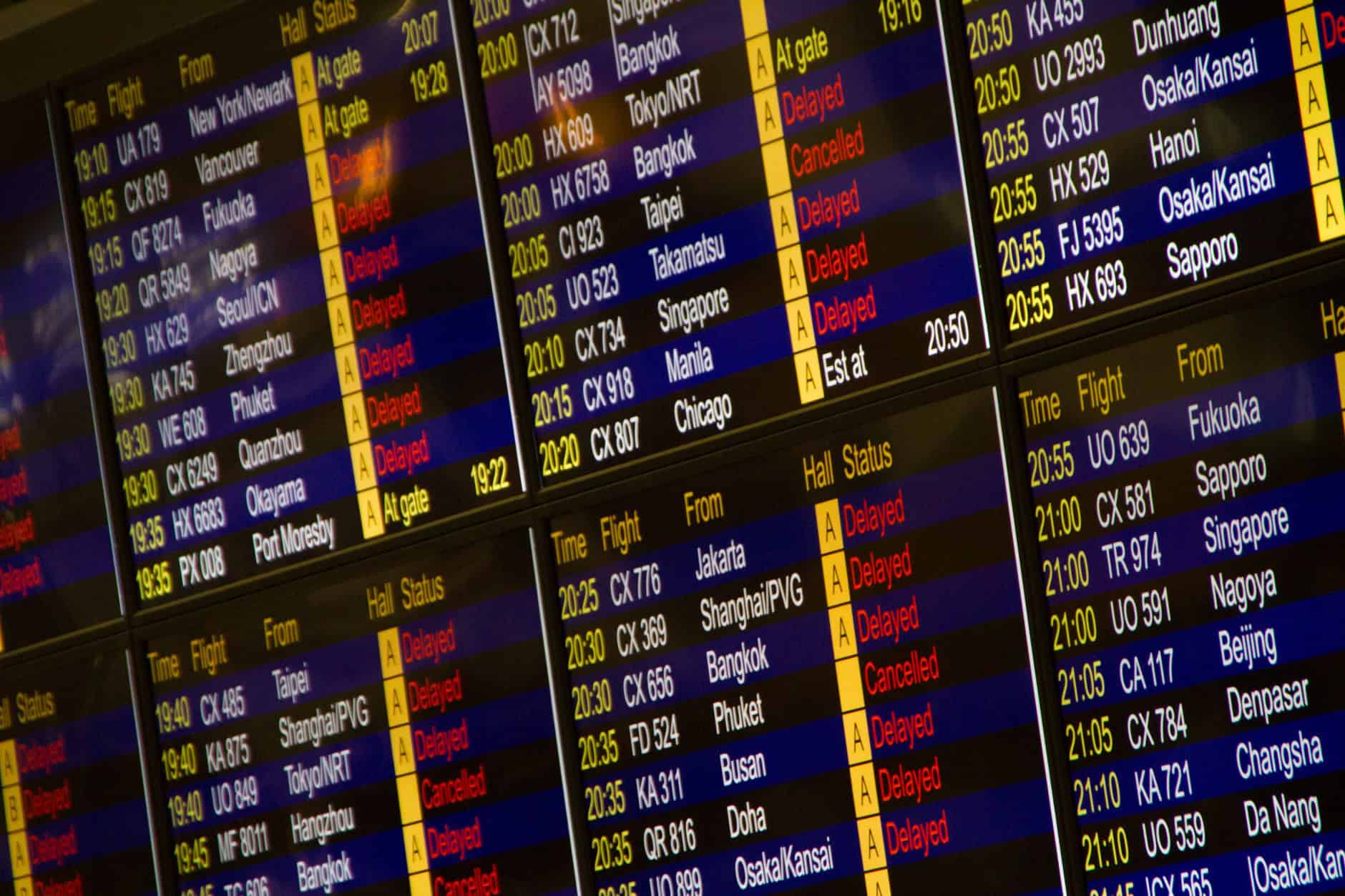
Budget airlines are genuinely worth it in specific situations and actively bad choices in others.
They make sense when:
- You’re flying solo with only a personal item
- The route is short (under 2 hours) and direct
- The price difference from a legacy carrier is $60+
- Your schedule is flexible enough to absorb a delay
- You’re flying leisure, not business (delays matter less)
They don’t make sense when:
- You’re traveling with a family and need multiple seats together plus checked bags — the fee math often puts you above legacy carrier pricing
- You have a connection — budget airline connections are operationally risky
- You need to arrive on time for something important
- You’re traveling with more than a personal item and the fee-adjusted price is within $30 of Delta or Southwest
The golden rule of budget airlines: always do the fee-adjusted comparison before booking. Add your likely bag fees, your seat selection cost, and any bundle costs to the base fare before you compare it to a legacy carrier. Sometimes the budget carrier still wins by $80. Sometimes it doesn’t win at all. The only way to know is the math.