Every State Has a Famous Small Town — Here Are the 50 That Actually Earn the Hype
We may earn money or products from the companies mentioned in this post. This means if you click on the link and purchase the item, I will receive a small commission at no extra cost to you ... you're just helping re-supply our family's travel fund.
Every state has that one small town people always mention. Sometimes it’s on the “charming small towns” listicles. Sometimes it’s the one with the cute main street that gets tagged 40,000 times on Instagram. And sometimes, honestly, it’s a ghost of what it once was — a place that got famous and then got hollowed out by vacation rentals, boutique candle shops, and people who came for the aesthetic and left before dinner.
This list is not that. These are the small towns we’ve visited, researched, and heard about from people who actually live near them — the ones where locals still eat at the diner, the festivals still feel genuine, and arriving there still feels like you found something.
What Makes a Small Town Actually Worth It
Before the list, the criteria. We applied the same filter to every state:
- The town still has a functioning local economy beyond tourism
- There’s at least one genuinely excellent place to eat that locals actually use
- It has a distinguishing characteristic — natural, historical, cultural, or culinary — that is specific and real
- It has not yet been flattened by the wave of generic boutique hotel + wine bar + artisan soap shop development that kills small town character
The Northeast’s Hidden Gems
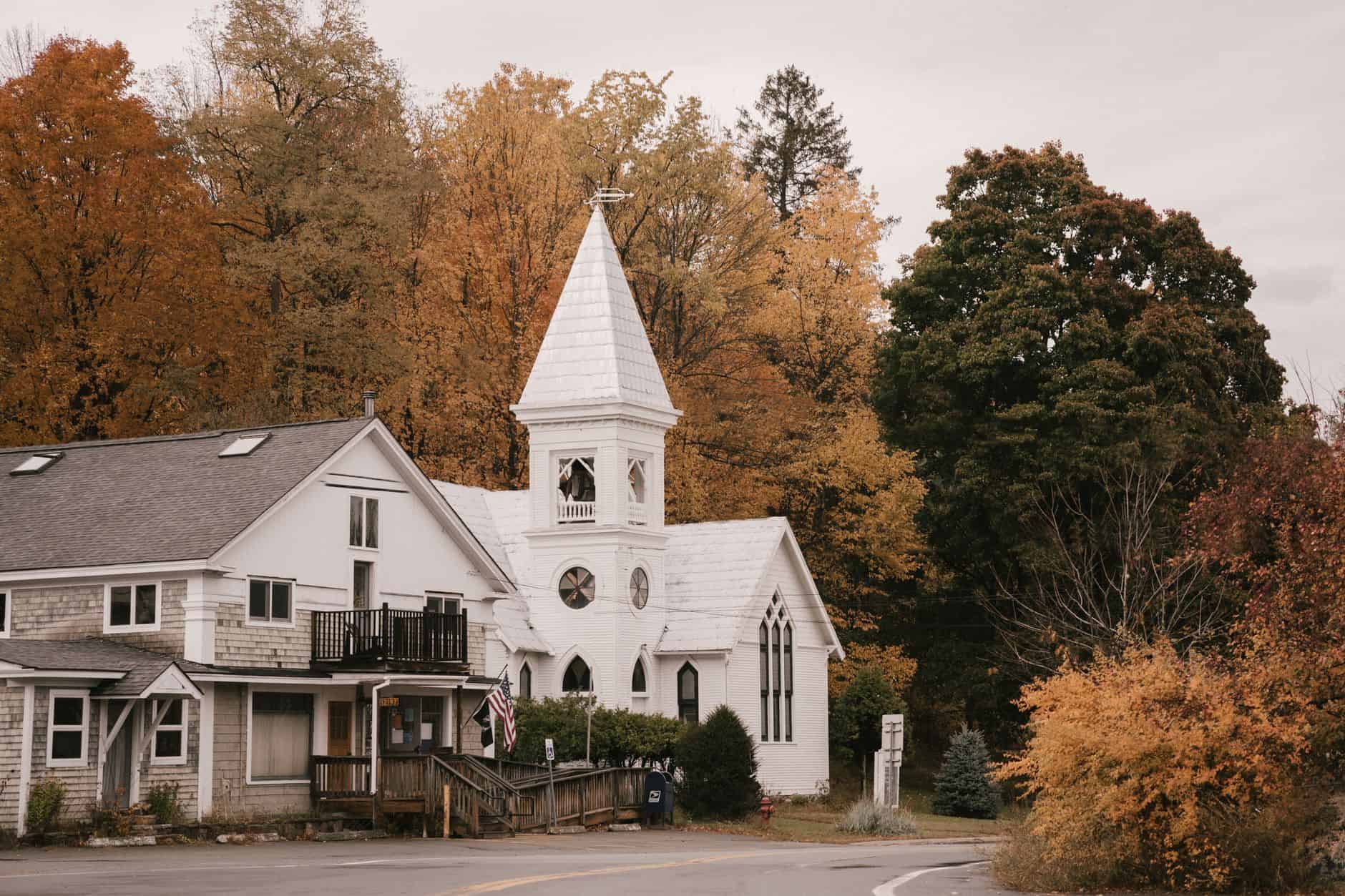
- Maine — Castine — Skip Bar Harbor (it’s fine, but it’s also a cruise ship staging area in summer). Castine sits on a peninsula in Penobscot Bay with almost no commercial development, a maritime academy, and Revolutionary War-era architecture that still looks the way it looked 200 years ago. The harbor view from the inn is genuinely breathtaking.
- Vermont — Grafton — More preserved than Woodstock (which gets all the press) and far less crowded. The Grafton Inn has been operating since 1801. The cheese company makes one of the best aged cheddars in New England. In fall, it looks like a postcard that somehow hasn’t been turned into a postcard yet.
- New Hampshire — Meredith — Lake Winnipesaukee access without the Weirs Beach crowds. Honest ice cream shops, good marinas, and an arts center that punches above its weight. In October the foliage around the lake is extraordinary.
- Massachusetts — Shelburne Falls — The Bridge of Flowers — literally a former trolley bridge planted entirely in flowers — is one of the most quietly magical things in New England and almost nobody knows it exists.
- Connecticut — Essex — A Connecticut River town with a genuine colonial-era maritime identity and a Main Street that hasn’t been replaced by chain stores. The Griswold Inn has been operating since 1776 and still serves a Sunday Hunt Breakfast that people drive two hours for.
- Rhode Island — Little Compton — The part of Rhode Island that Rhode Islanders go to when they want to get away from Newport tourists. Farm stands, stone walls, a common that looks like it was designed by Norman Rockwell, and the best clam chowder you’ll find anywhere.
- New York — Hammondsport — At the southern tip of Keuka Lake in the Finger Lakes, this tiny town has more going for it per square foot than almost anywhere: a great wine trail, Glenn Curtiss aviation history, a village green with gazebo, and Lake Keuka views that look almost Alpine.
- New Jersey — Cape May — Yes, people know about it. But it still delivers — the largest collection of Victorian architecture in the US, a working beach culture that hasn’t been entirely overrun, and a food scene anchored by the Washington Inn that holds up against restaurants twice its size in cities four times as big.
- Pennsylvania — Jim Thorpe — Called “the Switzerland of America” by Asa Packer, who built a mansion there you can still tour. The Lehigh Gorge is stunning, the downtown is carved into a hillside, and the Victorian architecture rivals anything in the Northeast.
The South’s Best Kept Secrets
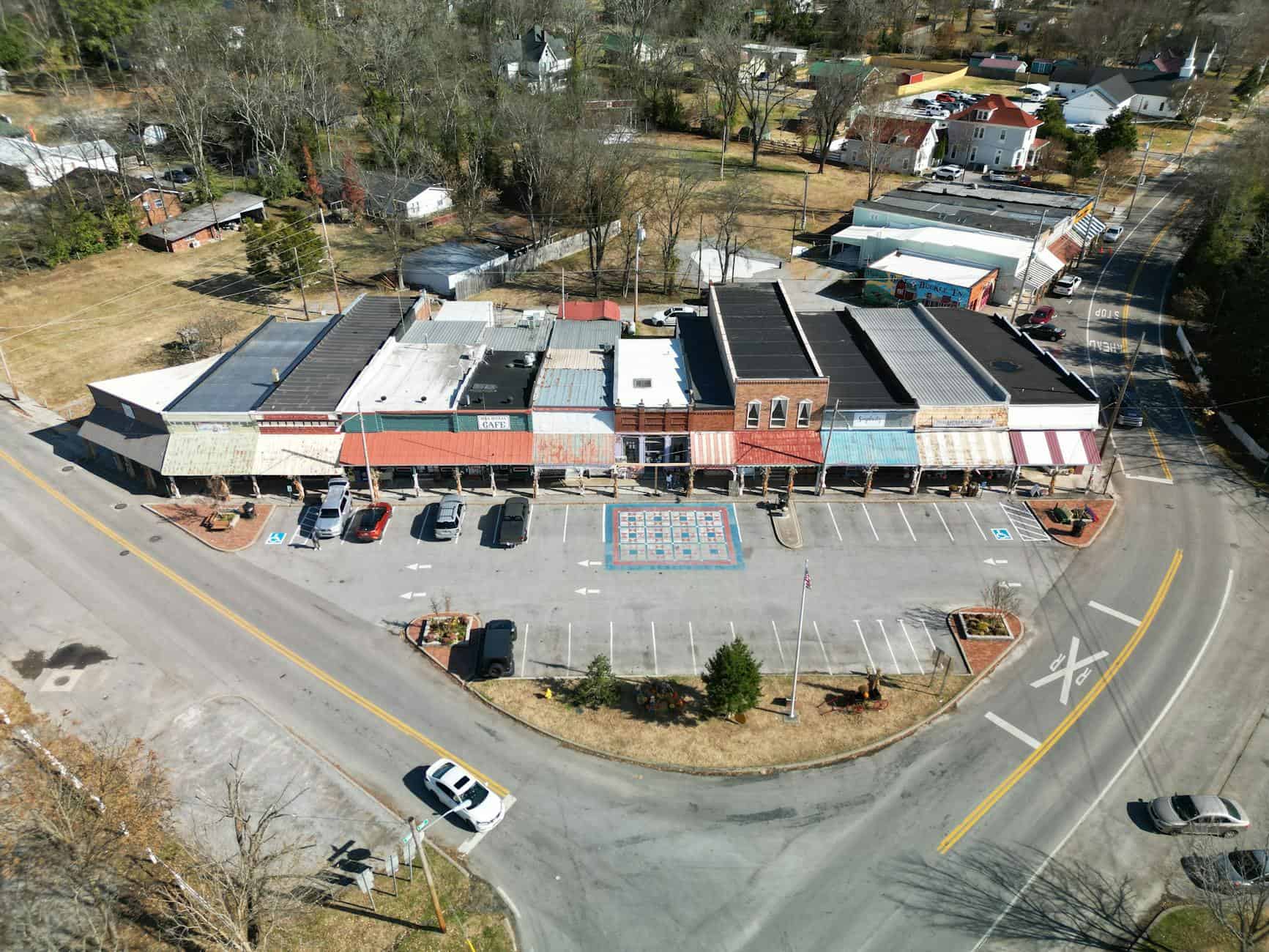
- Virginia — Washington, VA — Population under 200. Home to the Inn at Little Washington, one of the most decorated restaurants in American history. The village itself is one block of Federal-period buildings and total quiet. It’s a flex to go to a restaurant in a town this small.
- North Carolina — Ocracoke — Accessible only by ferry. No traffic lights. The village is small enough to walk in 20 minutes. The seafood is the real deal because the fishing fleet is right there. The pirate history is genuine — Blackbeard was killed in the inlet.
- South Carolina — McClellanville — A working shrimping village 45 minutes north of Charleston with almost zero tourist development. The Carolina Lowcountry here is raw and beautiful. The shrimp are pulled off boats 200 yards from where you eat them.
- Georgia — Senoia — Famous as the filming location for The Walking Dead but worth visiting for its authentic antebellum architecture and small-town Georgia vibe that predates the film industry’s arrival by about 150 years.
- Tennessee — Wartburg — Frozen Head State Park alone is worth the drive. The town itself is gateway to the real Appalachian Tennessee, not the Gatlinburg carnival version. The annual Barkley Marathons finish here, which tells you something about the terrain.
- Alabama — Mentone — Perched on Lookout Mountain with views that people in expensive Tennessee towns pay a lot more to get. Artisan craft culture, mountain hiking, fall foliage that matches anything in New England, and an almost comical lack of crowds.
- Mississippi — Port Gibson — Ulysses Grant said it was “too beautiful to burn.” The church with the golden hand on the steeple is one of the most photographed buildings in the South. The antebellum homes here rival Natchez at a fraction of the tourist footprint.
- Louisiana — St. Francisville — Plantation culture, Spanish moss, the best bed and breakfasts in Louisiana outside of New Orleans, and a literary festival every spring that draws serious writers. The bluffs above the river here look nothing like anything else in the state.
- Arkansas — Eureka Springs — A Victorian resort town in the Ozarks where the streets are so steep they built them on multiple levels. The entire downtown is on the National Register. The arts scene is surprisingly robust for a town of 2,000 people.
- Florida — Apalachicola — Before the oyster crisis hit, this was the oyster capital of the South. It’s recovering slowly and the town itself — a working fishing port with Victorian architecture and zero beach resort development — is the most authentically Floridian place in Florida.
- Kentucky — Bardstown — The self-proclaimed Bourbon Capital of the World and one of the few places in the country where that title is actually justified. The distillery tours here are substantive, the downtown is beautiful, and the food has gotten legitimately excellent.
Midwest Towns That Overdeliver
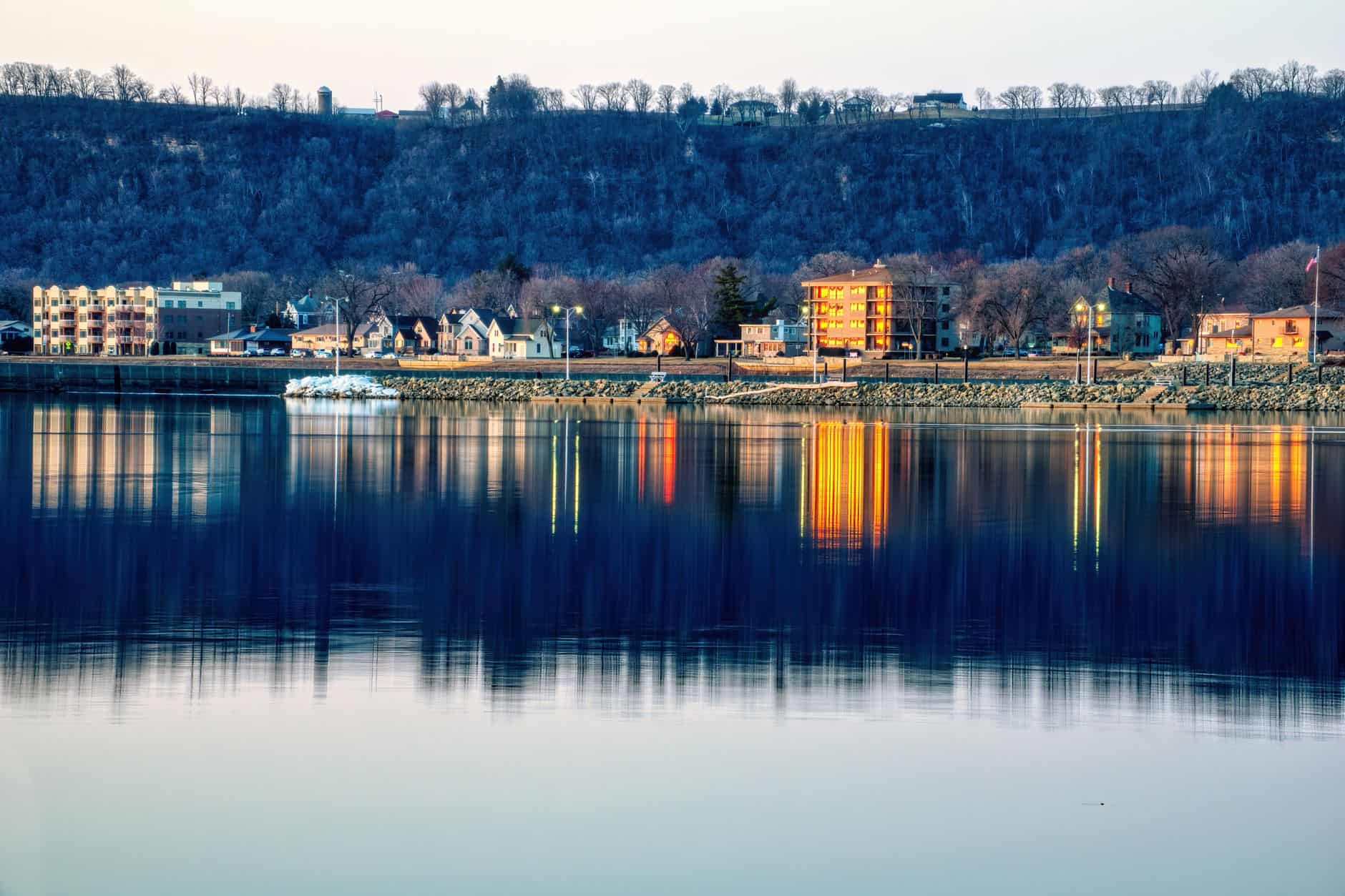
- Ohio — Yellow Springs — A progressive arts community with a nature preserve, Antioch College, the best independent bookstore in the state, and a downtown that manages to feel genuinely bohemian without being performatively so.
- Indiana — Nashville, IN — The real Nashville that predates the one in Tennessee. Brown County State Park surrounds it, the fall foliage is extraordinary, and the craft culture is old enough to have real depth.
- Michigan — Saugatuck — An arts colony on Lake Michigan that has somehow maintained its character despite being two hours from Chicago. The dunes are spectacular. The galleries are real. The chain restaurants have not arrived yet.
- Wisconsin — Mineral Point — A lead-mining town that became an arts colony and maintained both identities. The stone buildings built by Cornish miners in the 1830s are still standing and still used. It’s one of the most distinctive downtowns in the Midwest.
- Minnesota — Lanesboro — In the Root River Bluff country, with a paved bike trail along the river, a thriving arts scene, and a Main Street that feels like it was preserved in amber sometime around 1952 — in the best possible way.
- Iowa — Decorah — Norwegian heritage, a trout stream running through town, a remarkable folk school, and access to the Driftless Area landscape that looks like Iowa decided to secretly become Vermont.
- Missouri — Ste. Genevieve — The oldest permanent European settlement west of the Mississippi, with 18th-century French Creole buildings that exist nowhere else in the country. The wine trail here is surprisingly excellent.
- Kansas — Council Grove — A Santa Fe Trail town where the history isn’t manufactured — the actual trail ruts are still visible in the surrounding fields, and the Kaw Methodist Mission and Last Chance Store are the real thing.
- Nebraska — Hastings — The birthplace of Kool-Aid and home to the Kool-Aid Days festival, which is exactly as joyfully absurd as it sounds. The Hastings Museum is genuinely world-class for a city this size.
- South Dakota — Custer — The staging point for Custer State Park (where the wildlife loop is one of the most underrated drives in the country) and within striking distance of both the Needles Highway and the Crazy Horse Memorial.
- North Dakota — Medora — The gateway to Theodore Roosevelt National Park, and a small town that has fully committed to being an 1880s frontier experience — not in a theme park way, but in a “this was a real place and it still kind of is” way.
The West’s Most Underrated Small Towns
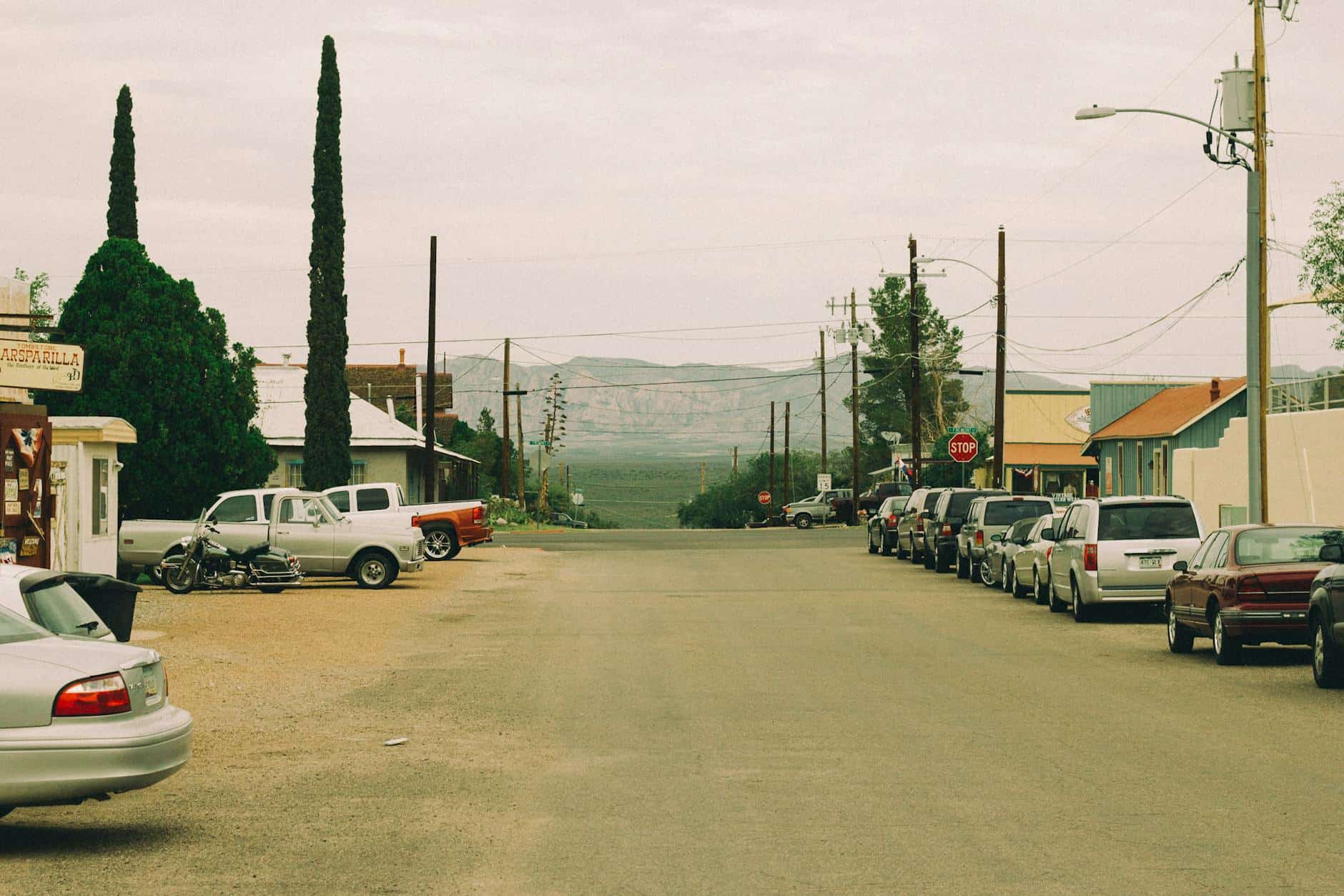
- Montana — Philipsburg — A silver-mining ghost town that never fully became a ghost town. The Sweet Palace candy store is legitimately one of the most joyful places in Montana. The sapphire mines around town let you dig your own gems.
- Idaho — Sandpoint — Lake Pend Oreille is the largest lake in Idaho and Sandpoint sits on its shores with a ski mountain, a music festival, a walkable downtown, and the kind of natural setting that makes real estate prices go up the moment people find out about it.
- Wyoming — Thermopolis — Home to the largest mineral hot springs in the world, a state-run free bath house (free!), dinosaur excavation sites, and almost nobody there when you visit.
- Colorado — Salida — On the Arkansas River with whitewater access, surrounded by more 14ers than almost any other town in the state, and with an arts district that punches well above its weight. It’s what Aspen was before the money arrived.
- New Mexico — Cimarron — The St. James Hotel has more bullet holes in its ceiling than almost any building still operating in the country. It’s sat at the edge of the Sangre de Cristo Mountains since 1872 and served everyone from Jesse James to Wyatt Earp.
- Arizona — Bisbee — A former copper mining city built into the hillside of the Mule Mountains with mid-century architecture, an active arts community, and a counterculture identity it has maintained since the 1970s despite being 90 miles from the border.
- Utah — Moab — Yes, it’s known. But it still delivers in a way that justifies the crowds — two national parks within 30 minutes, the most dramatic red rock in the country, and enough mountain biking to keep you busy for a month.
- Nevada — Virginia City — The Comstock Lode silver boomtown that funded the Union cause in the Civil War. The original wooden boardwalks are still there. The saloons still have original bars. Mark Twain learned to write here.
- California — Ferndale — A Victorian village in Humboldt County that local dairy farmers built in the 1880s and which has been remarkably well-preserved. It’s one of the least-visited remarkable places in California — probably because it’s four hours from San Francisco in the wrong direction.
- Oregon — Joseph — At the foot of the Wallowa Mountains (the Alps of Oregon), with a bronze sculpture industry that has made it surprisingly significant in American fine arts, and access to Hells Canyon, the deepest river gorge in North America.
- Washington — Leavenworth — Yes, the Bavarian thing is a bit much. But the setting is real — the Cascade Mountains backdrop is genuinely Alpine — and the Christmas market is one of the most spectacular seasonal events in the Pacific Northwest.
- Alaska — Talkeetna — The town where climbers stage their Denali expeditions, with a Main Street that has changed almost nothing since the 1920s and a mountain view from town that stops people mid-sentence.
- Hawaii — Hana, Maui — At the end of one of the most dramatic drives in the country, a town with almost no development and almost no services — which is exactly the point.
How to Visit Small Towns Without Being That Tourist
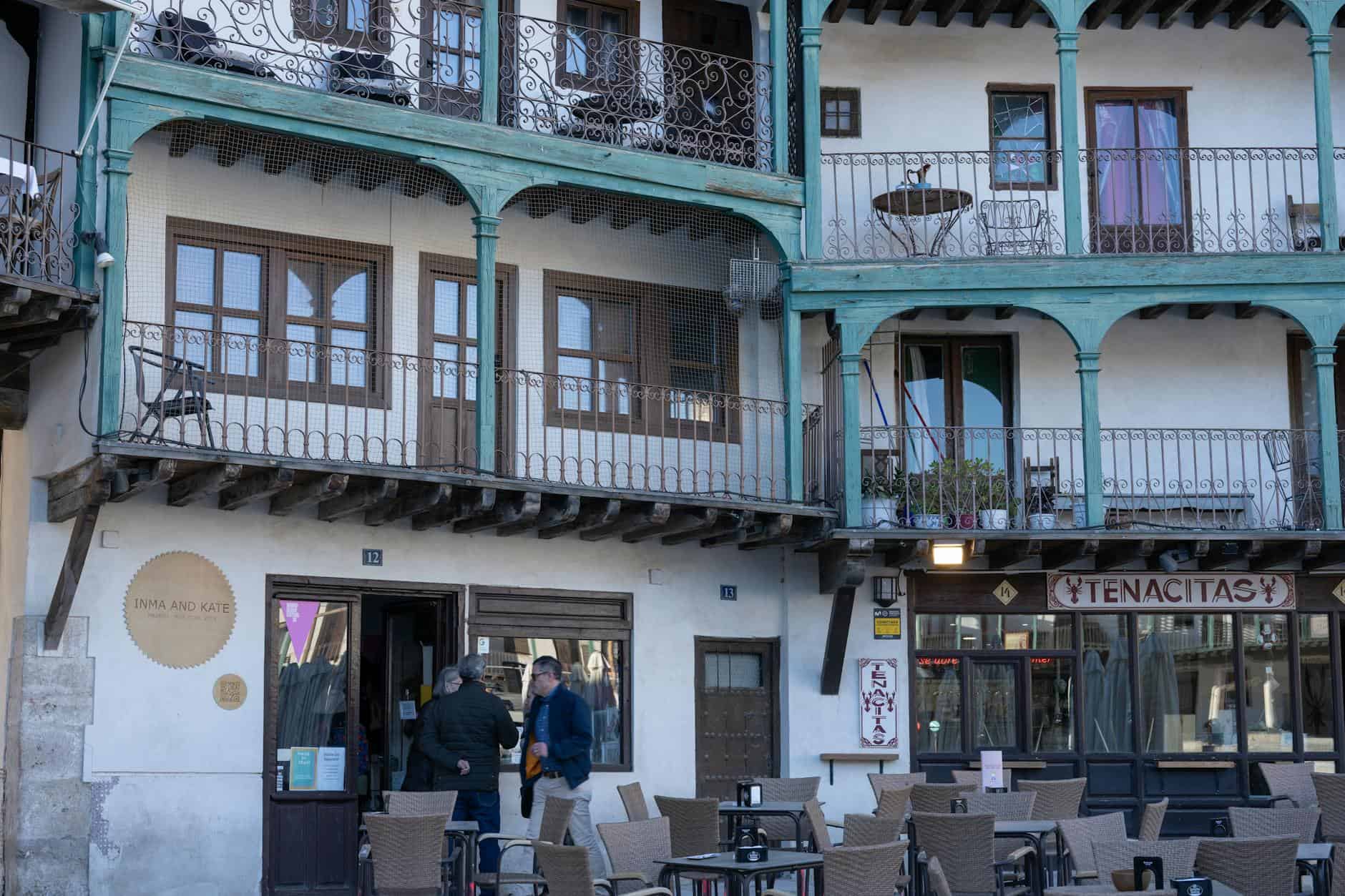
The fastest way to ruin a small town for everyone, including yourself:
- Showing up on a Saturday in October without a reservation anywhere — housing, restaurants, lodging — and being surprised when everything is full
- Treating local businesses as photo props
- Driving through without stopping at anything that doesn’t have a TripAdvisor page
The slower way — which is better:
- Go on a weekday, or shoulder season
- Eat somewhere without a big sign
- Ask the person behind the counter where they eat on their day off
- Book a local B&B instead of the chain hotel at the highway exit
- Stay two nights minimum — one night is a drive-through
The towns on this list are still worth visiting because they haven’t been loved to death yet. Keep it that way.