Airbnb Hosts Finally Said the Quiet Part Out Loud — Here’s What Guests Do That Costs Everyone Money
We may earn money or products from the companies mentioned in this post. This means if you click on the link and purchase the item, I will receive a small commission at no extra cost to you ... you're just helping re-supply our family's travel fund.
Sarah has been hosting on Airbnb for six years. She manages three properties in Nashville, maintains a Superhost badge, and smiles through every checkout message. But last year, after a guest left her downtown condo smelling like a Waffle House at 2am and somehow broke a shower curtain rod that had survived 300 check-ins, she joined a private Facebook group for hosts and finally said everything she’d been biting her tongue about.
She’s not alone. That group has 47,000 members.
We spent three weeks inside those groups, direct messaging hosts, and pulling apart the recurring themes. What we found is a widening gap between what guests assume is fine and what hosts are silently absorbing — sometimes literally paying for out of their own pockets. Here’s the full, unfiltered breakdown.
The Stuff Hosts Can’t Say in Reviews (But Really Want To)

Airbnb’s review system is, by design, a little bit hostage-like. Hosts and guests review each other simultaneously, and neither sees the other’s review until both are submitted — or the window expires. Which means many hosts are self-censoring.
“I can’t say ‘this guest microwaved fish at midnight and smoked on the balcony even though I have a no-smoking policy in giant bold letters,’ because then they’ll retaliate and call my place dirty,” said Marcus, a host in Asheville, NC, who rents out a cabin. “I just say ‘would recommend’ and quietly add them to my blocked list.”
Here’s what hosts are too nervous to put in reviews, but said to us directly:
- The guest who ignored every check-in instruction — Hosts spend real time writing check-in guides. When guests call at 10pm asking where the keypad code is (it’s in the app, in the confirmation email, and pinned in the chat), it’s not endearing. Multiple hosts told us this is the single most common friction point.
- The guest who treated the place like a hotel — Meaning: left every dish dirty, threw towels on the floor, didn’t take out the trash despite clear instructions. “I’m not a hotel,” said Dana from Scottsdale. “I don’t have a cleaning crew on standby. When you leave it destroyed and check-out is at 10am with a new guest at 3pm, I am the cleaning crew.”
- The guest who brought five extra people — Listings are priced by guest count partially because of utility costs. Hosts who are on Airbnb’s Plus or Luxe tiers get charged more in cleaning fees based on occupancy. Showing up with eight people for a listing that sleeps four isn’t a clever workaround — it’s a terms violation that can get your account suspended.
- The guest who lied about the occasion — Telling a host you’re celebrating a birthday is fine. The problem is when “birthday dinner for 6” turns into a 30-person party with a DJ. Hosts in cities with party house crackdowns (Miami, LA, Nashville) have zero tolerance for this now — and Airbnb will remove the listing entirely after one noise complaint.
The Charges You Don’t See Coming
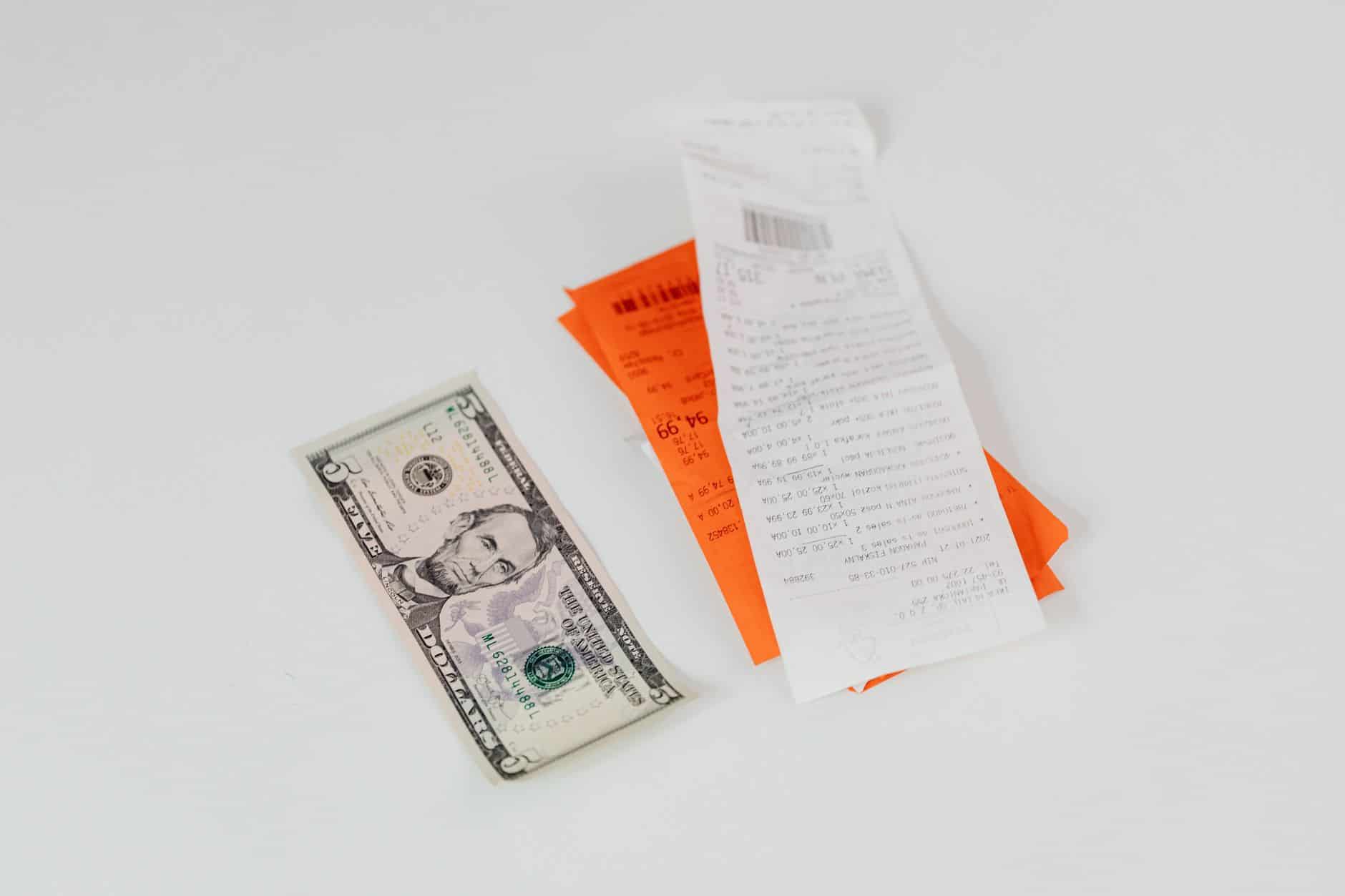
This is the part that actually costs guests money, and most people don’t realize it until they’re disputing a charge on their credit card.
Hosts can file damage claims through Airbnb’s AirCover protection within 14 days of checkout. The system allows hosts to submit documentation and request reimbursement for actual damages — and Airbnb will often charge the guest’s card automatically if the host provides photos and a reasonable estimate.
Here’s what triggers legitimate damage claims that guests are often blindsided by:
- Stains on linens or upholstery — That wine spill you thought was dry and invisible? The cleaning crew sees it, photographs it, and documents it. Replacement costs for quality linens can run $80–$200 per set.
- Unauthorized pets — A single dog hair in a no-pet property triggers a deep clean that hosts can charge for. Several hosts told us they’ve charged $150–$400 for unauthorized pet cleaning. One host in Denver said she can tell within 30 seconds of entering a unit whether a dog was there.
- Excessive cleaning beyond normal checkout — Most hosts define “normal” clearly in their listing. If they say “start the dishwasher,” they mean it. If dishes are left with dried food and there’s garbage everywhere and the cleaning crew has to spend an extra two hours, a cleaning fee supplement can be charged.
- Lost or broken items — Keys, remotes, charging cables provided by the host — all documented. Marcus told us he lost $80 on an Apple TV remote last summer from a guest who claimed they “never touched it.” He had photos of it in the welcome guide and photos of it missing at checkout.
What Actually Gets a Listing Pulled

Airbnb’s enforcement has tightened dramatically since the party house scandals of 2019–2022. Hosts can now lose their listing permanently after a single serious violation. Here’s what hosts told us puts them most at risk — caused directly by guest behavior:
- Noise complaints to local authorities — Many cities have passed ordinances specifically targeting STRs (short-term rentals). A single 911 noise call to a rental property in cities like New Orleans, Austin, or Miami can trigger a city-level investigation that results in the host’s operating permit being revoked. Hosts lose not just the listing but potentially $50,000–$200,000 in annual income.
- Tampering with security cameras or noise monitors — Hosts are legally required to disclose exterior cameras and noise monitors, and most do. When guests cover or unplug a disclosed noise monitor, it creates an immediate flag in Airbnb’s system. “I had a guest unplug my NoiseAware sensor,” said Priya, a host in Austin. “Airbnb’s system flagged it, messaged me, and then when there was a complaint, my listing was under review for a month.”
- Subletting or “pass-along” bookings — The person who books must be the person who stays. This seems obvious but hosts report a surprisingly common pattern: someone books, then sends a rotating group of friends. It violates Airbnb’s terms and, in regulated cities, may also violate local law.
The Small Things That Make Hosts Give You 5 Stars Automatically

Here’s the flip side — and it’s genuinely simple. Hosts we spoke to were effusive about the guests they loved, and the behaviors that earned automatic five-star reviews were almost embarrassingly basic:
- Messaging when you arrive to say you made it in fine
- Starting the dishwasher before checkout
- Stripping the beds (or at least piling linens in one place)
- Taking out the trash
- Leaving a note — actual guests who leave a handwritten thank-you get talked about in those Facebook groups in the most glowing terms
- Letting the host know about a minor issue (a lightbulb out, a slow drain) so they can fix it before the next guest, rather than leaving it as a review surprise
“My dream guest stripped the beds, left a Post-it that said ‘drain in second bathroom is slow,’ and sent me a message that said thanks, great spot,” said Dana. “I would rent to that person forever.”
How to Be the Guest Every Host Fights Over

Being a great Airbnb guest is genuinely not hard. It mostly comes down to treating the space like you’re borrowing something valuable from a real person — because you are.
- Read the check-in instructions before you arrive — not in the parking lot, not while standing at the door. The whole guide, before you leave for the property.
- Message the host when you arrive — one sentence. “We’re in, everything looks great.” Hosts sleep better after that message.
- Report problems immediately — if the hot water is cold, the WiFi is down, or the TV remote is missing, say something. Hosts would rather fix it than have it appear in a review.
- Follow the checkout instructions exactly — they exist for a reason, and that reason is usually that a new guest is coming in four hours.
- Be honest in your review — if something was wrong with the property, say so constructively. Hosts who get specific, honest feedback improve their listings. Hosts who get vague one-star reviews without explanation often don’t even know what to fix.
The Airbnb ecosystem only works when both sides treat each other like humans. Right now, hosts are increasingly burning out, pulling listings, and moving to VRBO or direct-booking sites. The ones who stay are the ones with guests who make it worth it. Be one of those guests.