I’ve Traveled Solo to 40+ Countries as a Woman — These Are the 12 Non-Negotiable Rules I Never Break
We may earn money or products from the companies mentioned in this post. This means if you click on the link and purchase the item, I will receive a small commission at no extra cost to you ... you're just helping re-supply our family's travel fund.
Why I Travel Alone — And Why You Should Too

I’ve taken solo trips to 40+ countries on five continents. I’ve navigated the medinas of Morocco at night, hiked jungle trails in Costa Rica at dawn, and taken overnight trains through Eastern Europe alone more times than I can count. I am not particularly brave or unusually cautious. I am prepared. There is a significant difference.
The conversation around solo female travel tends to go one of two ways: either it’s dismissed as reckless (because surely a woman alone can’t be safe?) or it’s treated as a constant exercise in fear and vigilance. Both framings are wrong, and both are unhelpful. The truth is that solo travel is one of the most empowering, transformative experiences a woman can have — and the 12 habits I’m about to share aren’t about fear. They’re about operating with intelligence in environments you haven’t memorized yet. Most of these habits I’d recommend to any solo traveler regardless of gender. The ones that are specific to women traveling alone are marked clearly. Let’s get into it.
Rules 1–4: How You Present Yourself to the World
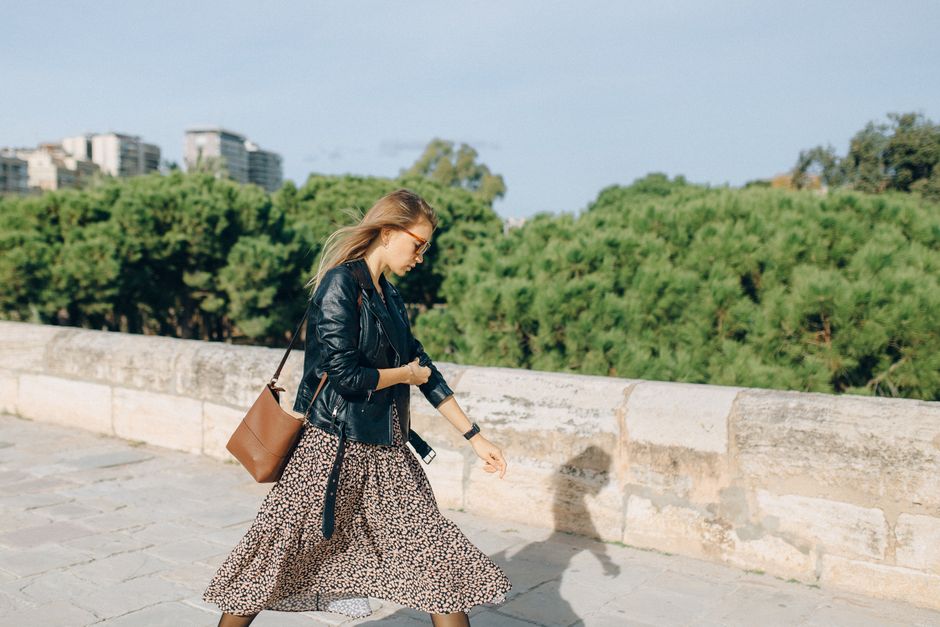
Rule 1: Dress to blend in. Before any trip, spend 20 minutes on Instagram and TikTok searching the city or region you’re visiting. Look at what local women — not travel influencers, not tourists, actual locals — are wearing. This is your dress code research. In general: avoid bright colors, American logos, branded athletic wear, and anything that signals “I am on vacation and not from here.” In conservative countries or regions (Morocco, parts of Southeast Asia, rural Mediterranean), covering shoulders and knees is both a legal requirement at many sites and a practical safety habit. In cities like Tokyo, Lisbon, or Reykjavik, the dress code concern is more about blending in than coverage. The goal is to look like someone who lives there — or at least someone who’s lived there before.
Rule 2: The right bag, worn correctly. Your bag is the most important piece of safety equipment you own. An anti-theft crossbody bag worn across your torso with the bag resting against your stomach — not your hip — is the correct configuration for crowded transit, markets, and tourist areas. Zippers should always face toward you and be visible to you. Never wear a backpack on your back in a crowd, on a metro, or anywhere you cannot monitor the zipper constantly. If you’re carrying a backpack, flip it to your front in crowded areas and cross your arms over it. An RFID-blocking lining protects your cards from electronic pickpocketing, which is genuinely a concern in some high-density areas.
Rule 3: Drinks — non-negotiable rules. Buy sealed bottles and crack them yourself. If you order a drink at a bar, watch it being poured. Never, under any circumstances, set a drink down, walk away, and pick it up again. This is the rule I would drill into every woman traveling solo regardless of destination. Drug-facilitated assault happens everywhere in the world — in five-star hotel bars in Dubai and dive bars in Buenos Aires alike. It is a non-negotiable, no-exceptions habit. The inconvenience of keeping a drink with you or ordering a new one costs you essentially nothing. The alternative cost is catastrophic.
Rule 4: Accommodation — what to look for and what to verify. Before booking, search specifically for reviews that mention solo female travelers or women traveling alone. Platforms like iOverlander, Hostelworld reviews, and TripAdvisor have searchable review text — use it. When you check in, verify that your room door locks properly — not just the key card but any interior deadbolt or chain — before accepting the room. If it doesn’t lock properly, ask to be moved. Know where the nearest police station is before you need it. Choose accommodations where a front desk is staffed 24 hours; if you feel unsafe at 2am, you want a human available.
Rules 5–8: Staying Safe When You’re Out

Rule 5: Location sharing is non-negotiable. Before every outing, text or share your live location with someone at home. Not just “I’m going to explore the city today” but specific: “I’m taking the metro to the old town, should be there by 2pm, dinner at [restaurant name], back to the hotel by 9pm.” If something changes, send an update. When you get in a private car or rideshare, text the plate number, the driver’s name, your pickup location, and your estimated arrival time to someone who will notice if you don’t check in. This habit takes 45 seconds and has saved lives.
Rule 6: The follower test. If you suspect someone is following you — and I mean genuinely following, not just walking in the same direction — do not walk to your accommodation. Do not walk down a quiet street. Instead, walk into a busy shop, a hotel lobby, or a police station. Do an abrupt 180 degree turn on a crowded street. Walk against foot traffic for a block. If someone is casually behind you, these moves will cause them to keep walking. If someone is deliberately tracking you, these moves give you time to get into a safe environment and reassess. You can also raise your phone and film your surroundings in a 360 sweep — this is both a deterrent and a record.
Rule 7: Night rules. Do your best not to walk alone after dark in unfamiliar areas. This is not about fear — it’s about statistical risk reduction. The majority of incidents involving solo female travelers happen at night, in low-traffic areas, when the traveler is returning from a bar or restaurant alone. If you’re going out at night, go with others, stick to busy and well-lit streets, plan your return route before you leave, and have your accommodation address ready to show a rideshare driver. Know where you’re going before you walk out the door.
Rule 8: Confident body language. Looking lost is the single biggest vulnerability signal a solo traveler can project. Head up. Purposeful stride. Phone in your pocket when you’re walking. If you need to check maps, step into a doorway, a café, or a shop — somewhere you’re not standing motionless on a sidewalk with your screen visible to everyone passing. Confident body language doesn’t mean aggressive or unfriendly — it means you look like you know where you’re going, even when you don’t. This posture is a genuine deterrent to opportunistic targeting.
Rules 9–12: The Habits That Take 60 Seconds and Might Save Your Life

Rule 9: Local emergency numbers. You know 911. You may not know that in EU countries, the universal emergency number is 112 — it works from any phone, including phones with no SIM card, in every EU member state. In the UK it’s 999. In Australia, 000. In Japan, 110 for police and 119 for ambulance/fire. Look up these numbers for every country you’re visiting — it takes one minute, write them in your notes app — and keep them accessible without internet. Some countries also have specific tourist police hotlines (Egypt’s tourist police, Morocco’s Brigade Touristique) that are worth knowing.
Rule 10: Trust your gut — completely and immediately. This is the rule that experienced solo travelers cite most consistently when asked what kept them safe. If a situation feels wrong, leave. Don’t talk yourself out of it. Don’t second-guess it. Don’t worry about being rude. You do not owe anyone an explanation for walking out of a taxi, leaving a bar, changing your seat on a train, or cutting a conversation short. Your nervous system has accumulated thousands of hours of social data and it flags anomalies for a reason. The women who get into trouble disproportionately report having felt something was wrong and ignored it. Trust the feeling first; analyze it later.
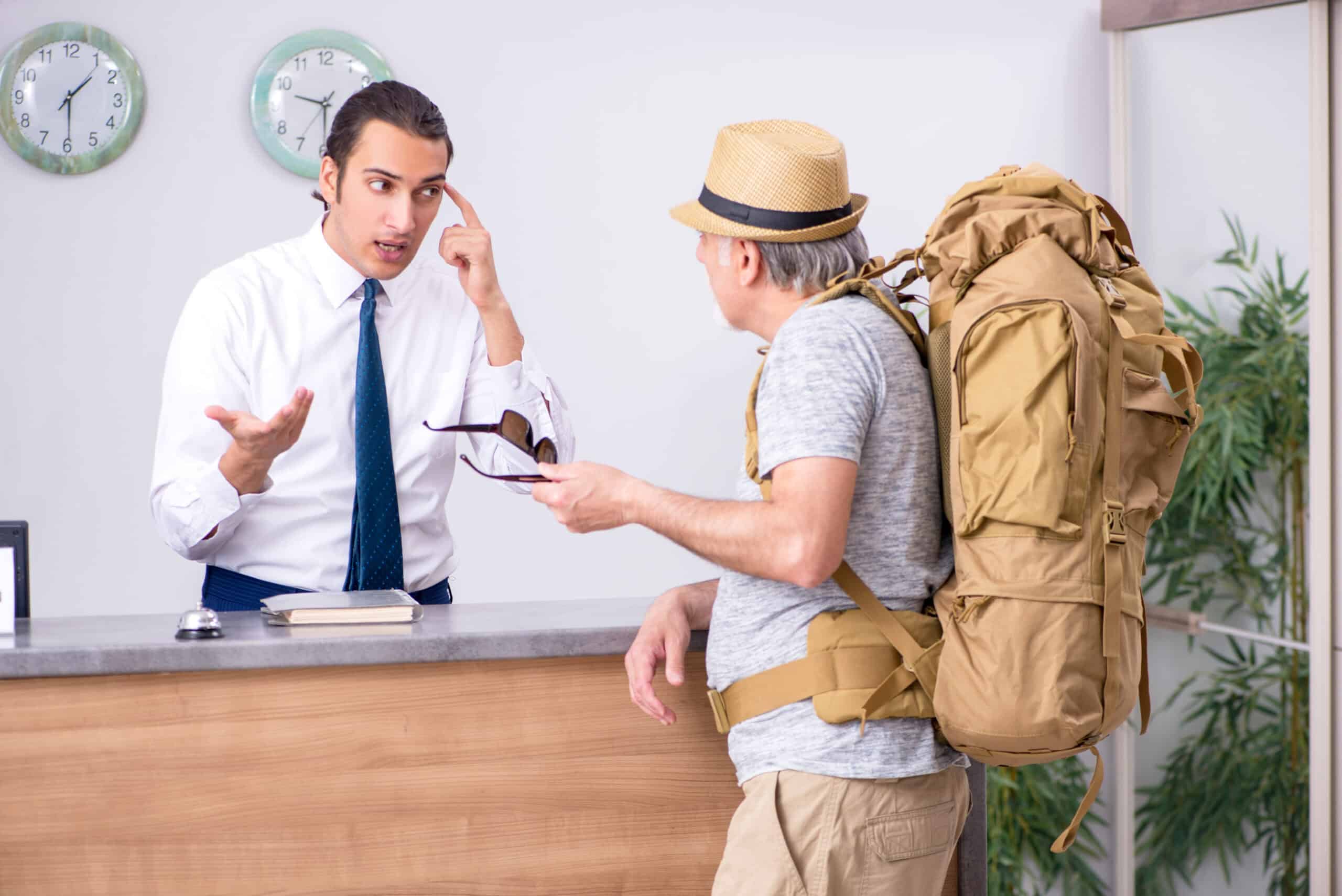
Rule 11: Hotel check-in protocol. When checking in, if the front desk staff is about to announce your room number out loud — “You’re in room 412!” — stop them. Quietly ask them to write it down instead. This is not paranoid; it is standard protocol at well-run hotels precisely because announcing room numbers to a lobby full of strangers is a meaningful security risk for solo travelers. Any hotel professional will do this without question. Also: when a hotel asks for your room key to be kept with them versus carried by you, I recommend carrying your key so your whereabouts aren’t centrally tracked.
Rule 12: Bars and nightlife — the sealed-bottle rule applies everywhere. If you’re going out solo or meeting new people, stick to busy, well-lit establishments. Go to the bar yourself to order rather than accepting a drink someone else brings to you. If you’re meeting someone for the first time — a travel connection, someone from an app — tell a friend where you’re going, get their full name, and check in during the evening. You have every right to have a social life while traveling solo. You also have every right to be smart about it. These two things are not in conflict.