Everyone Is Going to Italy and France — These 9 Countries Are Where Smart American Travelers Are Actually Going in 2026
We may earn money or products from the companies mentioned in this post. This means if you click on the link and purchase the item, I will receive a small commission at no extra cost to you ... you're just helping re-supply our family's travel fund.
Italy and France Are Incredible — And Completely Overcrowded

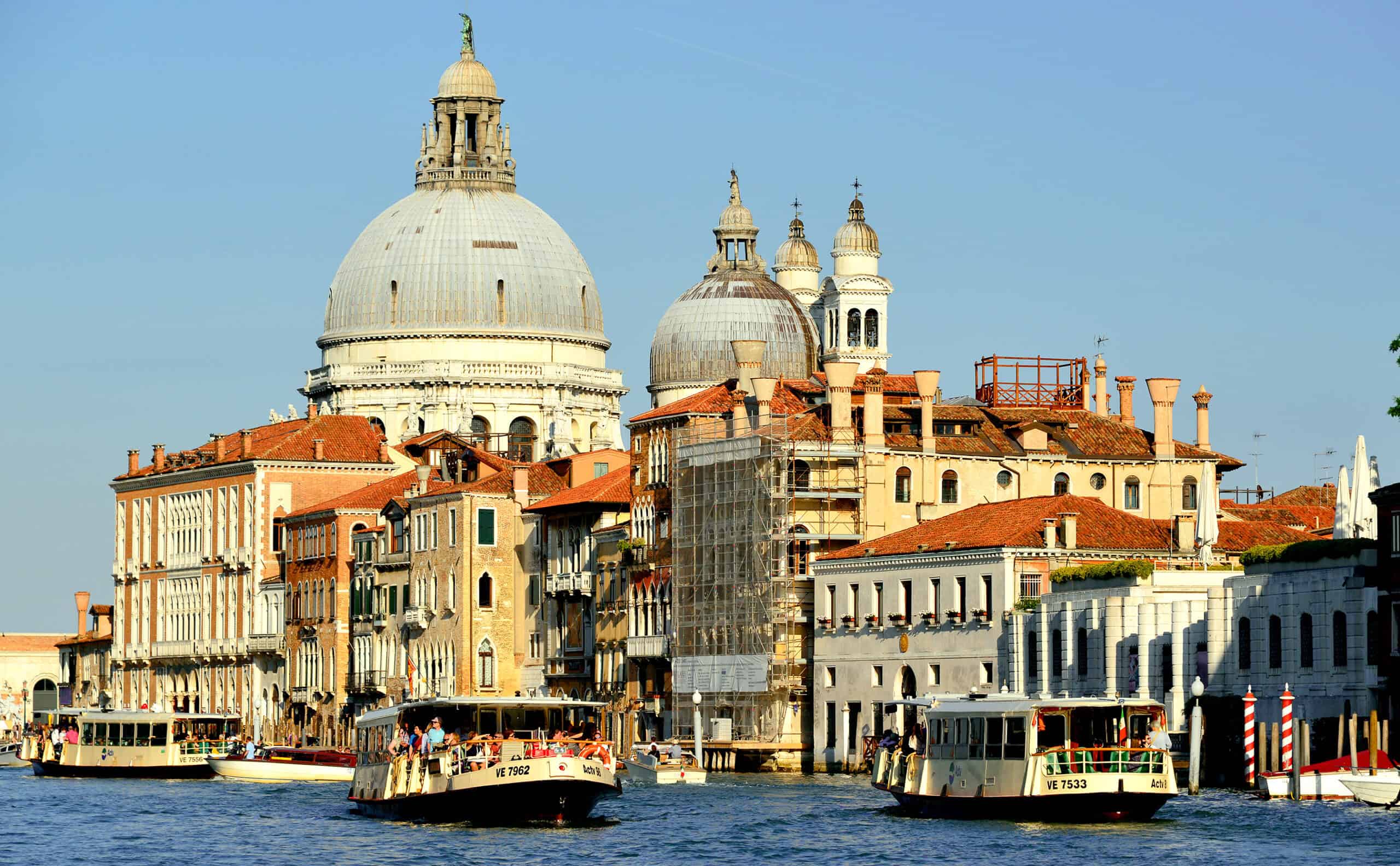
I love Italy. I have been to Rome four times and I will go back again. But here is what I need to tell you about Italy in 2026: Venice now has a day-tripper entry fee and timed ticketing windows. Florence’s Uffizi requires advance booking weeks out during peak season. The Amalfi Coast is so overrun in summer that the coastal road frequently closes to private vehicles entirely. Santorini is so photographed that the authenticity you came for has been essentially archived. These are still beautiful places. They are also, for many American travelers, not delivering the value they used to.
Simultaneously, there is a cluster of nine destinations — most of them unknown to the casual American traveler, all of them safe, beautiful, affordable, and genuinely undervisited — that are quietly becoming the insider knowledge of the travel community. I’ve been to most of them. Some I’m going back to this year. Here’s the honest breakdown of where smart American travelers are actually going in 2026.
Albania: Europe’s Best-Kept Secret Is Running Out of Time to Be a Secret

Albania has riviera beaches that rival anything in Greece or Croatia, charging approximately 30% of the price. The Albanian Riviera — stretching from Sarandë in the south toward Vlorë — has genuinely turquoise water, dramatic cliffs, and beaches that were essentially empty a decade ago and are now discovered but not yet overwhelmed. A beach umbrella and two loungers costs about €5. A full dinner for two with wine costs €15 to €25. A quality hotel or guesthouse runs €30 to €50 per night in most of the country.
Americans don’t need a visa to enter Albania — you walk in, full stop. Direct flights don’t exist from the US, but connections are simple and inexpensive via Rome, Frankfurt, or Istanbul, with a short flight into Tirana (TIA) or Corfu (for the southern riviera). Berat, a UNESCO World Heritage city known as the “City of a Thousand Windows” for its distinctive Ottoman architecture, is one of the most photographed cities in the Balkans that most Americans have never heard of. The country has obvious rough edges from its communist-era past and rapid development, but for the traveler who wants genuine discovery, Albania offers more of that per dollar than almost anywhere else in Europe right now.
Slovenia: Two Million People, Zero Overtourism
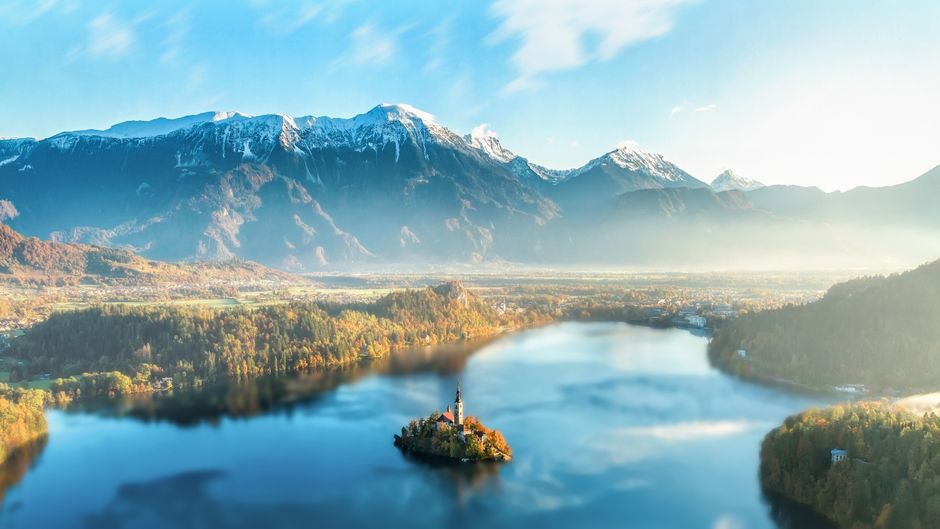
Slovenia has a population of two million and the infrastructure of a country that punches significantly above its weight: EU member, Schengen zone, excellent roads, strong English proficiency, low crime, and a national park (Triglav) that is genuinely world-class. Lake Bled is, yes, Instagram-famous — the island church, the castle on the cliff, the impossibly green water. But it manages crowds better than most comparable European landmarks because the country simply doesn’t have the visitor volume of its neighbors.
Ljubljana, the capital, is Vienna without the tourists and Zurich without the prices. Café culture, beautiful Baroque architecture, car-free old town, outstanding food scene — and a daily budget that runs 40–50% lower than Austria or Switzerland for comparable quality. A boutique hotel in the old city costs €80–€120 per night. A three-course dinner with wine is €25–€35. The country is small enough that you can see its highlights — Bled, Ljubljana, the Soča River valley, and the Adriatic coast at Piran — in a single 10-day trip by rental car. Flights connect through Frankfurt, Vienna, Munich, or London, typically on Ryanair or Lufthansa partners.
North Macedonia: The Country That Will Make You Feel Like a 1990s Backpacker (In the Best Way)
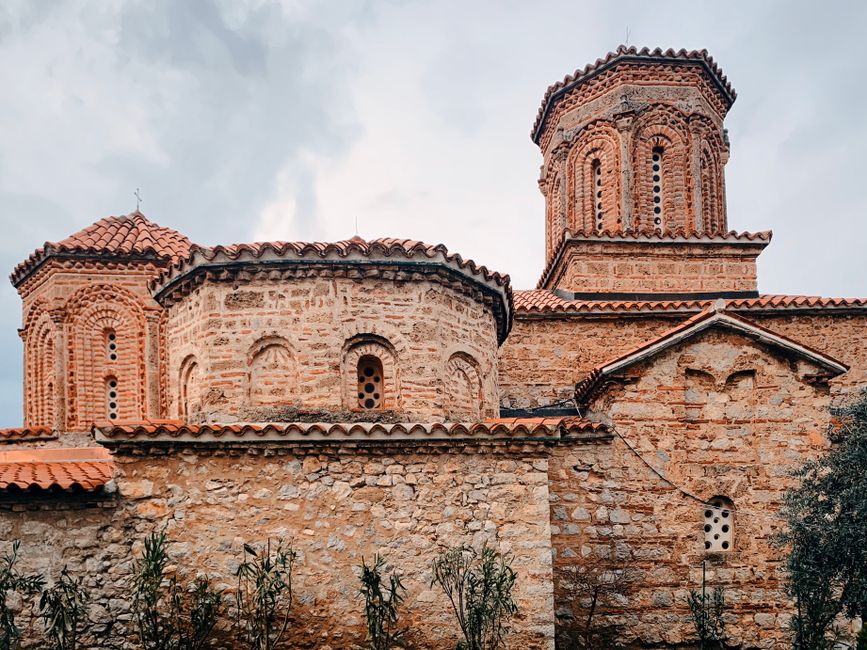
North Macedonia is arguably the most underrated country in Europe that nobody is talking about. Ohrid Lake, in the southwest of the country, is one of Europe’s oldest and deepest lakes — UNESCO protected, staggeringly beautiful, lined with medieval Orthodox churches and Byzantine frescoes that predate most of Western European art. The town of Ohrid itself is a jewel: Roman amphitheater, lakeside promenade, old bazaar, and restaurants where a full meal costs €8 to €12. Hotels run €20 to €35 per night.
Skopje, the capital, is genuinely strange and wonderful in equal measure — a city that rebuilt itself after a devastating 1963 earthquake and then underwent a controversial but visually spectacular “Skopje 2014” reconstruction project that layered Baroque statues, neoclassical facades, and Ottoman bazaar architecture into an almost surreal urban landscape. The Old Bazaar (Čaršija) is one of the largest and best-preserved Ottoman marketplaces in the Balkans. Americans are practically unknown here as tourists, which means you will be welcomed with genuine curiosity rather than processed with professional indifference. Flights connect through Belgrade, Vienna, or Istanbul.
Georgia: Ancient Wine, Mountains, and a Culture That Will Make You Feel Welcome
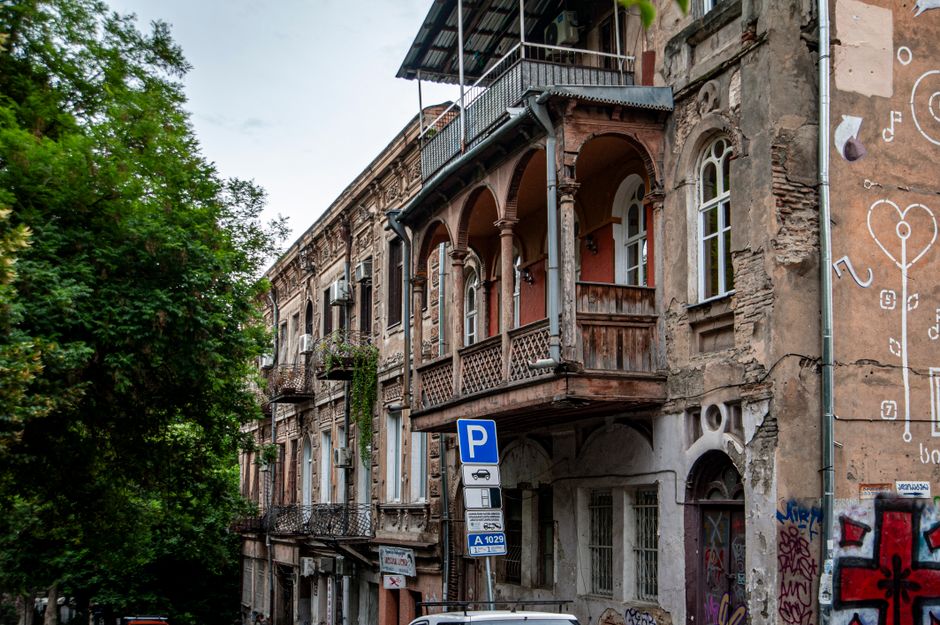
Georgia — the country, not the state — has been quietly building a reputation among European and Israeli travelers for a decade and is just beginning to register on American radar. Tbilisi’s Old Town is one of the most atmospheric urban environments in the world: wooden balconies draped with vines, sulfur bathhouses in operation since the 5th century, a fortress above the city, and a wine bar on every other block serving wines made in the 8,000-year-old Georgian qvevri tradition (clay pots buried in the earth — the oldest winemaking method in the world).
Americans receive visa-free entry for stays up to 365 days. This is not a typo. Georgia wants you there and makes it bureaucratically frictionless. A good hotel in Tbilisi runs $30 to $50 per night; excellent restaurants serve three courses for $10 to $15. The Caucasus mountain region (Kazbegi, Mestia) is world-class hiking territory that almost no Americans currently visit. Batumi on the Black Sea coast is a functioning beach resort with a genuinely wild architecture scene. Turkish Airlines flies from major US hubs to Tbilisi via Istanbul with reasonable connection times.
Colombia: The Transformation Story That’s Now a Travel Reality
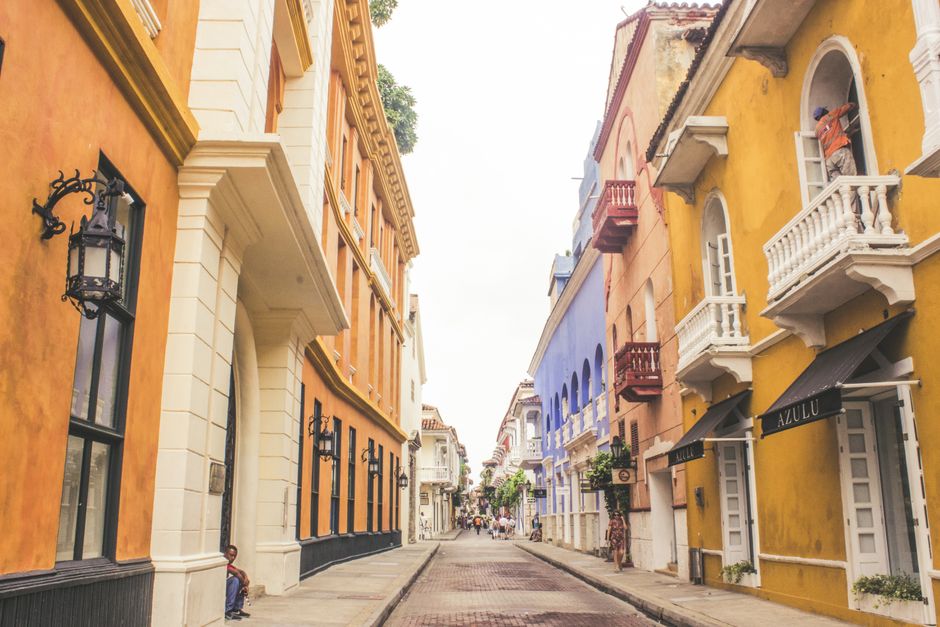
Colombia’s transformation over the past 25 years is one of the most dramatic in the Western Hemisphere, and American travelers are finally showing up in significant numbers — though still nowhere near the volume the country’s beauty and infrastructure now supports. Cartagena’s walled city (Ciudad Amurallada) is, without exaggeration, one of the most beautiful urban environments in the Americas: 16th-century Spanish colonial walls, colorful facades, bougainvillea everywhere, and a Caribbean atmosphere that feels cinematic in the best possible way.
Medellín received the Urban Land Institute’s “World’s Most Innovative City” award in 2013, and the regeneration has only continued. The city sits in a temperate mountain valley at 5,000 feet elevation, giving it spring-like weather year-round — roughly 72°F every day. The transformation from its difficult past is real and documented. Direct flights operate from Miami (2.5 hours), New York JFK (5 hours), and several other US hubs. The USD goes far: a nice hotel in Cartagena’s old city runs $40 to $70 per night. The Coffee Region (Eje Cafetero) — with its haciendas, coffee farm tours, and cloud-forest landscapes — is genuinely one of the most beautiful agricultural regions on Earth.
Portugal and Jordan: Two Perennial Favorites That Still Outperform

Portugal remains the gold standard for value in Western Europe in 2026, and specifically Porto deserves a spotlight it often doesn’t get from travelers fixated on Lisbon. Porto is genuinely stunning — two sides of a river gorge connected by a bridge Gustave Eiffel designed, wine cellars aging port wine that costs €3 a glass at the source, tiled building facades that feel like outdoor art installations, and a food scene that punches at the level of cities three times its international profile. Prices run roughly 40–50% lower than comparable experiences in Paris or Barcelona.
Jordan is, without any hyperbole, one of the most travel-efficient countries in the world for American visitors. The Jordan Pass ($99 USD) covers your visa fee plus entry to over 40 attractions including Petra and Wadi Rum, making the upfront math remarkably clear. Petra — the rose-red city carved into rock by the Nabataeans — is one of the genuine wonders of the world, and while it draws visitors, it is nowhere near the operational saturation of the Eiffel Tower or the Colosseum. Wadi Rum’s Mars-like desert landscape is a UNESCO World Heritage site. The Dead Sea, Aqaba beach, and the ancient city of Jerash round out a country where a week of serious sightseeing leaves you feeling like you’ve experienced three countries worth of content. The US State Department rates Jordan at Level 2 (“Exercise Increased Caution”), applying mainly to specific border areas — the country itself, particularly Amman, Petra, and the tourist circuit, has an excellent safety record for American travelers.
Vietnam and Oman: The Far-Reach Rewards
Vietnam continues to be one of the world’s great travel values even as its profile has risen. The country recently updated its visa policy to allow 45-day stays for Americans with an e-visa, and the breadth of experiences available — Ha Long Bay’s limestone karst seascape, Hoi An’s perfectly preserved ancient trading port (UNESCO), Hanoi’s Old Quarter, Ho Chi Minh City’s frenetic energy — puts it in a different category from most travel destinations. Street food from €1 to €3 per meal, guesthouses from $15 to $25 per night, and a USD that stretches further than almost anywhere else in Asia make it accessible at virtually any budget.
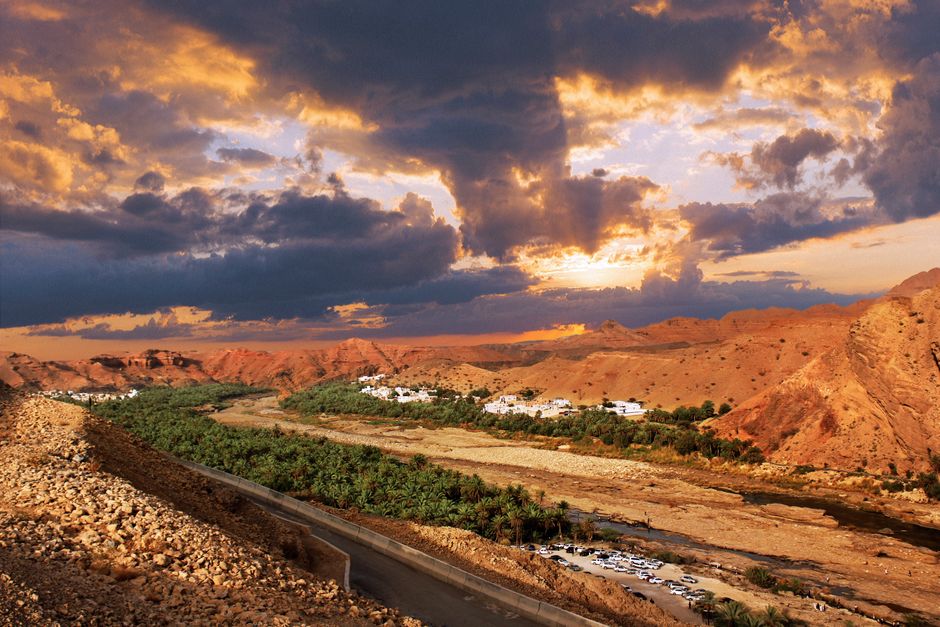
Oman is the Middle East destination that consistently surprises American travelers who’ve hesitated about the region. The US State Department rates Oman at Level 1 — “Exercise Normal Precautions” — the same rating as Japan or Denmark. There is no alcohol ban (unlike Saudi Arabia or Kuwait). Women do not need to wear an abaya in public (modest dress is appreciated but not enforced). Muscat is a clean, modern, genuinely welcoming city with a stunning setting between mountains and sea. The Wahiba Sands desert and Wadi Shab canyon are both accessible from Muscat in day trips. Emirates and Oman Air both operate through Dubai from most major US hubs. A hotel in Muscat runs $60–$90 per night; outside the capital, prices drop considerably. If you’re ready to go somewhere genuinely different that will completely reset your expectations of what the Middle East is — and isn’t — Oman is waiting.