Van Life Started as a Way to Escape Rent. Now It Is Mostly a Content Strategy
We may earn money or products from the companies mentioned in this post. This means if you click on the link and purchase the item, I will receive a small commission at no extra cost to you ... you're just helping re-supply our family's travel fund.
The original pitch of van life was straightforward and, for a specific kind of person, genuinely radical: sell most of your belongings, convert a cargo van into a mobile home, and untether from a rent or mortgage payment entirely. Somewhere in the last decade, that pitch got absorbed into an aesthetic, and the aesthetic became the point.
What the Actual Math Used to Look Like
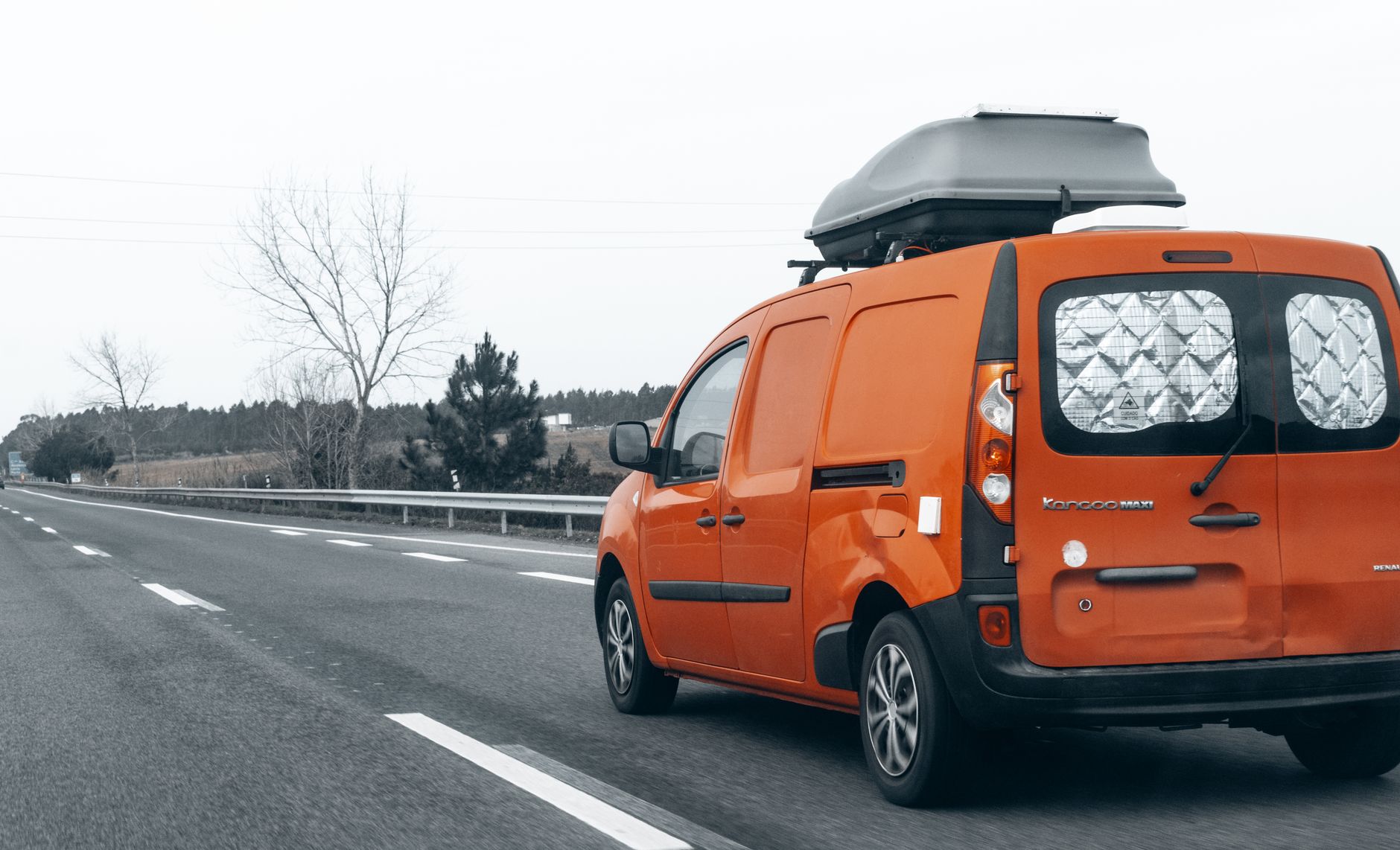
Early van-life adopters, particularly during the years following the 2008 financial crisis, were often responding to real economic pressure — unaffordable rent, student debt, unstable employment — and saw a converted van as a way to eliminate the largest fixed cost in most people’s budgets. A basic van conversion could run anywhere from a few thousand dollars for a bare-bones build to $20,000 or more for a fully outfitted rig with solar power and plumbing, a real but one-time cost compared to years of monthly rent.
Then Instagram Found It
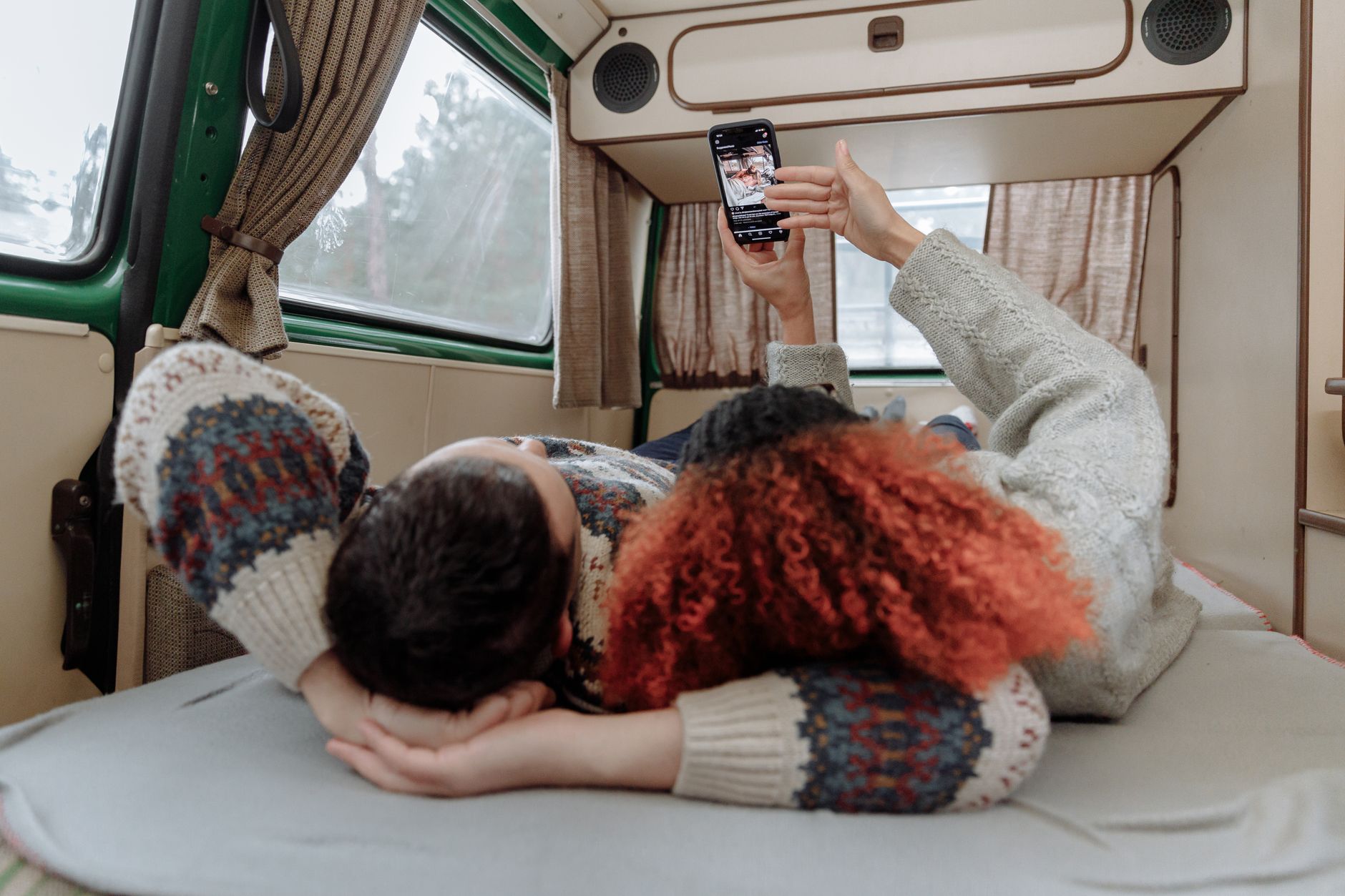
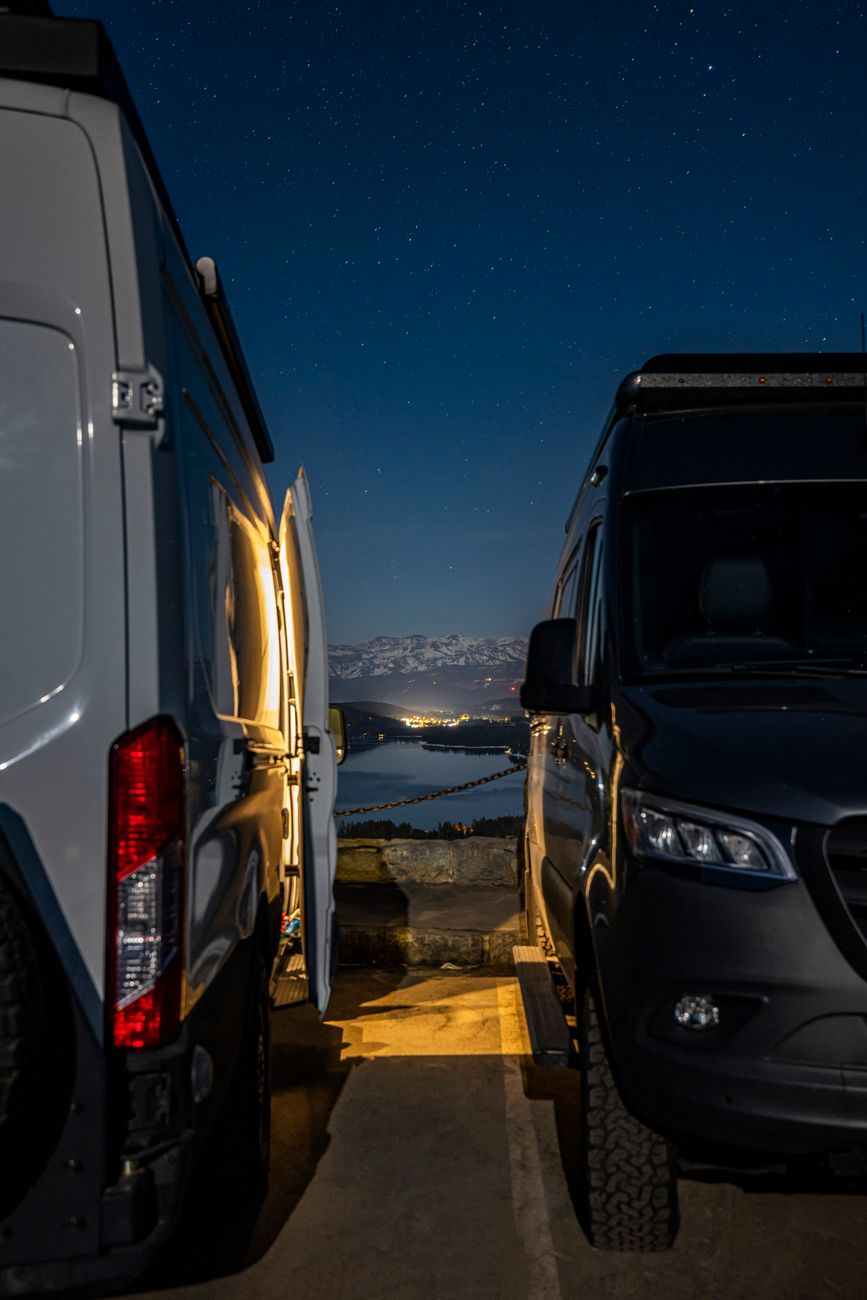
By the mid-2010s, van life had become a recognizable aesthetic category on Instagram: golden-hour photos of a barefoot person drinking coffee in a van door parked somewhere with a dramatic mountain or ocean backdrop, captioned with some variation of freedom or minimalism. The hashtag ecosystem around #vanlife grew large enough that brands began sponsoring van builds and paying travel influencers specifically to document a lifestyle that had started, for many original adopters, as a private financial decision rather than a public performance.
The Gap Between the Feed and the Reality
Full-time van dwellers who have spoken candidly about the lifestyle describe a much less photogenic reality: finding legal overnight parking in most U.S. cities is a constant low-level stressor, personal hygiene requires real logistical planning around public showers or gym memberships, and the isolation of not having a fixed community can wear on people who moved into a van expecting adventure and got loneliness instead.
- Many van-life influencers curate a small number of scenic, photogenic stops rather than showing the far more common stretch of parking lots, rest stops, and unremarkable roadside nights
- Sponsored content has created financial incentive to frame van life as aspirational rather than pragmatic, even for creators who originally adopted it for cost reasons
- The rise of luxury van builds, some costing well over $100,000, has shifted the public image of van life away from its original frugality-driven roots
How This Mirrors Other Travel Trends

Van life’s drift from genuine financial adaptation to content-driven performance follows a pattern visible in other travel movements, including the digital nomad label, which started as a description of remote workers taking advantage of location flexibility and has increasingly become a marketing category tied to co-working memberships, curated meetup events, and a specific aesthetic of laptop-in-a-cafe photos in Lisbon or Bali. Voluntourism followed a similar arc, shifting from genuine, if imperfect, volunteer labor toward short-term trips explicitly structured around producing shareable photos of the volunteering itself.
What Gets Lost When a Movement Becomes an Aesthetic
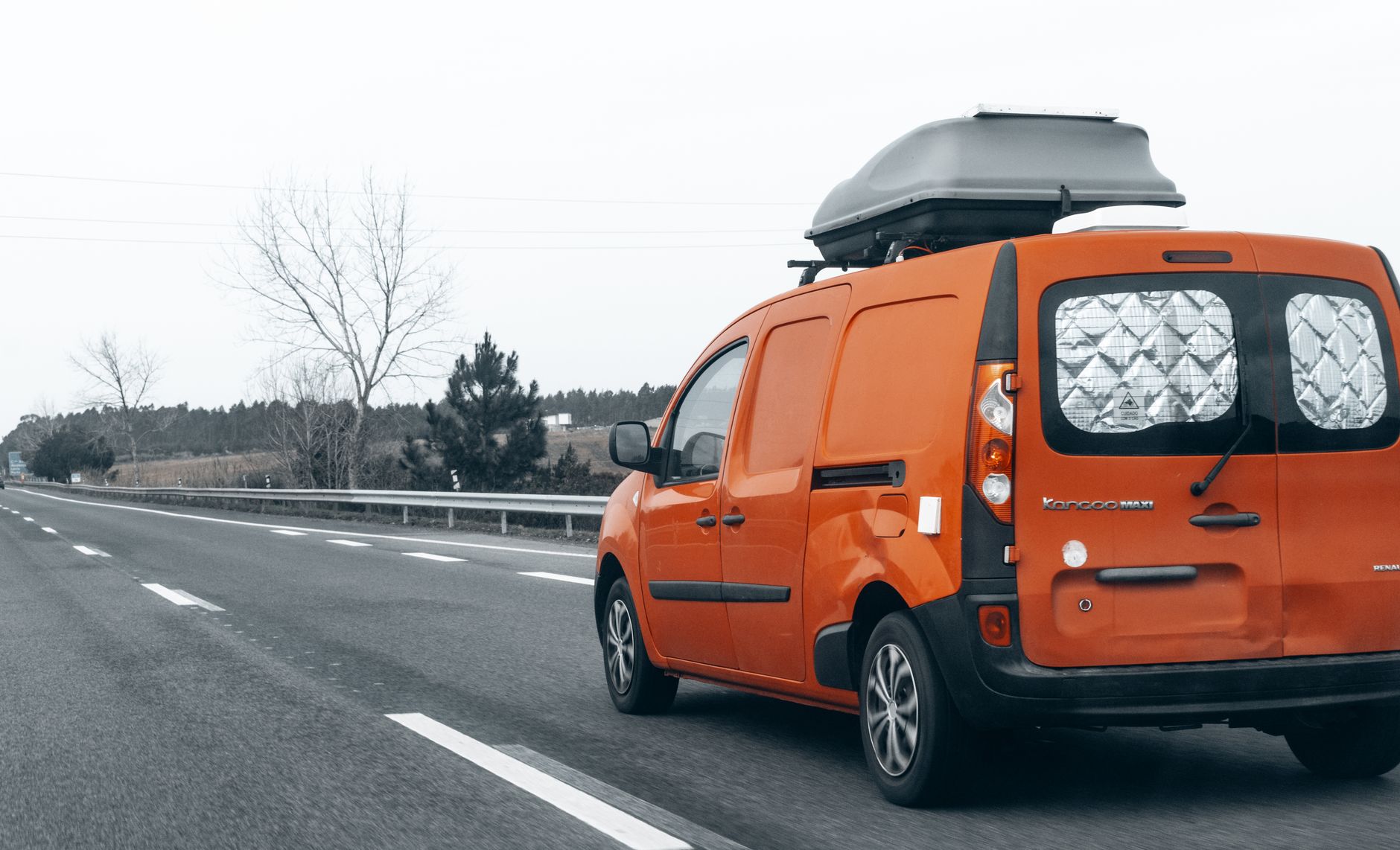
The people still living in vans for genuinely economic reasons — because it is cheaper than an apartment, because seasonal work requires mobility, because a medical or family situation demands flexibility — increasingly find themselves lumped in with an influencer-driven version of the lifestyle that has little to do with their actual circumstances. That flattening makes it harder for outsiders to distinguish between van life as a real housing adaptation and van life as a temporary content project with a return-to-normal-life exit plan already built in.
None of this means every van-life creator is being dishonest, or that the lifestyle has lost all its original meaning. But a movement that began as a quiet, often necessity-driven escape from housing costs has become, for a meaningful share of its most visible participants, something closer to a genre of travel content — one where the van is less a home than a backdrop, and the freedom being sold is measured in engagement metrics as much as in miles.
What Happens When the Content Cycle Ends
Several prominent van-life creators have publicly described stepping back from the lifestyle after a few years, citing burnout not from van living itself but from the pressure to constantly produce content documenting it — a specific kind of exhaustion where the thing that was supposed to be an escape from conventional work pressure became its own demanding, metrics-driven job. Sponsorship deals often require a minimum posting cadence, meaning a rest day or a low-content week carries a real financial cost, undermining exactly the freedom the lifestyle was supposed to represent.
Meanwhile, the practical, necessity-driven van dwellers — seasonal agricultural workers, traveling nurses, people between housing situations — continue largely outside the influencer ecosystem entirely, rarely posting, rarely monetizing, simply using a vehicle as the most cost-effective housing option available to them in a given season. Their numbers are harder to track precisely because they aren’t the ones generating visible content, but housing researchers who study vehicle residency describe this population as both larger and less examined than the influencer-driven version most people picture when they hear the term.
The word “van life” now has to do double duty, describing both a genuine, difficult housing adaptation and a curated lifestyle brand, often in the very same online spaces, which makes it one of the clearest examples of how quickly an authentic response to economic pressure can be absorbed into a marketable aesthetic once enough attention finds it.