Boone, Blowing Rock, and Banner Elk Sit Within 10 Minutes of Each Other. Pick Wrong and You’ll Wonder Why Everyone Raves About the Area.
We may earn money or products from the companies mentioned in this post. This means if you click on the link and purchase the item, I will receive a small commission at no extra cost to you ... you're just helping re-supply our family's travel fund.
North Carolina’s High Country — Boone, Blowing Rock, and Banner Elk, clustered within a roughly 30-minute drive of each other in the Blue Ridge Mountains — draws a surge of summer visitors specifically fleeing Southern heat, since elevations above 3,000 feet keep the region noticeably cooler than Charlotte or Charleston even in July. The three towns, despite their proximity, offer distinctly different experiences, and visitors who pick the wrong one for what they actually want often come away with a flatter impression of the region than its reputation suggests.
What Actually Distinguishes the Three Towns
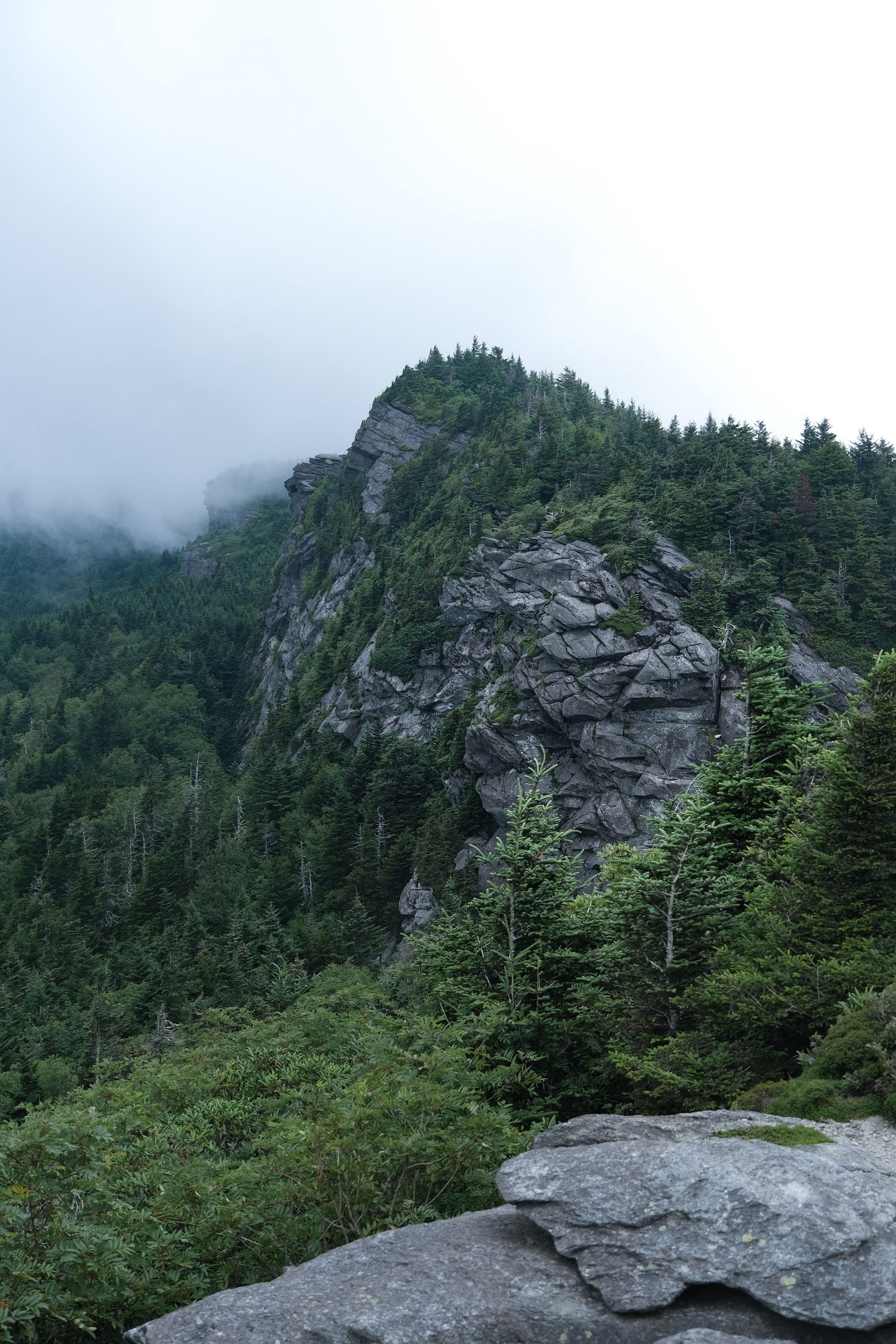
Boone is the region’s largest town and its energetic center, built around Appalachian State University and offering the most restaurant density, live music, and youthful energy of the three — the Mast General Store, a historic mercantile dating to 1883, anchors a downtown that blends college-town bustle with genuine mountain-town history (Blue Ridge Rentals). Blowing Rock, by contrast, offers a quieter, more polished small-town aesthetic centered on its Main Street shops and inns, along with its namesake attraction — a cliffside overlook operating since 1933, marketed as “the only place in the world where snow falls upside down” due to the site’s distinctive updraft.
Banner Elk: The Upscale, Wine-and-Farm-to-Table Option
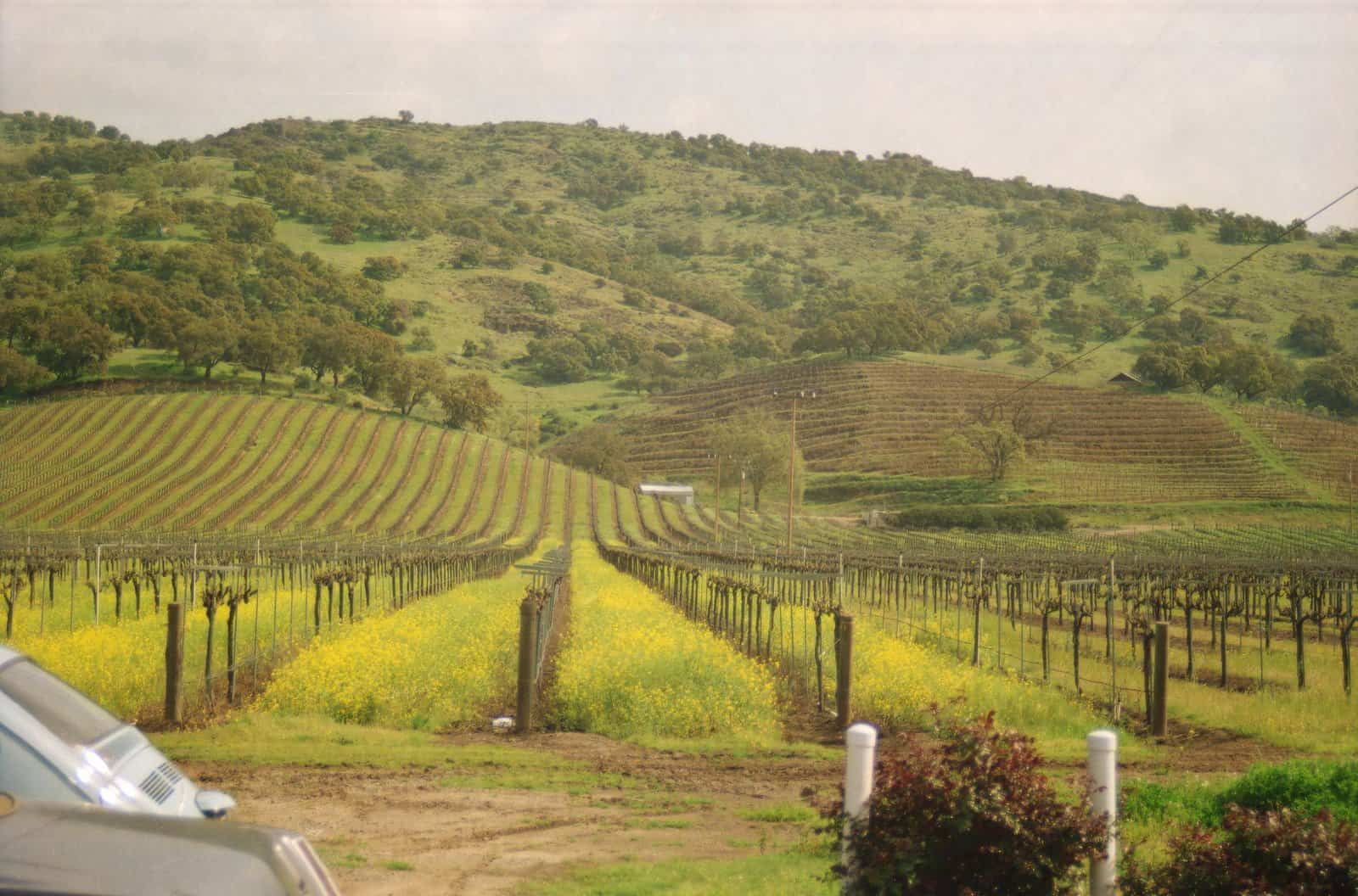
- Banner Elk sits tucked between Beech Mountain and Sugar Mountain, positioning it as the region’s ski-adjacent town, with a summer identity built around wineries and farm-to-table dining rather than downtown shopping
- Sugar Mountain Resort, nearby, stands as North Carolina’s largest ski area in winter and pivots to mountain biking, chairlift rides, and summer concerts once the snow melts
- Beech Mountain Resort holds the distinction of the highest ski area in the Eastern United States, with a summer alpine village, craft brewery, and a sky bar accessible only by lift
- The town skews toward couples and families seeking a quieter, more upscale mountain escape than Boone’s college-town energy or Blowing Rock’s more classic tourist-town bustle
Why July Specifically Draws the Heaviest Crowds
The High Country’s elevation-driven cool relief becomes most valuable precisely when the rest of the Southeast is at its most oppressive, making July and August the region’s tourism peak despite winter’s ski season also drawing significant crowds. That summer peak brings real congestion to Blowing Rock’s compact Main Street and to popular hikes like Grandfather Mountain and the Blue Ridge Parkway’s overlooks, with parking at the most popular trailheads filling by mid-morning on weekends throughout the season.
What Most Visitors Miss Entirely
The Moses Cone Manor estate, preserved as part of the Blue Ridge Parkway, offers free upstairs tours on summer weekends that most visitors never learn about, along with miles of carriage trails around Bass Lake that see a fraction of the foot traffic drawing crowds to Blowing Rock’s overlook a few miles away. The Churches of the Frescoes in nearby Ashe County, featuring original 1970s fresco work by internationally recognized artist Ben Long inside two small country churches, represent another example of the region’s less-marketed cultural sites sitting a short drive from the three towns that get all the attention.
How to Actually Structure a Trip Across All Three
Basing in Boone offers the most restaurant and lodging flexibility for a multi-day trip, with Blowing Rock a roughly 10-minute drive south for an afternoon of shopping and the overlook, and Banner Elk another 20 minutes beyond that for a wine-country-style afternoon or ski-town summer activities. Given how close together the three towns sit, treating them as a single loop rather than choosing just one captures the genuine variety that distinguishes the High Country from a single generic mountain-town visit.
What Fall and Winter Add to the Region Beyond Summer Crowds
The High Country’s identity shifts considerably once summer ends: fall foliage draws its own dedicated visitor wave, typically peaking in mid-to-late October, while winter transforms Banner Elk and Blowing Rock into a genuine ski destination anchored by Sugar Mountain, Beech Mountain, and Appalachian Ski Resort. Visitors who only think of the region as a summer heat-escape are missing two other full seasons of distinct appeal, each drawing its own crowd profile and requiring its own separate trip-planning logic around road conditions and seasonal business hours.
A Few Practical Notes
- The Blue Ridge Parkway sections through this area occasionally close temporarily for weather or maintenance; checking current conditions before a trip is worthwhile
- Grandfather Mountain’s mile-high swinging bridge draws crowds year-round but is especially popular during fall foliage season
- Boone’s status as a college town means its restaurant and nightlife scene noticeably quiets down during Appalachian State’s summer and winter breaks
The Bottom Line for Anyone Planning a Trip
Boone, Blowing Rock, and Banner Elk sit close enough together that skipping two of the three to save time barely saves any time at all. Covering all three is the difference between seeing the High Country and seeing one town that happens to be in it.