Cumberland, Maryland Is in the Appalachians and Has Beautiful Views and One of the Highest Poverty Rates in the State
We may earn money or products from the companies mentioned in this post. This means if you click on the link and purchase the item, I will receive a small commission at no extra cost to you ... you're just helping re-supply our family's travel fund.
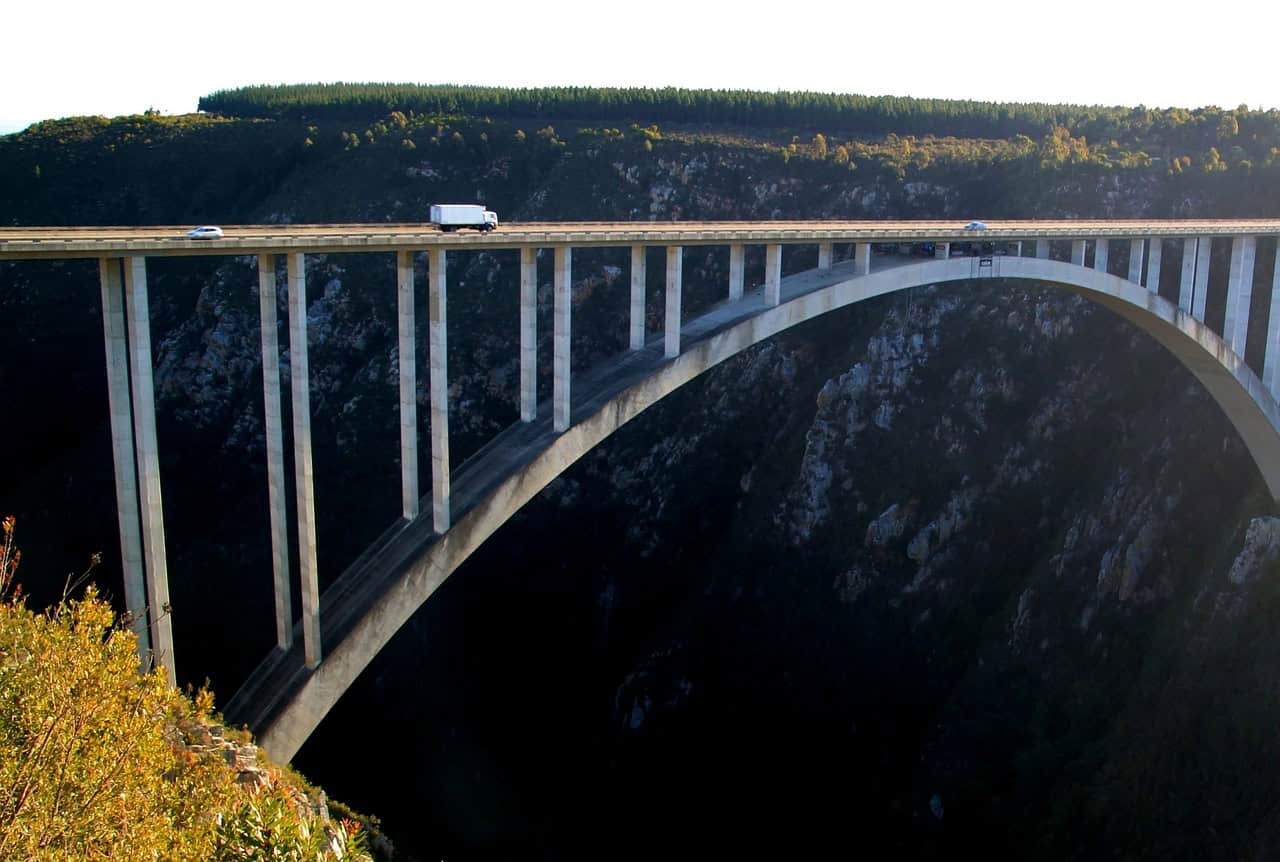
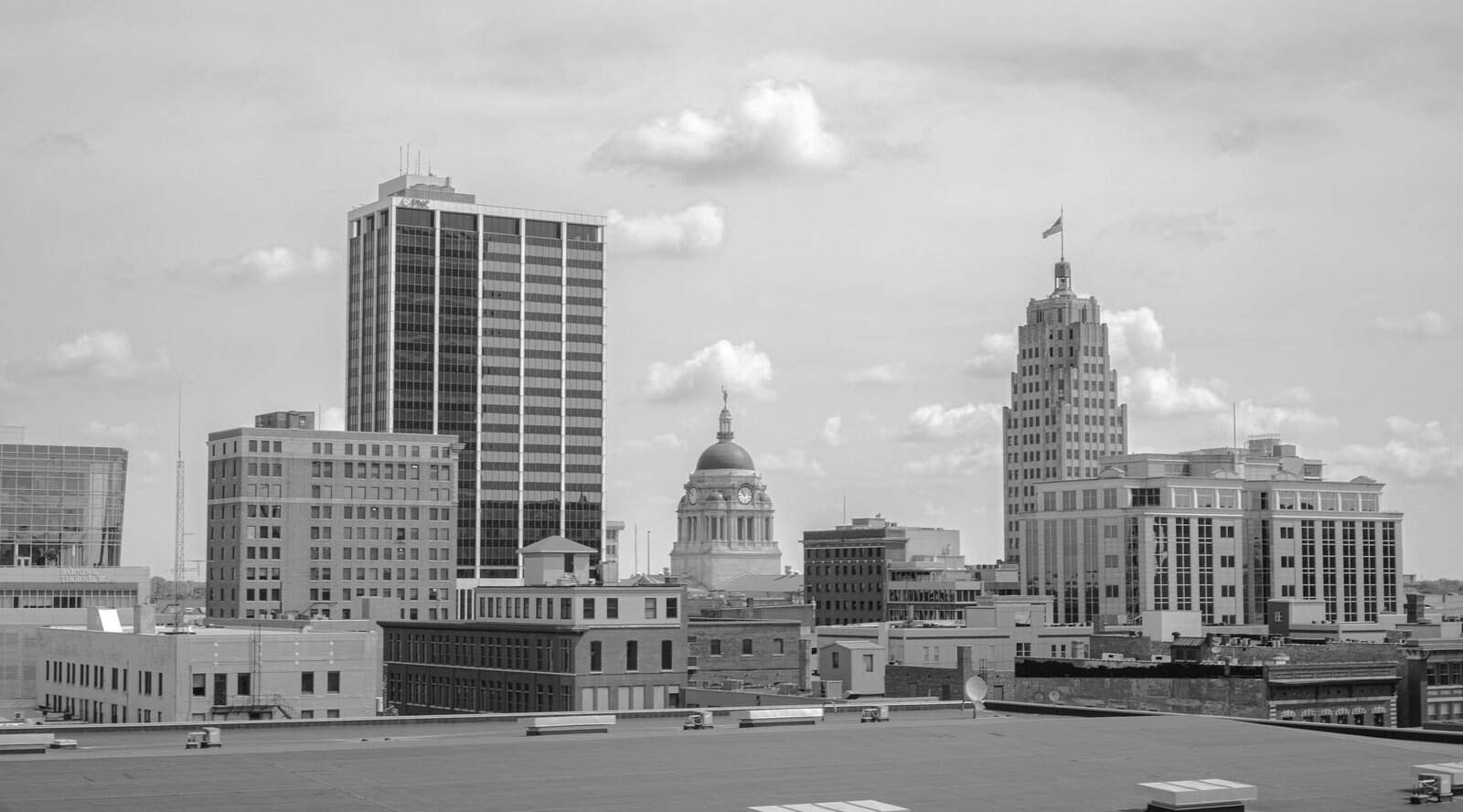
The Cumberland Maryland poverty rate is one of the first things economists mention about Allegany County, and the views are the first thing visitors mention. Both are true. The city sits in a narrow valley where the Potomac River cuts through the ridges of the Appalachians in far western Maryland, about 140 miles from Baltimore, and its hills and railroad bridges are striking. It is also a place where many households have less money than the state average and where the population has been shrinking for decades.
This article explains both halves of that picture. It covers why poverty is high, what economy remains, how Frostburg fits, and what a visitor can do that helps. Figures are approximate and drawn from public data sources, so check current numbers before you rely on them.
Why the Cumberland Maryland Poverty Rate Is High and What Is Changing

Cumberland was once a major industrial city. In the 1800s it was at the head of the Chesapeake and Ohio Canal and on the Baltimore and Ohio Railroad, and in the twentieth century it hosted glass, brewing, textile, and tire manufacturing. At its peak around 1940 the city had well over 37,000 residents. Today it has about 19,000, and Allegany County has about 68,000. The loss of factory jobs, most famously the closure of the Kelly-Springfield tire plant in 1987, took thousands of well-paid positions and never had a single replacement.
The result is a place with lower incomes, older residents, and fewer young workers than the Maryland average. Poverty rates in Allegany County have commonly run in the mid to high teens in federal estimates, and rates in the city itself are higher, among the top in the state alongside parts of Baltimore City and some rural Eastern Shore counties. Exact numbers vary by year and source, so check before you quote them.
How the Economy Got Here
When manufacturing declined, the area did not instantly lose its footing. Railroads, government, health care, retail, and education replaced some of the lost work. But those jobs generally pay less than factory jobs once did, and fewer of them exist. Young people left for Baltimore, Washington, and Pittsburgh, and those who stayed were older on average. An older population means fewer workers, more people on fixed incomes, and higher demand for health services.
Property values followed. Typical home prices in Cumberland are far below those in most of Maryland, often in the low to mid six figures or less depending on the neighborhood. That makes the area affordable, but it also means a thin property-tax base, which limits what the city can spend on roads, schools, and services. Many historic buildings downtown stand with vacant upper floors, which is a common story in small industrial cities.
Who Lives Here Now
The community is a mix of families who have been in Allegany County for generations, retirees, college students, and newcomers drawn by cheap housing and the outdoors. Employment is concentrated in health care, state and federal corrections, education, retail, and government. The area also has commuters who drive to jobs in neighboring counties and West Virginia.
The Economy That Remains
Several anchors keep Cumberland going, and each offers a hint about its future.
- Health care: regional medical centers and clinics are among the largest employers, and the area serves a wide rural region.
- Corrections: state prisons in the county provide stable government jobs, though they are a debated part of the economy.
- Education: Allegany College of Maryland and Frostburg State University bring jobs, students, and events.
- Government: county and city offices, courts, and state agencies provide employment.
- Retail and services: shops, restaurants, and chains serve the region.
- Tourism and outdoor recreation: trails, rivers, and a state park with a casino bring visitors.
None of these single-handedly replaces what manufacturing once offered, but together they keep the town functioning.
Frostburg: The College Town on the Hill
Frostburg lies about ten miles west of Cumberland, up the mountain, at roughly 2,000 feet. It has about 7,000 residents, and Frostburg State University, part of the University System of Maryland, has several thousand students. The college is the town’s largest employer and defines its rhythms: busy in the academic year, quieter in summer. Downtown Main Street has restaurants, bars, and shops, and the town has a historic depot used by the Western Maryland Scenic Railroad.
Frostburg faces similar challenges, including an aging housing stock and a dependence on one institution, but it also benefits from a younger population, events, and a strong sense of community. For visitors, it is a pleasant place for a meal and a stroll, and it is close to hiking and mountain biking.
The Views and the Trails
The scenery is a real asset. The Narrows, a gap through Wills Mountain just west of Cumberland, is a dramatic sight. The Great Allegheny Passage, a rail trail about 150 miles long, connects Cumberland to Pittsburgh, and the C&O Canal Towpath runs 184.5 miles from Cumberland to Washington, D.C. The two trails meet in downtown Cumberland, which has made it a hub for cyclists and walkers.
Bike shops, lodging, and restaurants have opened to serve trail users, and the Western Maryland Scenic Railroad runs excursions from Cumberland to Frostburg on a historic route. Nearby Rocky Gap State Park offers a lake, hiking, and camping, and the resort and casino at the park draw visitors from across the region. Fall foliage, usually peaking in October, is especially popular.
Trail tourism is still smaller than the economy lost, but it offers a path toward diversification. Studies of rail trails elsewhere suggest that long-distance cyclists spend money on lodging and food in the towns they pass, though results depend on how many services exist.
How the Two Stories Fit Together
It can seem odd that a place with such good scenery has high poverty, but the two are not in conflict. Beauty does not pay wages. Rural Appalachian areas around the country share a pattern: abundant landscapes and low costs but limited jobs and demographics that skew older. The challenge for Cumberland is to turn its assets into steady local income without losing what makes it affordable.
Local leaders have focused on downtown revitalization, trail tourism, remote-work attraction, health care, and small business support. Some downtown buildings have been renovated into apartments, shops, and breweries, and the city has promoted itself as a place to live for remote workers priced out of larger cities. These efforts are early and uneven.
What a Visit Looks Like
If you plan a trip, a weekend is enough to see the main sights.
- Walk downtown: look at the historic buildings, the Allegany County courthouse area, and the Baltimore Street pedestrian mall.
- Visit the trail terminus: the C&O Canal and Great Allegheny Passage markers are near the old rail station.
- Ride the Western Maryland Scenic Railroad: it runs seasonally, and fares vary, so check before you go.
- Drive to Frostburg: have lunch, and explore the campus and downtown.
- Spend time at Rocky Gap State Park: there are trails and a lake, with day-use fees that vary by season.
- Eat locally: independent restaurants and breweries add more to the town than chains.
Lodging ranges from budget motels to historic inns and cabins, and rates are generally lower than in Maryland’s larger cities. Check before you go, especially during foliage season and events.
Being a Good Visitor
Visitors can help in simple ways. Spend money in locally owned businesses, tip well, and stay overnight when possible, since overnight guests spend more than day-trippers. Be respectful when you talk about poverty. Many residents are proud of their community and tired of being described only by its problems, so it helps to focus on what is there rather than what is missing.
Housing, Costs, and Daily Life
For residents and for anyone thinking of moving, the cost picture is a major part of the story. Housing in Cumberland is cheap by Maryland standards, with typical home values often well under 200,000 dollars and rents for one-bedroom apartments commonly in the range of 700 to 1,100 dollars, though quality varies. That affordability is part of the appeal for retirees and remote workers. But low costs reflect low incomes. Wages in the area trail the state average, and the number of well-paid jobs is limited.
Daily life moves at a smaller scale than in Baltimore or Washington. Traffic is light, nature is close, and people know each other. Winters can be snowy, especially up on the plateau around Frostburg, and road conditions affect travel. Health care access is reasonable for a rural area because of regional hospitals, but specialty care sometimes means a drive to Morgantown, Pittsburgh, or Baltimore.
The Opioid and Health Challenges
Like much of Appalachia, the area has faced serious public health problems, including opioid addiction and chronic disease. Local health departments and nonprofits have worked on treatment, recovery housing, and prevention programs, and the problem is a reminder that economic stress and health outcomes are connected. Visitors will rarely encounter these issues directly, but they are part of what residents handle daily.
What Is Being Built
Revitalization is not just talk. Several visible projects are changing the downtown and riverfront.
- Historic building renovations that turn vacant upper floors into apartments.
- A growing cluster of breweries, restaurants, and bike-friendly lodging near the trail terminus.
- Efforts by local nonprofits to support small businesses and arts programs.
- Investments in the canal and railroad heritage areas to improve visitor experiences.
- Outreach to remote workers, with lower costs and fast internet in some areas.
Whether these will be enough to reverse long-term trends is uncertain. Many small industrial towns have struggled to do so, but a combination of trail tourism, health care, education, and new residents can help stabilize the economy.
Common Questions
Is Cumberland Worth Visiting?
Yes, especially for trail users, history fans, and people who like small towns. It is not a resort destination, but it is an easy place to spend a weekend and has authentic character.
Is It Safe?
Downtown areas are generally fine during the day, and like many small cities, Cumberland has some neighborhoods with higher crime and economic stress. Standard travel precautions apply: lock your car, keep valuables out of sight, and ask locals for advice if you are unsure.
When Is the Best Time to Go?
Fall is the most popular because of foliage, with spring and summer good for trails. Winter brings snow and can be beautiful, but some attractions have limited hours, so check before you go.
The Takeaway
The Cumberland Maryland poverty rate reflects decades of industrial loss, an aging population, and a small tax base, while the Appalachian landscape and trail network offer real assets. Frostburg adds a college and a lively main street. The place is neither a tragedy nor a postcard, but a working town trying to build a new economy.
If you go, bring a bike or hiking shoes, spend locally, and look beyond the first impression. That is where the story gets interesting.