Kansas City Has Been Serving the Best Barbecue in America for 100 Years. Here’s What the BBQ Trail Doesn’t Show You
We may earn money or products from the companies mentioned in this post. This means if you click on the link and purchase the item, I will receive a small commission at no extra cost to you ... you're just helping re-supply our family's travel fund.
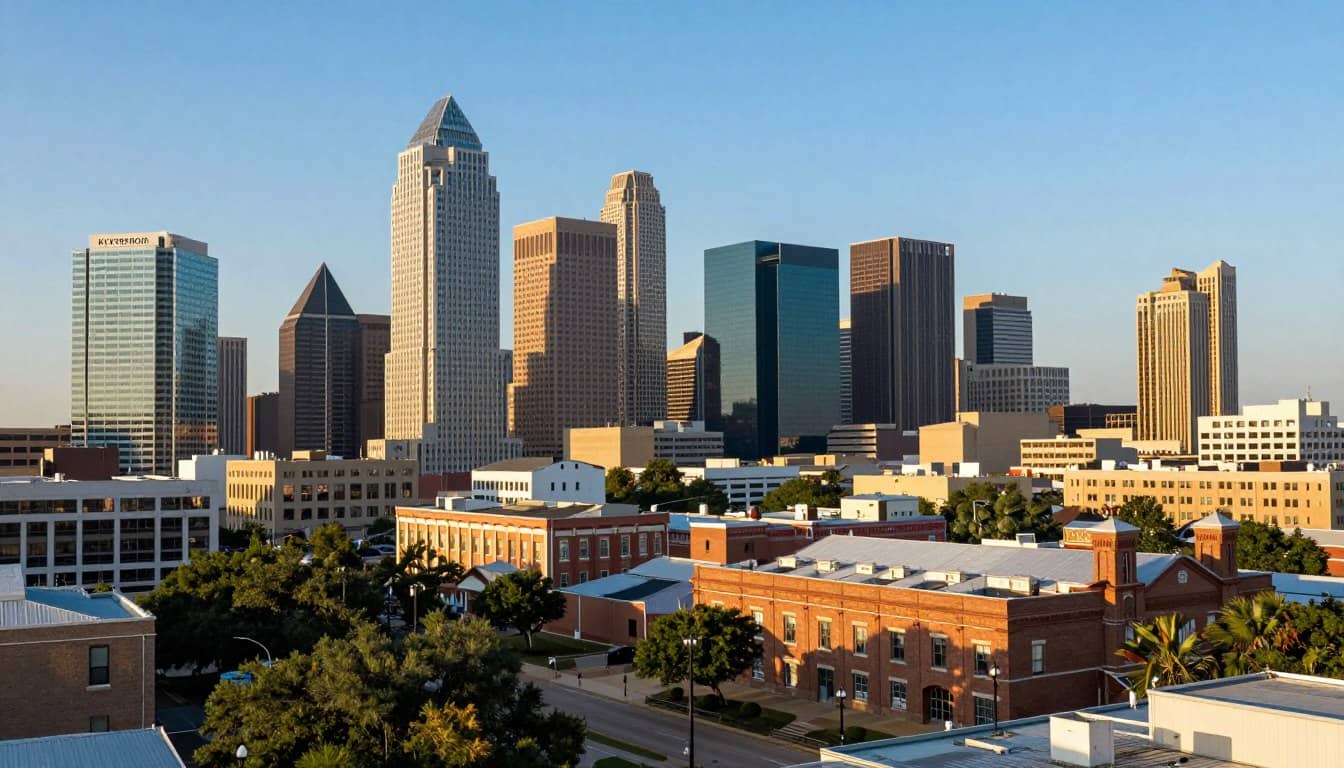
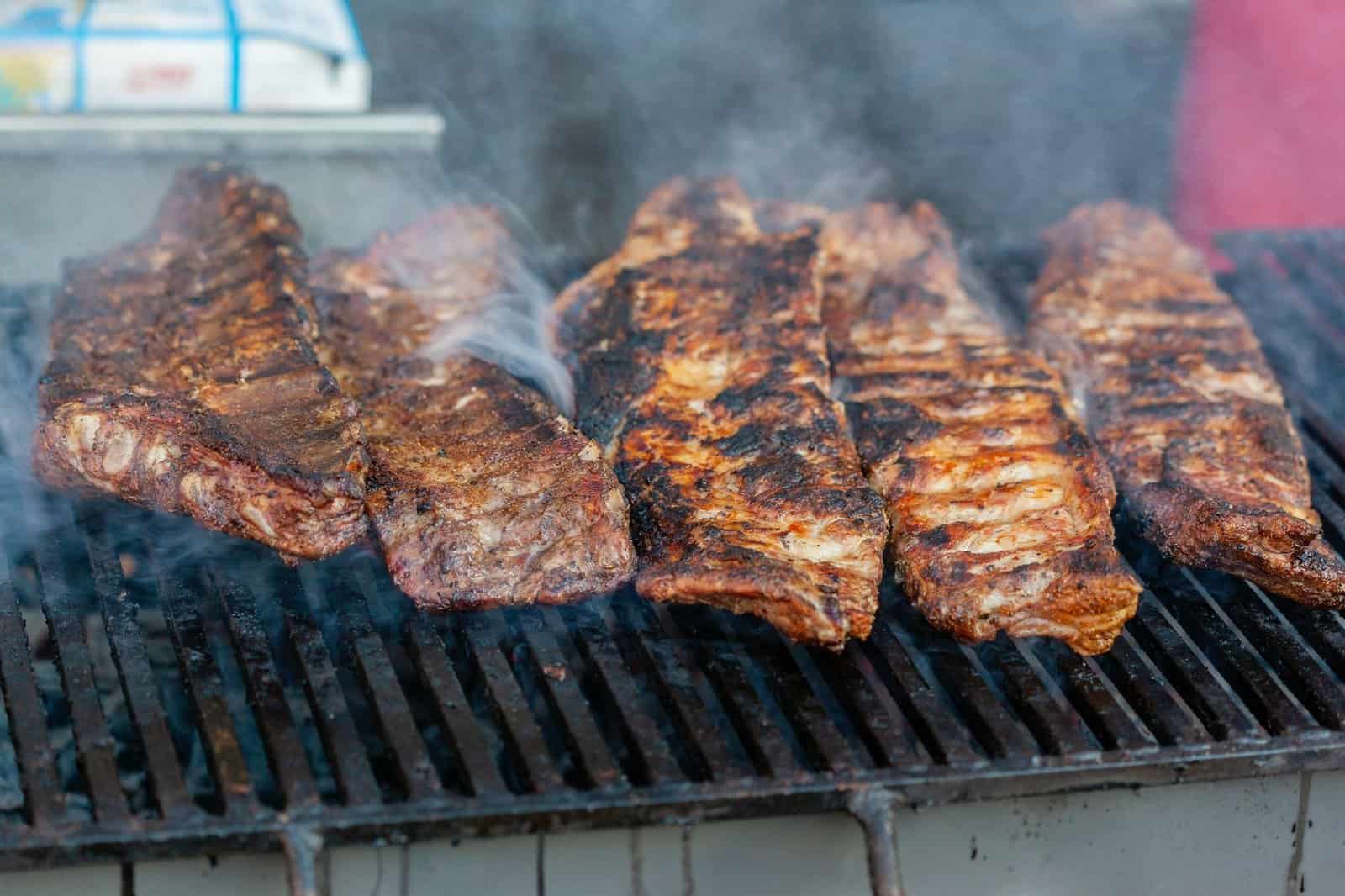
Kansas City has over 100 barbecue restaurants and a barbecue culture that has been continuous since the early 20th century when the style — slow-smoked over hardwood, finished with a thick, sweet-savory tomato sauce — emerged from the stockyards district. The food is real, the tradition is real, and the Kansas City Barbeque Society’s annual competition draws competitors from across the world. What the barbecue trail doesn’t show you is that Kansas City has a broader food culture, a more interesting history, and an arts scene that its regional reputation consistently undersells.
What Kansas City Has Beyond the Famous Restaurants
The Barbecue Context That Changes How You Eat
Joe’s Kansas City Bar-B-Que, Arthur Bryant’s, Gates Bar-B-Q — these are the institutions on every national list, and they deliver. But the most important thing to understand about Kansas City barbecue is that the great tradition isn’t only at famous restaurants. It’s at neighborhood spots that don’t have national profiles. Q39 in Midtown, LC’s Bar-B-Q on Blue Parkway, Danny Edwards Boulevard Barbecue — these are places where Kansas Citians actually eat, at prices that don’t have a tourist markup, in neighborhoods that show you a different Kansas City than the Power and Light district tourist zone.
The Nelson-Atkins Museum of Art
The Nelson-Atkins is one of the finest art museums in the United States and consistently ranks among the top 10 in national quality surveys. It is almost completely unknown outside the Midwest. The Egyptian collection, the Chinese temple collection, the Impressionist gallery, and the outdoor sculpture garden — with Claes Oldenburg’s massive Shuttlecocks on the lawn — make it a world-class institution that charges no admission. On a Sunday morning in Kansas City, the Nelson-Atkins is one of the best free experiences in American travel.
The 18th and Vine Jazz District
Kansas City’s jazz heritage — Charlie Parker, Count Basie, Big Joe Turner all came from here — is centered on the 18th and Vine district, where the American Jazz Museum and the Negro Leagues Baseball Museum share a building. The baseball museum is, by many accounts, one of the most emotionally powerful museums in America — the story of the Negro Leagues, the players who were excluded from Major League Baseball, and the parallel culture of excellence they built runs deeper than any barbecue trail. Plan three hours minimum.
The Crossroads Arts District
The Crossroads district south of downtown has developed over 20 years into one of the more functional arts districts in the Midwest — not manufactured, but genuinely organic, with gallery density, independent restaurants, and design firms that have found affordable space in former warehouse buildings. First Fridays bring the district to life with gallery openings. On any given evening, it provides a walkable urban experience that most visitors driving through Kansas City on I-70 never stop for.
Kansas City is one of those American cities where the gap between the city’s national profile and its actual quality is enormous. It’s known for one thing and delivers six. Eat the barbecue — it’s genuinely worth making the trip for. Then spend the rest of your time in a city that has been quietly excellent for a very long time.