Sedona Has the Vortexes, the Red Rocks, and Lines at Every Trailhead. Here’s When to Go Instead
We may earn money or products from the companies mentioned in this post. This means if you click on the link and purchase the item, I will receive a small commission at no extra cost to you ... you're just helping re-supply our family's travel fund.
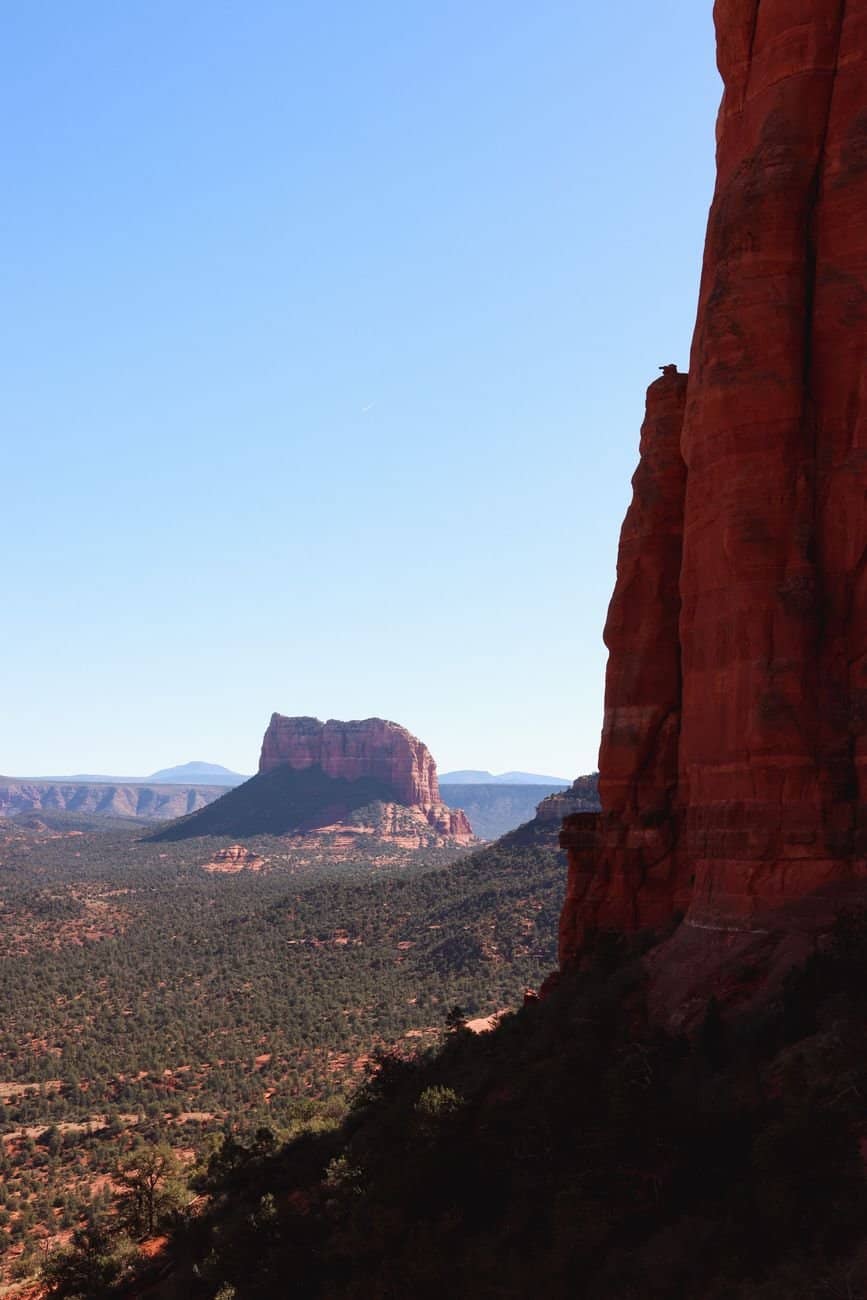
Sedona, Arizona has one of the most photographed landscapes in America — the red Supai sandstone formations glowing in the evening light, the mesas and buttes and canyon walls in impossible hues of red and orange against the blue Arizona sky. It draws over 3 million visitors annually into a canyon town of 10,000 permanent residents. On a Saturday morning in October, every major trailhead has a parking queue that begins at the highway, and the shuttle system that was implemented to manage it runs at capacity by 9 AM.
Sedona’s Crowd Problem — and the Specific Solutions That Actually Work
The Sedona experience problem is a timing and trail selection problem. The landscape is genuinely extraordinary at any hour in any season. The crowd problem is entirely predictable and entirely avoidable if you’re willing to adjust when and where you go.
When the Crowds Are Actually Gone
- January and February weekdays: The Red Rocks in winter morning light with frost on the trail and almost no one else there — this is what Sedona used to feel like year-round
- Before 7 AM, any season: Trailheads that fill to overflow by 9 AM have available parking at sunrise. The light at sunrise is also the best light for photographs and the temperature the most comfortable for hiking
- Weekdays in May: After spring break but before summer peaks, with warm temperatures and good wildflower potential at higher elevations
The Trails That Don’t Appear on Instagram
Devil’s Bridge is one of the most photographed trails in the Southwest and has the reservation requirement and parking chaos to prove it. The Birthing Cave trail, Secret Canyon, and the trails in the Dry Creek Road area provide red rock scenery of comparable drama with parking situations that remain manageable even on weekends. The Huckaby Trail offers some of Sedona’s best creek views and loops that most visitors overlook because the name doesn’t appear in the top 10 lists.
The Vortex Question
Sedona’s vortex sites — specific locations believed by New Age practitioners to have concentrated spiritual energy — are an enormous part of the city’s tourism economy. The four main vortex sites (Cathedral Rock, Bell Rock, Airport Mesa, and Boynton Canyon) are on or adjacent to legitimate hiking trails with genuine geological interest regardless of one’s views on vortex energy. The tourism around the vortexes is a significant portion of Sedona’s $1.5 billion annual tourism revenue and drives a significant segment of the New Age-adjacent service industry in town. Whether you’re there for the geology or the energy, the trails are real and the views are extraordinary.
Sedona requires the Red Rock Pass for parking at most trailheads ($15 per day or covered by the America the Beautiful annual pass). The timed entry reservation system for the busiest trailheads must be booked in advance during peak season. These friction points exist for good reason — Sedona’s fragile desert ecosystem is under real pressure from 3 million annual visitors. The preparation is minimal and the experience, when you time it right, is among the finest in the American Southwest.