Why Bentonville Keeps Topping Every Relocation List in America
We may earn money or products from the companies mentioned in this post. This means if you click on the link and purchase the item, I will receive a small commission at no extra cost to you ... you're just helping re-supply our family's travel fund.
Bentonville, Arkansas keeps showing up on relocation lists, and the data behind it is stranger than most people expect.
Bentonville’s outsized growth
Arkansas ranked as the number one inbound state in Atlas Van Lines’ 2025 migration study, and 38 percent of everyone the company moved into Arkansas landed specifically in Bentonville, according to Talk Business & Politics’ coverage of the data. That’s an unusual concentration for a single city inside one state. Census estimates put Bentonville’s 2024 population at 61,791, up from 54,819 in the 2020 census, a roughly 14 percent jump in four years that made it the fastest-growing city in Arkansas over that period.
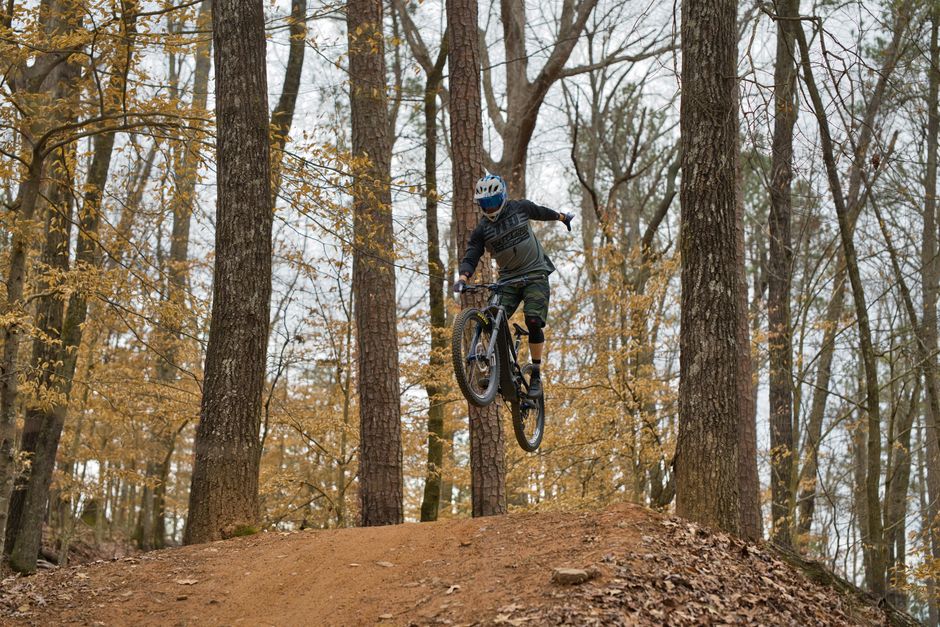
Walmart’s headquarters and its return-to-office push get much of the credit, pulling corporate employees and suppliers back into Northwest Arkansas after years of remote flexibility. But the city has also built an identity beyond retail: Crystal Bridges Museum of American Art, opened by the Walton family in 2011, and an expanding network of mountain bike trails that helped Bentonville earn recognition as a Bicycle Friendly Community.
Eureka Springs: the Victorian holdout
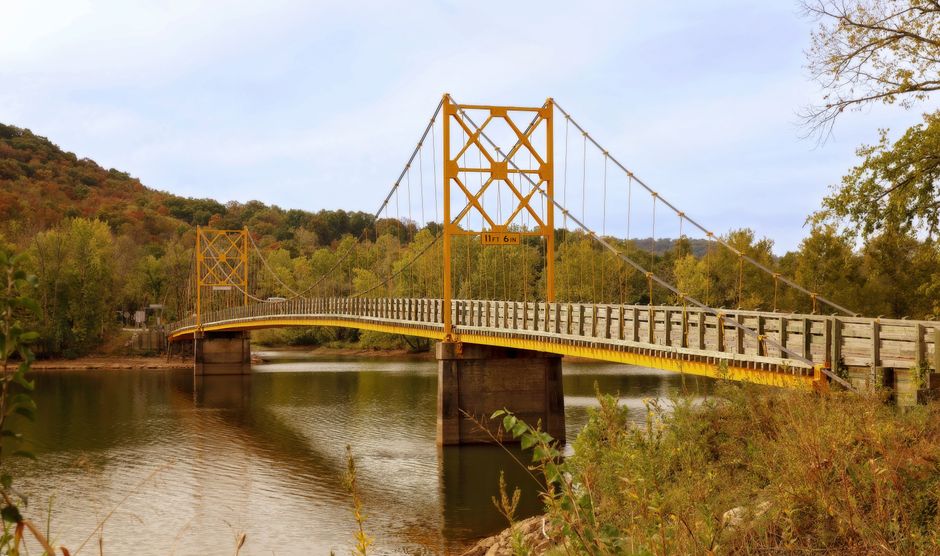
An hour and a half northeast, Eureka Springs offers almost the opposite experience: a town built into the Ozark hillsides with no straight streets, Victorian-era architecture preserved almost entirely intact, and a population under 2,000. It draws visitors for its historic downtown, natural springs, and a long-running reputation as an arts and LGBTQ-friendly enclave in a conservative region, a contrast that’s part of what makes it stand out.
The Branson factor
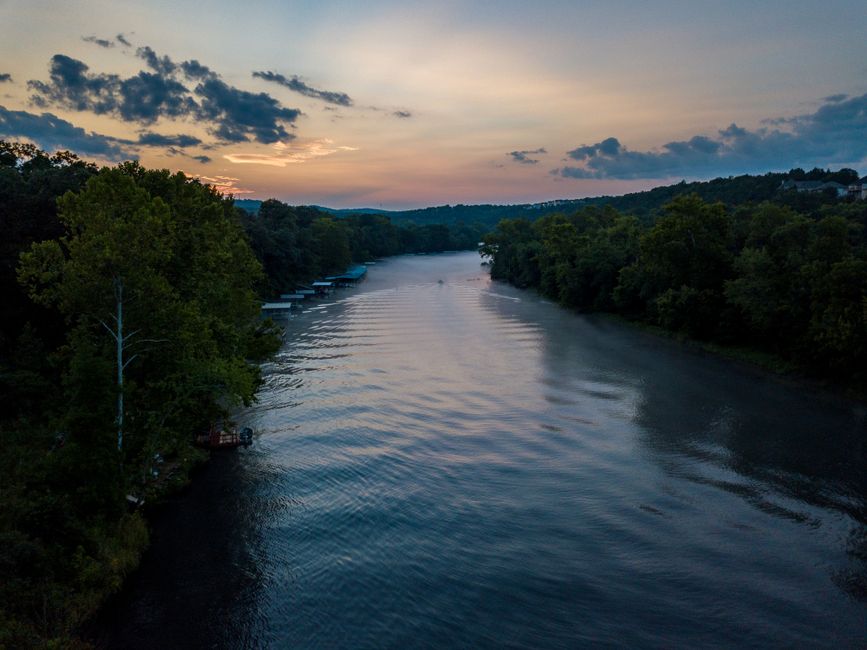
Just across the Missouri line, Branson anchors the family entertainment end of the Ozarks with its live music theaters and Table Rock Lake, pulling a different demographic than Bentonville’s cyclists or Eureka Springs’s artists. Together, the three towns give the Ozarks a surprisingly wide range of identities packed into a two-hour drive.
Why the region keeps landing on relocation lists
Northwest Arkansas as a whole grew to around 605,000 people in 2024, up from roughly 591,000 the year before, a 2.3 percent annual growth rate that outpaces most metro areas its size, according to migration data reported by Anthony Mosley Real Estate. Movers cite job opportunities, proximity to family, and affordability relative to the coasts as the top reasons, according to the Atlas Van Lines study.
- Arkansas was Atlas Van Lines’ number one inbound state in both 2024 and 2025
- 38 percent of movers into Arkansas relocated specifically to Bentonville
- Bentonville’s population grew 14 percent between the 2020 census and 2024, reaching 61,791
- Northwest Arkansas overall added roughly 40 new residents per day in recent tracking
The trade-off shows up in housing prices that have risen alongside the growth, with median home sale prices in Bentonville recently reported near $471,663, according to regional real estate coverage. For a region once defined mostly by chicken processing plants and retail warehouses, that’s a genuinely new story.
What’s actually pulling people to Northwest Arkansas
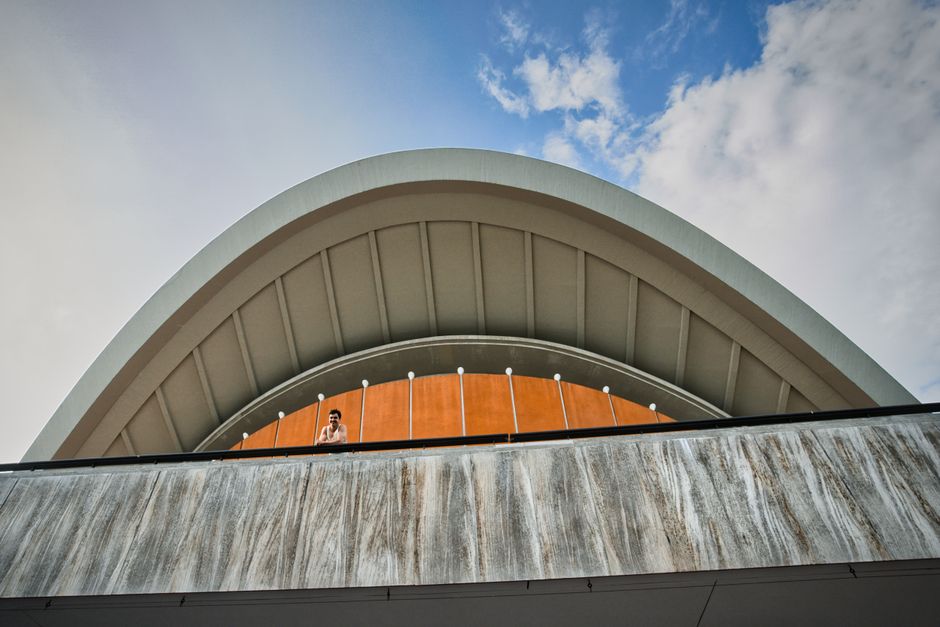
Crystal Bridges Museum of American Art, funded by the Walton Family Foundation and opened in 2011, gave Bentonville a cultural institution far larger than a city its size would typically support, housing works by Norman Rockwell, Georgia O’Keeffe, and a rotating slate of major traveling exhibitions, all with free general admission. That single investment reshaped how outsiders perceived a town best known previously for the original Walmart store still preserved downtown as a museum of its own.
The region has also built one of the most extensive mountain biking trail networks in the country, with more than 400 miles of trails across Northwest Arkansas funded significantly by the Walton Family Foundation, earning Bentonville a Silver-level Ride Center designation from the International Mountain Bicycling Association, a rare distinction for a city its size.
The corporate pull factor
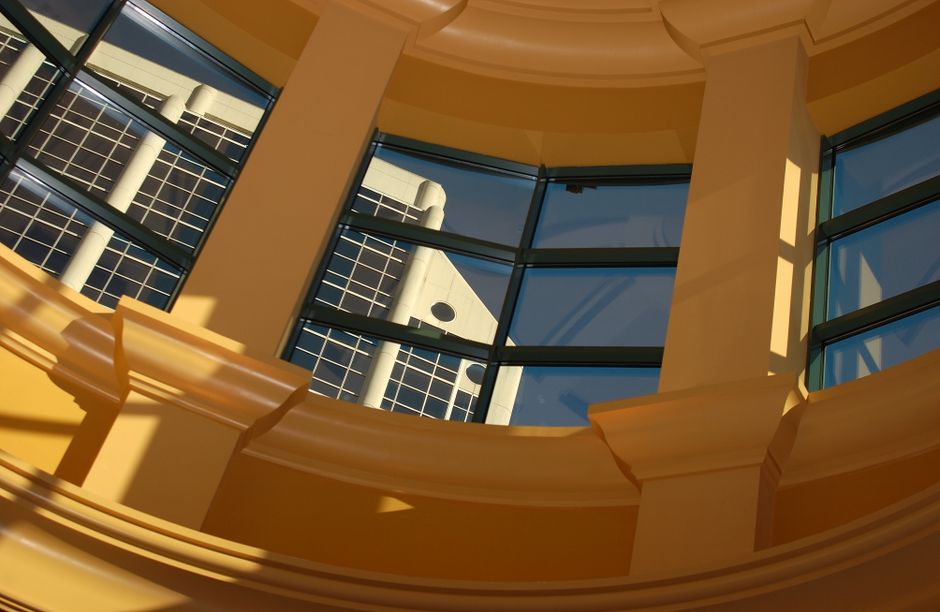
Walmart’s continued headquarters presence, along with the dense supplier ecosystem that surrounds any Fortune 1 company, means a large share of Bentonville’s new residents arrive for corporate jobs rather than purely lifestyle reasons. The company’s return-to-office requirements in recent years have specifically pulled remote employees who had relocated elsewhere during the pandemic back into the immediate Bentonville area, adding another distinct wave to the broader migration pattern.
Eureka Springs and Branson round out the picture
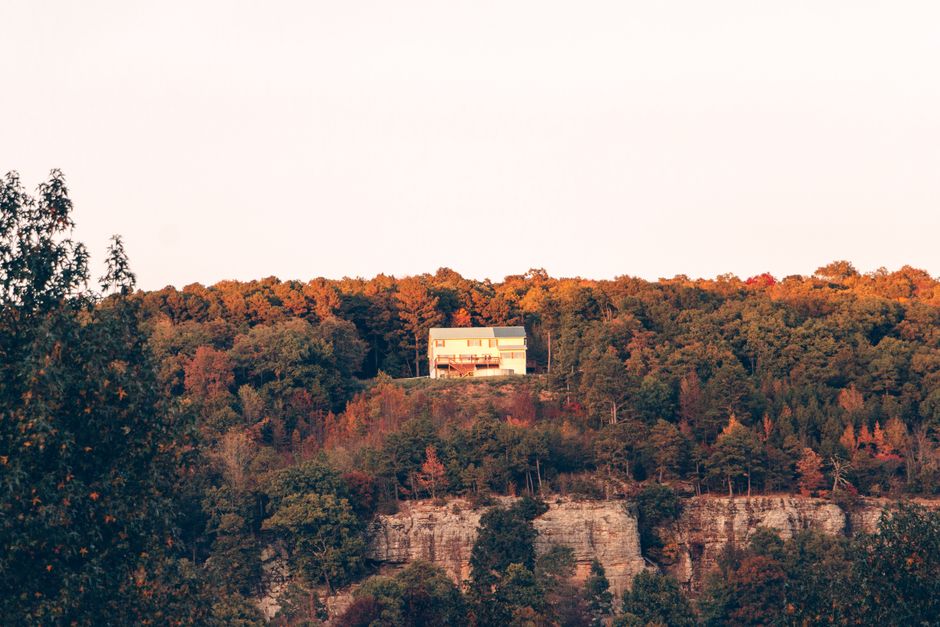
While Bentonville draws corporate transplants and cyclists, Eureka Springs continues to attract a smaller, artier crowd drawn to its preserved Victorian downtown and its history as a wellness and spiritual retreat destination dating back to claims about its natural springs’ healing properties in the 1800s. Branson, further south across the Missouri line, remains the family entertainment anchor of the broader Ozarks region, pulling millions of visitors annually to its live music theaters along the 76 Country Boulevard strip and to Table Rock Lake for boating and fishing.
- Crystal Bridges Museum of American Art offers free general admission and has anchored Bentonville’s cultural identity since 2011
- Northwest Arkansas has built more than 400 miles of mountain biking trails, earning international recognition
- Walmart’s headquarters and supplier ecosystem continue to drive a steady stream of corporate relocations
- Eureka Springs and Branson offer distinctly different identities within an easy drive of Bentonville
The Ozarks region as a whole benefits from offering multiple, genuinely different reasons to move there, corporate opportunity in Bentonville, small-town arts culture in Eureka Springs, and family entertainment in Branson, which helps explain why the relocation numbers keep climbing across the entire region rather than in just one city.
What newcomers say surprises them most
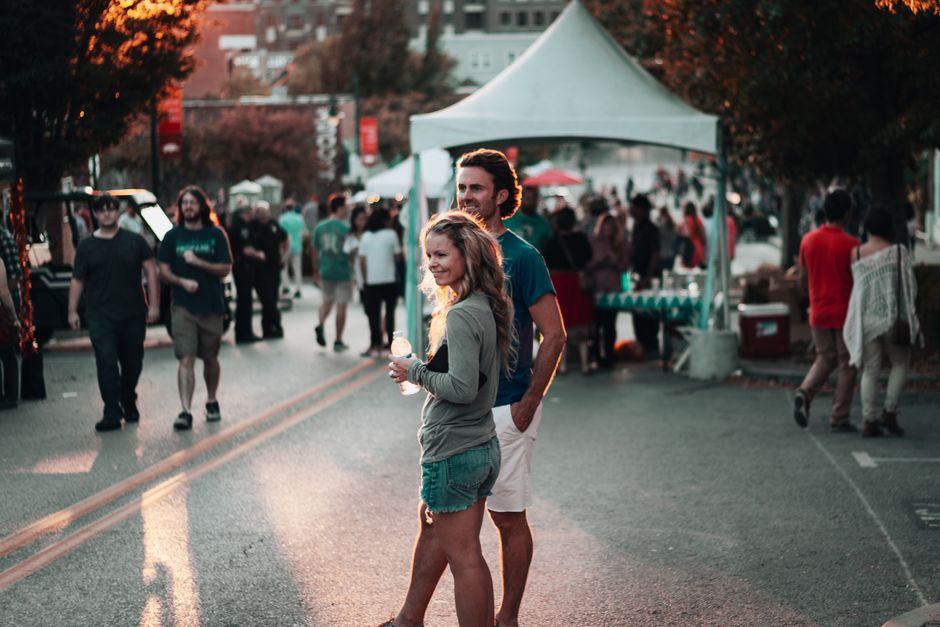
Relocation testimonials collected by regional real estate coverage consistently mention two things that surprise new arrivals: how quickly Bentonville’s downtown square has filled in with genuinely good restaurants and coffee shops, a level of food and retail sophistication most newcomers don’t expect from a city its size, and how much cheaper daily life feels relative to wherever they moved from, even as home prices climb toward $471,663 for a median single-family house.
That combination, rising home prices paired with still-favorable overall cost of living relative to the coasts, is exactly the formula driving so much of the broader Sun Belt and secondary-city migration story playing out across the country, with Bentonville simply representing one of its most concentrated examples.