The Real Math Behind Living in a Colorado Ski Town, Not Just Visiting One
We may earn money or products from the companies mentioned in this post. This means if you click on the link and purchase the item, I will receive a small commission at no extra cost to you ... you're just helping re-supply our family's travel fund.
Everyone pictures the powder days and the après-ski beers. Almost nobody budgets for what it costs to actually live where the postcard was taken.
Breckenridge by the numbers
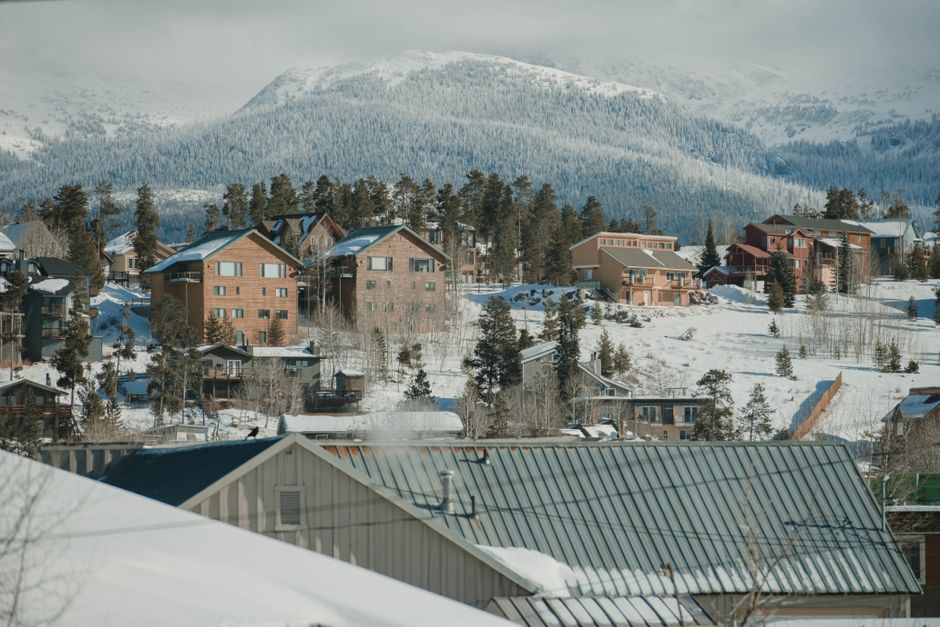
The median single-family home sale price in Breckenridge has climbed into territory that puts it well out of reach of the workers who staff its hotels and restaurants, according to the 2025 Breckenridge Single-Family Housing Report compiled by Colorado Realty Group. Rentcafe’s 2025 cost of living data pegs the town’s overall cost of living dramatically above the national average, driven almost entirely by housing rather than groceries or gas, which track closer to national norms.
Wise’s 2026 cost breakdown estimates a single person’s monthly expenses excluding rent at around $1,116, which sounds manageable until rent enters the picture. One-bedroom units in Breckenridge routinely list well above $2,000 a month when they’re available at all, and much of the year-round workforce commutes from Silverthorne, Frisco, or even Leadville, adding 20 to 40 minutes to already long shifts.
Telluride’s version of the same math
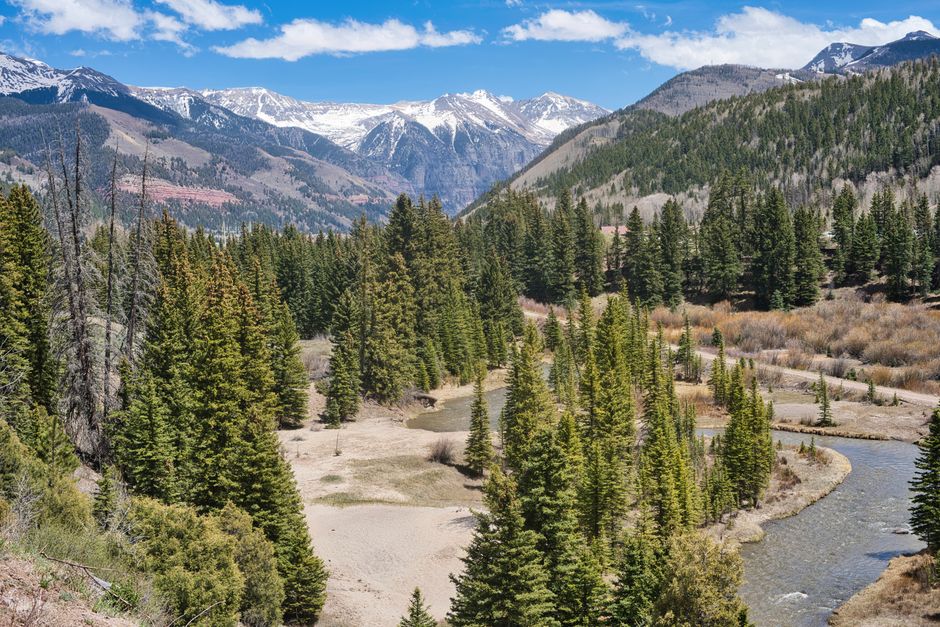
Telluride, tucked into its box canyon in southwest Colorado, faces an even tighter housing supply because the town literally cannot expand outward in most directions. Dwellics’ 2025 cost of living data for Telluride shows housing costs running multiples above the state average, and locals often point to the free gondola connecting Telluride to Mountain Village as one of the only truly free things left in town.
Why workers still come anyway
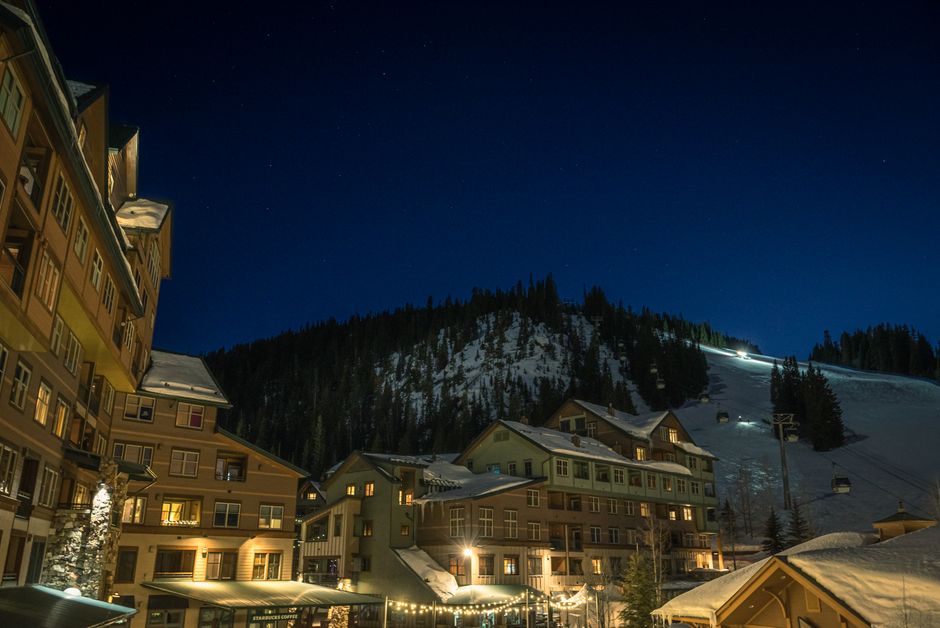
Both towns rely heavily on seasonal workers who accept short-term deed-restricted housing, live in employee dorms run by the resorts, or simply treat a winter season as temporary. Long-term locals, the teachers, nurses, and shop owners who need to stay year-round, are the ones absorbing the real pressure. Summit County, home to Breckenridge, has run workforce housing initiatives for over a decade, but new units are consistently outpaced by demand.
What a week actually costs versus what it costs to stay
A week-long ski trip to Breckenridge or Telluride is expensive but predictable: lift tickets, a rental condo, a few dinners out. Living there full-time is a different math problem entirely, one where a $471,000 median home price in a growing Arkansas boomtown like Bentonville looks almost quaint by comparison to Summit County’s numbers.
- Breckenridge cost of living runs significantly above the national average, driven by housing rather than daily expenses
- Estimated non-rent monthly costs for a single person in Breckenridge run around $1,116, per Wise’s 2026 data
- Telluride’s box-canyon geography physically limits new housing supply, keeping prices elevated
- Both towns depend on a commuter workforce living outside city limits
The mountains aren’t the expensive part. The parking spot, the grocery run, and the one-bedroom apartment are.
How towns are trying to fix it
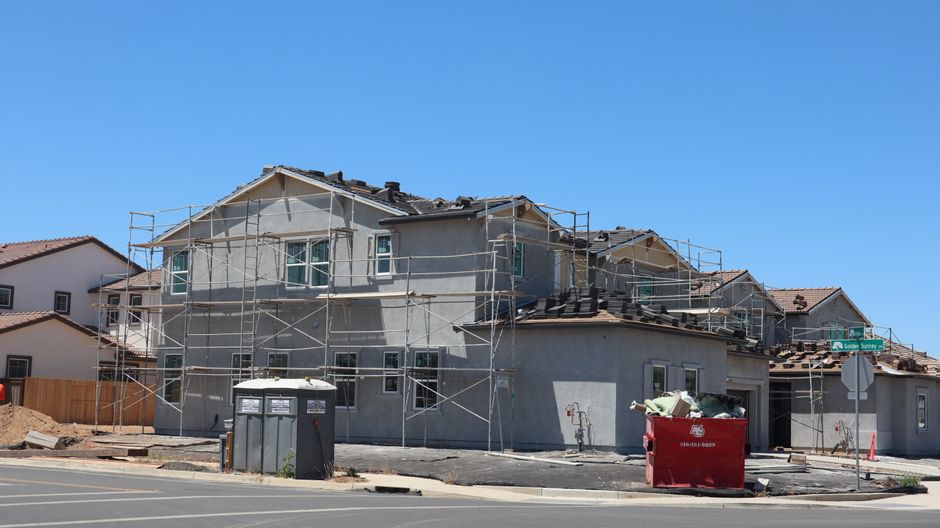
Summit County has run deed-restricted workforce housing programs for well over a decade, requiring buyers to work locally and capping resale prices to keep units affordable for the next eligible buyer rather than letting them appreciate at market rate. Breckenridge itself has used a real estate transfer tax, approved by voters, to fund additional workforce housing construction, and the town has also purchased land specifically earmarked for employee housing rather than leaving it to private developers.
Telluride has experimented with similar deed-restriction programs through the Telluride Regional Housing Authority, along with employer-provided housing run directly by the ski resort for seasonal staff. Neither town has fully closed the gap between wages and housing costs, but both have at least slowed the bleed of essential workers leaving the area entirely.
The seasonal worker’s version of the math
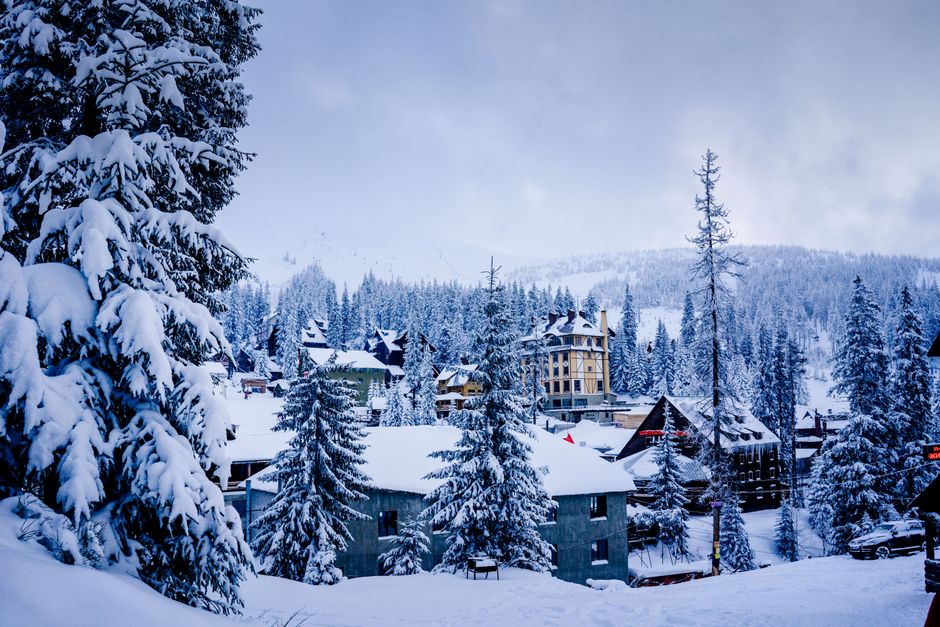
For a 22-year-old taking a winter season job at a resort, employer-provided housing or a shared rental split four or five ways can make the cost of living workable for a few months at a time. That arrangement simply doesn’t scale to a career or a family, which is exactly why both towns report chronic shortages of mid-career workers: teachers, nurses, contractors, and small business employees who need stable, year-round housing rather than a seasonal bunk.
What travelers should actually take away from this
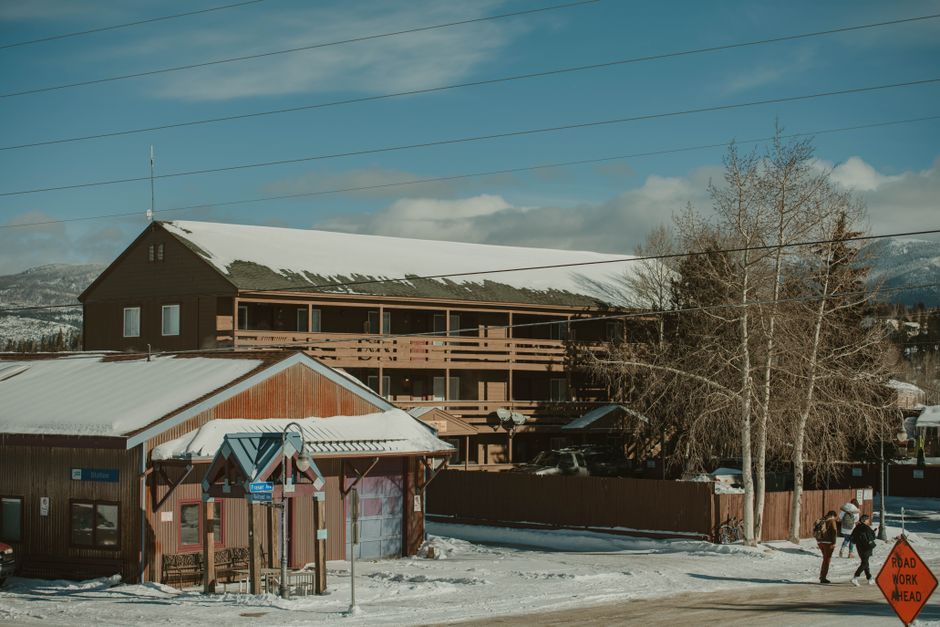
The next time a dinner reservation is hard to get or a shop has reduced hours in a ski town, the workforce housing shortage is very often the actual reason, not a lack of interest in serving visitors. Businesses across Summit County and the Telluride region have publicly cited staffing shortages tied directly to housing costs as a reason for reduced operating hours in recent seasons.
- Summit County uses a voter-approved real estate transfer tax to help fund workforce housing construction
- Deed-restricted housing programs cap resale prices to keep units affordable for future eligible local buyers
- Ski resorts increasingly provide direct employee housing for seasonal staff, though it rarely extends to year-round workers
- Staffing shortages tied to housing costs have led some mountain town businesses to reduce operating hours
Visiting a mountain town for a week and living in one full-time have almost nothing in common financially. The postcard is real. The rent required to stay and enjoy it year-round is the part that never makes it into the brochure.
How this plays out beyond Colorado
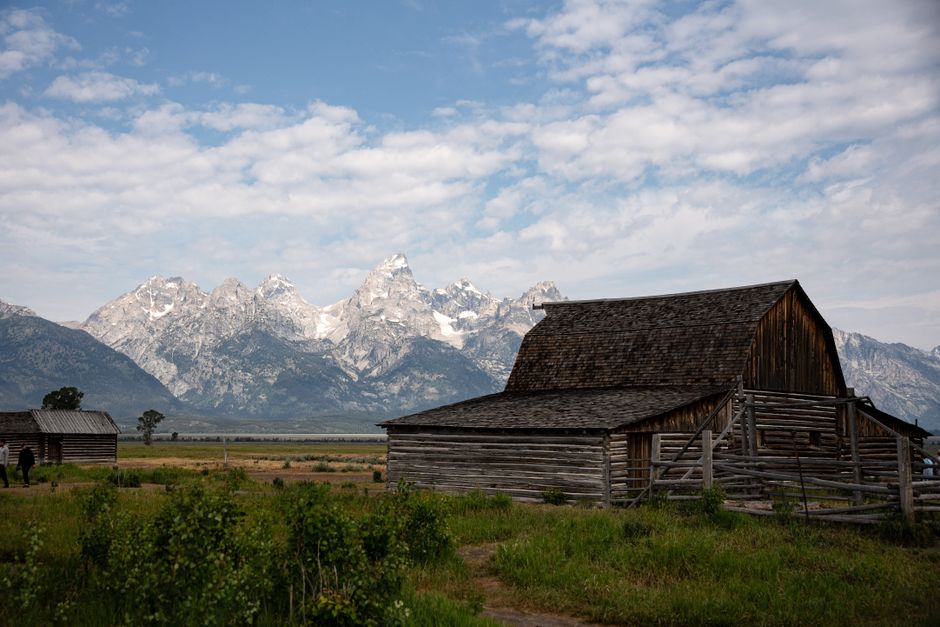
The same math shows up in Jackson Hole, Wyoming, Park City, Utah, and Aspen, Colorado, all resort towns where median home prices run multiples above what local service and hospitality wages can support. Housing authorities in each of these towns have adopted variations of the same deed-restriction and transfer-tax strategies used in Breckenridge and Telluride, suggesting the workforce housing crisis in mountain resort economies has become a structural feature of the industry rather than a Colorado-specific anomaly.
For travelers planning a mountain town trip, the practical takeaway is patience: reduced restaurant hours, short-staffed hotels, and longer wait times for services are increasingly common symptoms of the same housing shortage playing out behind the scenes of an otherwise picture-perfect vacation.
It’s worth remembering that the workers making a mountain town vacation feel effortless, the lift operators, the servers, the shuttle drivers, are frequently commuting well over an hour each way or squeezing into shared seasonal housing just to make that experience possible, a tradeoff that rarely shows up anywhere in the marketing but shapes almost every part of how these towns actually function day to day.