What’s Actually Happening to Sedona Right Now, According to the People Who Live There
We may earn money or products from the companies mentioned in this post. This means if you click on the link and purchase the item, I will receive a small commission at no extra cost to you ... you're just helping re-supply our family's travel fund.
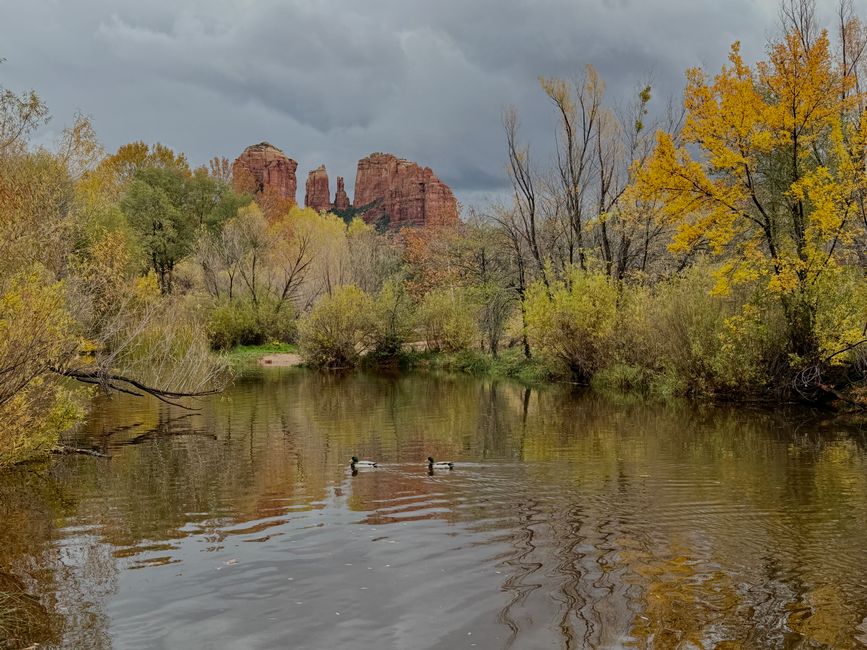
Sedona’s red rocks haven’t changed. Everything around them has.
The numbers behind Sedona’s tourism economy
Tourism accounts for roughly 77 percent of Sedona’s sales tax revenue and supports around 10,000 local jobs, according to reporting compiled by Ever After in the Woods on the city’s economic makeup. About 70 percent of Sedona residents openly acknowledge tourism is the most important driver of the local economy. That dependency cuts both ways: the same visitor volume that keeps restaurants and jeep tour operators in business has also reshaped the housing market so dramatically that the city council declared a housing shortage emergency in early 2025.
Short-term rentals versus a shrinking resident population
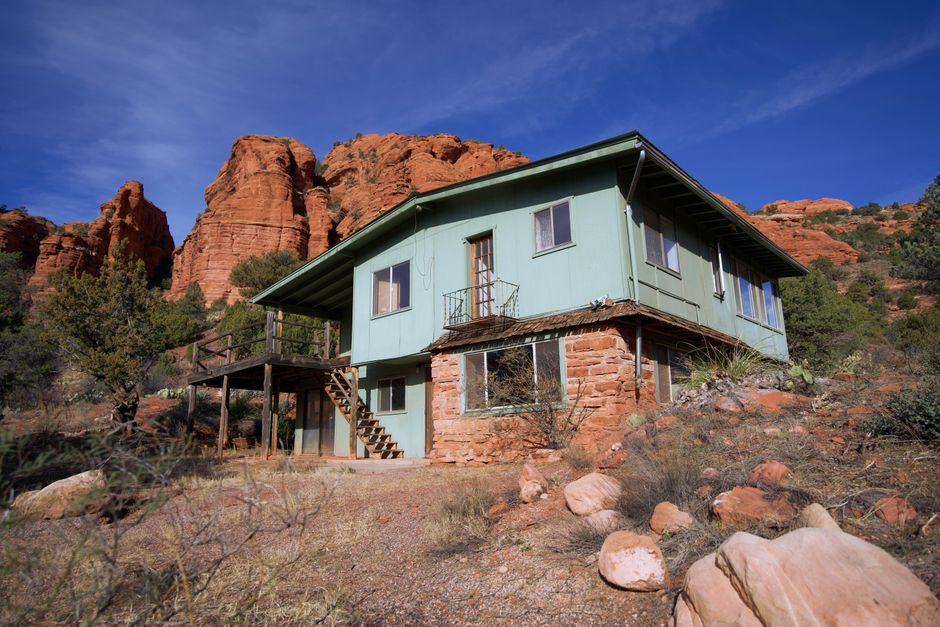
Sedona’s mayor told KJZZ in January 2025 that the city has, in his words, way too many short-term rentals, part of a broader statewide fight since Arizona law limits how much cities can regulate them. Arizona Ascent’s April 2025 reporting on northern Arizona described entire residential streets converting to nightly rentals, leaving service workers, teachers, and retail employees with almost nowhere affordable to live within city limits. Many now commute from Cottonwood or the Verde Valley, adding 30 to 45 minutes each way.
The vortex economy keeps growing anyway
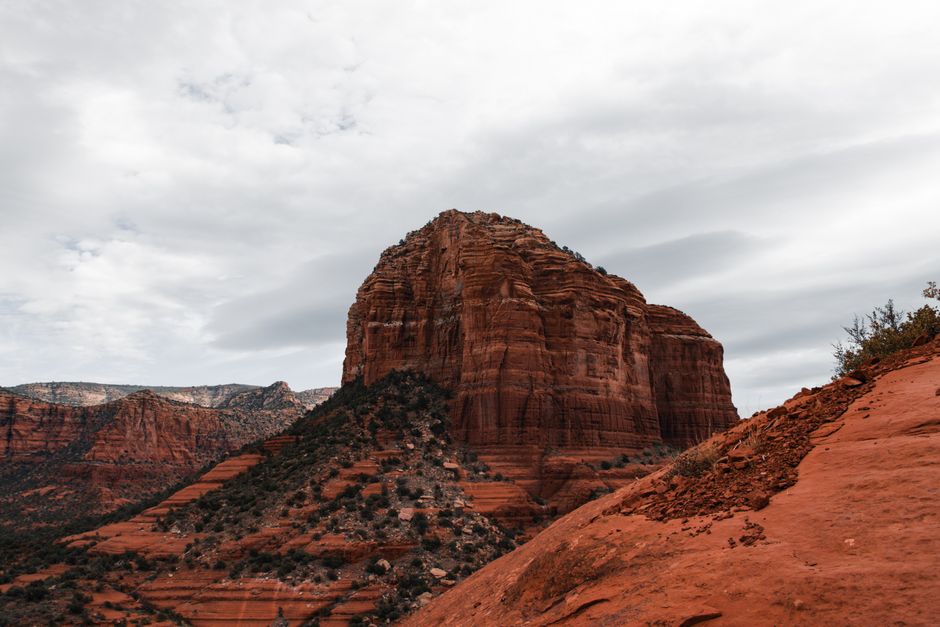
None of this has slowed visitor demand. Sedona’s spiritual tourism industry, built around claimed energy vortex sites at places like Airport Mesa, Bell Rock, and Cathedral Rock, continues to anchor a tour guide and wellness retreat economy that predates the housing crunch by decades. Real estate tracking from SedonaRealEstate.com projected roughly a 6 percent increase in home sales by the end of 2025, even as affordability worsened for anyone not selling into that market.
What it actually looks like on the ground
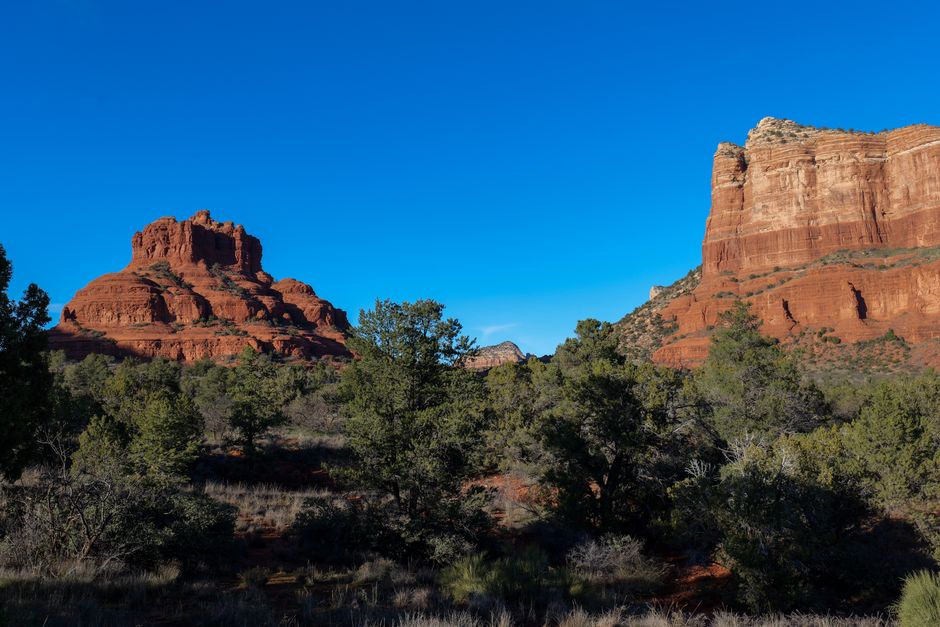
Route 89A through uptown Sedona regularly backs up on weekends, and parking at trailheads like Devil’s Bridge often fills before 9 a.m. during peak season. The city has experimented with a shuttle system to reduce trailhead congestion, but locals interviewed by regional outlets say the core tension remains unresolved: Sedona’s economy needs the crowds, and the crowds are pricing out the workers who serve them.
- Tourism generates roughly 77 percent of Sedona’s sales tax revenue
- Around 10,000 local jobs depend directly on tourism
- The city council declared a housing shortage emergency in January 2025, citing short-term rental conversion
- Arizona state law restricts how much cities can regulate short-term rentals, limiting Sedona’s options
Where this leaves visitors
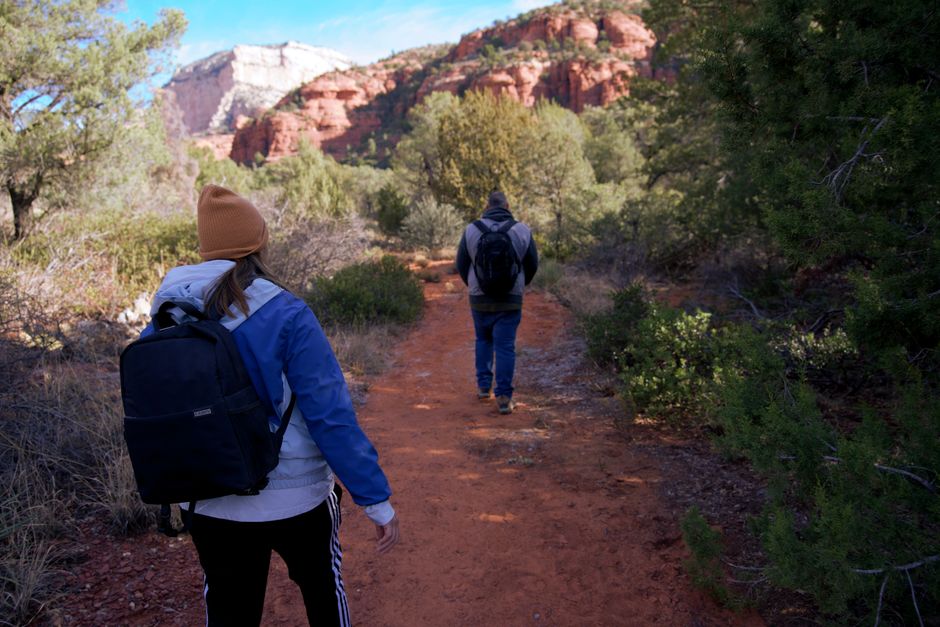
For now, Sedona remains one of the most visited small cities in the Southwest, drawing an estimated three million or more visitors a year to a city with fewer than 10,000 residents. The red rocks aren’t going anywhere. Whether the town underneath them can hold onto the people who keep it running is the question locals are actually arguing about.
The policy fights playing out right now

Arizona’s statewide preemption law, passed in 2016 and amended several times since, has limited how aggressively cities like Sedona can regulate short-term rentals, even as local frustration mounts. The Greater Sedona Chamber of Commerce and Tourism Bureau has been tracking legislative sessions closely, according to its own March 2026 update on advocacy priorities for the Verde Valley, because any statewide change to rental regulation would directly affect Sedona more than almost any other Arizona city given how concentrated its economy is around visitor spending.
A city-commissioned short-term rental report, released in early 2025 and covered by Red Rock News, laid out the scale of the shift in plain numbers: a meaningful share of Sedona’s total housing stock is now licensed for nightly rental rather than long-term occupancy, a conversion rate that would be unusual in almost any other mid-sized American city not built primarily around tourism.
Why Sedona can’t simply build its way out of the problem
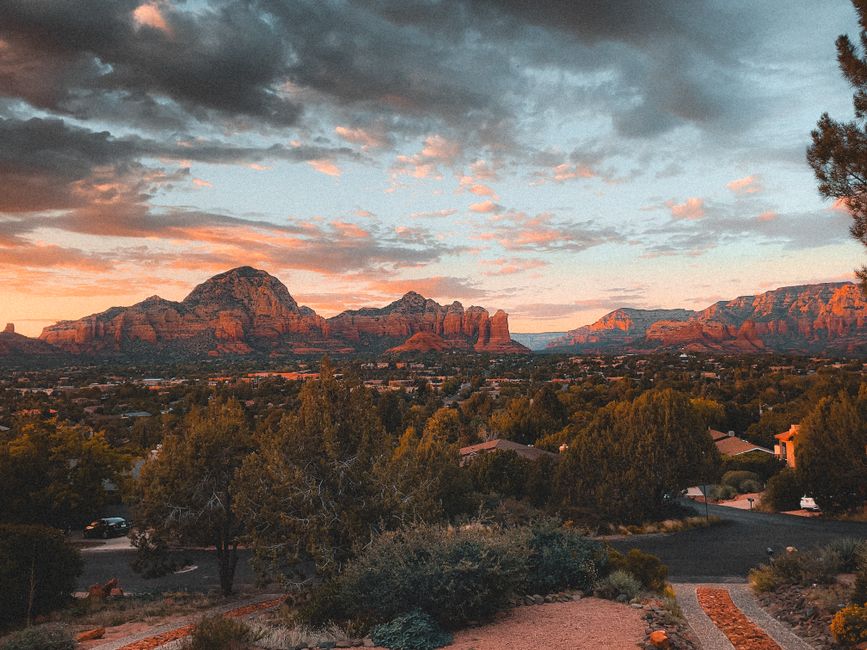
Unlike Bentonville or Chattanooga, Sedona is geographically boxed in. Much of the land surrounding the city is federally managed Coconino National Forest, which means there’s little room for the kind of large-scale new housing development that could ease the supply crunch elsewhere. That constraint is part of what makes the red rock scenery so spectacular and part of what makes the housing math so difficult to fix through construction alone.
City planners have instead focused on incentive programs for long-term rental conversion and deed-restricted workforce housing, similar in spirit to what Colorado mountain towns like Breckenridge have tried, though Sedona’s programs remain smaller in scale relative to the size of its housing gap.
What visitors can expect in the meantime
The city’s trailhead shuttle system, expanded in recent years specifically to cut down on parking congestion at popular sites like Fay Canyon and Devil’s Bridge, remains one of the more visible attempts to manage volume without limiting visitor numbers outright. Uptown Sedona’s traffic on Route 89A during peak weekends still regularly backs up for blocks, a pattern locals say has become the new normal rather than an occasional inconvenience.
- Arizona’s statewide preemption law limits how much cities can restrict short-term rentals
- Sedona is largely surrounded by Coconino National Forest, limiting new housing development options
- City-commissioned reports have documented a significant share of housing stock converted to nightly rental use
- A trailhead shuttle system has expanded to manage visitor congestion at sites like Devil’s Bridge
The tension between Sedona’s economic dependence on tourism and its shrinking residential base shows no sign of resolving soon, which means the version of Sedona travelers encounter, stunning scenery, crowded trailheads, and a town visibly stretched thin, is likely to remain the version on offer for the foreseeable future.
How this compares to other overtourism flashpoints
Sedona’s situation echoes what’s happened in mountain towns like Breckenridge and coastal communities like the Outer Banks, where tourism revenue and resident housing stability have become directly opposed rather than mutually reinforcing. What makes Sedona’s version distinct is the sheer concentration: a city of fewer than 10,000 full-time residents generating enough visitor traffic to rival destinations many times its population, packed into a downtown core bounded tightly by protected forest land on nearly every side.
Local business owners interviewed by regional outlets have described a genuine dilemma: opposing further rental growth risks undercutting the tourism revenue their own businesses depend on, while supporting the status quo continues pricing out the employees they need to actually staff those businesses.