The Texas Towns Suddenly Outpacing Austin in Every Travel Search
We may earn money or products from the companies mentioned in this post. This means if you click on the link and purchase the item, I will receive a small commission at no extra cost to you ... you're just helping re-supply our family's travel fund.
Everyone already knows about Austin’s tech boom and Dallas’s endless sprawl. But three hours west and an hour outside San Antonio, a different Texas is drawing people who are tired of both of those stories.
Marfa: the ranching town that became an art pilgrimage
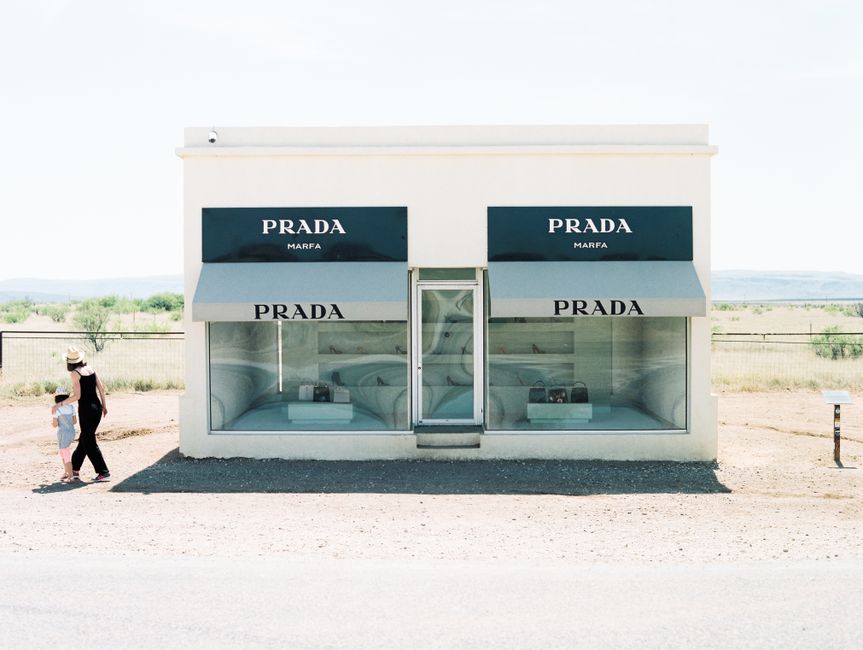
Marfa sits in the Chihuahuan Desert with a population still under 2,000, but the numbers around it tell a different story. When Prada Marfa, the fake designer storefront built by artists Elmgreen and Dragset, first went up along Highway 90 near the town of Valentine in 2005, roughly 5,000 art tourists made the trip each year. Last year that number was closer to 40,000, according to Texas Highways magazine’s reporting on the installation’s 15th anniversary.
The transformation traces back to Donald Judd, the minimalist sculptor who moved to Marfa in the 1970s and began buying up old Army buildings to house his work through the Chinati Foundation. What followed decades later is a town with high-end restaurants, boutique hotels like the Hotel Saint George, and gallery openings that pull collectors from New York and Los Angeles into a place with one stoplight.
Fredericksburg: Napa Valley with a German accent
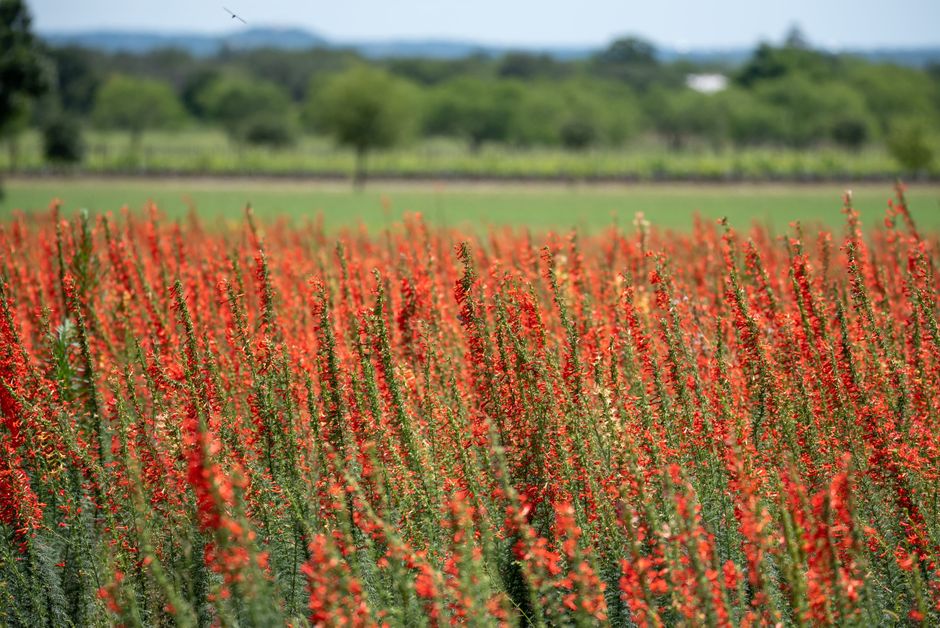
Fredericksburg is only 75 miles from Austin, but it built its own identity around German settler history and, more recently, wine. The Texas Hill Country wine region now attracts more than 2.6 million visitors a year, according to Food & Wine’s coverage of the area’s growth, with wineries like Becker Vineyards helping anchor what’s become a roughly $20 billion Texas wine economy statewide. Main Street still has its 19th-century limestone buildings and sausage houses, but Saturday afternoons now mean tasting room lines and traffic that didn’t exist a decade ago.
Gruene: the historic district that never left the 1870s
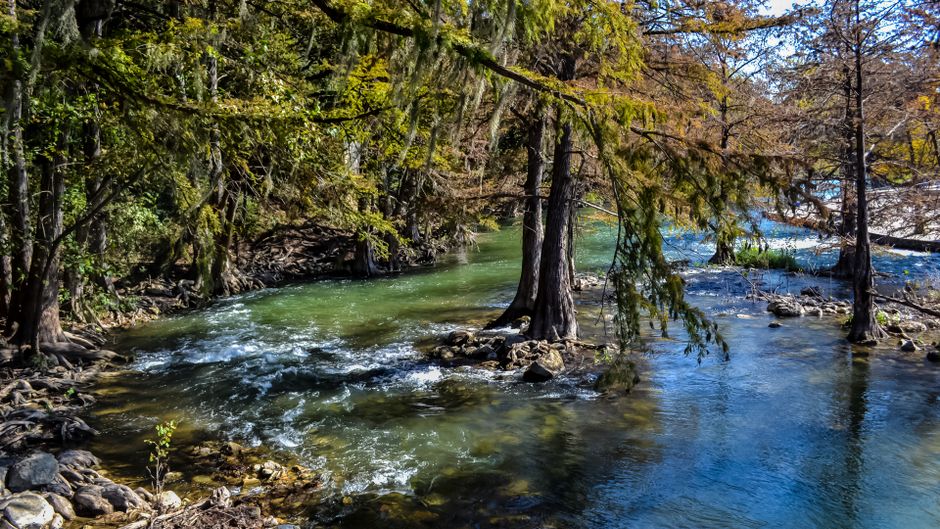
Technically part of New Braunfels now, Gruene kept its own identity around the Guadalupe River and Gruene Hall, widely billed as the oldest continually running dance hall in Texas, dating to 1878. Tubing down the Guadalupe in summer and two-stepping at Gruene Hall at night has turned this half-square-mile historic district into a weekend anchor for people driving down from Austin or up from San Antonio, both under an hour away.
Wimberley: the river town that stayed small on purpose
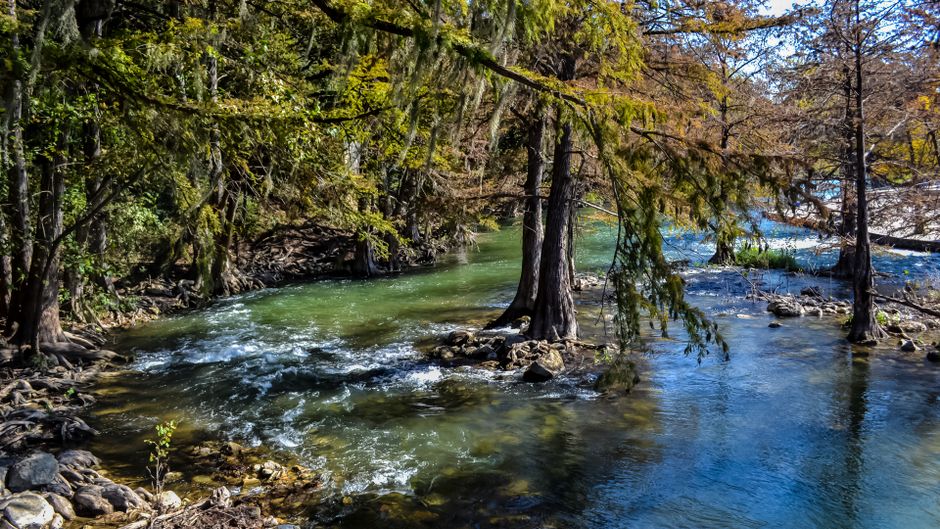
Wimberley sits along Cypress Creek and is best known for Jacob’s Well, a spring-fed swimming hole, and Blue Hole Regional Park. Unlike Fredericksburg or Gruene, Wimberley has resisted large-scale commercial development, and its market days and artisan shops still feel more like a local Saturday tradition than a tourist funnel, even as day-trippers from Austin discover it every summer.
Why these towns are winning attention right now
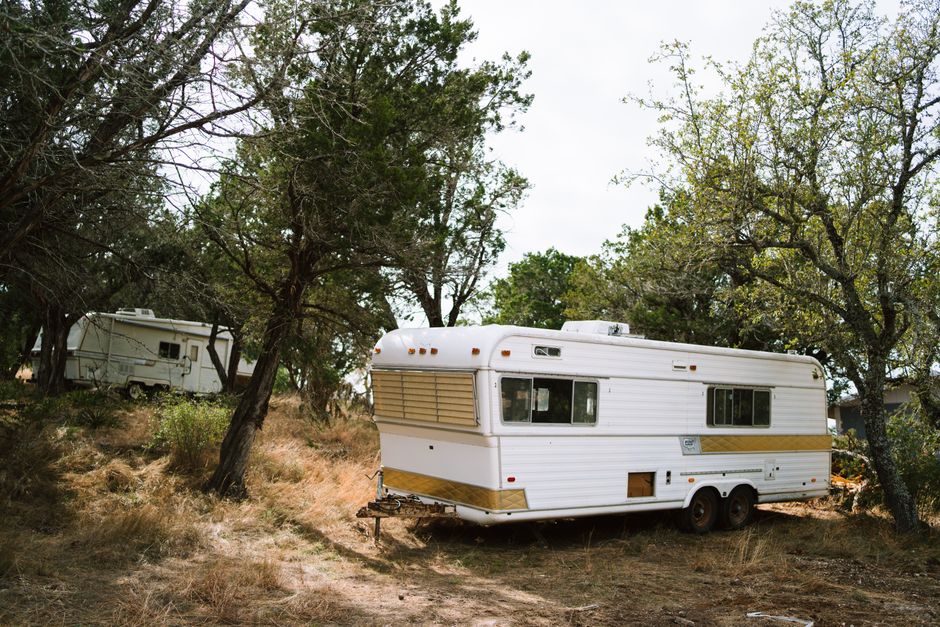
None of these places are trying to be Austin. That’s precisely the appeal. They offer a version of Texas built around rivers, ranch land, and small-town Main Streets rather than tech campuses and toll roads. The tradeoff is real: locals in Marfa and Fredericksburg have both raised concerns about short-term rentals pushing out long-time residents, and wine country traffic on weekends can turn a 20-minute drive into 45.
- Marfa: population under 2,000, roughly 40,000 annual art tourists drawn largely by Prada Marfa and the Chinati Foundation
- Fredericksburg: over 2.6 million annual visitors to Hill Country wine country, anchored by wineries like Becker Vineyards
- Gruene: centered on Gruene Hall, Texas’s oldest continuously operating dance hall, and Guadalupe River tubing
- Wimberley: known for Jacob’s Well and Blue Hole, with a slower pace than its Hill Country neighbors
For travelers, the appeal is obvious: real Texas history, real rivers, real wine, all within a couple hours of each other. For the people who live there, the calculus is getting more complicated every season.
How to actually plan a trip through all four
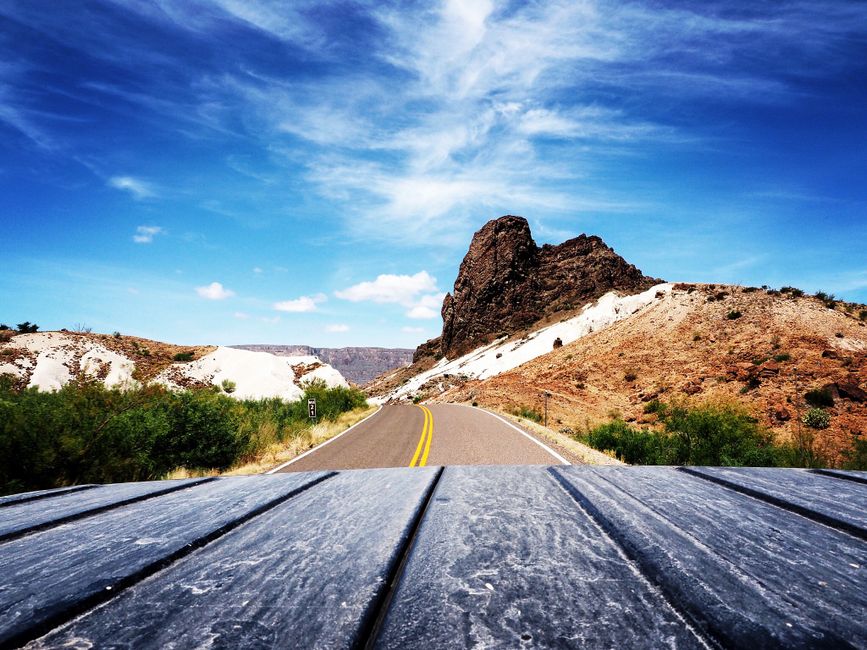
The four towns form a rough loop that works well as a four or five day road trip out of either Austin or San Antonio. Marfa is the outlier geographically, a six-hour drive from Austin out into the Chihuahuan Desert, which makes it better suited to its own dedicated weekend built around Big Bend National Park rather than an add-on to a Hill Country trip. Fredericksburg, Gruene, and Wimberley sit close enough together, all within about 40 minutes of each other, that a single long weekend can realistically cover all three without feeling rushed.
Fall and spring remain the most comfortable seasons to visit, since Hill Country summers regularly push past 100 degrees and make river tubing in Gruene or Wimberley considerably more appealing than a winery patio in Fredericksburg. Wildflower season in March and April, particularly bluebonnets along back roads near Fredericksburg, draws its own dedicated wave of visitors and photographers separate from the wine crowd.
What locals want visitors to understand
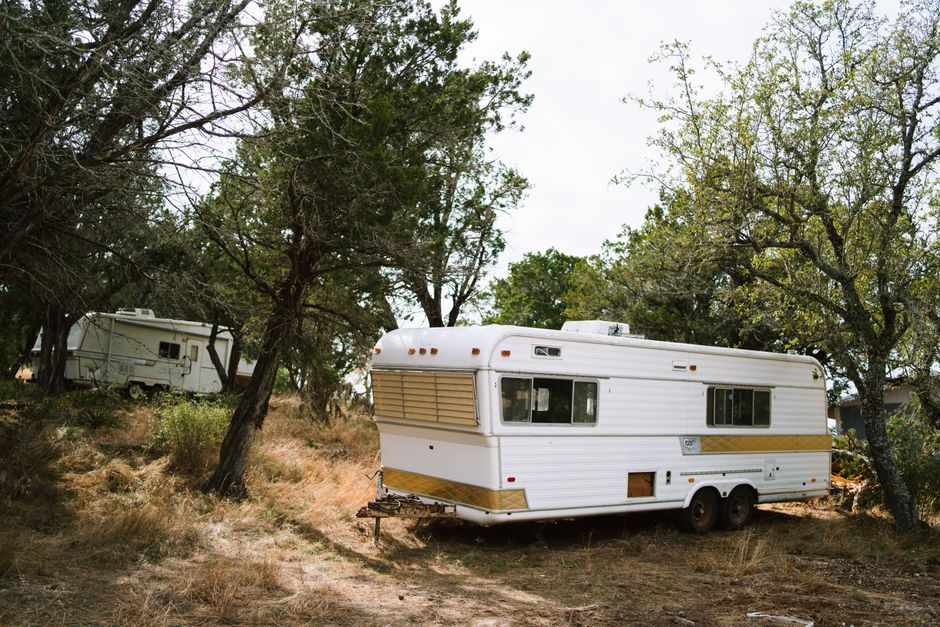
Business owners in Fredericksburg and Marfa have both spoken publicly about wanting sustainable tourism rather than unchecked growth, according to regional coverage of the towns’ development debates. The concern isn’t visitors themselves but the pace: short-term rental conversions in Marfa have measurably reduced the number of homes available to the ranching and service families who kept the town running before it became an art destination. Fredericksburg’s city council has fielded repeated complaints about weekend traffic on Main Street, where a walk that took five minutes a decade ago can now take fifteen during peak wine season weekends.
None of that has slowed demand. If anything, the attention paid to these towns in food and travel media over the past five years has accelerated visitation faster than infrastructure or housing stock can keep pace with, a pattern that’s becoming familiar across small towns nationwide that get discovered by a broader travel audience all at once.
What sets Hill Country apart from other discovered small-town circuits
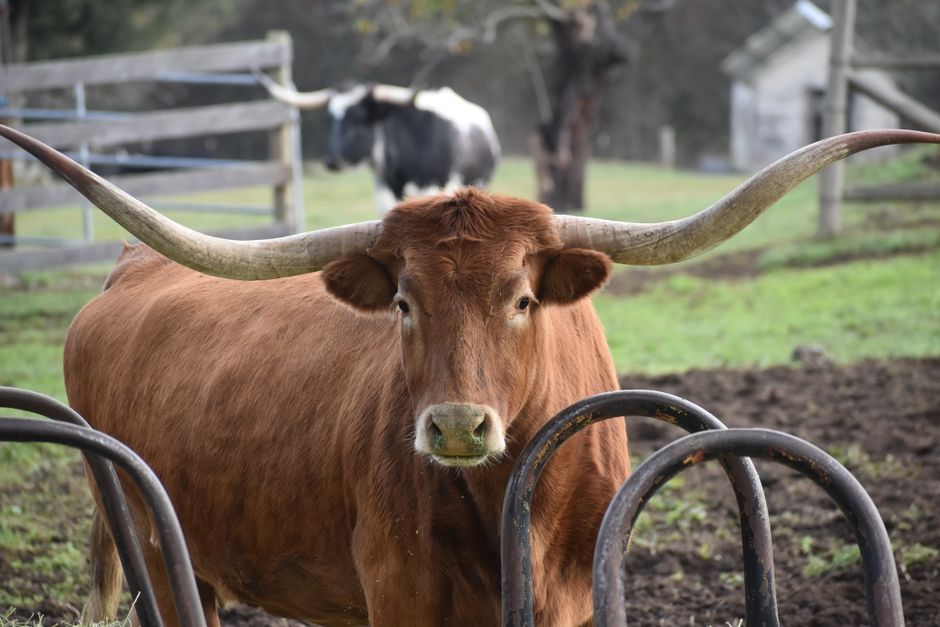
Unlike coastal or mountain discovery stories, the Hill Country boom is happening in towns still surrounded by working cattle ranches and family farms rather than being fully absorbed into a resort economy. That agricultural backbone gives Fredericksburg, Gruene, and Wimberley a texture that’s harder to manufacture elsewhere: the wineries sit alongside peach orchards and hay fields, not in place of them, and many of the tasting rooms are still run by the same families who ranched the land a generation earlier.
That’s part of why the region keeps outperforming expectations in search interest and repeat visitation. Travelers get an experience that reads as genuinely Texan, boots, brisket, and open land, rather than a version of wine country transplanted wholesale from Napa or Sonoma.