What Your Vacation Style Actually Reveals About How Your Brain Works
We may earn money or products from the companies mentioned in this post. This means if you click on the link and purchase the item, I will receive a small commission at no extra cost to you ... you're just helping re-supply our family's travel fund.
Tell someone you’re planning a cruise and watch their face do something involuntary. Tell them you’re backpacking through hostels at 35 and watch a different reaction entirely. Vacation choices carry an enormous amount of unspoken social signaling, and most people pick their destinations based on identity as much as actual interest, whether they realize it or not.
The All-Inclusive Resort Person

Booking an all-inclusive resort signals a very specific set of priorities: you value predictability over discovery, and you see vacation time as recovery time rather than adventure time. This isn’t a knock. People who choose this pattern tend to have demanding, high-decision jobs during the rest of the year and are actively optimizing for a trip with zero decision fatigue. The appeal isn’t the destination, it’s the total absence of logistics.
The Backpacker Who Never Really Stopped

Committing to hostels and budget backpacking well into your thirties or forties signals an identity built around flexibility and self-narrative more than an actual budget constraint, since plenty of people in this category could afford nicer accommodations. The choice is less about money and more about maintaining an identity as someone who prioritizes experience and spontaneity over comfort, and who resists the more scheduled, structured version of adulthood that a resort trip represents.
- All-inclusive resort: prioritizes predictability and zero decision fatigue over spontaneity
- Budget backpacking into adulthood: values flexibility and self-narrative over comfort
- National park road trip: signals a preference for solitude and physical challenge over social scenes
- Cruise vacation: optimizes for seeing multiple places without the logistics of planning each one
- Same cabin every year: prioritizes ritual and nostalgia over novelty
The National Park Road-Tripper

Choosing a national park road trip over a beach vacation or city break tends to signal someone who finds social performance exhausting and genuinely prefers physical challenge and solitude to being seen somewhere impressive. This group is disproportionately likely to under-share their trip on social media in real time, often posting only after returning, because the trip’s value for them was personal rather than social.
The Cruise Person

Cruises get an outsized amount of cultural mockery, but the underlying psychology is straightforward: cruise travelers are optimizing for maximum destination exposure with minimum logistical effort, seeing five countries without booking five separate hotels or figuring out five different transit systems. It’s a highly rational choice for travelers who want breadth over depth, or who are traveling with multi-generational family groups where complex independent logistics for a dozen people simply aren’t realistic.
The Same Cabin, Every Single Year
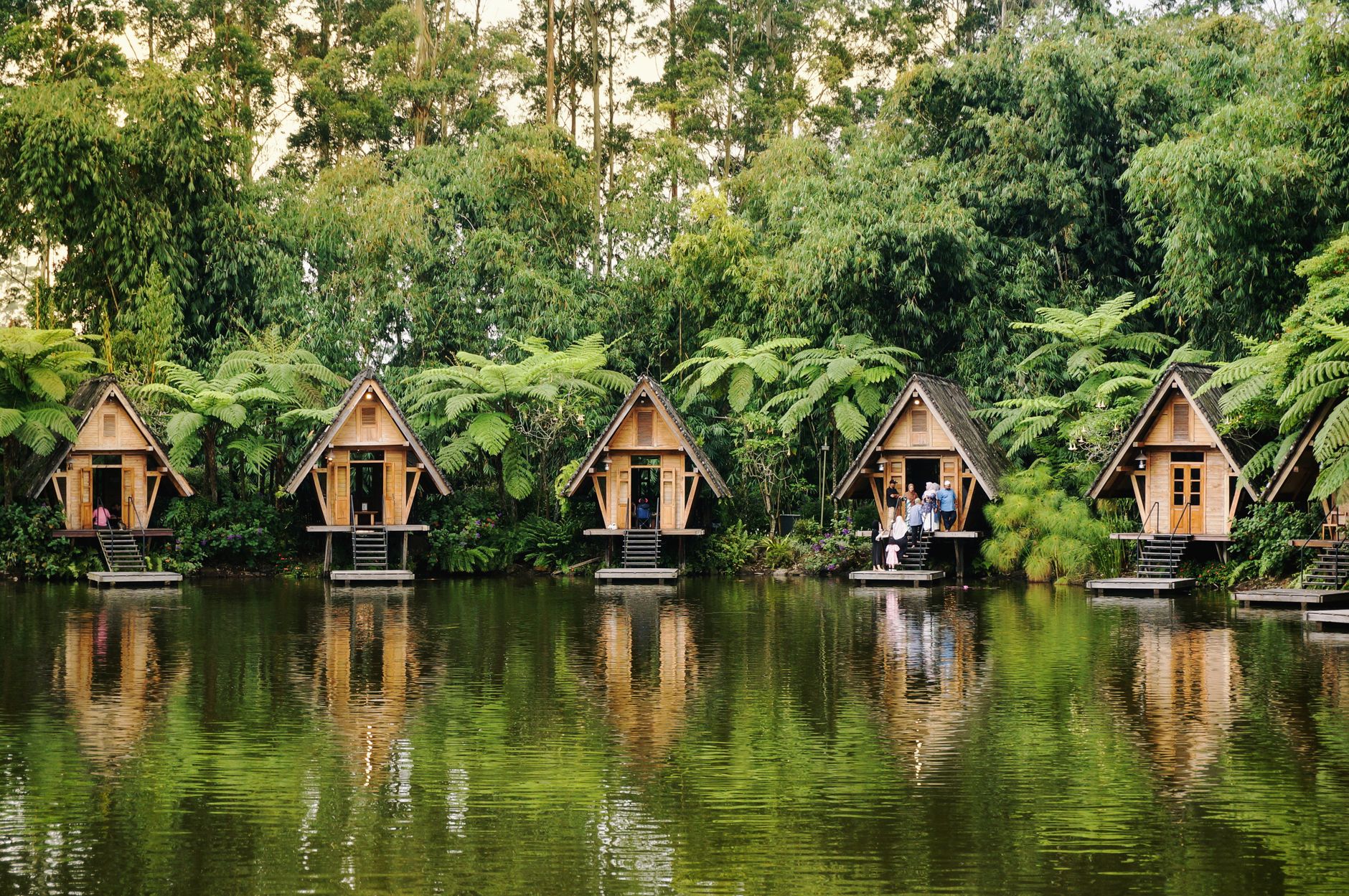
Returning to the same lake cabin, beach house, or family destination year after year, rather than exploring somewhere new, signals a preference for ritual and continuity over novelty. Psychologically, this group tends to derive vacation satisfaction from the deepening of a place over time, knowing the best table at the local restaurant, recognizing the same neighbors, watching their kids’ height marked on the same door frame, rather than from the stimulation of a new location.
The City-Hopper Who Never Sits Still
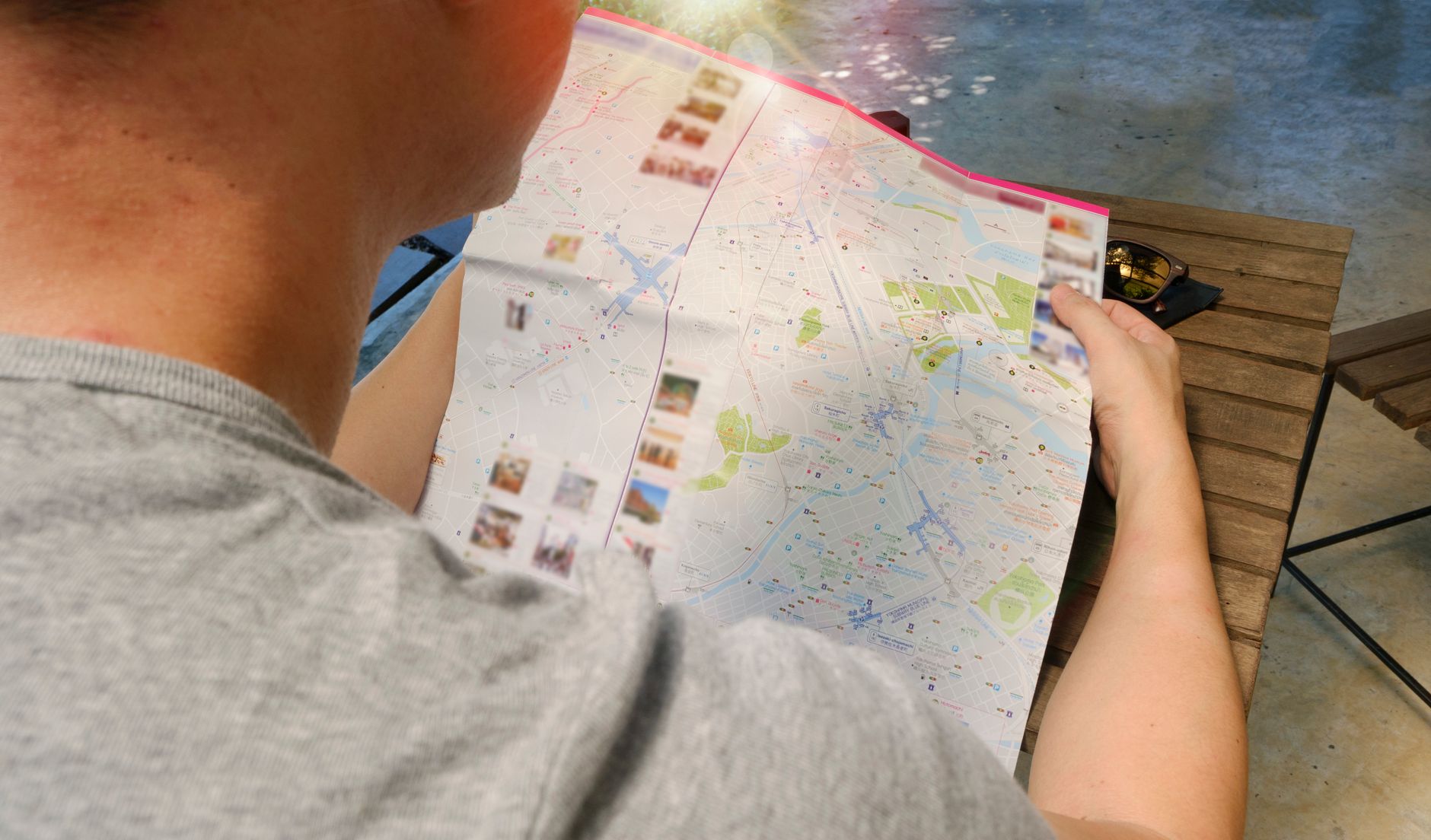
Booking trips that pack four or five cities into ten days, with a full day or less in each stop, tends to correlate with a completionist mindset: this group treats travel like a checklist, motivated by the satisfaction of having technically been somewhere as much as by deep engagement with any single place. It’s not a wrong way to travel, but it’s a genuinely different goal than travelers who book two full weeks in a single city.
None of These Are Actually Wrong

The point of unpacking these patterns isn’t to rank them. It’s that vacation choice is rarely just about the destination itself. It’s a reflection of what a person needs recovery to look like, how they want to be perceived, and what kind of relationship they want with novelty versus ritual. The person judging your cruise vacation is probably making an equally revealing choice with their own backpacking trip, and neither one is the objectively correct way to spend a week off work.
The Adventure Traveler Who Needs a Story

Choosing high-adrenaline adventure trips, skydiving, extreme hiking, remote expedition travel, often signals someone who processes their own life through narrative, and who needs vacation to generate a genuinely compelling story rather than just a pleasant memory. This group tends to talk about trips in terms of what happened rather than how it felt, and they’re disproportionately likely to plan their next trip before finishing processing the current one.
The Wellness Retreat Booker

Booking a dedicated wellness retreat, built around yoga, silence, or structured self-improvement, tends to signal someone in an active period of behavioral change or burnout recovery, using travel not as an escape from routine but as a deliberate reset mechanism. This differs meaningfully from the all-inclusive resort psychology, since the wellness traveler wants structure imposed specifically to force behavior change, rather than structure imposed to remove decisions.
The Theme Park Loyalist

Returning to the same theme park destination year after year, well into adulthood or with a new generation of kids in tow, signals a strong nostalgia orientation and a comfort with curated, controlled environments over open-ended exploration. This group often derives as much satisfaction from the ritual and anticipation of planning the trip as from the destination itself, treating the annual visit as a fixed point of continuity in an otherwise unpredictable year.
What to Do With This Information
None of these patterns are diagnostic in any rigorous sense, but they’re a genuinely useful mirror. The next time you’re deciding between two very different kinds of trips and can’t quite explain your gut preference, it’s worth asking what each option is actually giving you: predictability, story material, ritual, or a reset. The answer usually reveals more about what you need right now than about which destination has better weather.
The Long View

None of these vacation psychology patterns are fixed traits. People move between them across different life stages, chasing structure after a chaotic year, chasing spontaneity after a rigid one. The most useful thing this framework offers isn’t a permanent label, it’s a quick gut check the next time you’re stuck choosing between two very different kinds of trips and can’t explain why one just feels right.