The Hotels Engineered So You Never Want to Leave Your Room, and How They Pull It Off
We may earn money or products from the companies mentioned in this post. This means if you click on the link and purchase the item, I will receive a small commission at no extra cost to you ... you're just helping re-supply our family's travel fund.
Walk into certain resorts and you’ll notice the front desk is nowhere near a window facing the outside world. That’s not an accident. It’s the first move in a design strategy that entire hospitality companies have built their business models around: get you inside the property, and make leaving feel unnecessary.
The All-Inclusive Blueprint
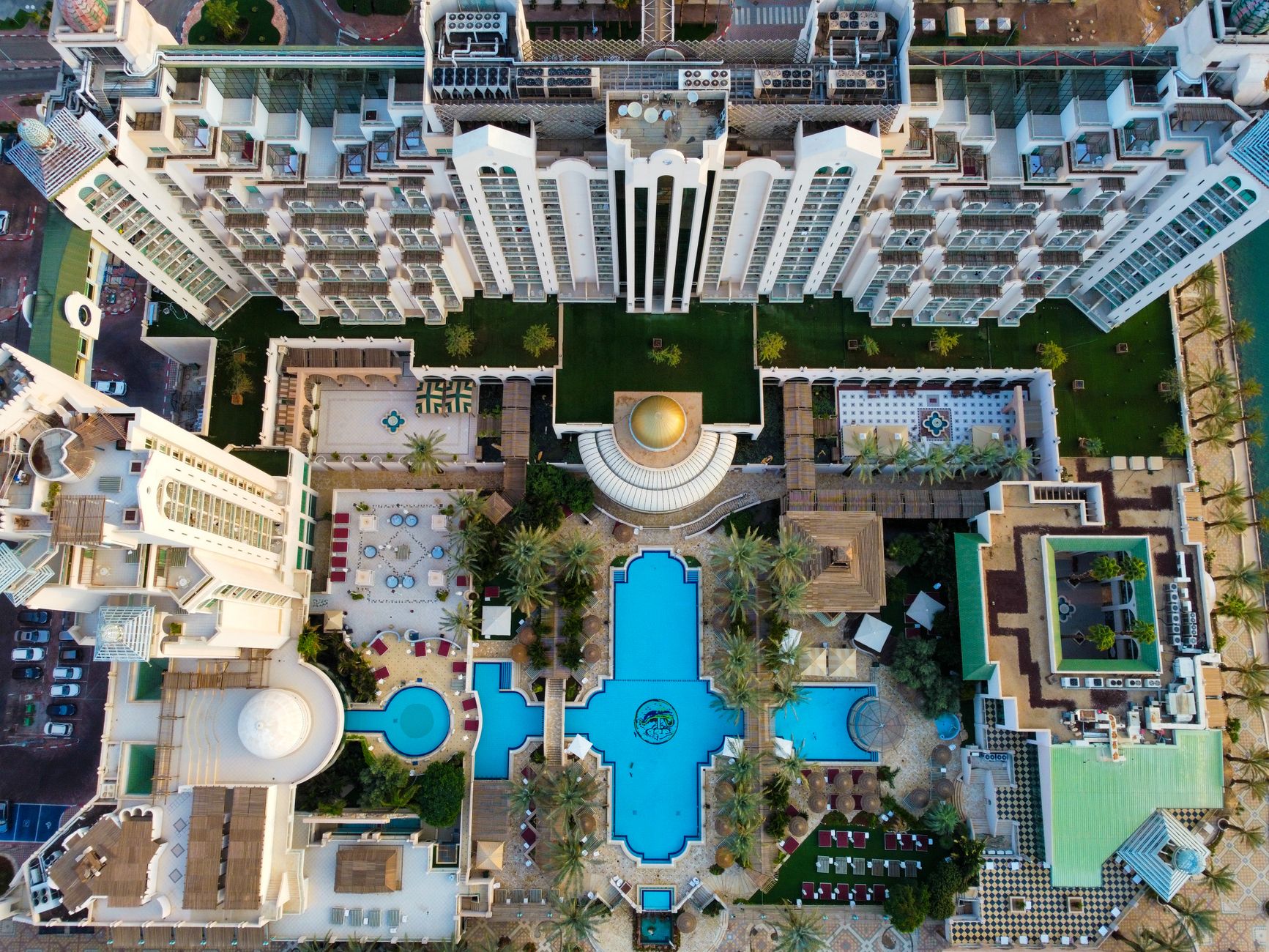
All-inclusive resorts perfected this model decades ago, and the economics explain exactly why. Every dollar a guest spends outside the resort, at a local restaurant, an independent tour operator, a nearby bar, is a dollar the resort doesn’t capture. So resort design became an exercise in eliminating the reasons a guest would ever want to leave: multiple pools instead of one, a dozen restaurant concepts instead of a single dining room, swim-up bars, on-site entertainment schedules, and increasingly, on-site spas, shopping, and even movie theaters.
The geography reinforces it. Many resort properties are deliberately positioned with significant distance or difficult access to the nearest town, sometimes gated behind private roads, which raises the friction of leaving even for guests who might want to explore.
The Design Tricks Inside the Walls
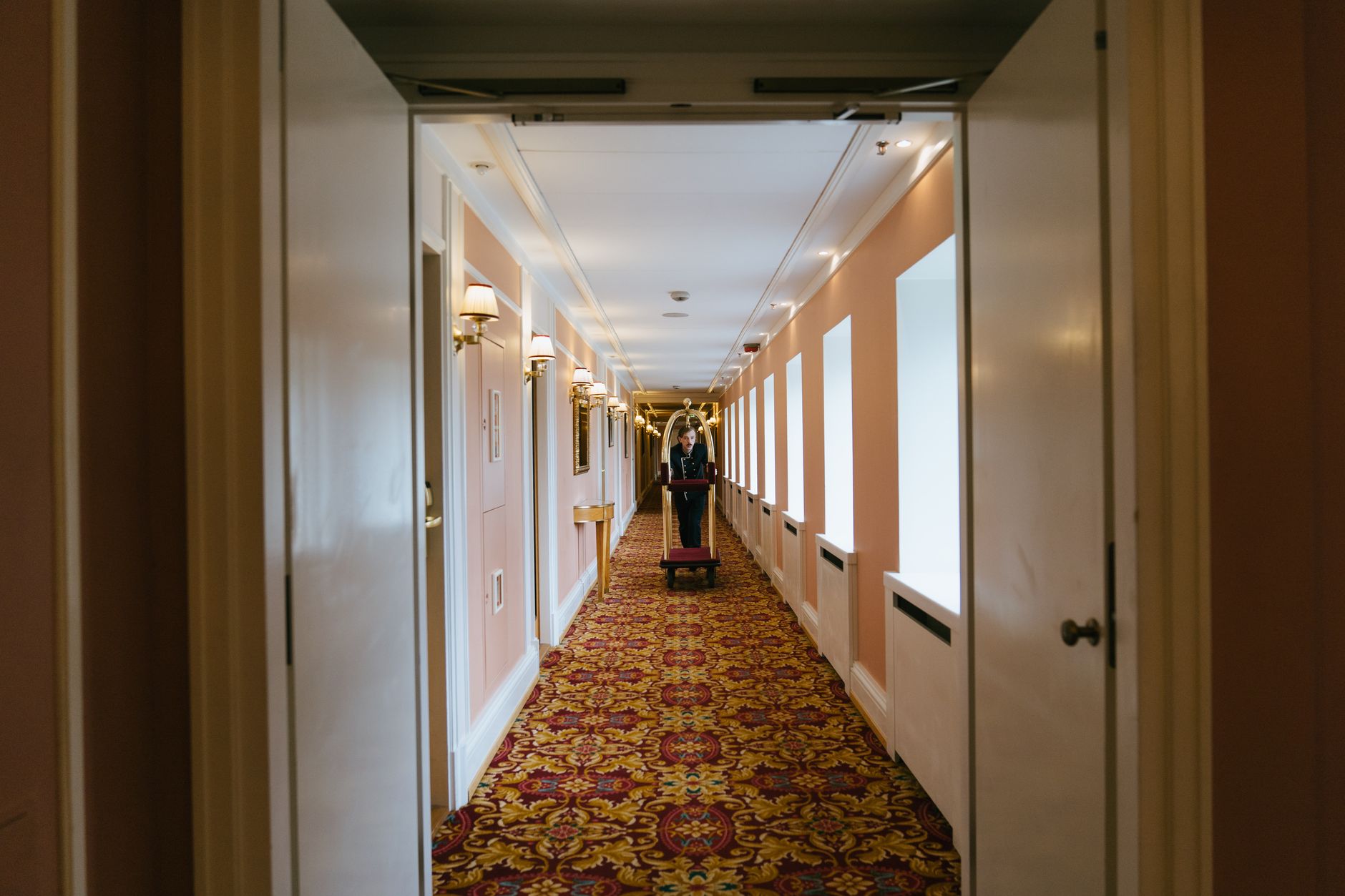
Once you’re inside, subtler architectural choices keep reinforcing the message. Many large resorts and casino-style hotels are famous for interior layouts with minimal clocks and few windows facing outside, making it deliberately hard to track time or realize how long you’ve been inside a single building. Circuitous walking paths through retail and dining areas are common design choices, engineered to maximize the number of tempting storefronts and food options a guest passes on the way to anywhere else.
- Minimal exterior-facing windows and clocks to obscure time passing
- Circuitous interior layouts that route guests past maximum retail and dining exposure
- Multiple on-site dining concepts to eliminate any reason to leave for a meal
- Swim-up bars and pool concierge service that removes the need to walk anywhere at all
- Bundled pricing that makes on-site spending feel already paid for, discouraging outside exploration
The Psychology of ‘Already Paid For’

All-inclusive pricing does something subtle to guest psychology: it reframes every on-site purchase as free, since it was bundled into a single upfront cost, while anything outside the resort feels like new, additional spending. This asymmetry pushes guests to default to on-site options even when a local restaurant fifteen minutes away might genuinely be better and cheaper, because the framing of “already paid for” versus “new expense” overrides that comparison entirely.
Newer Resorts Have Gotten Even More Sophisticated
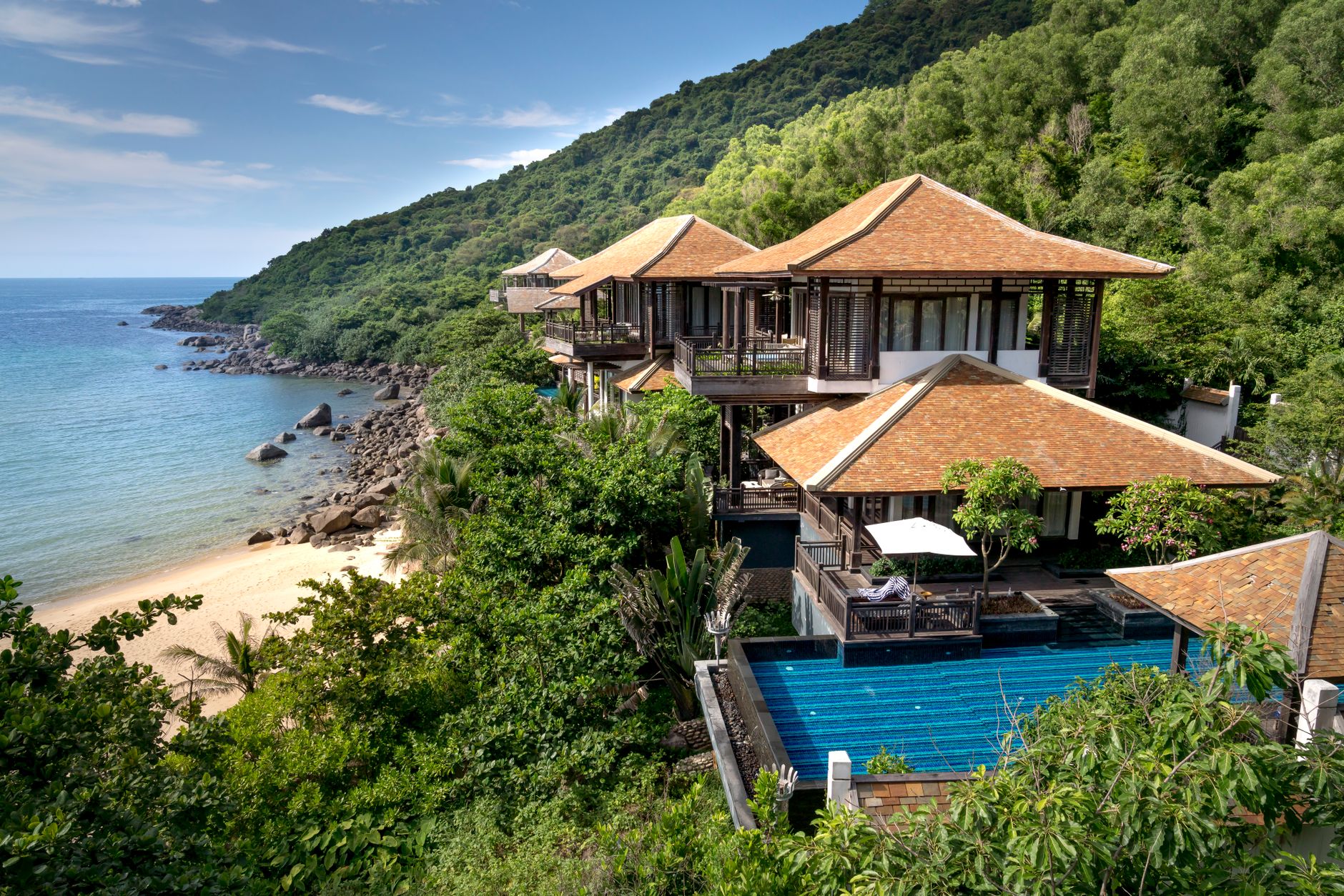
The latest generation of luxury resort design has pushed this further with private villa complexes that include personal pools, in-room dining staff, and dedicated concierges, essentially eliminating any functional need to interact with the broader property at all, let alone leave it. Some ultra-high-end properties now offer private beach coves, exclusive access trails, and dedicated staff assigned per villa, engineering an experience where a guest could theoretically spend an entire week without any meaningful interaction with the destination surrounding the resort.
Is This Actually a Bad Thing
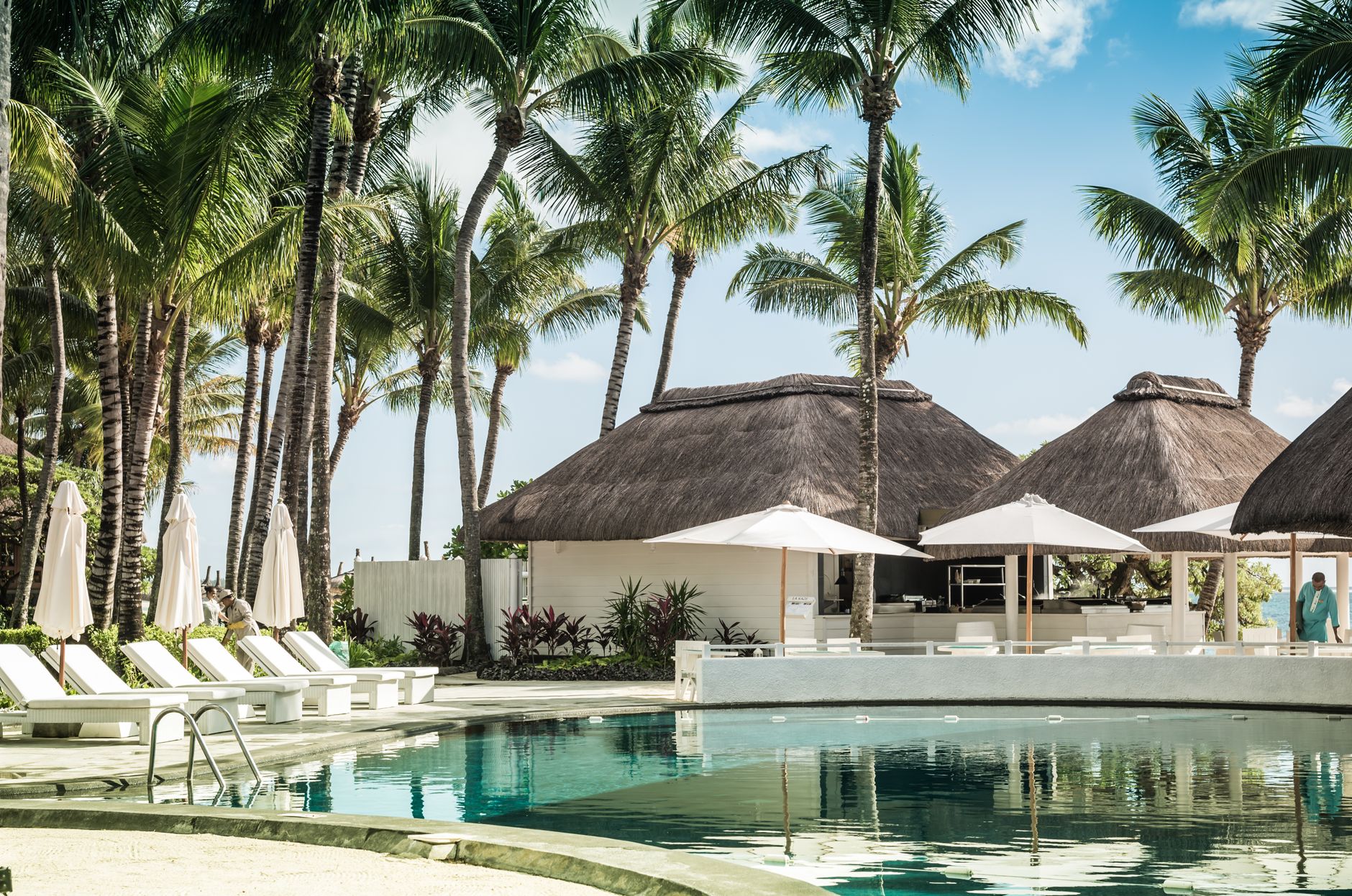
Not necessarily, and that’s worth being honest about. For travelers who specifically want a low-effort, decision-free vacation, this design is a feature, not a manipulation. The concern is really about travelers who think they’re getting an authentic destination experience while actually spending their entire trip inside a building engineered to make sure they never really needed to leave it. Knowing the design intent at least lets you decide, on purpose, whether that trade-off is the vacation you actually wanted.
Casino Resorts Wrote the Original Playbook
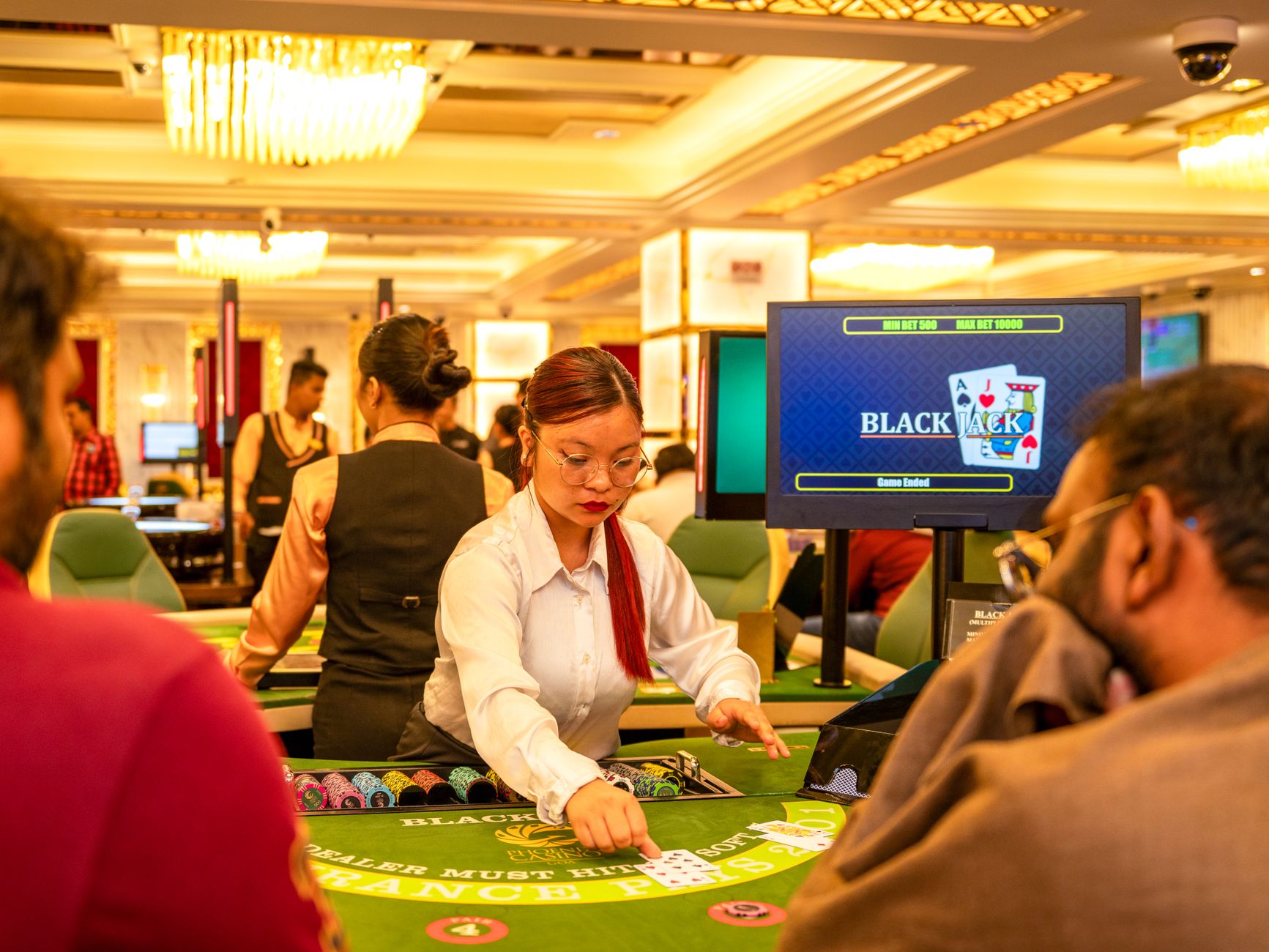
Long before all-inclusive beach resorts perfected guest retention, casino design pioneered many of the same principles decades earlier: no visible clocks, no windows to the outside, deliberately maze-like layouts between entrances and gaming floors, and constant ambient stimulation designed to make hours feel like minutes. Modern resort chains borrowed heavily from this playbook and adapted it for a leisure audience rather than a gambling one, but the underlying psychological mechanics are nearly identical.
How to Spot the Design Before You Book
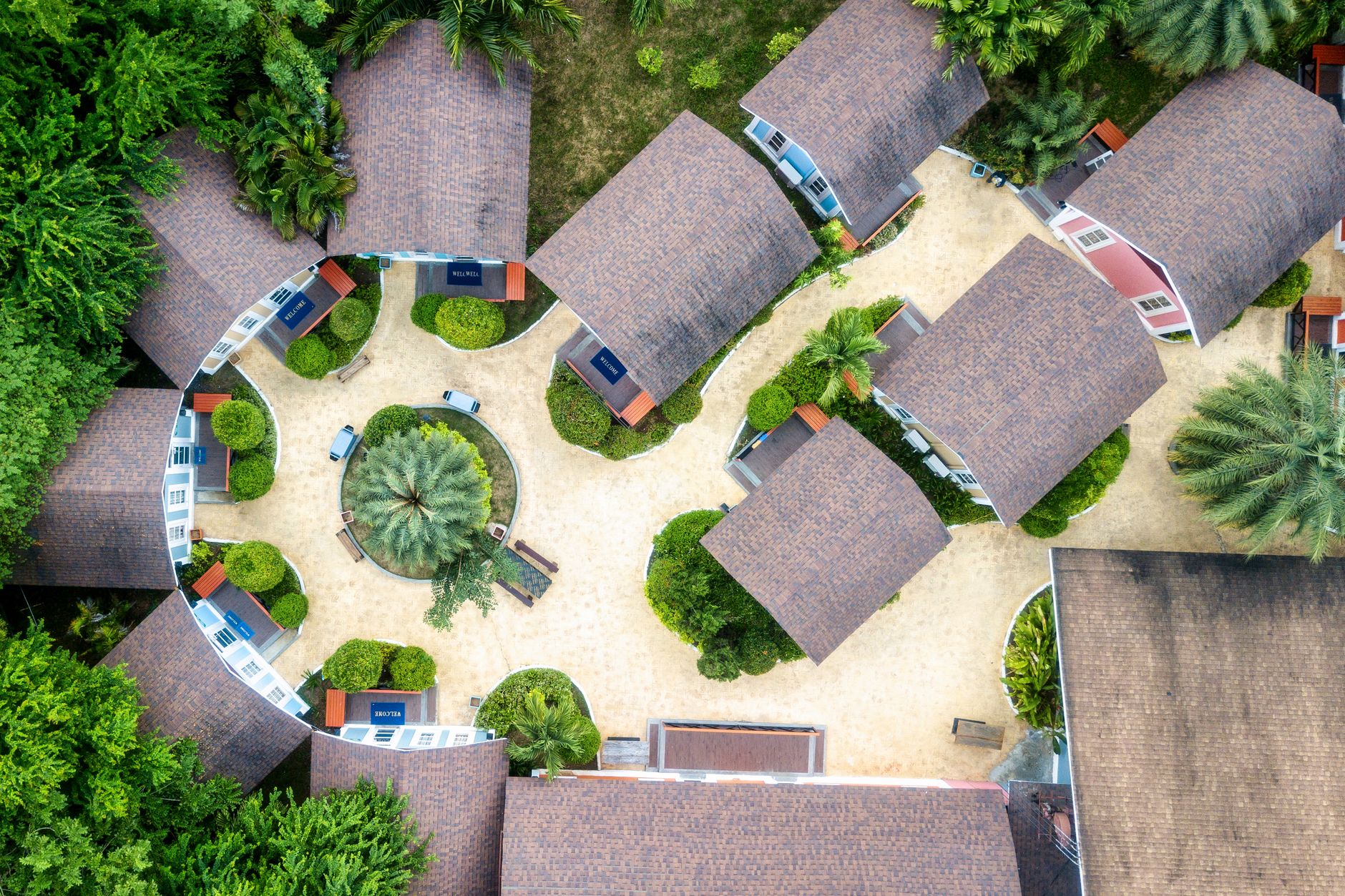
A few practical signals tend to indicate a property engineered around retention rather than exploration: heavy marketing emphasis on the number of on-site restaurants and pools rather than the surrounding destination, guest reviews that barely mention anything outside the property at all, and floor plans that route guests through retail or dining zones to reach basic amenities like the pool or the beach access point.
When This Design Actually Serves the Traveler Well

Families traveling with young children, travelers recovering from burnout who genuinely want zero decisions to make, and groups celebrating events like honeymoons or milestone anniversaries often benefit enormously from this exact design, because the entire point of the trip is convenience and indulgence rather than cultural immersion. The manipulation framing only really applies when travelers believe they’re getting an authentic destination experience while unknowingly staying inside a building engineered to prevent exactly that.
Making an Informed Choice
The healthiest approach is simply matching the resort style to the actual goal of the trip. If the goal is total relaxation with no logistics, a heavily self-contained resort delivers exactly what it promises. If the goal is experiencing a destination, that same resort design will actively work against that goal, regardless of how many glowing reviews mention the pool.
The Long View

As travelers become more aware of how heavily resort environments are engineered, some properties have started marketing the design as a selling point rather than hiding it, openly advertising their self-contained amenities as a reason to book. That shift alone suggests hospitality companies know exactly what they’re doing, and increasingly, so do their guests.
Airlines have adopted similar psychological principles in premium cabin design, creating self-contained environments with entertainment, dining, and comfort features designed to make a long flight feel like a destination in itself rather than a transitional inconvenience, extending the same retention logic from hotels into the travel experience that happens before guests even arrive.
The travel industry as a whole has become increasingly transparent about these design choices in recent years, partly because informed travelers now actively search out or avoid self-contained resort experiences based on what kind of trip they actually want, turning what used to be an invisible design strategy into something closer to an openly marketed feature that guests can choose deliberately rather than discover by accident.