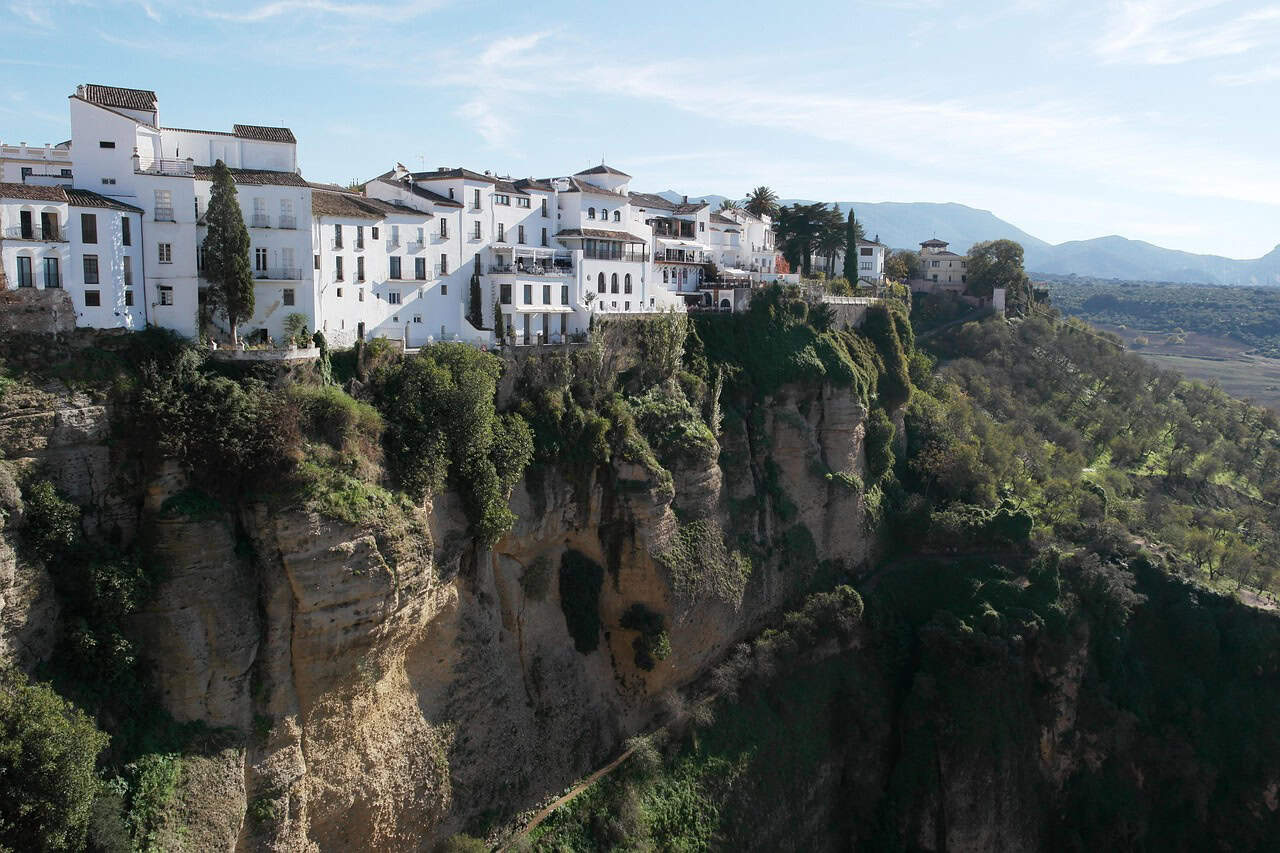
Why American Tourists Take Such Bad Vacation Photos Compared to Everyone Else
We may earn money or products from the companies mentioned in this post. This means if you click on the link and purchase the item, I will receive a small commission at no extra cost to you ... you're just helping re-supply our family's travel fund.
Scroll through a European or Japanese traveler’s vacation photos and you’ll notice something immediately: barely any of them are in the shot. Scroll through the average American’s vacation album and it’s the opposite pattern, dozens of nearly identical photos of one or two people standing in front of a landmark, arm extended, same forced smile, same three-quarter turn. The difference isn’t talent. It’s an entirely different theory of what a vacation photo is even for.
The Landmark-as-Backdrop Problem
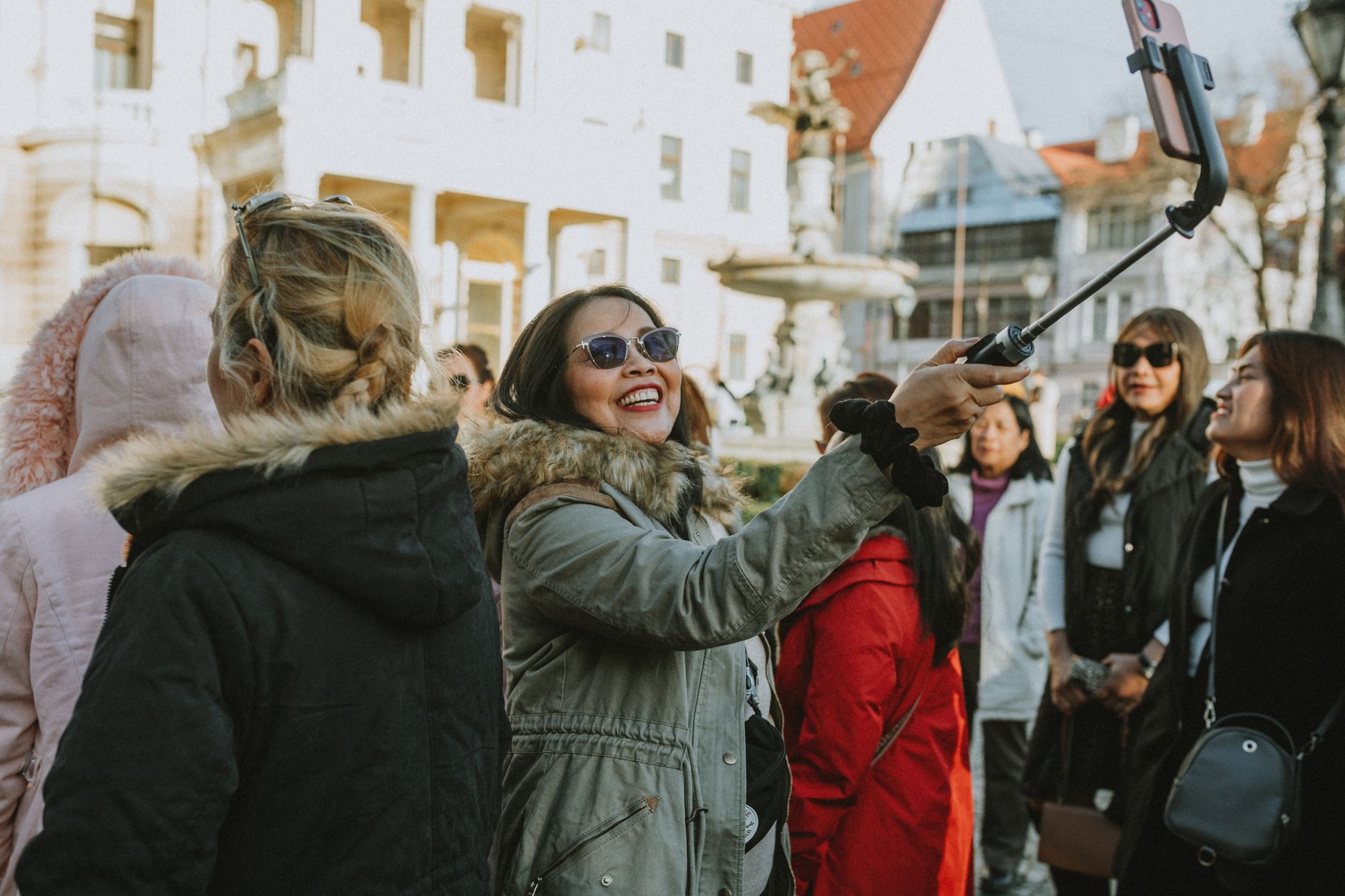
American travel photography, broadly speaking, treats famous locations as backdrops for a portrait rather than subjects worth photographing on their own terms. The result is a photo where the landmark is technically visible but compositionally an afterthought, cropped awkwardly behind a person’s head, lit however the sun happens to be positioned, framed with zero consideration for the architecture or scenery that made the location worth visiting in the first place.
This isn’t really about camera skill. It’s about what the photo is proving. For a lot of American travelers, the implicit goal of a vacation photo is documentation of presence: I was here, here’s my face, here’s the proof. The landmark’s actual visual qualities become secondary to that proof-of-attendance function.
What Other Countries Do Differently
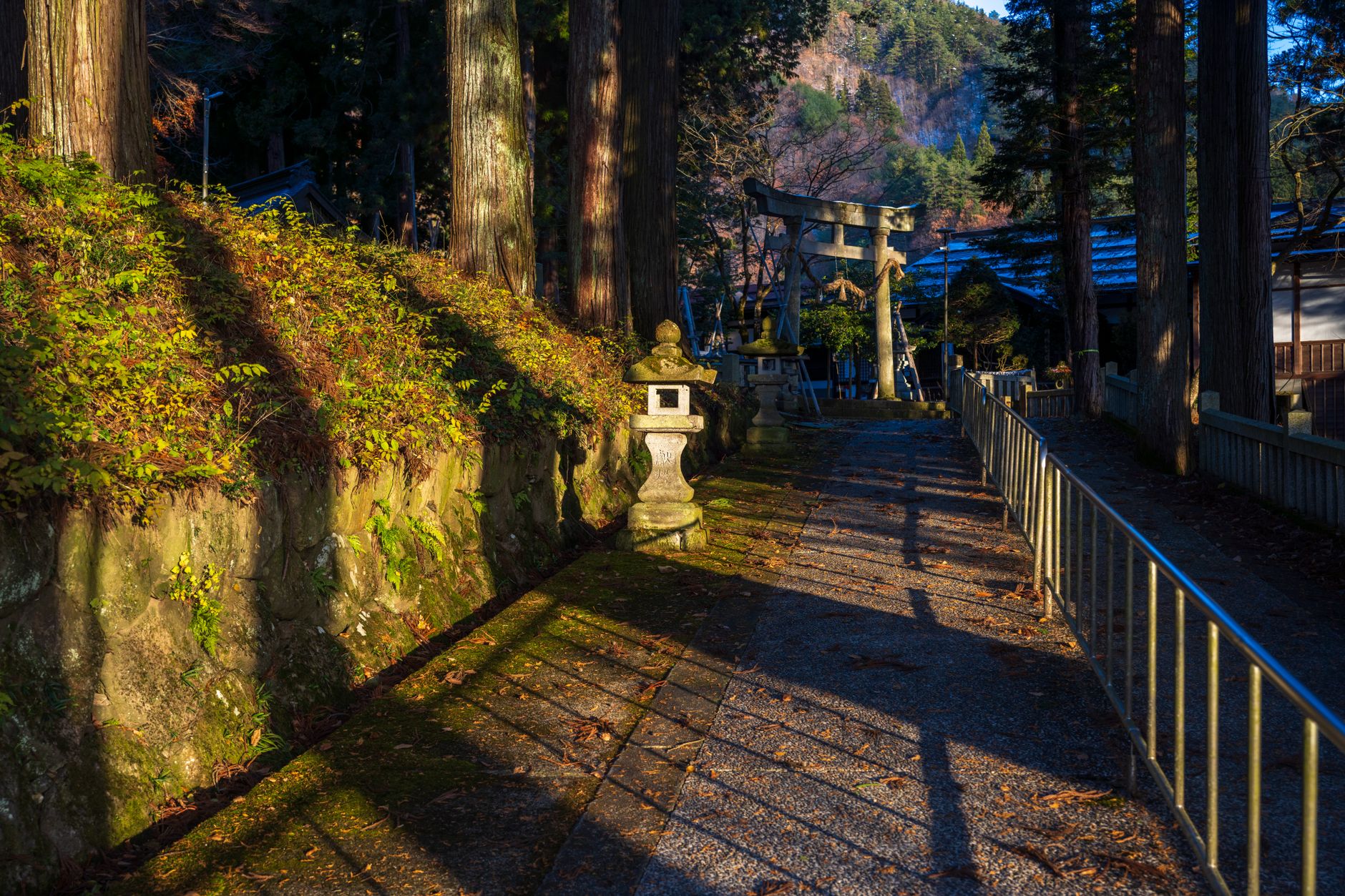
Travelers from countries with strong amateur photography cultures, Japan and Germany both stand out here, tend to treat the location itself as the subject, with people either absent from the frame entirely or deliberately small within it, positioned to show scale rather than to fill the frame with a face. This produces photos that read more like postcards and less like a proof-of-life photo sent to a worried relative.
- Treating the landmark as the subject rather than a backdrop for a portrait
- Shooting at golden hour instead of whatever harsh midday light happens to be available
- Using scale and negative space instead of centering a person in every frame
- Waiting for crowds to clear rather than including forty strangers in the background
- Taking fewer, more deliberate shots instead of dozens of nearly identical variations
The Timing Problem Nobody Thinks About
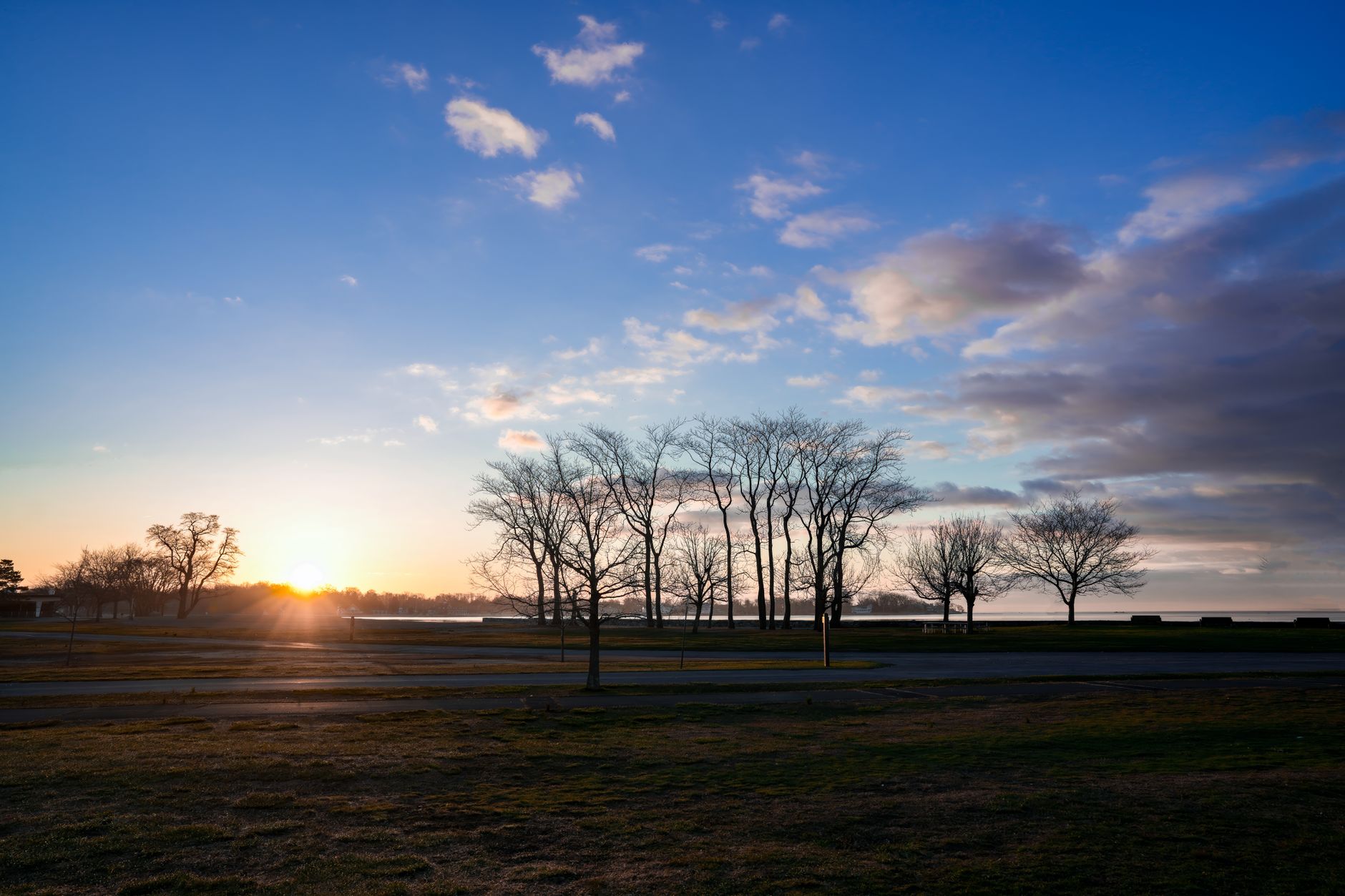
A huge amount of what separates a forgettable vacation photo from a genuinely great one is just timing, and it’s the single most avoidable mistake in American travel photography. Most travelers photograph landmarks whenever they happen to arrive, typically the middle of the day, when the light is flattest and the crowds are thickest. Photographers who consistently produce great travel images are simply willing to show up at 6 a.m. or return at sunset, when the light is doing actual work and the crowds have thinned out.
The Cultural Root of the Difference

Some of this traces back to how differently vacation photography functions across cultures. In a lot of American family culture, vacation photos exist primarily for social sharing and personal memory tied to the people in them, not as standalone artistic documentation of a place. That’s not a wrong way to use a camera, but it does produce a very specific, very recognizable photographic style: heavy on faces, light on composition.
The Fix Doesn’t Require a Better Camera
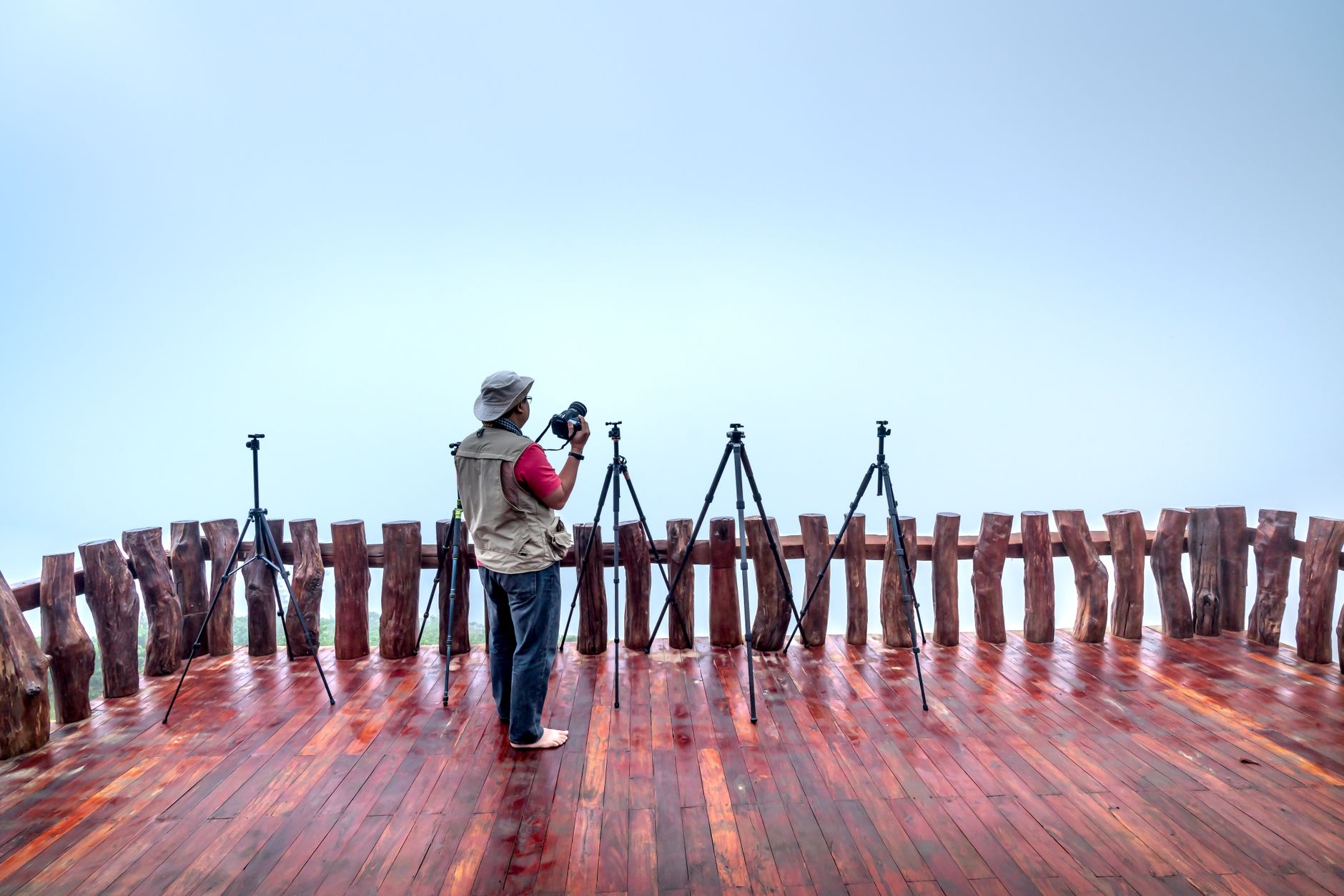
Modern smartphones are capable of excellent travel photography. What’s usually missing isn’t equipment, it’s patience: waiting for better light, moving a few steps to fix a background, taking the person out of the center of the frame once in a while, and asking whether a photo is being taken to prove something or to actually capture something. The best travel photographers, regardless of nationality, tend to ask that second question a lot more often than the first.
The Gear Myth
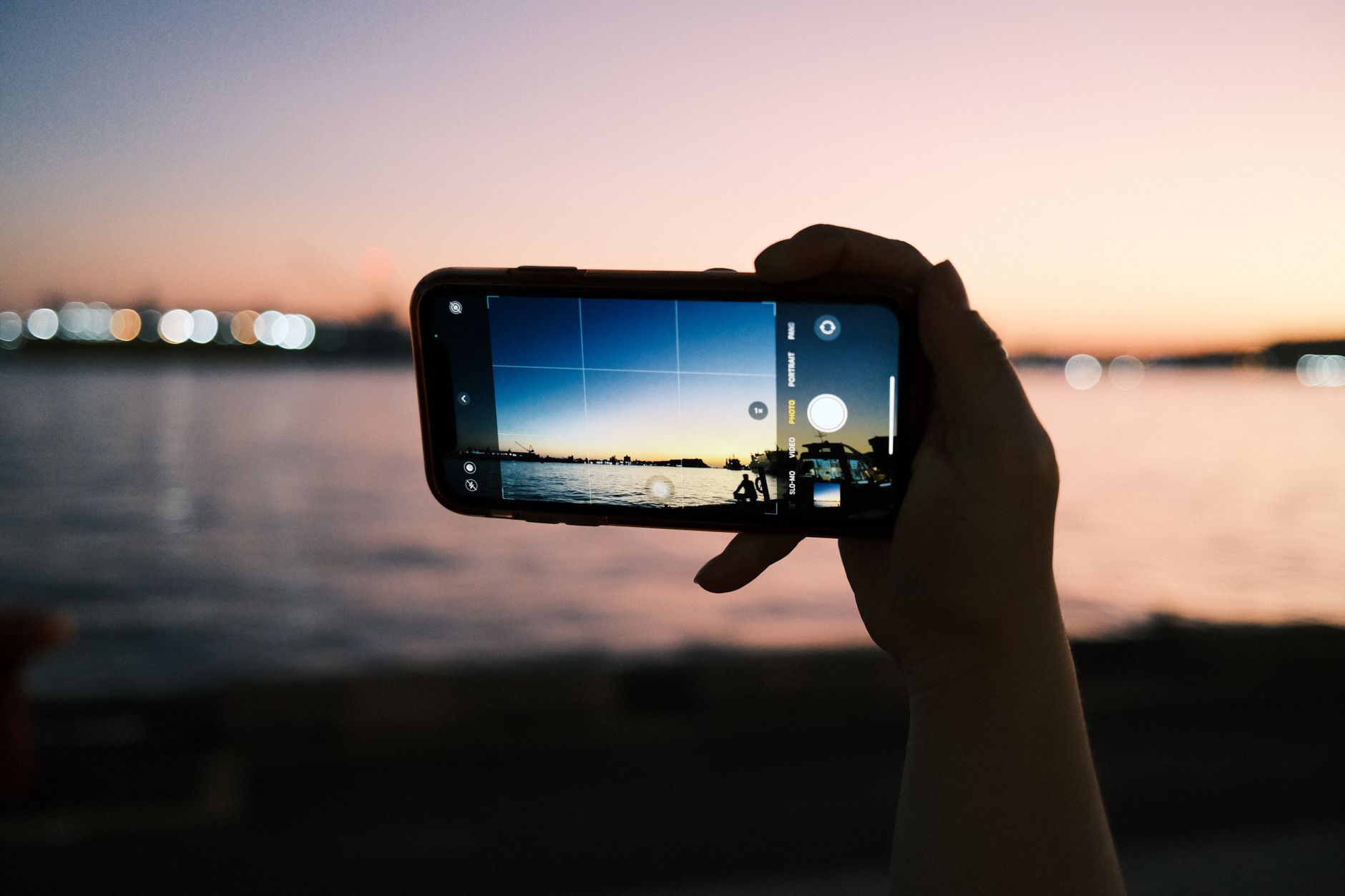
A persistent myth in American travel culture is that better photos require better equipment, when the actual gap is almost entirely about composition habits and timing discipline rather than megapixels or lens quality. Professional travel photographers frequently shoot with the same smartphones available to any tourist; the difference is patience, scouting a location before shooting, and a willingness to return at a better time of day rather than settling for whatever light happens to be available on arrival.
The Crowd Problem and How Other Travelers Solve It
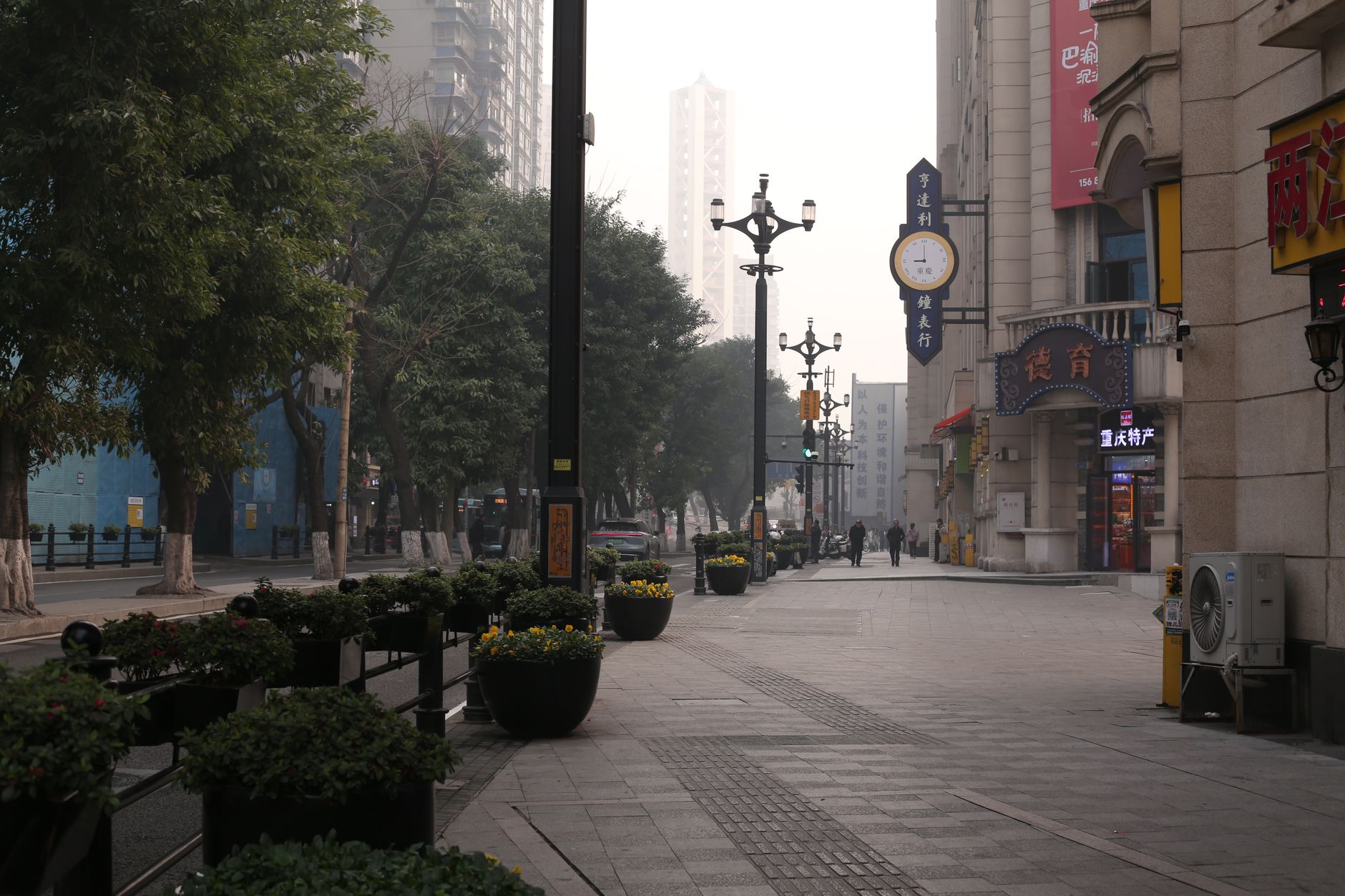
Travelers from photography-focused cultures are often simply more willing to build their schedule around avoiding crowds entirely, visiting major sites at dawn specifically to get an empty frame, then doing more crowded activities during midday hours when photography isn’t the priority. American vacation scheduling tends to move in the opposite direction, treating morning as sleep-in time and hitting major landmarks in the crowded middle of the day when convenience, not light or crowd size, drives the itinerary.
The Social Media Feedback Loop
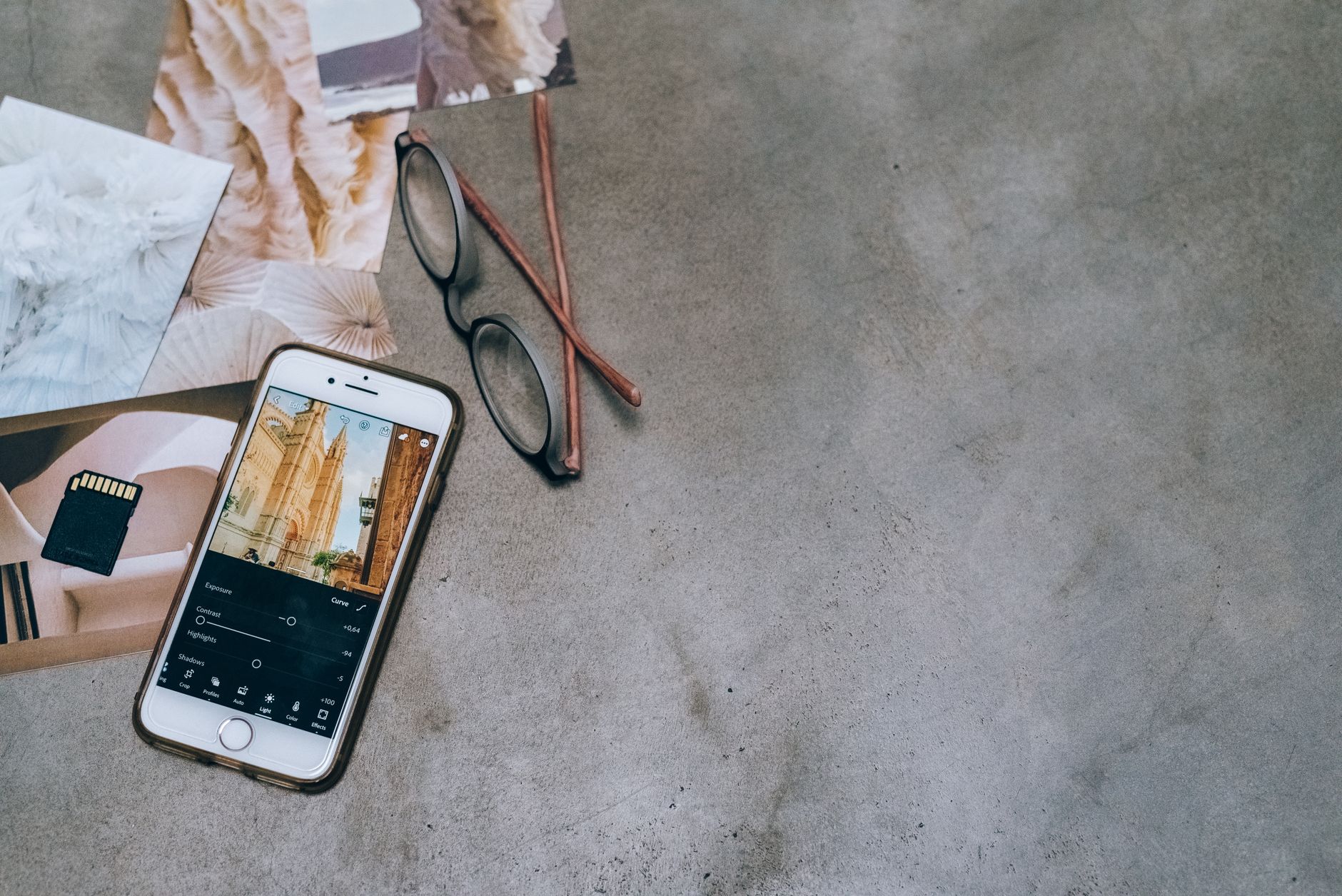
Ironically, the platforms that reward better photography, with algorithms favoring high-quality visual content, are the same platforms where American travel photos tend to underperform internationally, because the underlying content, dozens of similar face-forward landmark shots, simply doesn’t offer the same visual variety that a scenery-first approach produces. Some of the shift happening now among younger American travelers reflects growing awareness of this, with a noticeable uptick in videos and posts specifically coaching better composition habits before a trip.
A Simple Test Before You Travel
Before your next trip, look at photos from your last one and ask how many could have been taken literally anywhere with the same person standing in the same pose. If the answer is most of them, the fix isn’t a new camera. It’s spending thirty extra seconds at each stop actually looking at what makes the location distinct, and composing around that instead of around your own face.
The Long View
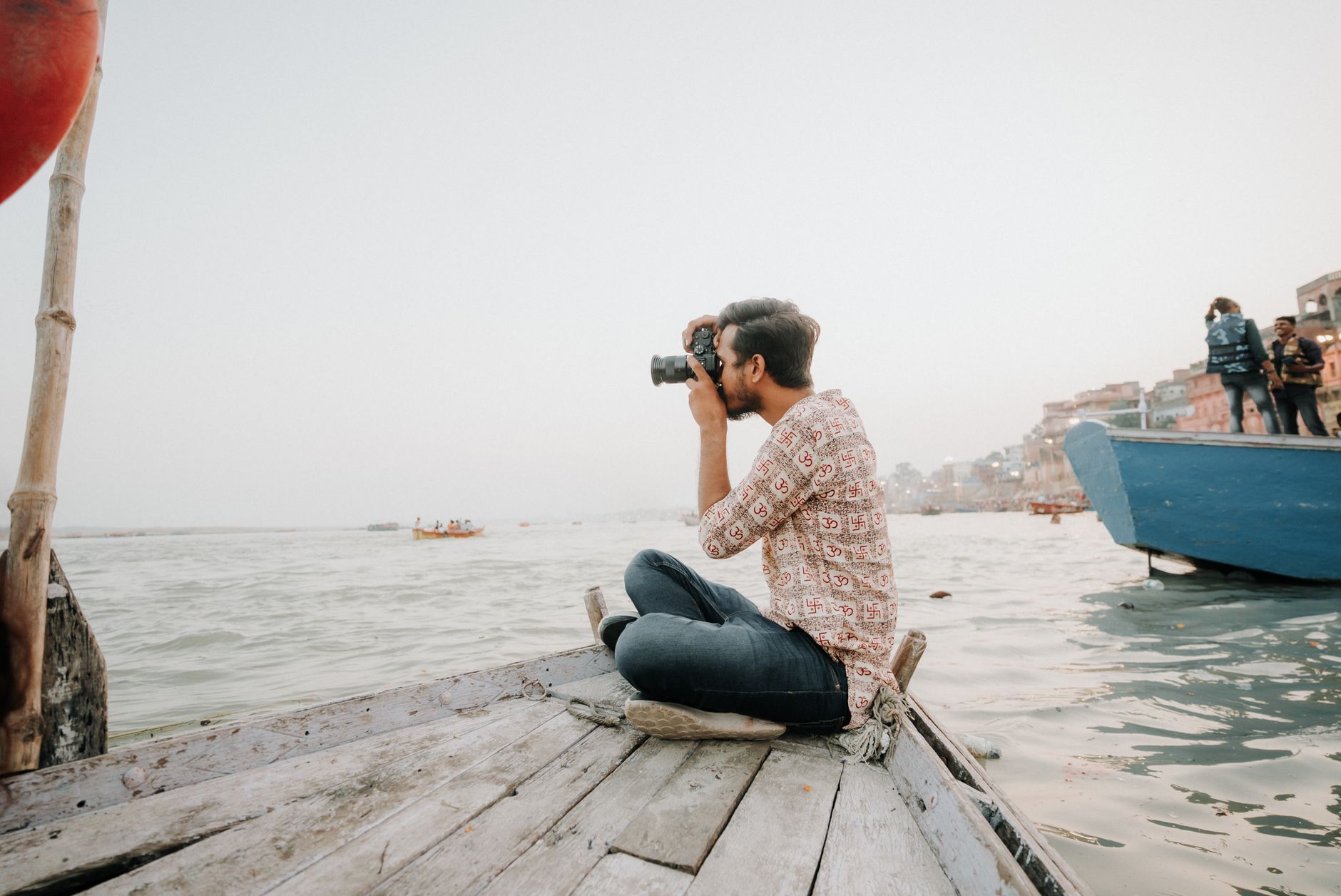
As smartphone cameras keep improving and travel content keeps flooding social feeds, the gap between technically capable equipment and thoughtfully composed photography is likely to keep widening rather than closing. The tools have never been the limiting factor. Patience and intention remain the only real differentiators.
There’s also a growing trend of professional photography workshops built specifically around this gap, offering travelers guided sessions focused entirely on timing, composition, and location scouting rather than camera settings, a tacit acknowledgment from the industry that better gear was never really the bottleneck holding most travelers back.