There’s Always One Person Who Ruins the Group Trip. Here’s the Exact Personality Type It Is
We may earn money or products from the companies mentioned in this post. This means if you click on the link and purchase the item, I will receive a small commission at no extra cost to you ... you're just helping re-supply our family's travel fund.
Every group trip has one. Sometimes it’s obvious from the planning group chat weeks before departure. Sometimes it doesn’t reveal itself until day three, when the vacation stops being about the destination and starts being about managing one person’s needs. Travel psychology has a name for this dynamic, and it shows up with remarkable consistency across completely unrelated friend groups.
It’s Not the Person You’d Expect

The stereotype is that the disruptive traveler is the loud one, the person who overspends or shows up late. In practice, group trip researchers and travel psychologists point to a quieter culprit far more often: the person who refuses to state a preference during planning, agrees to everything in advance, and then expresses dissatisfaction only once decisions are locked in and money has already been spent.
This pattern has a name in conflict psychology: passive resistance. It’s frustrating specifically because it’s invisible until it’s too late to fix. The person never said no to the hiking day. They just complain the entire time they’re doing it, which retroactively poisons the experience for everyone who planned it in good faith.
The Four Group Trip Archetypes That Cause the Most Friction

Anyone who has organized a group trip will recognize these patterns instantly, even if they’ve never seen them labeled before.
- The Passive Agreer: says yes to every plan, then complains once it’s too late to change
- The Budget Ghost: avoids discussing money upfront, then is shocked and resentful at the final cost split
- The Itinerary Maximalist: needs every hour scheduled and treats unstructured time as wasted time
- The Main Character: subtly redirects group decisions toward their own preferences without ever framing it that way
- The Silent Scorekeeper: tracks perceived slights and unequal effort, then unloads all of it at once, usually on the last night
Why These Personalities Cause More Damage on Trips Than at Home
Normal social friction is easy to escape in daily life. You can leave a bad dinner, skip a weekend hangout, or just see less of a difficult friend for a while. Group travel removes every one of those exits. You’re sharing a rental car, a hotel room, or a itinerary with zero ability to create distance, and every minor irritation compounds because there’s no reset button until the trip physically ends.
Decision fatigue makes it worse. Group trips force dozens of small consensus decisions a day, where to eat, what to see, when to leave, and a personality type that resists direct communication turns every single one of those decisions into a small negotiation nobody signed up for.
The Pattern That Actually Predicts Trip Disasters

Travel researchers who study group dynamics consistently find that trips fail not because of external factors like weather or delays, but because of unresolved expectation mismatches that existed before the trip even started and were never actually discussed out loud. The person who wanted a relaxing beach week and the person who wanted an adventure-packed itinerary rarely have that conversation directly. They just book the trip together and let the mismatch surface in real time, usually around day two.
How to Actually Spot the Risk Before You Book

The single best predictor of a smooth group trip isn’t compatible personalities, it’s whether the group had an honest conversation about budget, pace, and priorities before booking anything. Groups that skip this step because it feels awkward are the ones most likely to end up with a passive agreer who melts down on day four, or a budget ghost who refuses to pay their share of a dinner they didn’t want to attend in the first place. The trip doesn’t get ruined by a bad personality. It gets ruined by everyone’s unwillingness to have one uncomfortable conversation two weeks earlier.
The Money Conversation Everyone Avoids

Financial mismatch is probably the single most common trigger for group trip conflict, and it’s almost always avoidable with one uncomfortable conversation that most groups skip entirely. Someone assumes a $200-a-night rental is reasonable; someone else was silently budgeting for $80. Nobody says anything until the booking is already made, and by then, backing out feels more socially costly than just resenting the cost silently for the rest of the trip.
Why Couples Traveling in Groups Add a Layer of Complexity

Group trips involving multiple couples introduce an entirely separate layer of politics, where disagreements can splinter along relationship lines rather than individual preferences, and one partner’s complaint becomes both partners’ grievance by the next morning. Experienced group travelers often specifically recommend building in structured alone time for couples within a larger group trip, precisely to prevent this kind of relationship-level alliance forming against the rest of the group.
How Experienced Group Travelers Prevent the Blow-Up
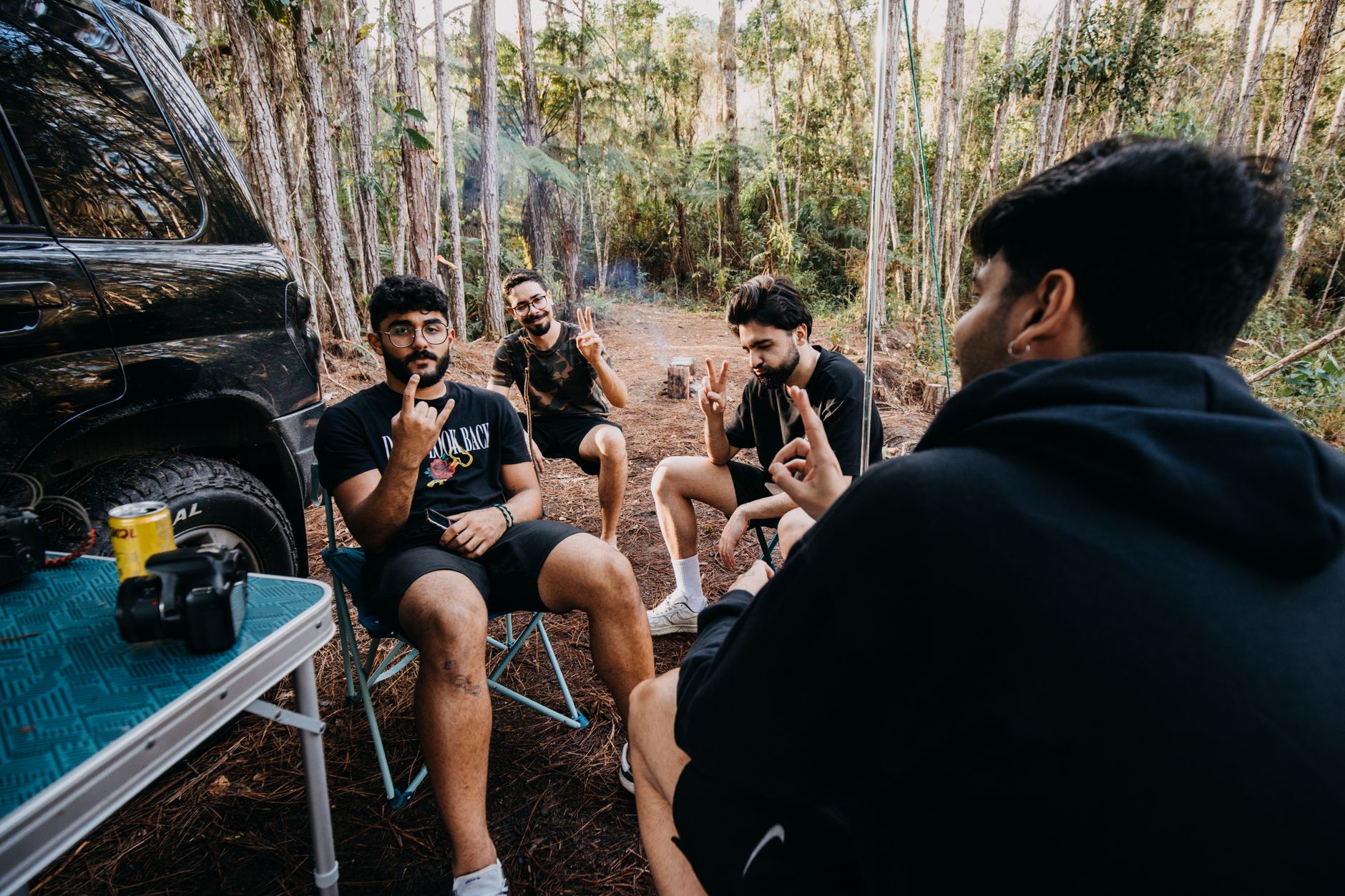
The travelers who consistently report smooth group trips tend to follow a similar pattern: they establish a shared budget range before booking anything, they build unstructured free time into the itinerary so the Itinerary Maximalist and the person who wants to nap can both get what they need, and they designate one person as the primary decision-maker for logistics rather than trying to reach unanimous consent on every restaurant choice, which is a recipe for decision fatigue by day two.
The Real Lesson
Group trip friction isn’t really about difficult personalities in the abstract. It’s about mismatched expectations that never got voiced because voicing them felt awkward in the planning stage. The group that has the slightly uncomfortable budget and pace conversation two weeks before departure almost always has an easier trip than the group that avoided it to keep the planning chat pleasant.
The Long View
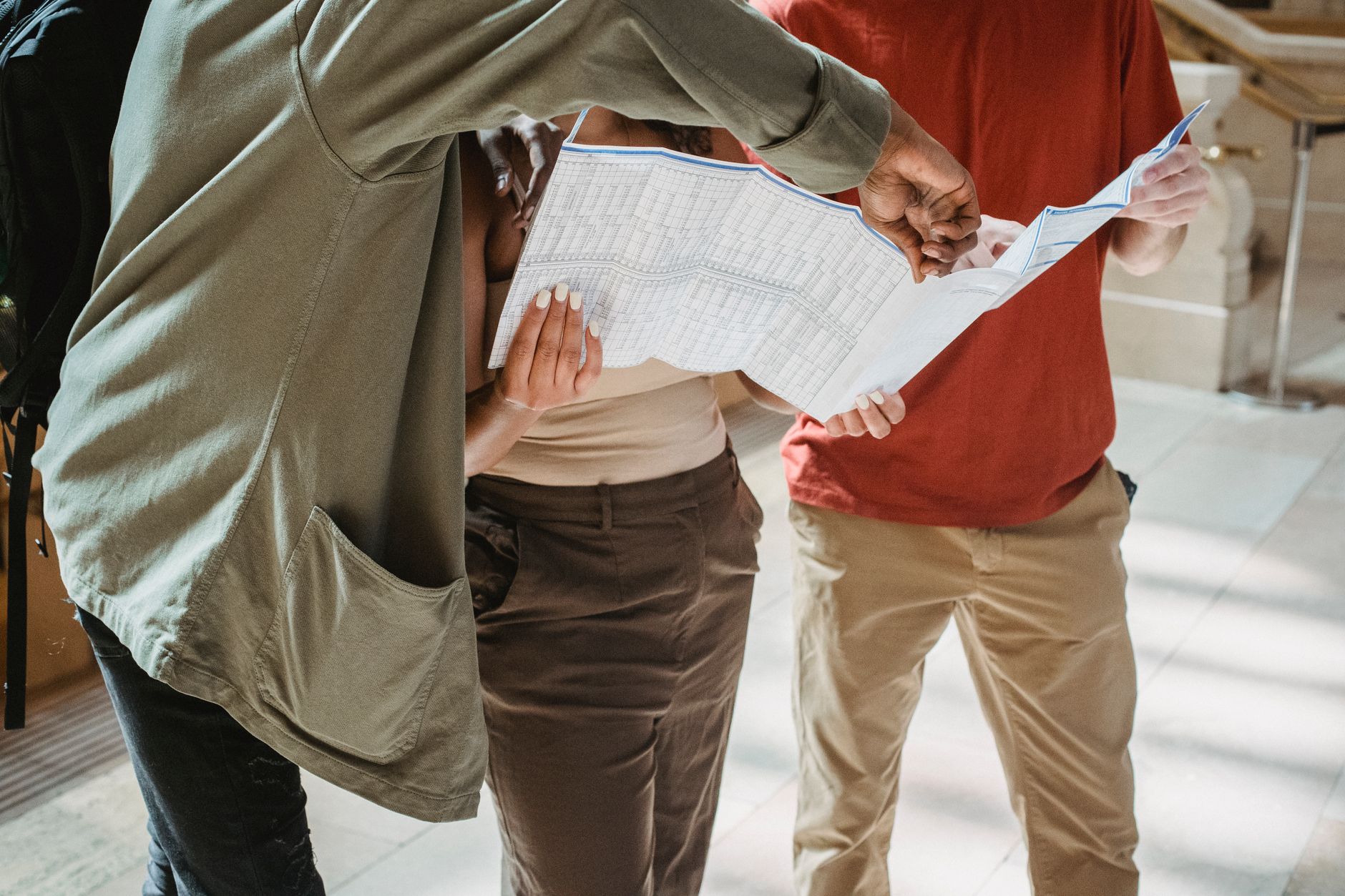
Group travel isn’t likely to get any easier as trip logistics, from splitting costs to coordinating schedules across more demanding careers, continue growing more complicated. If anything, the groups that build in explicit conversations about money and pace early are going to have a growing advantage over those that just hope everyone gets along.
It’s also worth noting how much smartphone-driven trip planning has changed the group dynamic itself. Shared documents and group chats make logistics easier to coordinate on paper, but they’ve also made it easier for one dominant voice to steamroll a decision before quieter members of the group even weigh in, which can recreate the exact same imbalance that in-person planning conversations used to at least partially surface.