The Math Mistake Almost Every American Makes When They Call a Country ‘Cheap’
We may earn money or products from the companies mentioned in this post. This means if you click on the link and purchase the item, I will receive a small commission at no extra cost to you ... you're just helping re-supply our family's travel fund.
An American tourist converts a menu price in Vietnam, sees $3 for a meal that would cost $18 at home, and feels a small thrill of victory. That same tourist then spends $40 on a taxi a local would’ve paid $4 for, because the number still felt small compared to home. This is the entire psychology of “cheap” countries in one transaction, and almost nobody notices they’re doing it.
The Anchor Never Actually Disappears
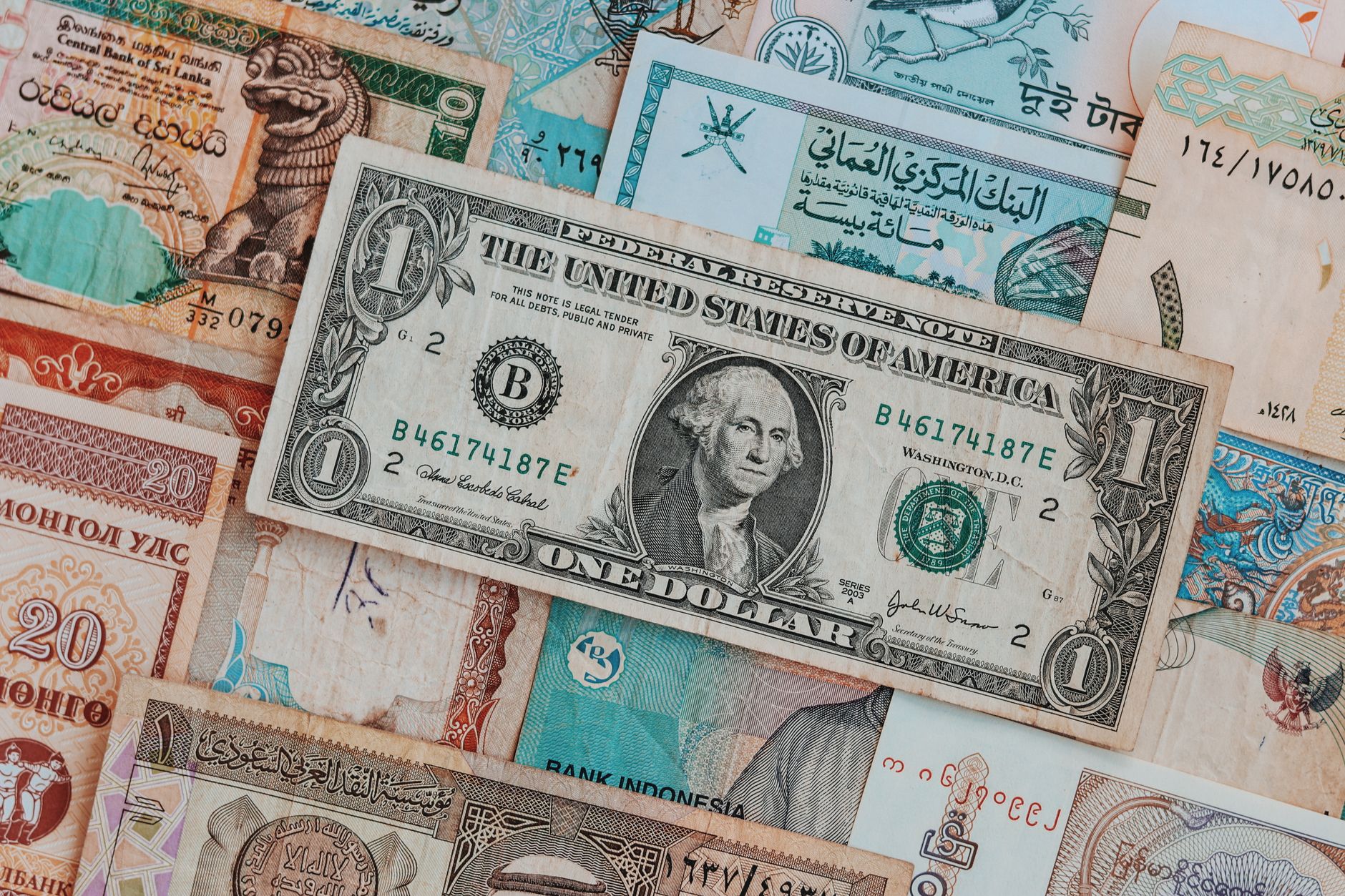
Behavioral economists call this anchoring: once your brain calibrates value against your home currency, it never fully resets, even after weeks abroad. Americans traveling in countries with favorable exchange rates don’t actually stop thinking in dollars, they just apply a permanent discount filter to every price they see, and that filter makes almost everything feel like a bargain even when, by local standards, they’re being significantly overcharged.
This is exactly how tourist-targeted pricing works so effectively in popular budget destinations. A price that’s double the local rate can still register as “cheap” to a visitor doing dollar math in their head, which means there’s very little natural pressure pushing prices back down, because the people paying them genuinely don’t feel cheated.
Cheap for Whom, Exactly

The label “cheap country” is almost always a statement about currency exchange rates, not about actual cost of living relative to local wages. A destination can be extremely affordable for a visiting American while being genuinely expensive for the people who live and earn wages there. This mismatch is why locals in popular budget travel destinations often can’t afford to eat at the restaurants filled with tourists in their own neighborhoods.
- Anchoring bias means travelers never fully stop pricing things in their home currency
- Tourist-facing prices are frequently double or triple local rates, and still register as cheap
- A country’s affordability for visitors says nothing about affordability for actual residents
- Bargaining norms vary wildly, and Americans often either overpay out of guilt or underpay out of ignorance
- The cheapest-feeling purchases are usually the ones with the least price transparency, like taxis and souvenirs
The Guilt Tax
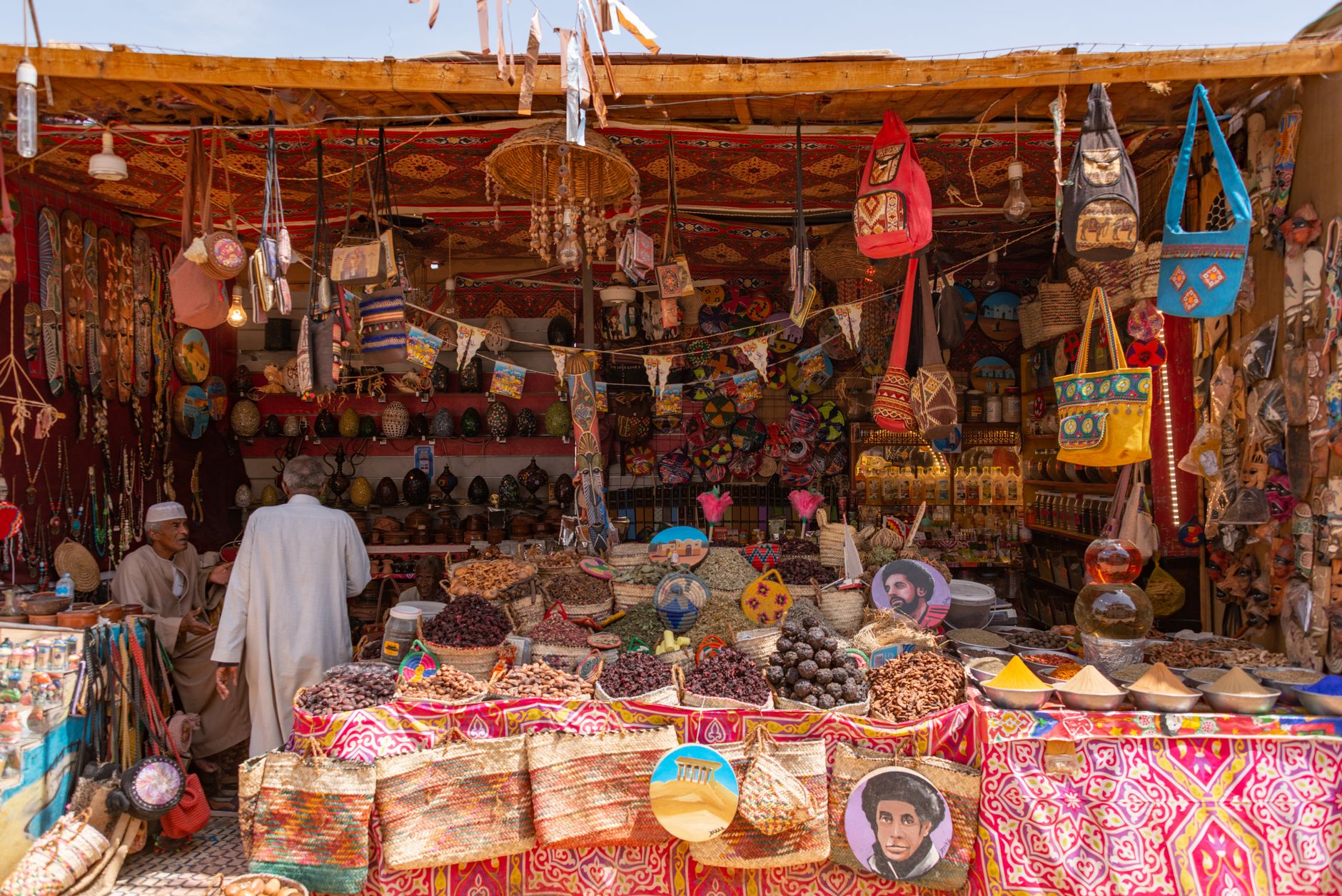
A strange, specific guilt shows up in a lot of American travelers in lower-cost destinations: the sense that haggling over what amounts to fifty cents is somehow unethical, even when that fifty-cent difference represents the local, fair price and the traveler is being quoted a deliberate markup. This guilt often causes travelers to overpay by significant multiples, not because they can’t do the math, but because the absolute dollar amount feels too small to argue about.
The flip side shows up too: travelers who become obsessive about squeezing out every last cent of a negotiation in places where the amount in question is genuinely trivial to their own budget, treating a fifty-cent haggle with the same intensity they’d bring to negotiating a car purchase back home.
Why the Framing Backfires

Marketing certain destinations purely as “cheap” tends to attract a specific kind of visitor behavior: treating the entire country like a discount outlet rather than a place with its own economy, norms, and cost structure. This mindset is part of why budget-destination tourism sometimes produces friction with local communities, because visitors calibrated entirely around “how little can I spend” rarely account for the actual value being provided or the wage gap on the other side of the transaction.
A Better Way to Think About It

The destinations that actually deliver the best value for American travelers aren’t necessarily the ones with the most favorable exchange rate, they’re the ones where a fair local price and a tourist’s comfortable budget happen to overlap well. That’s a completely different calculation than just looking at how many local currency units a dollar buys, and it’s the one most travelers never actually run before booking a flight based on how “cheap” a destination sounds.
The Destinations Where This Plays Out Most Dramatically
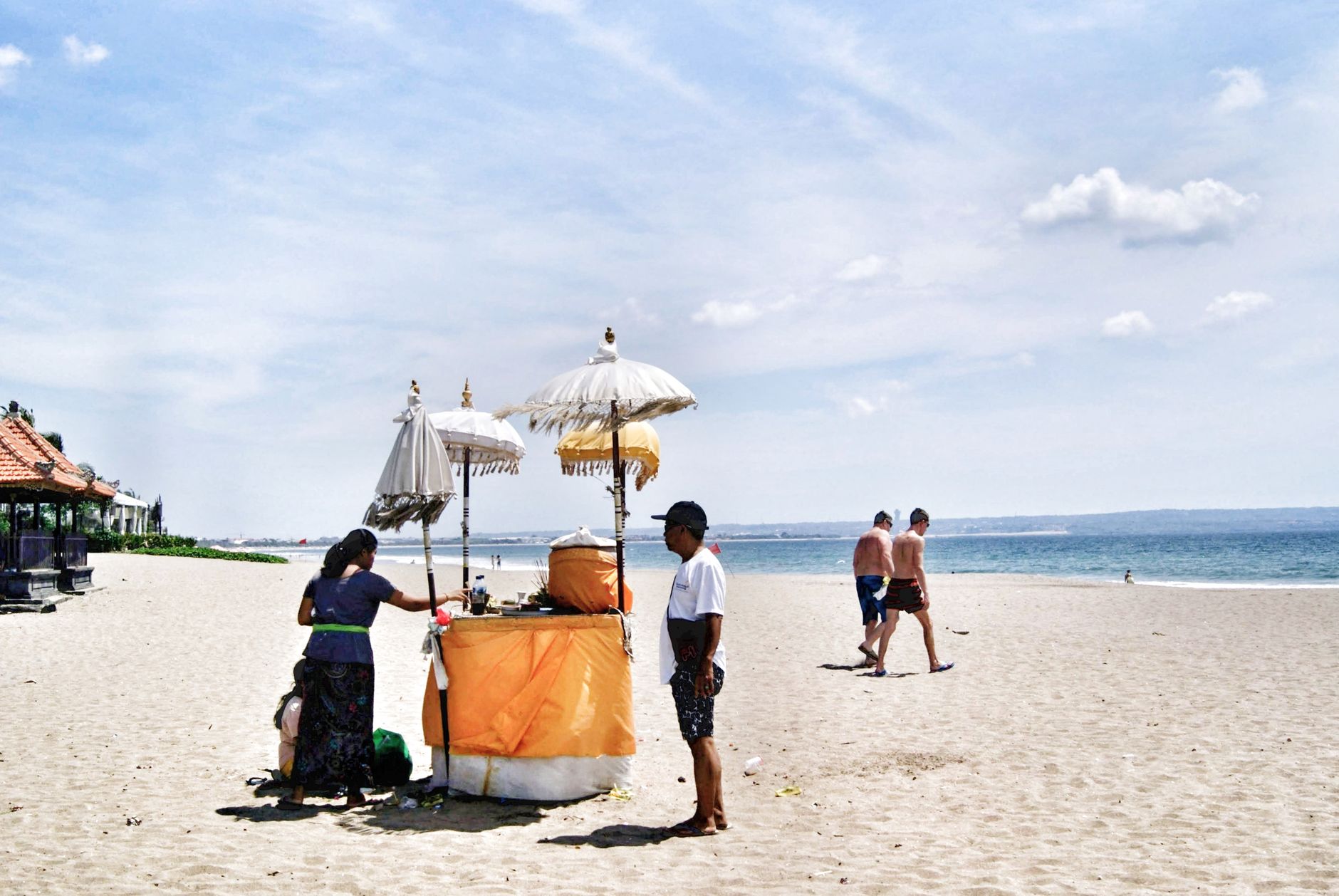
Countries like Vietnam, Indonesia, and parts of Central America have developed increasingly visible dual-pricing structures, informal in most cases, where tourist-frequented businesses charge substantially more than the same product or service would cost a local resident just a few blocks away. This isn’t necessarily dishonest, it’s simply businesses responding rationally to a customer base that has demonstrated, transaction after transaction, that they’ll pay it without complaint.
Why Travel Influencers Make This Worse

Social media travel content has a strong incentive to describe destinations in maximally dramatic terms, and “$5 a day” framing generates far more engagement than a nuanced discussion of local wage gaps and tourist markup structures. This creates a feedback loop where destinations get marketed increasingly aggressively as “cheap,” attracting visitors calibrated entirely around that framing, which further entrenches the dual-pricing dynamics that made the original claim only partially true in the first place.
A Framework for Smarter Budget Travel

Travelers who want a genuinely fair and sustainable relationship with a budget destination tend to do a few things differently: they research actual local wages before assuming a price is a bargain, they seek out businesses that serve locals as their primary customer base rather than tourist-only establishments, and they think about total value delivered rather than just the dollar figure converted from a foreign currency. This approach tends to produce both a more authentic travel experience and a more equitable one for the communities being visited.
The Uncomfortable Bottom Line
Calling a country “cheap” is almost always more about the visitor’s currency privilege than about the destination itself. Reframing the conversation around fair value, for both the traveler and the local economy, produces better trips and considerably less of the guilt, confusion, and occasional resentment that follows travelers who never examined the math behind their own bargain-hunting instincts.
The Long View

As more travelers become aware of dual pricing and wage-gap dynamics, some of the most popular budget destinations may see a gradual shift toward more transparent, fixed pricing structures, driven less by regulation than by a growing traveler expectation of fairness. Until then, the burden of doing the math correctly remains on the individual traveler.