The Tiny Midwest Towns Where the Food Is Better Than It Has Any Right to Be
We may earn money or products from the companies mentioned in this post. This means if you click on the link and purchase the item, I will receive a small commission at no extra cost to you ... you're just helping re-supply our family's travel fund.
The best restaurant in a 50-mile radius is sometimes sitting in a town with a population smaller than a big-city apartment building. Across Iowa, Minnesota, and Wisconsin, a handful of small towns have built food reputations that pull people well outside their own zip codes, and most of the country has no idea they exist.
Balltown, Iowa: Population 77, a Restaurant Since 1852
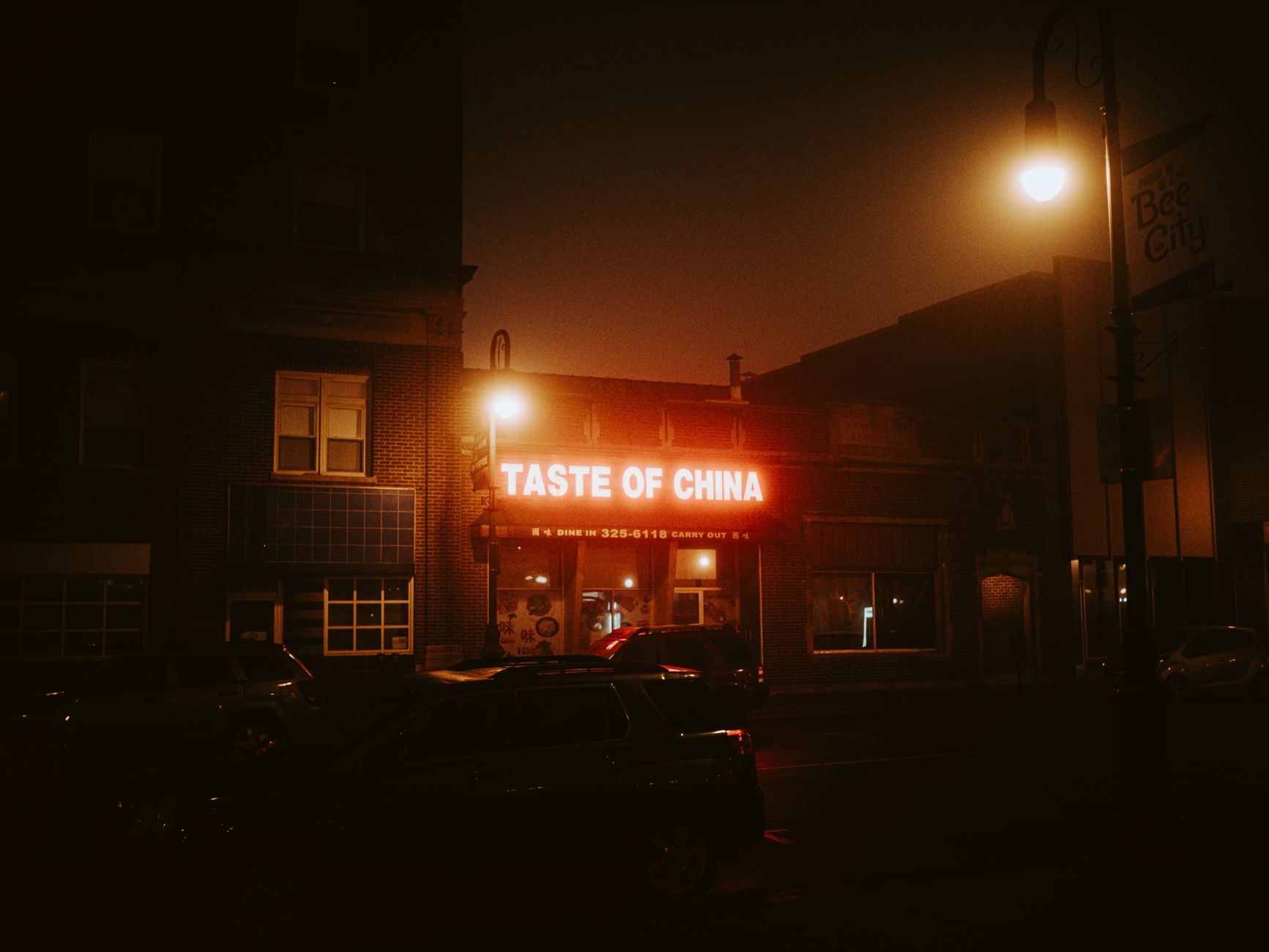
Balltown is one of Iowa’s tiniest incorporated towns, and it’s home to Breitbach’s Country Dining, the state’s oldest continuously operating restaurant, dating back to 1852. Set on a bluff overlooking the Mississippi River, it’s survived two devastating fires and rebuilt both times, and its weekend buffets featuring hand-carved meats and legendary strawberry pie draw visitors from across the Midwest to a town most GPS systems barely register.
Le Mars, Iowa: The Ice Cream Capital With a James Beard Steakhouse
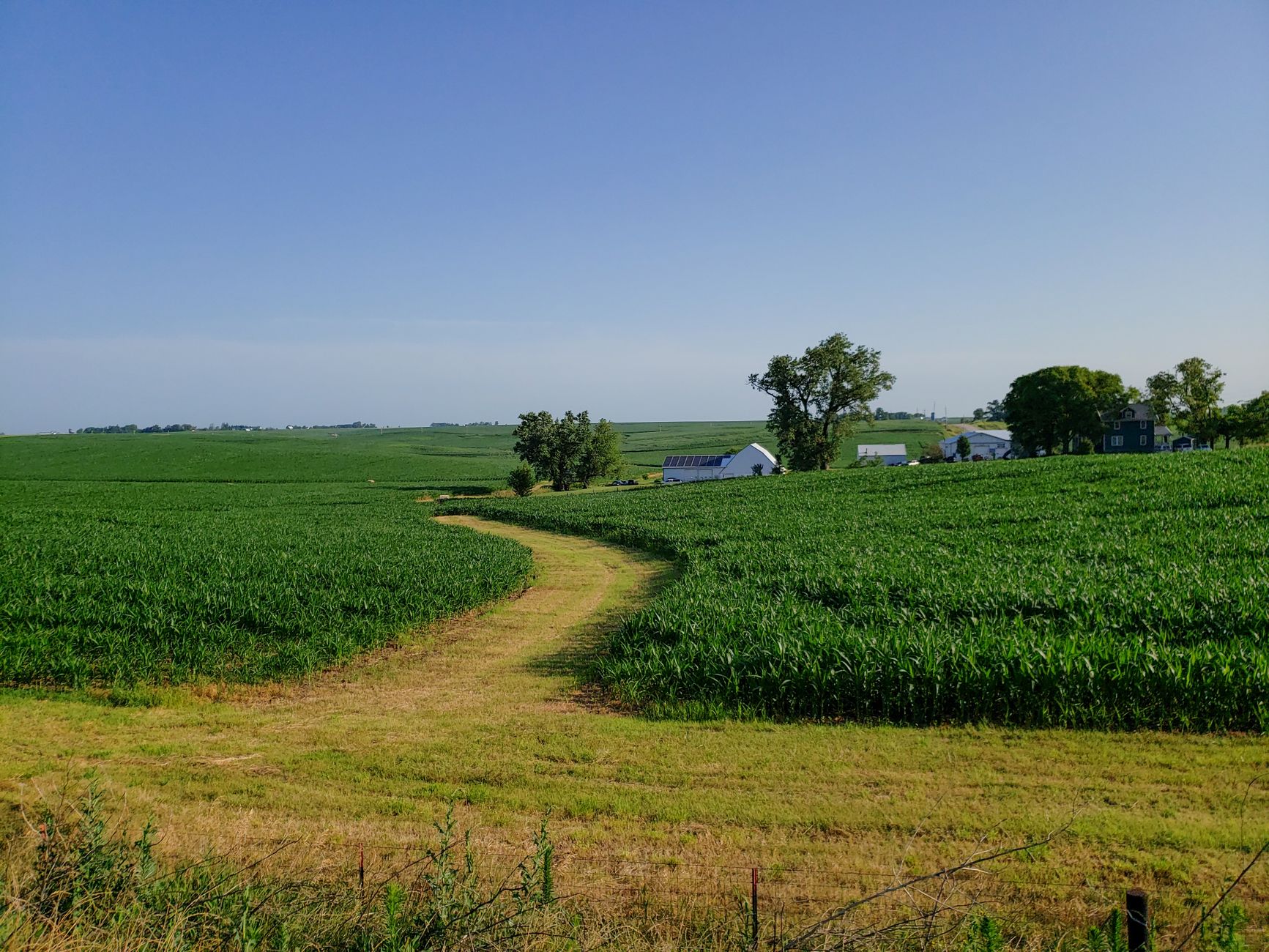
Le Mars is officially recognized as the Ice Cream Capital of the World thanks to Blue Bunny’s headquarters there, but the town’s real culinary flex is Archie’s Waeside, a James Beard Award-winning steakhouse that dry-ages its own beef on-site, a rarity even in cities many times its size. Founded by a Russian immigrant in 1949, it pairs old-school supper club atmosphere with genuinely serious culinary credentials.
Stillwater, Minnesota: A Historic River Town Built for Food Tourism
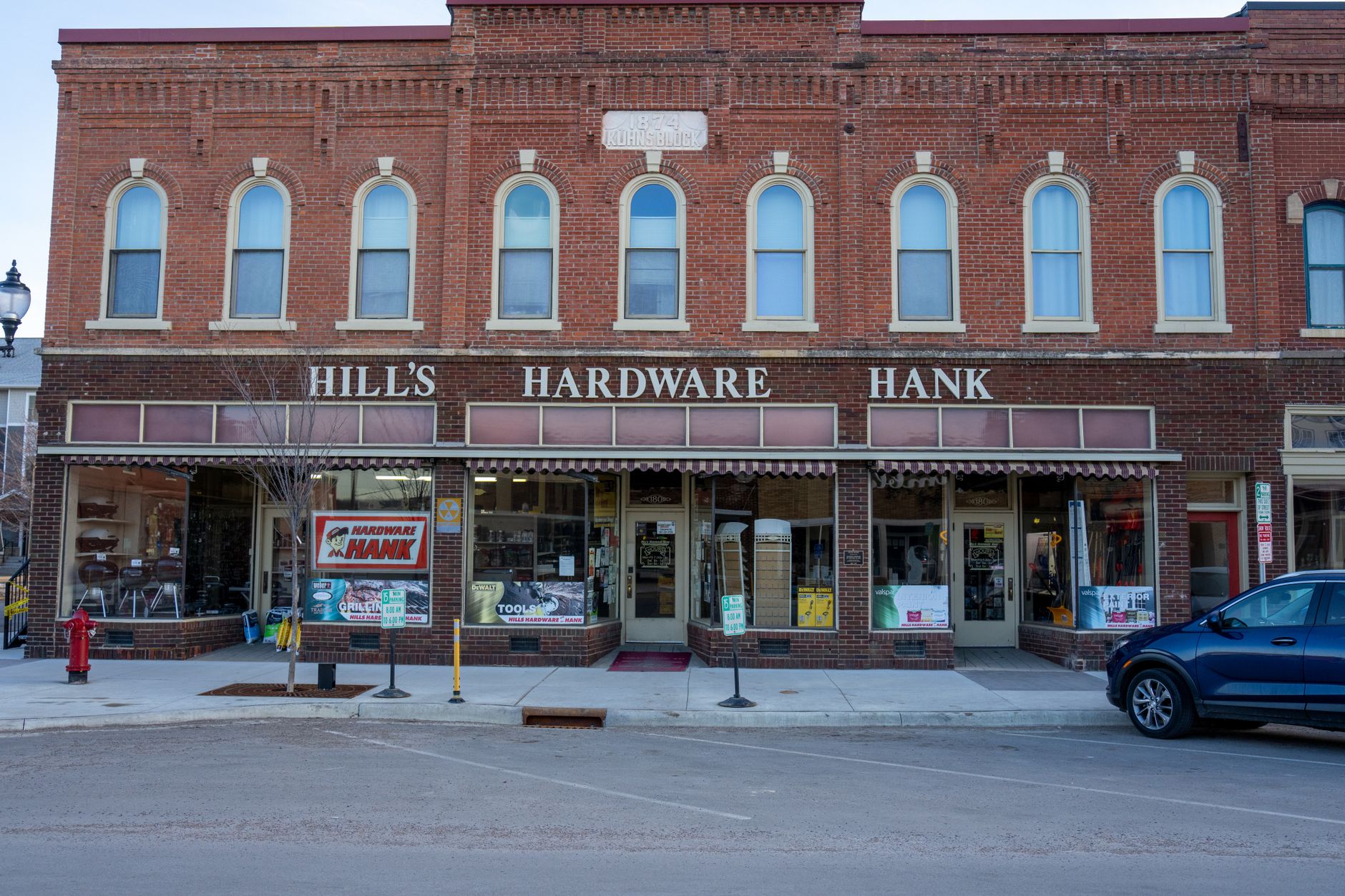
Stillwater sits along the St. Croix River and has leaned hard into its historic downtown as a food and drink destination for Twin Cities day-trippers. Restaurants like the Mad Capper Saloon, Charlie’s Restaurant & Irish Pub, and Melt Pizza Company anchor a walkable strip that regularly runs local competitions like a town-wide chicken wing contest to draw visitors, and the town’s antique shops and river views give people a reason to stay for a full afternoon rather than a quick meal.
- Balltown, Iowa (population 77): home to Breitbach’s Country Dining, open since 1852
- Le Mars, Iowa: the Ice Cream Capital of the World, also home to James Beard-recognized Archie’s Waeside
- Stillwater, Minnesota: a walkable river town with a competitive dining scene along Main Street
- Red Wing, Minnesota: a Mississippi River town with the historic St. James Hotel’s Scarlet Kitchen & Bar
- Door County, Wisconsin: famous for traditional fish boils at spots like Pelletier’s and the White Gull Inn
Red Wing, Minnesota: More Than Just Boots and Pottery
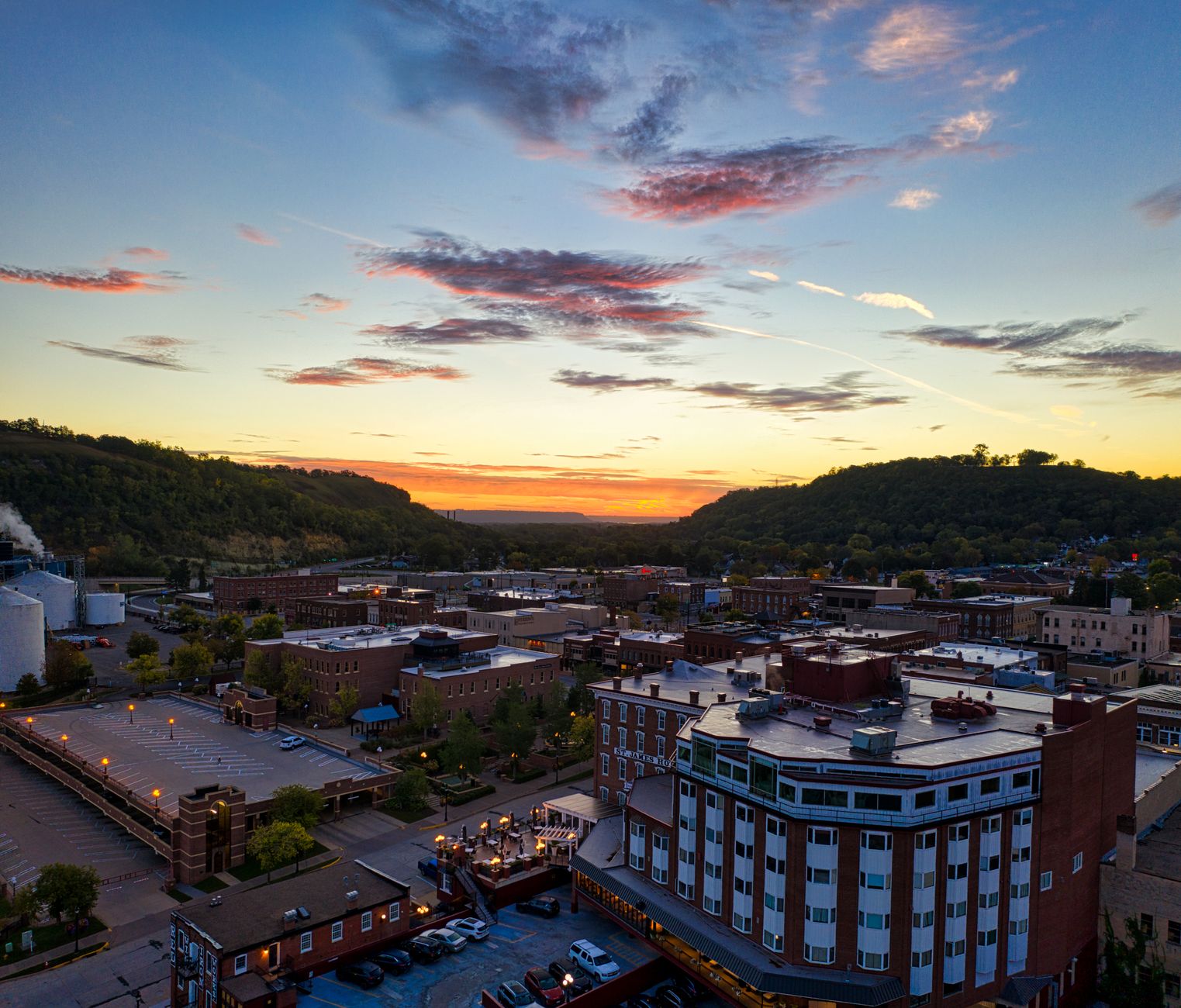
Red Wing is best known nationally for its boot factory and pottery heritage, but the town’s dining scene has built a devoted following of its own centered on the historic St. James Hotel, where the Scarlet Kitchen & Bar has become known for dishes like biscuits and gravy that draw praise well beyond the region. Smaller spots like the Smokin’ Oak Rotisserie & Grill and the Red Wing Brewery round out a food scene disproportionately strong for a town of its size along the Mississippi.
Door County, Wisconsin: The Fish Boil Capital
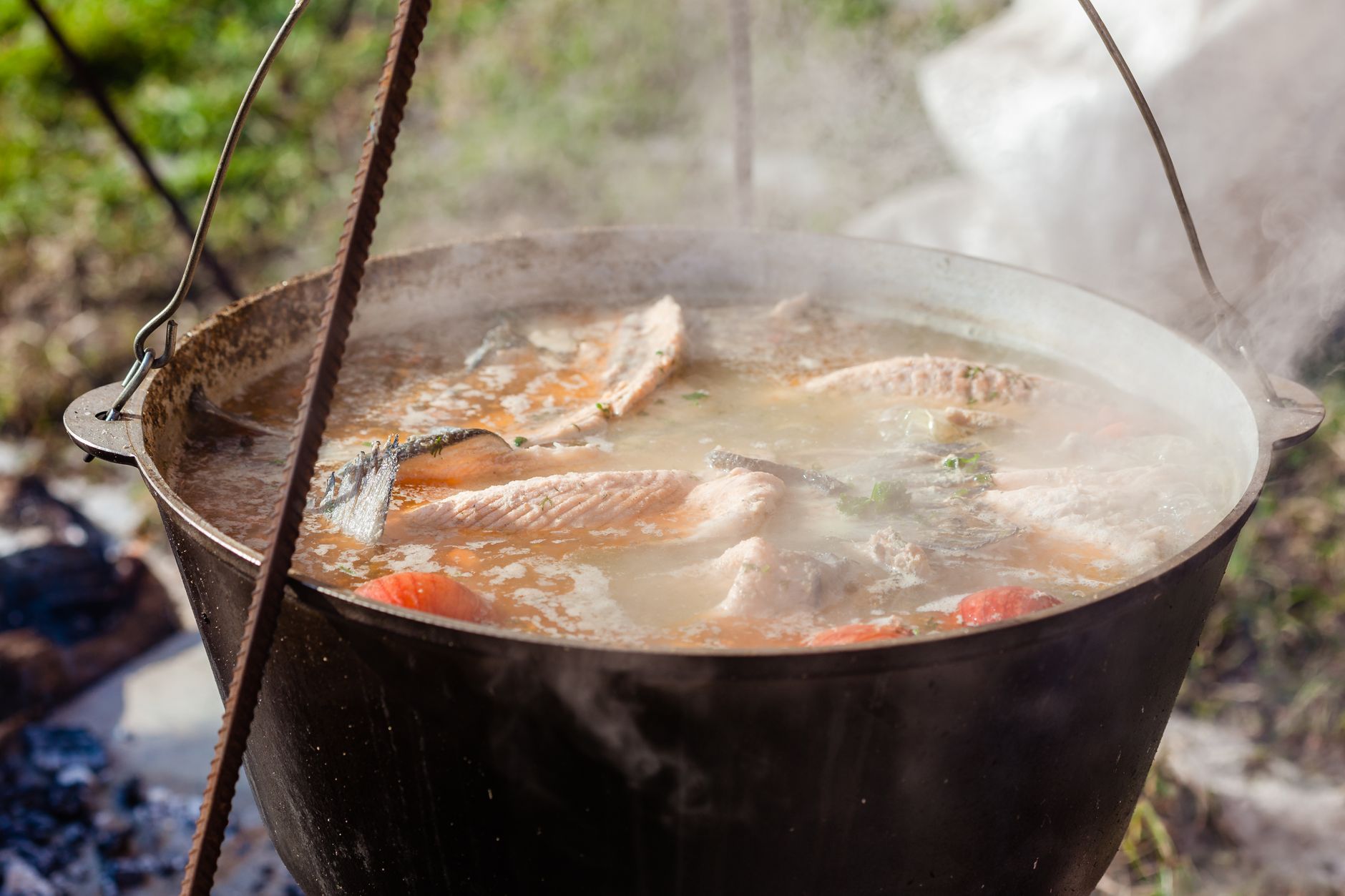
Door County’s peninsula towns, particularly Fish Creek and Ephraim, are built around the traditional Door County fish boil, a dramatic open-fire cooking method using freshly caught Lake Michigan whitefish, potatoes, and onions, finished with a flaming “boil over” that sends the pot’s excess oil erupting in a burst of flame. Restaurants like Pelletier’s, in business since the tradition’s early days, and the historic White Gull Inn, boiling fish since 1959, have turned a practical fisherman’s cooking method into a full dinner theater experience that draws visitors from across the Midwest every summer.
Why These Towns Punch Above Their Weight
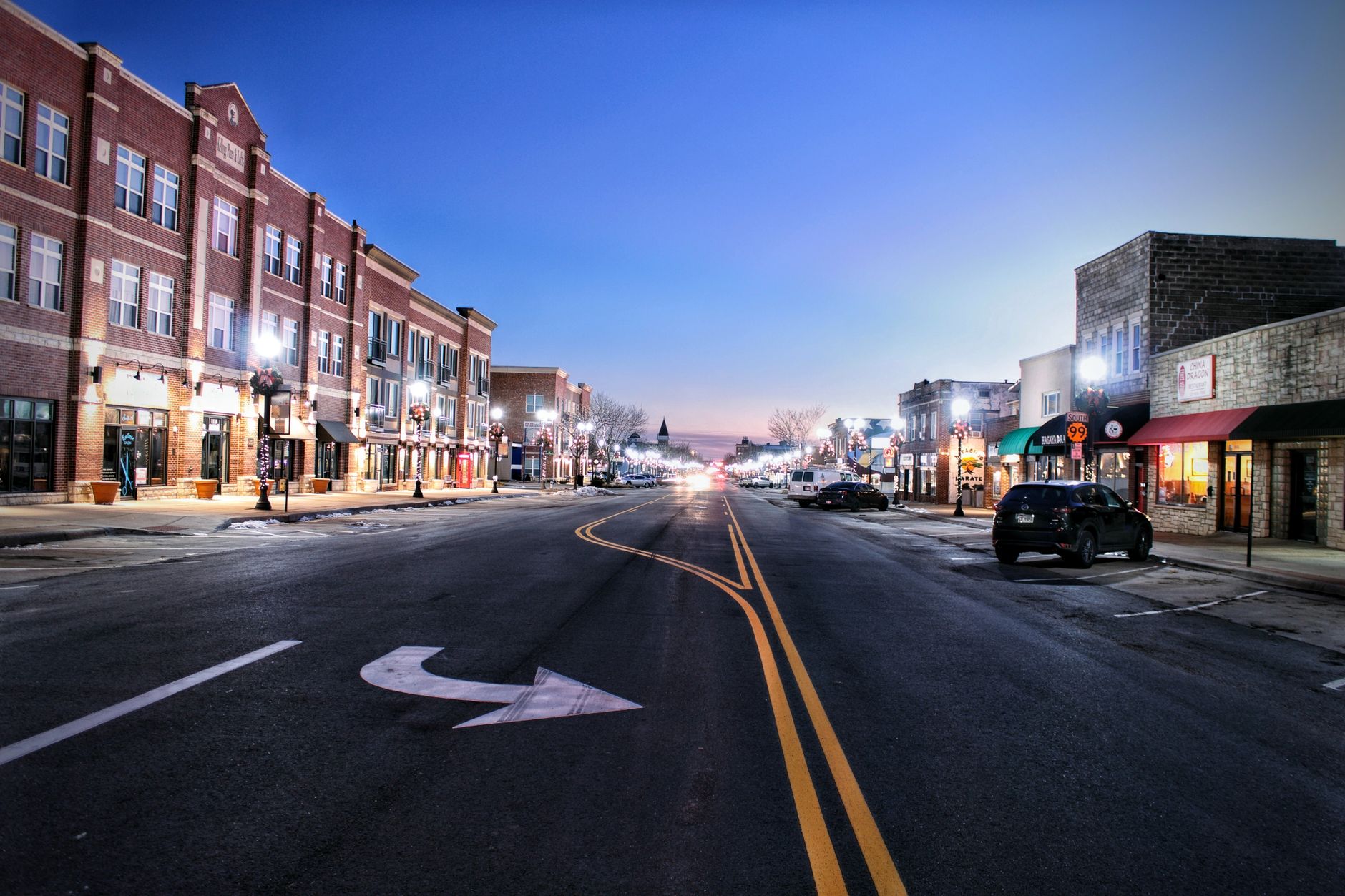
The pattern across all of these towns is multi-generational family ownership. These aren’t restaurant groups testing concepts, they’re the same families cooking the same recipes for 50, 70, sometimes over 150 years, refined slowly instead of engineered for trends. That continuity is exactly what a lot of larger city dining scenes can’t replicate, and it’s why people will drive an hour past a dozen chain restaurants just to eat at a place with 77 year-round neighbors and a line out the door every weekend.
Decorah, Iowa and the College-Town Food Scene
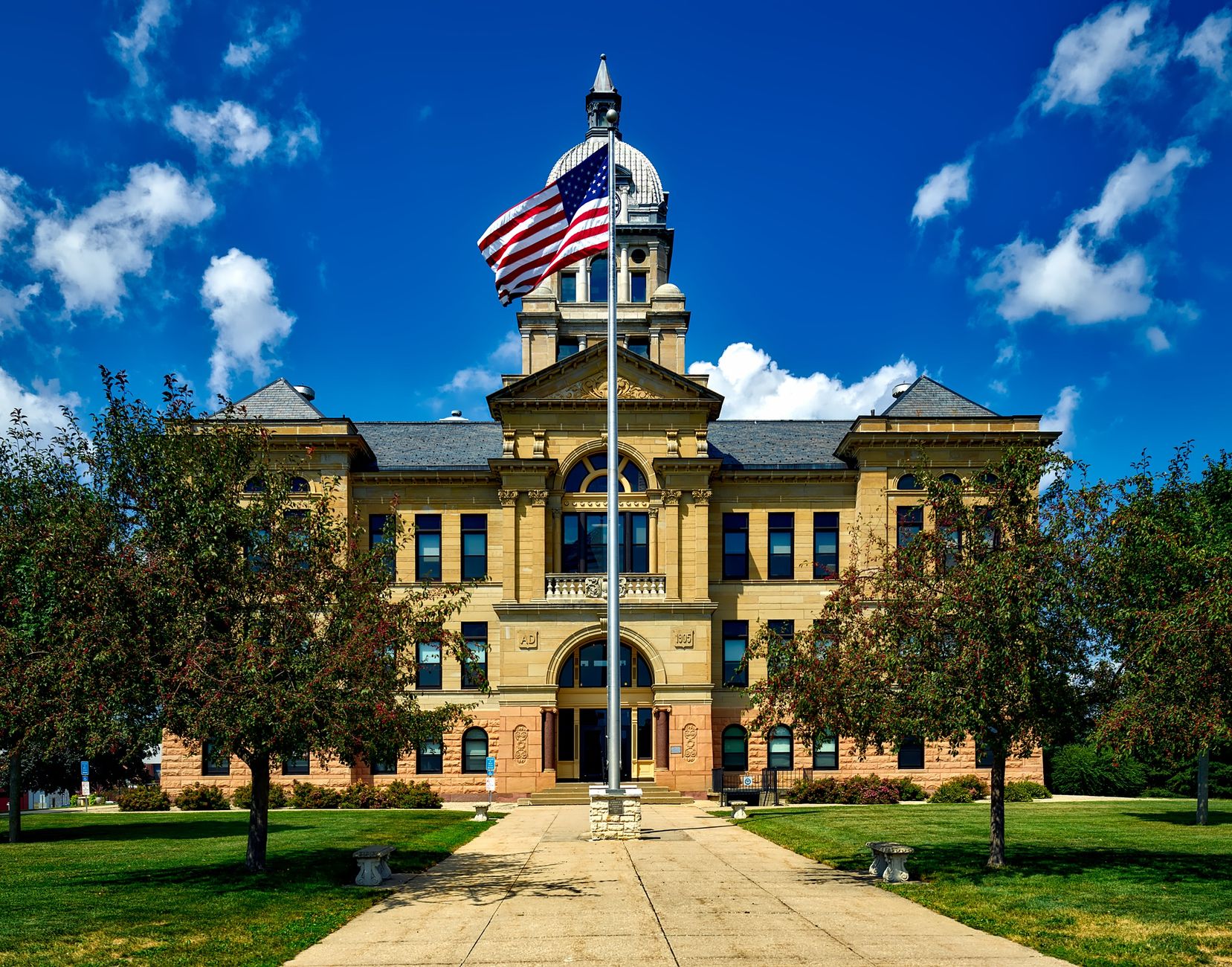
Decorah, home to Luther College, has built a food identity around Mabe’s Pizza, a beloved family-run mainstay serving thin-crust pizza that draws locals, students, and visitors making a point of stopping in on any trip through northeast Iowa. The town’s Norwegian heritage and college-town energy give it a slightly different flavor than the farming towns elsewhere on this list, blending Scandinavian influence with classic Midwest comfort food.
Why Family Ownership Matters So Much Here
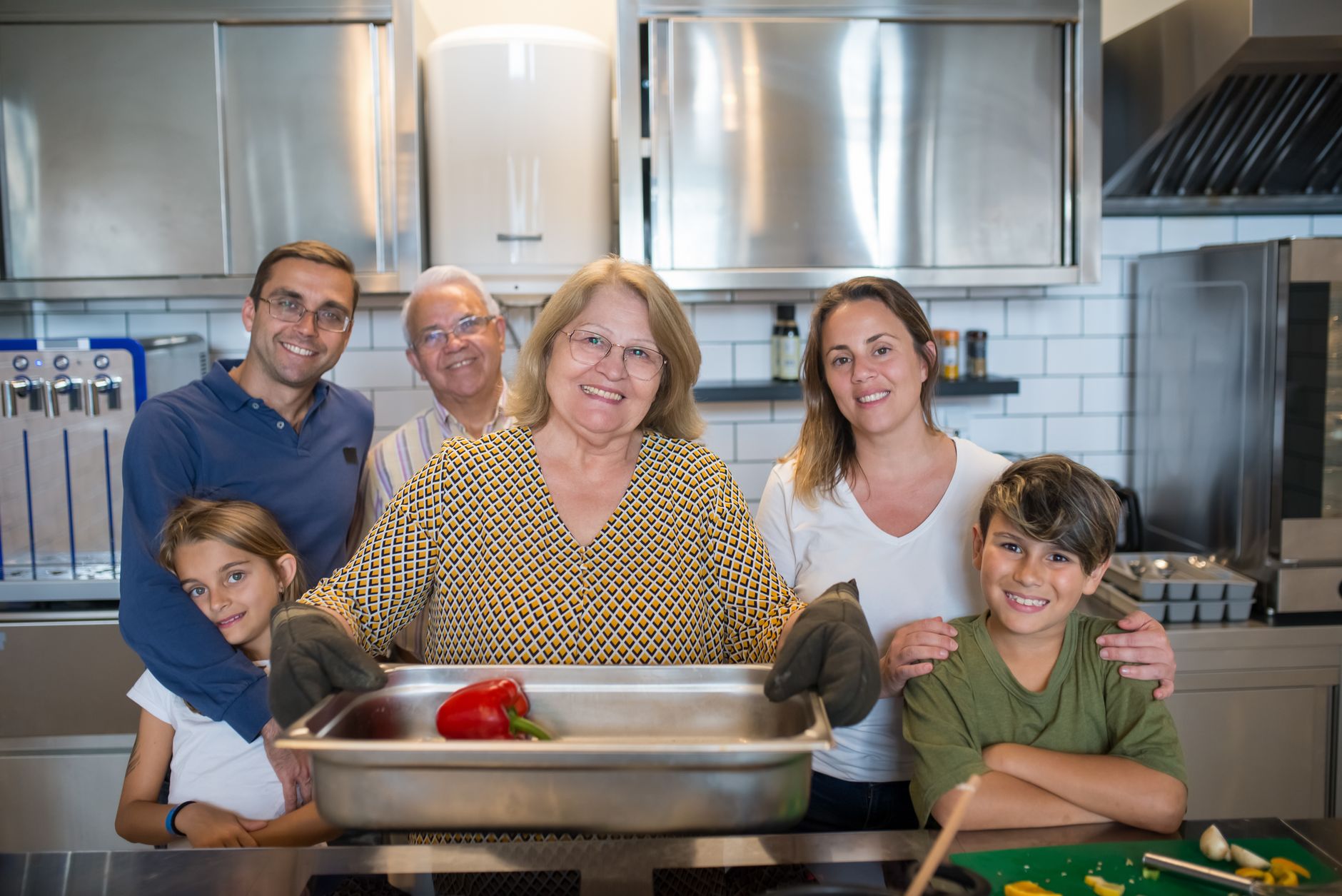
What separates these towns from a typical small-town dining scene is the sheer duration of family ownership. Archie’s Waeside has operated under family stewardship since 1949. Breitbach’s Country Dining has survived multiple fires and rebuilds since 1852 while staying in the same family’s hands. This kind of continuity produces a level of recipe refinement and institutional knowledge that a newly opened restaurant, however well-funded, simply cannot replicate within a few years of operation.
The Competition Culture

Several of these towns have built annual traditions around food competitions that draw regional attention, from Iowa’s statewide search for the best pork tenderloin sandwich, which has crowned winners from towns as small as Prairieburg with a population of 155, to Stillwater’s town-wide chicken wing competitions among its Main Street restaurants. These events function as a kind of ongoing quality control, keeping small-town kitchens competing and improving rather than coasting on nostalgia alone.
Planning a Food-Focused Midwest Trip
Because these towns are spread across three states, a genuine food tour requires real planning. Grouping visits by region, northeast Iowa for Decorah and Balltown, the St. Croix Valley for Stillwater, the Mississippi River towns for Red Wing, and the Door Peninsula for the fish boil circuit, makes for a realistic multi-day trip rather than an exhausting cross-state marathon.
The Long View
As long as these restaurants remain in the hands of the families who built them, the food scenes in these small Midwest towns are likely to stay remarkably stable even as the towns around them change. That stability, more than any single dish, is probably the real reason people keep making the drive.