10 Quirky Laws Every US Traveler Should Know Before Their Next Adventure
We may earn money or products from the companies mentioned in this post. This means if you click on the link and purchase the item, I will receive a small commission at no extra cost to you ... you're just helping re-supply our family's travel fund.

Traveling across the United States is full of surprises, and some of its laws are as quirky as they come. While many of these rules are rarely enforced, they remain part of local codes and add a humorous twist to your journey. Knowing them can help you avoid awkward encounters and give you fun trivia to share. Here are ten unusual laws travelers should know before setting out on their next American adventure.
No Cottage Cheese After 6 PM on Sundays in Tampa

In Tampa, Florida, a curious ordinance prohibits eating cottage cheese after 6 PM on Sundays. This outdated law is more amusing than practical but still officially exists. While enforcement is unlikely, it reflects how local codes can linger for decades. Travelers will probably never face consequences, but knowing about this quirky rule makes for a great conversation starter during your Florida visit.
No Drunkenness on Trains in Michigan

Michigan prohibits being drunk on trains, a law aimed at keeping public transportation orderly. While casual drinking is not an issue, visible intoxication could technically get you in trouble. For train travelers, it’s best to enjoy drinks responsibly to avoid drawing unwanted attention. This unusual law highlights how even routine trips can come with unexpected rules worth knowing.
No Rats Leaving Ships in Tampa Bay, Florida

Florida law forbids rats from leaving ships docked in Tampa Bay. This regulation dates back to when ports were major points of disease control. Though irrelevant today for most travelers, it shows how maritime laws can remain in effect for years. It’s unlikely you’ll encounter this rule directly, but it adds to Florida’s reputation for having some of the country’s oddest laws.
No High Heels in Certain Historical Areas of Greece

Though not a US law, travelers visiting Greece should know that high heels are banned at specific ancient sites. This rule protects fragile ruins from damage. If your trip includes both the US and Greece, pack flat shoes for sightseeing. It’s an excellent reminder that some regulations exist to preserve history and that respecting such rules ensures these landmarks remain intact for future visitors.
No Sexual Relations with Porcupines in Florida

Florida has a famously bizarre law banning sexual relations with porcupines. While it’s not something most people would even think of, this rule still appears in legal codes. It represents how certain laws exist to make clear statements rather than solve real issues. Though irrelevant in practice, it remains one of Florida’s most unusual and talked-about statutes among curious travelers.
No Fishing While Driving Across Bridges in Florida
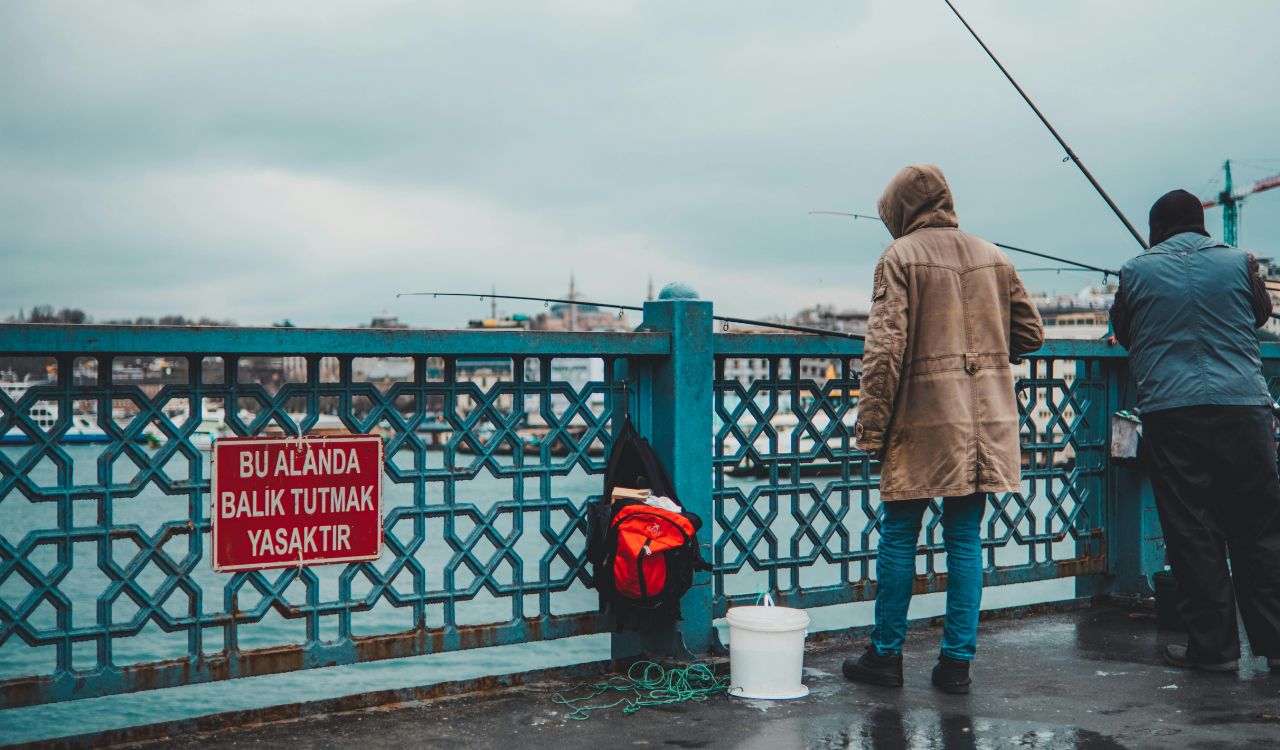
Florida also bans fishing while driving across bridges. This regulation exists to prevent distracted driving but is oddly specific. Most travelers wouldn’t think to fish while driving, yet this law is an example of how local governments address highly unusual scenarios. It also underscores the state’s fishing culture and its unique blend of safety-focused yet oddly targeted rules still on the books.
No Stepping on Thai Money

Although not a US law, travelers heading to Thailand should be aware that stepping on Thai currency is illegal because it features the King’s image. Even accidental contact is considered disrespectful. This cultural rule highlights the importance of being mindful of foreign customs while abroad. It’s a simple but crucial reminder for anyone mixing US travel with international stops along their journey.
Don’t Swear in the Caribbean
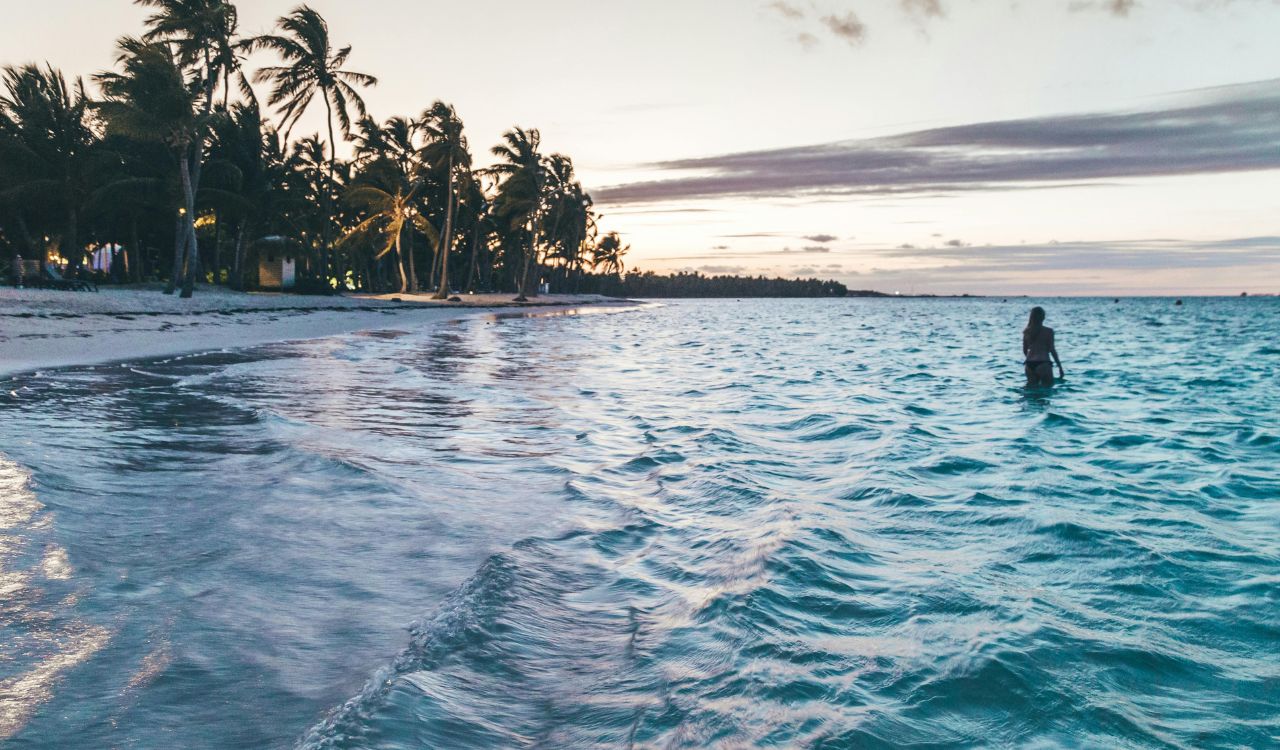
Swearing in public is restricted on many Caribbean islands, including Barbados and St. Kitts. Using offensive language can result in fines or warnings from authorities. While mild language often goes unnoticed, it’s best to be cautious in public settings. Understanding these laws prevents uncomfortable encounters and shows respect for the local culture while enjoying the relaxed pace of island destinations.
Be Aware of Time Zones

Time zone shifts across the US can create confusion, especially in states like Arizona that do not observe daylight saving time. Failing to account for this can lead to missed flights or appointments. Travelers should always double-check local times when planning itineraries. Being prepared avoids scheduling mishaps and ensures smoother trips, whether crossing states or connecting through multiple airports on the same journey.
Research Local Customs and Laws
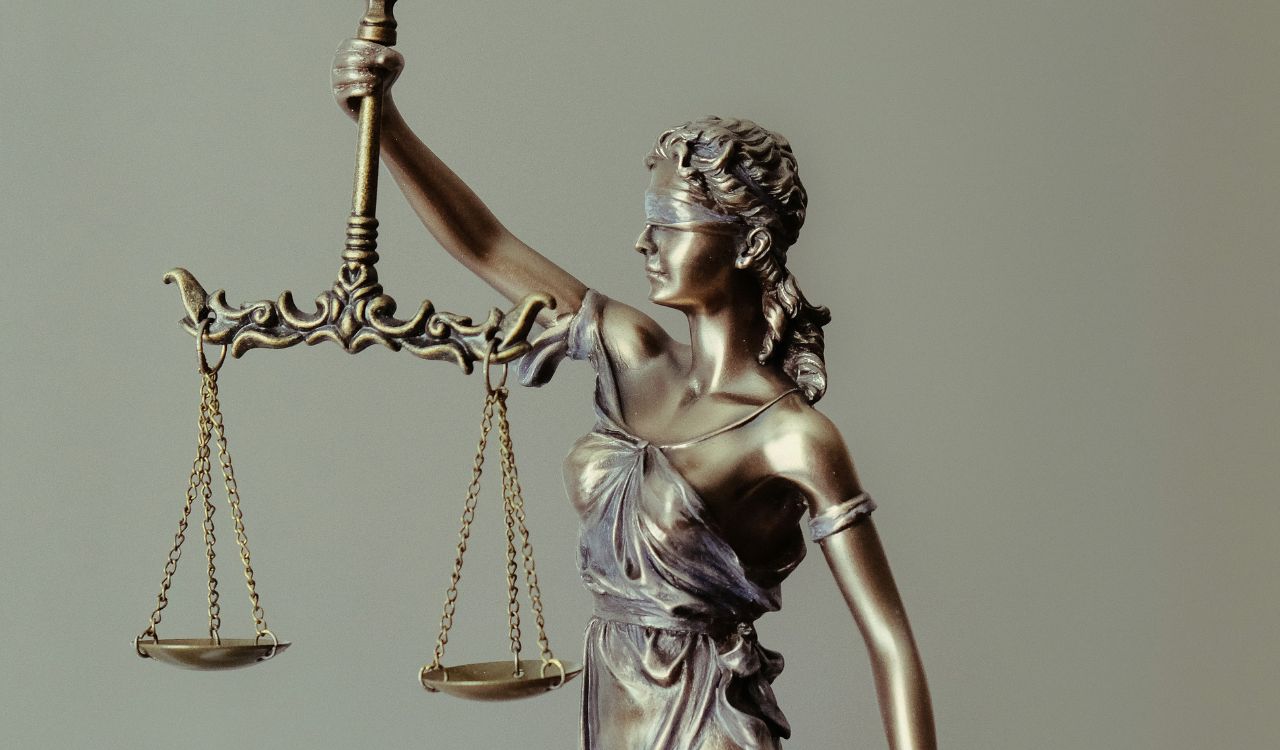
Every destination has unique rules and cultural practices. Doing research before traveling helps you avoid misunderstandings and shows respect for local communities. Some areas may enforce noise restrictions, while others have specific curfews or codes of conduct. By learning about these ahead of time, you not only prevent problems but also enrich your travel experience by better connecting with the places you visit.