10 Hidden Underwater Caves With Ancient Secrets Inside
We may earn money or products from the companies mentioned in this post. This means if you click on the link and purchase the item, I will receive a small commission at no extra cost to you ... you're just helping re-supply our family's travel fund.
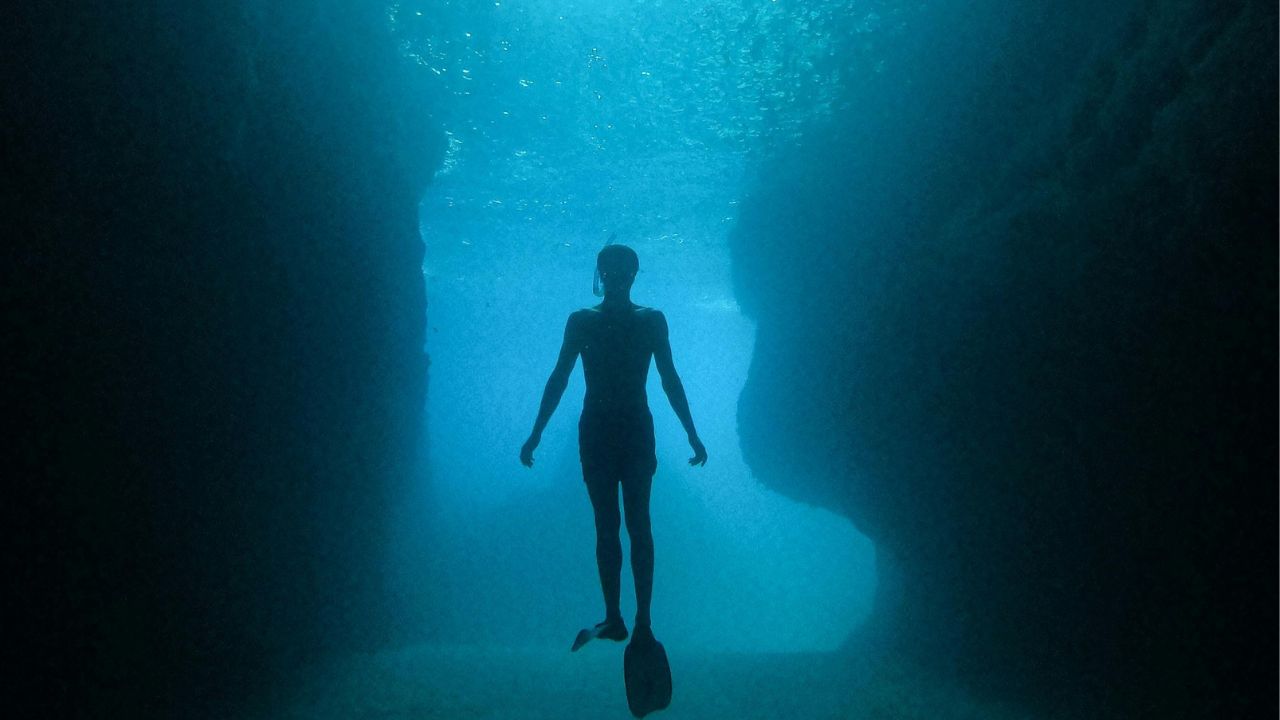
Hidden beneath oceans and freshwater springs, underwater caves preserve clues about ancient civilizations and prehistoric life. From sacred cenotes in Mexico to glowing sea caves in Italy, these submerged wonders reveal fossils, artifacts, and geological marvels. They offer rare insights into early humans, extinct animals, and shifting climates. Here are 10 hidden underwater caves that merge breathtaking natural beauty with secrets from the distant past.
Cenotes of Mexico
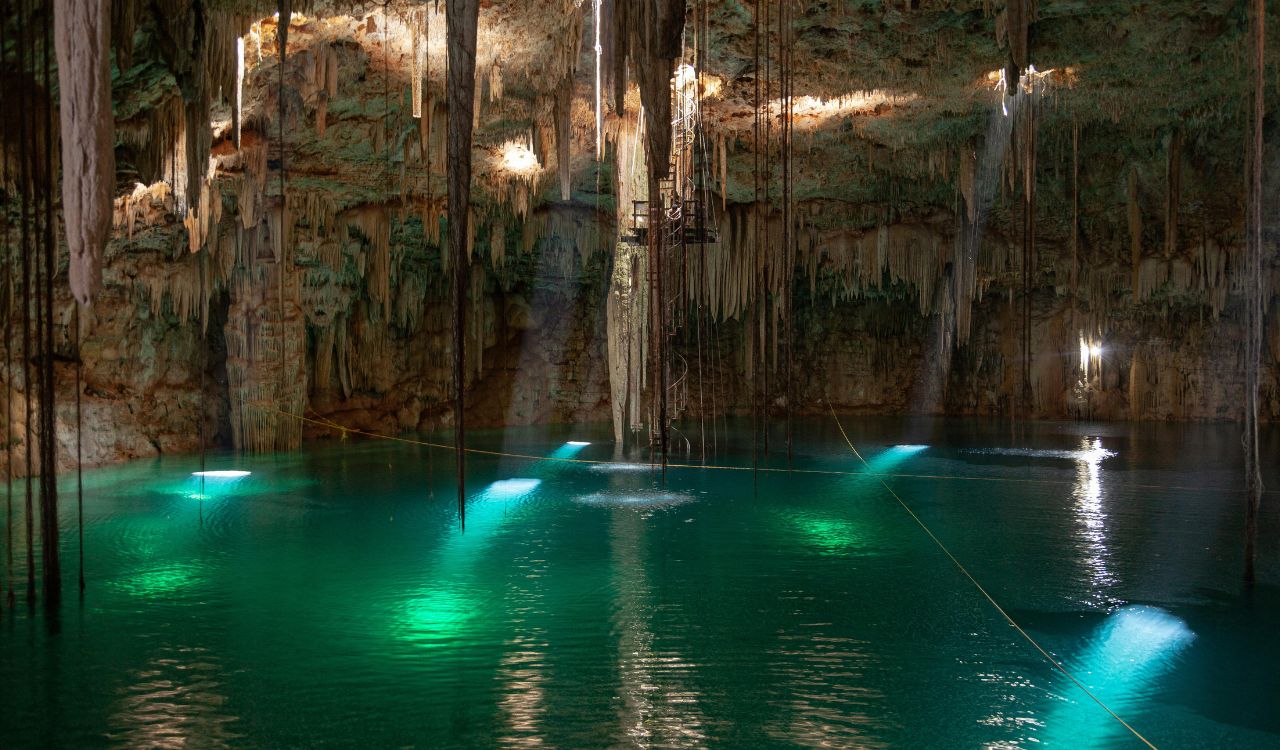
Mexico’s cenotes are limestone sinkholes once revered by the Maya as sacred portals. They contain human remains, fossils, and ceremonial artifacts that reveal ancient beliefs and rituals. These crystal-clear pools also hold clues about prehistoric environments and climate. Divers exploring cenotes experience stunning rock formations while uncovering archaeological finds, blending natural wonder with history. Cenotes remain one of the most striking windows into the Maya world.
Sac Actun, Mexico
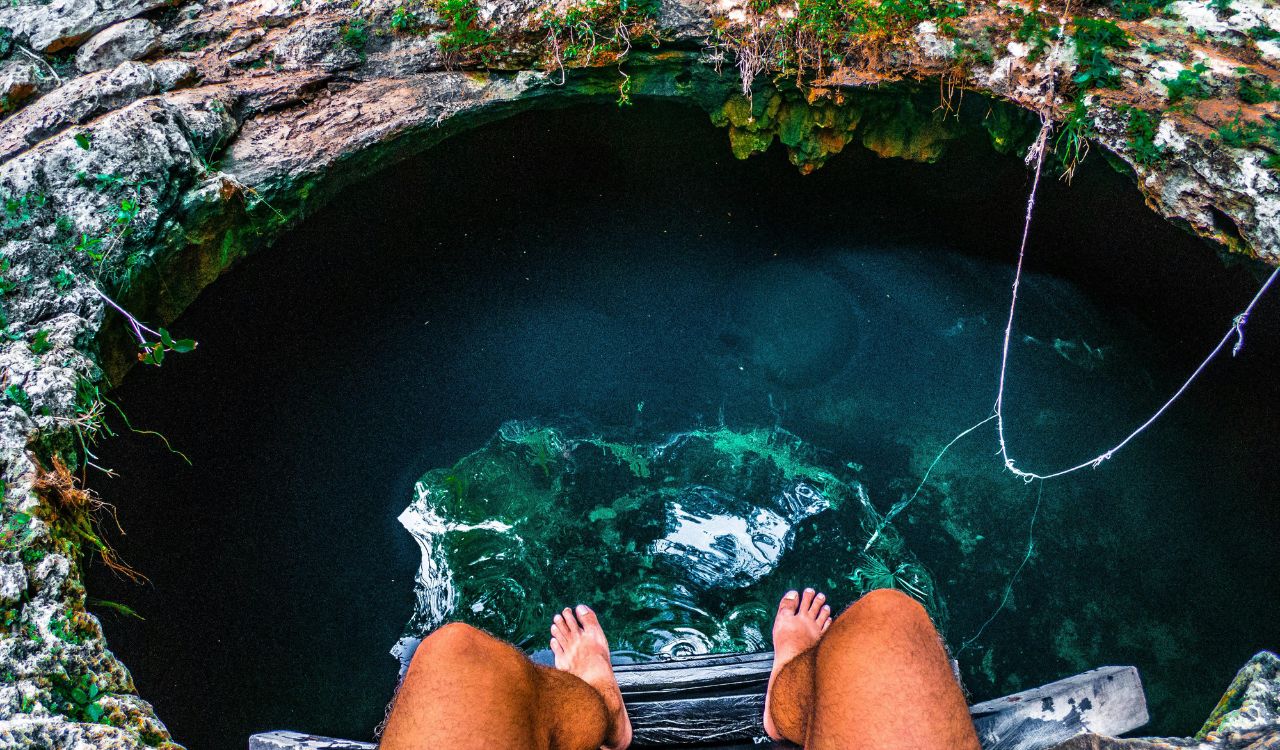
Sac Actun, near Tulum, is the world’s longest underwater cave system, stretching over 230 miles. Its tunnels house stalactites, fossils, and even ancient human remains, including evidence of early migration in the Americas. This vast cave network documents geological changes over millennia while preserving clues about how early people adapted to their surroundings. Sac Actun continues to be a treasure trove for divers and researchers worldwide.
Blue Grotto, Italy
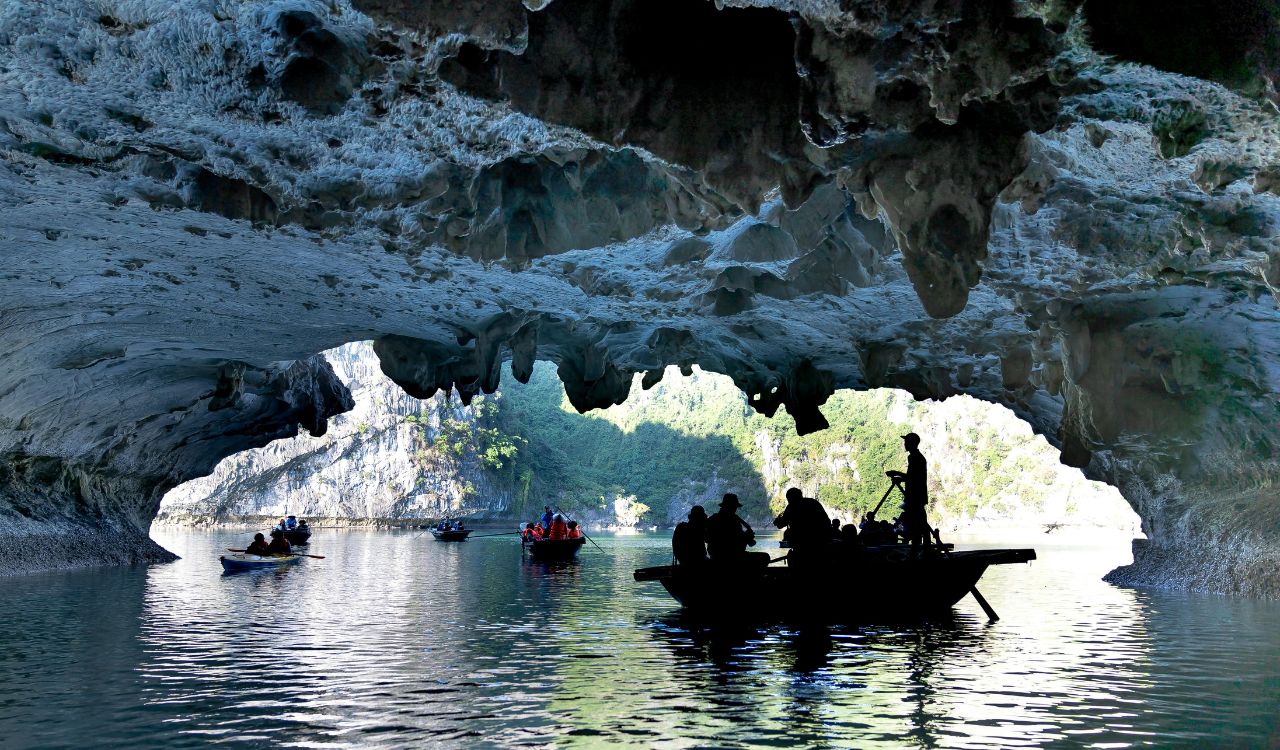
The Blue Grotto in Capri glows with an otherworldly blue light created by sunlight entering through an underwater opening. While famous for its beauty, divers have also found evidence of submerged Roman statues, hinting at its historical ties to Emperor Tiberius’s villa. This enchanting sea cave offers both scenic splendor and archaeological intrigue, blending natural wonder with echoes of ancient Roman life beneath its glowing waters.
Wakulla Springs, Florida

Wakulla Springs in Florida is one of the largest freshwater cave systems in the world. Divers and researchers have uncovered fossils of mastodons, saber-toothed cats, and other prehistoric animals here, preserved in its mineral-rich waters. The cave also holds evidence of early human activity, making it a vital archaeological and paleontological site. Wakulla Springs offers a rare combination of natural beauty and deep historical significance.
Sicily’s Underwater Caves
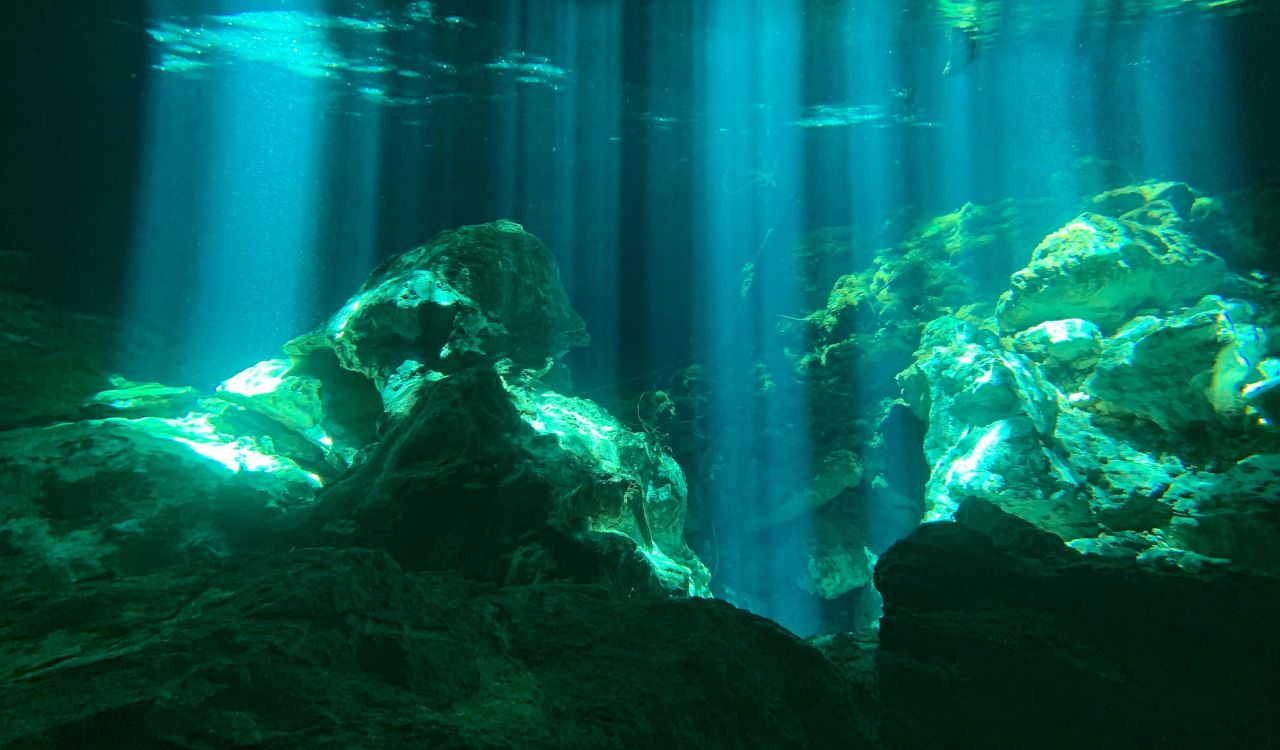
Sicily’s underwater caves reveal traces of Paleolithic human activity. Archaeologists have discovered ancient tools and artifacts preserved beneath the sea, showing early Mediterranean migration routes. Shaped by volcanic activity and rising sea levels, these submerged caves feature dramatic formations alongside their archaeological significance. They provide a unique look at how prehistoric humans adapted to changing coastlines and environments thousands of years ago in this vital region.
Slovenia’s Karst Caves
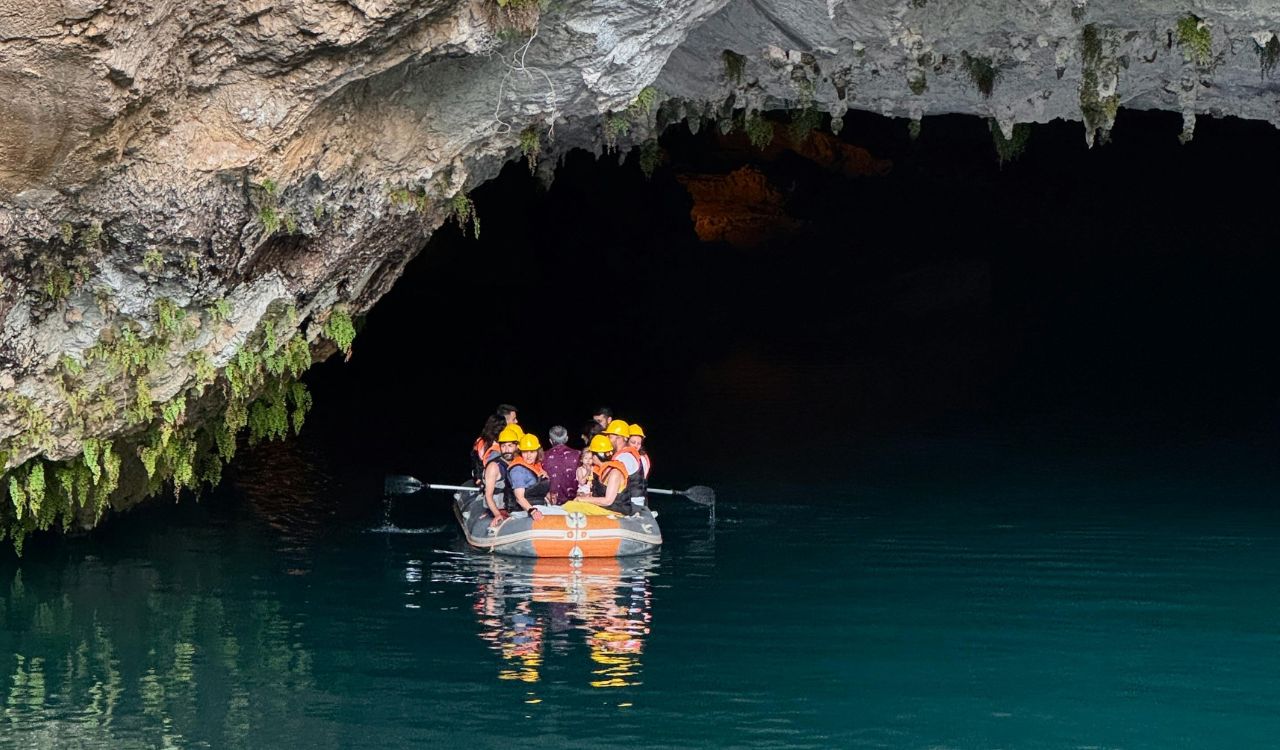
Slovenia’s karst caves form a vast submerged network beneath its limestone hills. Their underwater passages showcase striking geological features while preserving traces of early human settlement. Artifacts found within connect these caves to prehistoric cultures. Their study reveals how ancient people interacted with this unique landscape. The combination of geology and archaeology makes Slovenia’s caves an essential site for understanding both natural and human history.
Dos Ojos, Mexico
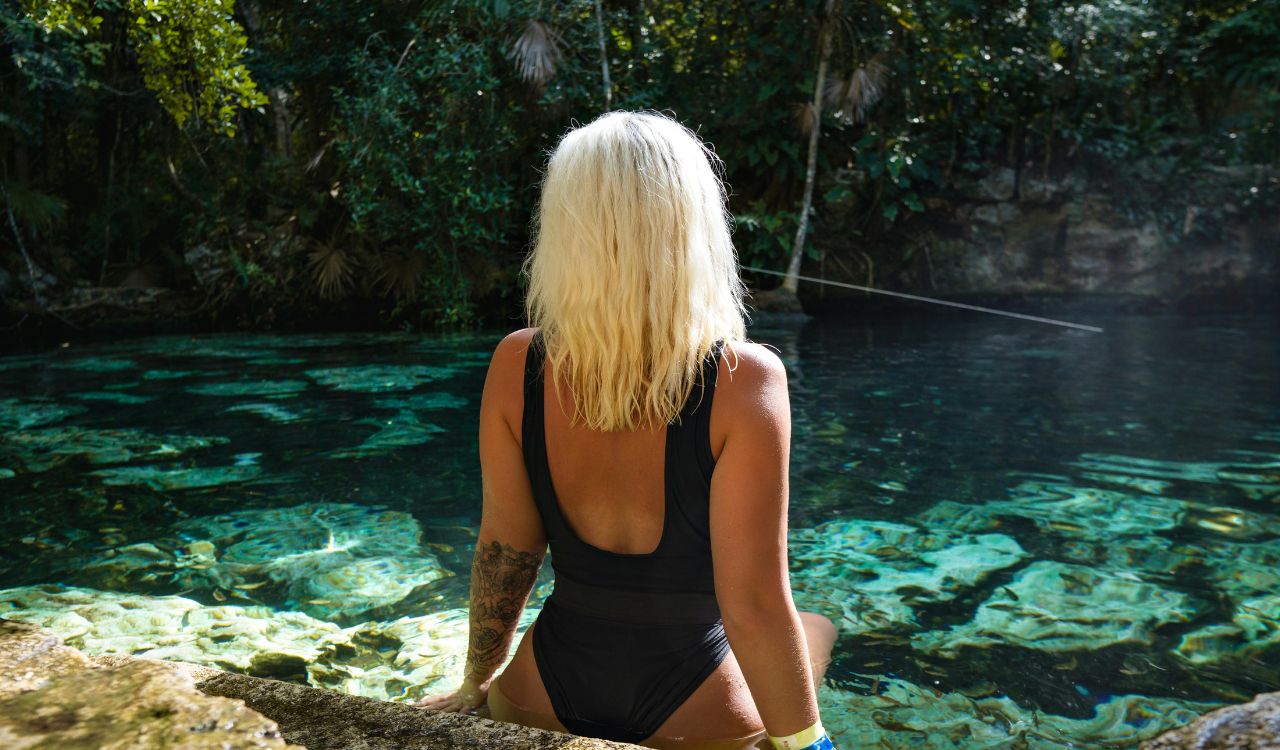
Dos Ojos, part of the Sac Actun system, is famed for its twin sinkholes and winding passages. Its crystal waters have yielded major discoveries, including the Naia skeleton, one of the oldest human remains in the Americas. The cave’s spectacular formations attract divers while its archaeological finds shed light on early migration and life in ancient times, blending scientific significance with breathtaking natural allure.
Orda Cave, Russia
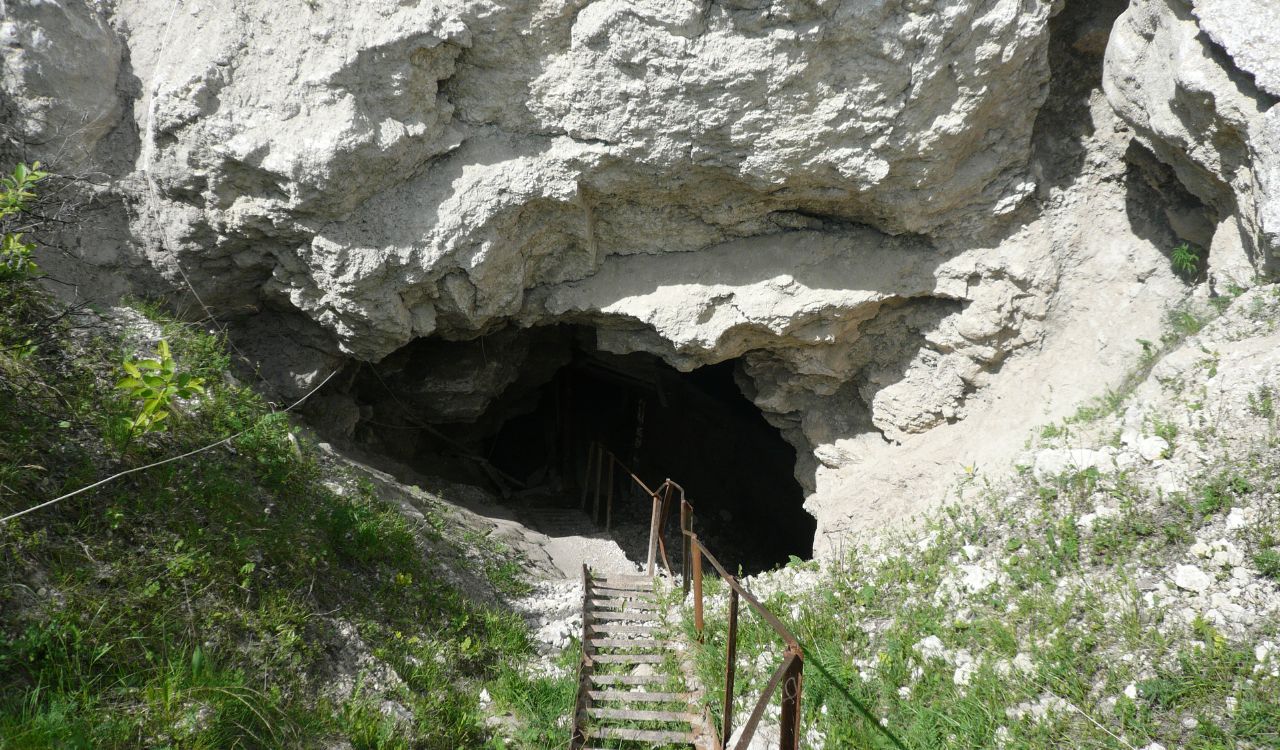
Orda Cave in Russia’s Ural Mountains is the largest underwater gypsum cave on Earth. Its white walls and twisting passages stretch for miles, offering a surreal landscape for divers. Though less explored archaeologically, its unique geology reveals ancient water systems and environmental changes over time. Orda’s pristine waters and stark beauty make it both a challenging dive site and a valuable location for geological study worldwide.
Devil’s Den, Florida
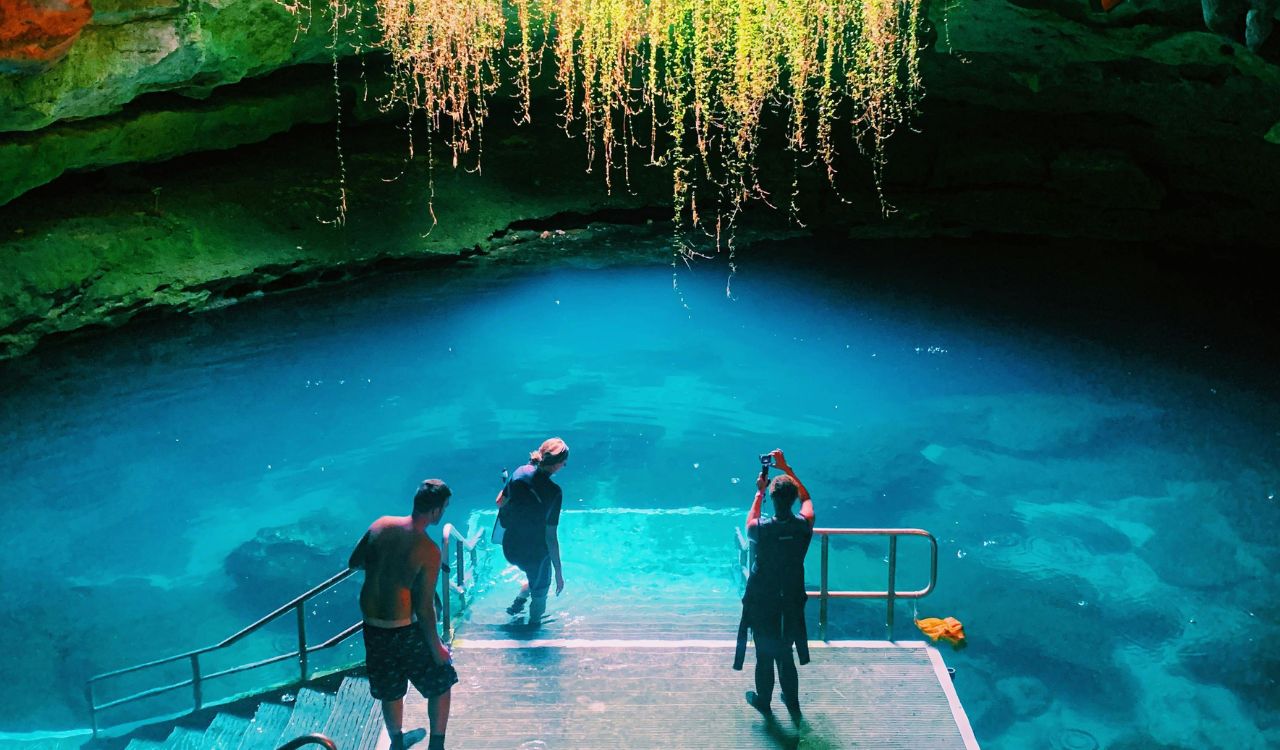
Devil’s Den is a prehistoric spring hiding fossils of extinct animals like giant sloths and saber-toothed cats, preserved for over 10,000 years. Human remains and artifacts link it to some of North America’s earliest inhabitants. Its warm waters and striking rock formations create an ideal environment for divers seeking both natural beauty and ancient history. Devil’s Den stands as one of Florida’s most fascinating submerged sites.
Great Blue Hole, Belize
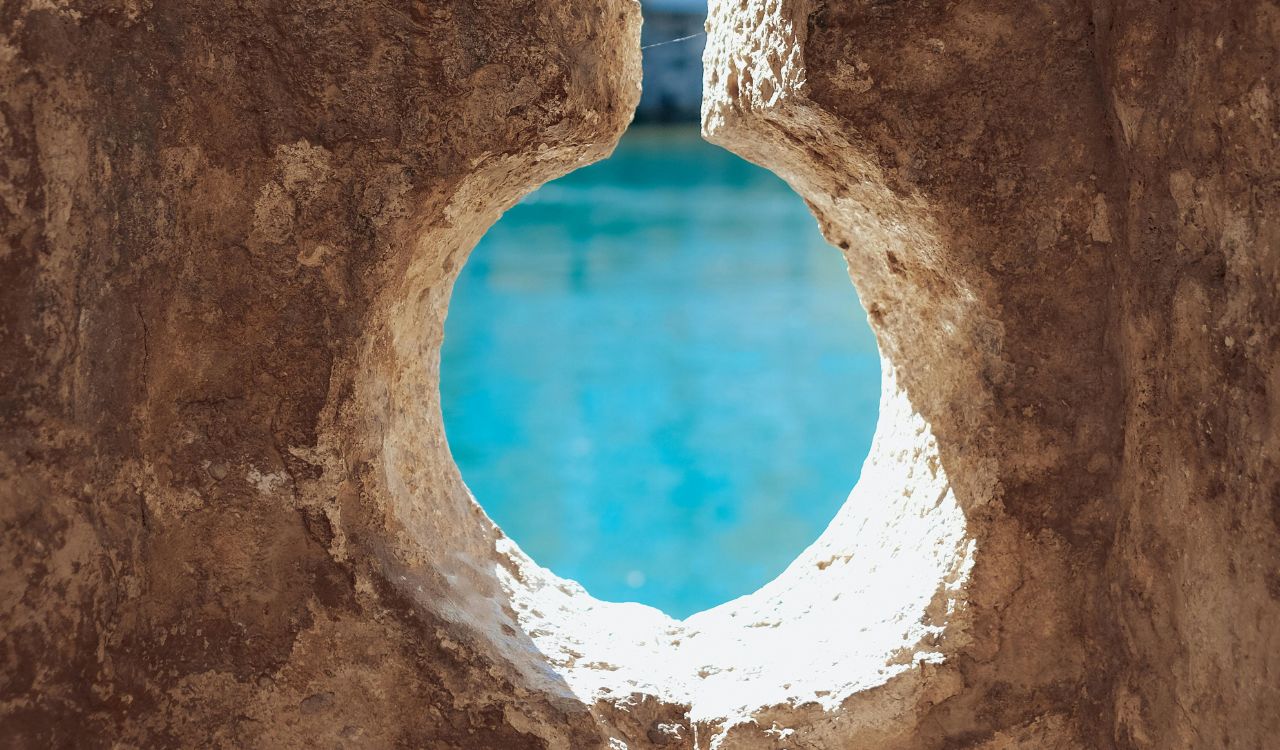
Belize’s Great Blue Hole is a massive marine sinkhole formed during the Ice Age. Its deep blue waters conceal stalactites and ledges that hold evidence of ancient sea levels and climate shifts. This UNESCO-recognized site combines geological importance with visual wonder, attracting divers eager to explore its depths. The Great Blue Hole is both a scientific landmark and a stunning underwater destination with echoes of Earth’s past.