What People Who Worked on Cruise Ships Think About Cruises Now — And It’s Not What the Brochure Says
We may earn money or products from the companies mentioned in this post. This means if you click on the link and purchase the item, I will receive a small commission at no extra cost to you ... you're just helping re-supply our family's travel fund.
This article contains affiliate links. If you book or buy something through our links, we may earn a small commission at no extra cost to you.
If you want an honest assessment of the cruise industry, don’t ask a travel blogger who got a free sailing. Ask the person who worked the midnight buffet turnover for nine months, who cleaned 400 cabins in a rotation, who bartended fourteen-hour shifts in the tropics while smiling at people who couldn’t remember their cabin number.
Cruise ship workers are among the most candid and observant people in travel. They’ve seen the product from the inside, at scale, with no marketing filter. And their opinions about cruising — now that they’re out — are nuanced, sometimes surprising, and occasionally devastating.
What They Say When You Ask If They’d Take a Cruise
The answer is not a universal no. That’s the first thing that surprises people when they ask. Former crew members don’t all hate cruises. Several say they’d book one — but a very specific kind, for very specific reasons.
“I’d do a small expedition ship to somewhere like Antarctica or the Norwegian fjords,” said one former entertainment coordinator who spent four years on major Caribbean cruise lines. “Not a 5,000-person floating mall. Those exist for a reason, and the reason is not to have a genuine experience of a place.”
The distinction crew members draw most often is between large mainstream cruises — the Carnival, Royal Caribbean, Norwegian-style mega-ships — and smaller, destination-focused vessels. The former, they say, are essentially a theme park that happens to move. The latter can be a legitimate way to see places that are hard to access otherwise.
“I would never get on a ship that can’t fit through the Panama Canal,” one former cabin steward put it plainly. “If the ship is bigger than a neighborhood, it’s not travel. It’s an event.”
The Economics They Saw Up Close
Cruise lines make their money in ways that the ticket price doesn’t reveal. Former crew members watched this mechanism operate constantly and up close.
The base fare — especially on promotional sailings — is often priced at or near break-even for the cruise line. The real revenue comes from alcohol packages, specialty dining, casino play, spa services, shore excursions, and the retail shops on board. A passenger who books a budget cabin and uses only what’s included in their ticket represents a thin margin. The passenger who buys the drink package, eats at three specialty restaurants, books two ship excursions, and loses $200 in the casino is the guest the business model is built around.
“The ship is not your destination,” said one former senior dining staff member. “The ship is a retail environment that happens to be traveling somewhere. Everything about the design, the layout, the lighting, the scheduling — it’s all calibrated to keep you spending.”
Shore excursions offered by the ship command a significant markup over booking the same activity independently. Crew members who worked in excursion sales departments were often aware of this and occasionally uncomfortable with it. “The same zip-line tour you can book at the dock for $45 costs $110 through the ship,” said one former activities coordinator. “I watched people buy it every single day.”
What Passengers Look Like From the Staff Side
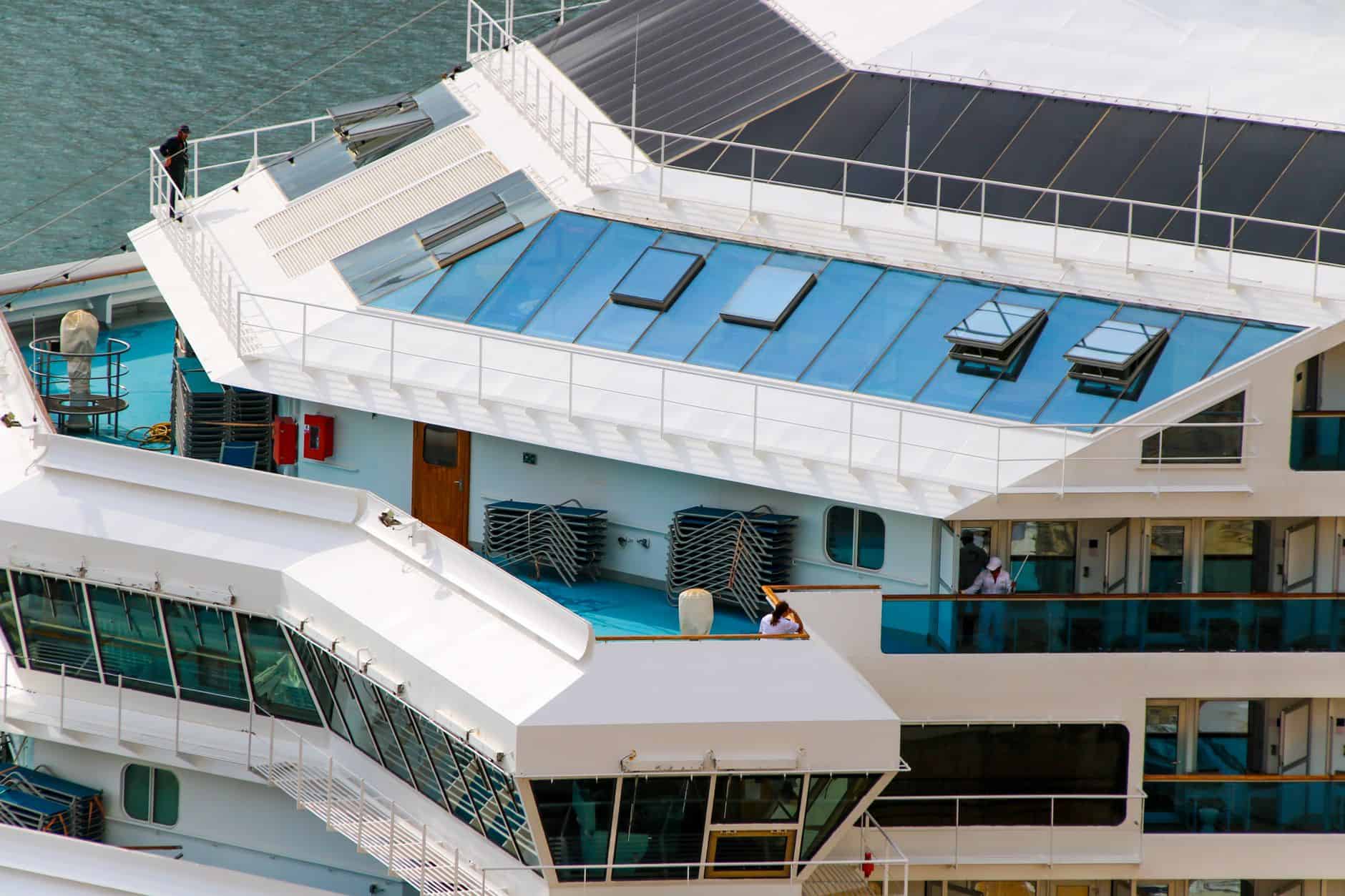
Cruise ship workers develop a taxonomy of passengers with remarkable speed. The categories are consistent across different crew members, different ships, and different eras of the industry.
There are the first-timers, usually overwhelmed by the scale of the ship, apologetic at the buffet, taking photos of everything. There are the loyalists — people on their fifteenth or twentieth cruise, who have a routine, know the staff by name, and regard the ship as a kind of second home. There are the spring breakers, the bachelor parties, the multigenerational family groups with a grandmother in a wheelchair and three children under eight.
And there is the category that crew members mention most often: the guests who treat the ship as a permission slip to behave in ways they never would at home.
“The anonymity of a cruise does something to people,” said one former bartender who worked Caribbean routes for six years. “They’re not in their town. Nobody knows them. The buffet is open. The bar is open. The rules feel different. Some people handle that gracefully. A lot of people do not.”
Crew members are contractually required to be hospitable. They are not contractually required to forget what they see. And what they see, collectively, is a vivid portrait of how Americans behave when removed from the social accountability of their ordinary lives.
The Ports: What Crew Members Actually Think
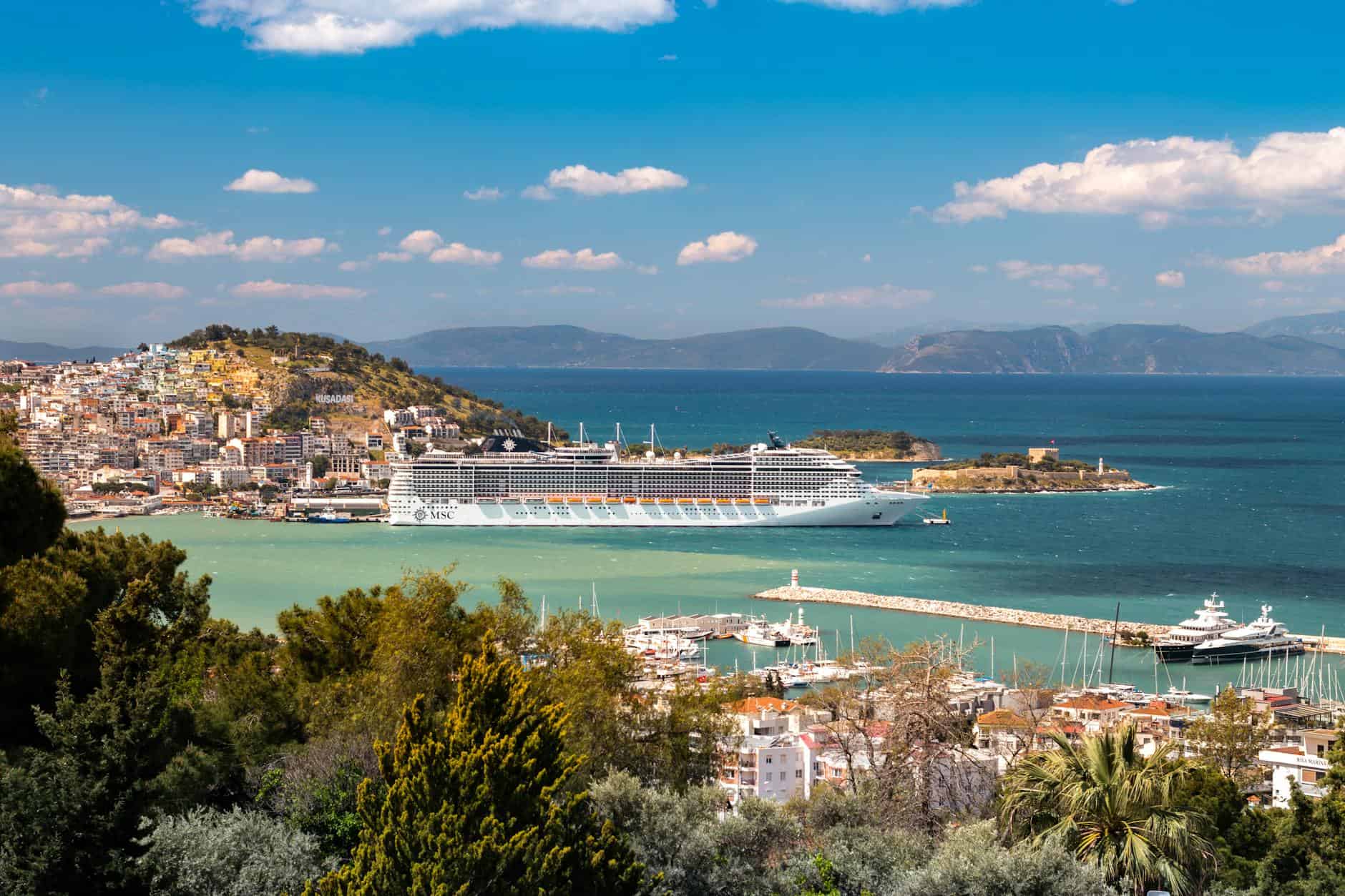
Crew members who have docked at Cozumel, Nassau, Labadee, and the other standard Caribbean ports dozens of times have a particular perspective on those places.
“Nassau is not Nassau,” said one former guest services manager. “What passengers see is a corridor of duty-free shops and cab drivers and jewelry stores that has been built specifically for the three hours when 3,000 people get off a ship. The actual Nassau is somewhere else.”
Private island ports — the beach days on cruise line-owned or leased islands — are viewed by most crew members with a kind of resigned clarity. The beaches are real. The palm trees are real. The “local culture” curated on those islands is not real. “It’s a controlled environment designed to look like the Caribbean,” said one former crew member. “There’s nothing wrong with it if you know what it is. The problem is when people think they’ve experienced the Bahamas because they spent six hours on a sandbar the cruise line owns.”
The ports crew members say are genuinely worth getting off the ship for are, without exception, the ones that require some effort: the ports with actual towns, histories, markets, and restaurants that have nothing to do with the ship’s arrival.
The Environmental Reality Nobody in Advertising Mentions
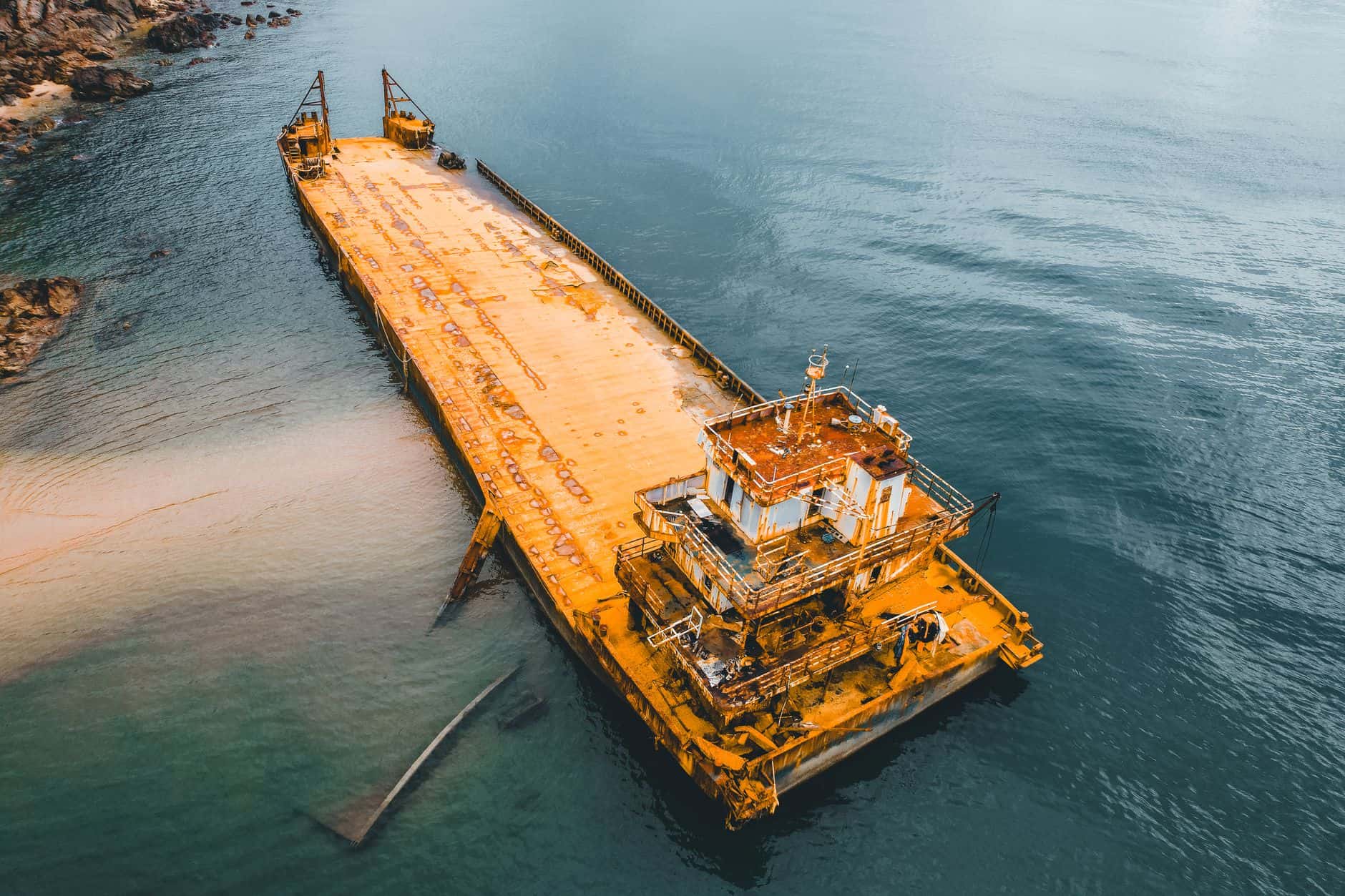
Cruise ship workers who were paying attention came away with a clear-eyed view of the industry’s environmental footprint. Many of them say it’s one of the reasons they wouldn’t work on a large cruise ship again.
Cruise ships are among the most polluting forms of passenger transportation per person per mile when accounting for all emissions. Wastewater treatment standards aboard ships have improved significantly in recent years but remain a subject of genuine concern for former crew members who watched the processes operate.
“I don’t think most passengers ever think about where anything goes,” said one former engineer who worked in ship operations for seven years. “The food waste, the water, the exhaust — it’s a city. Cities produce enormous amounts of waste. This one is surrounded by ocean.”
The environmental cost is not a reason most travelers factor into cruise decisions, and the cruise industry spends significant money on messaging that emphasizes sustainability initiatives. Former crew members tend to view that messaging with considerable skepticism.
What the Ship Looks Like When It’s Not Performatively Gleaming
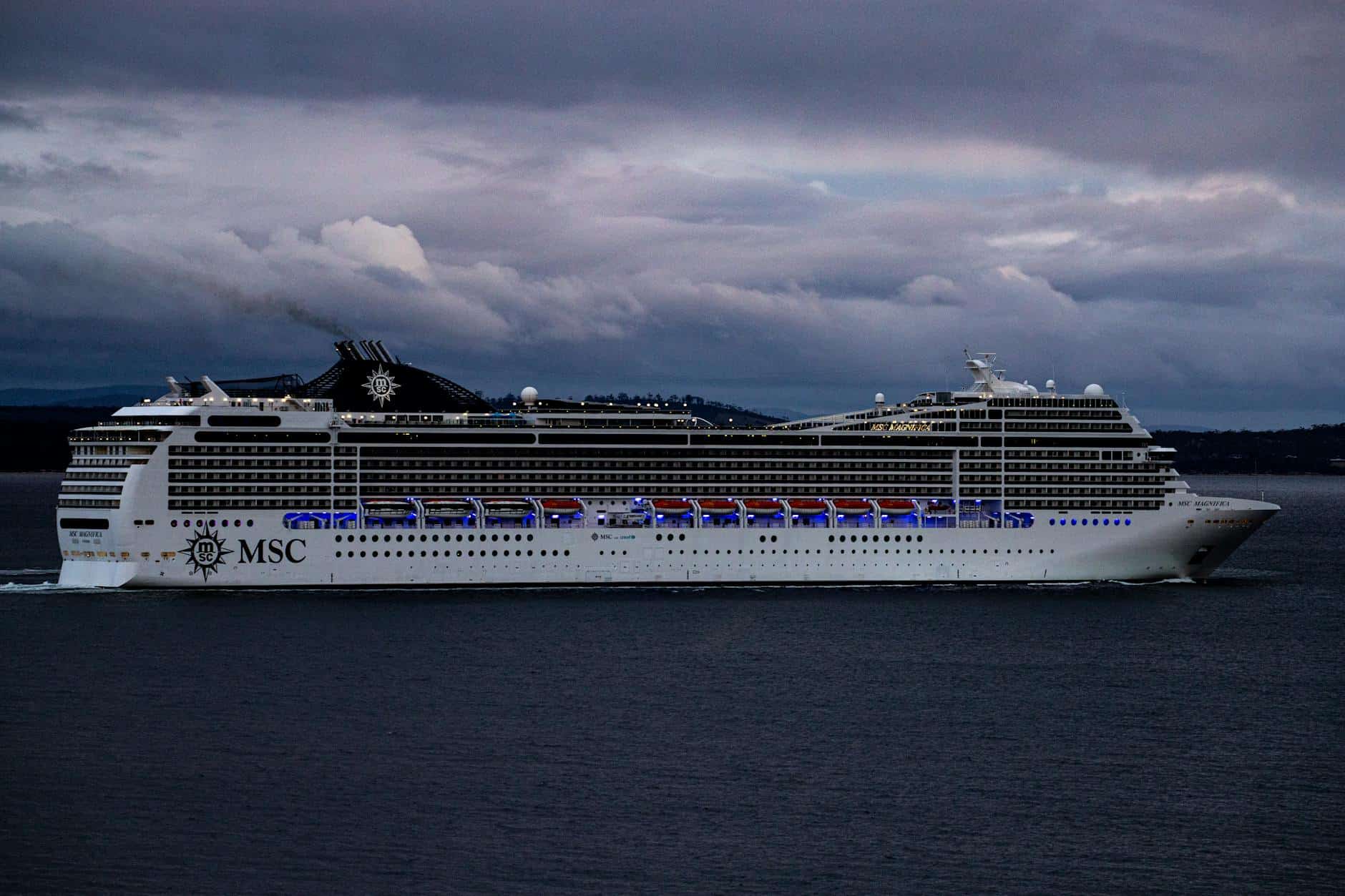
The maintenance reality of a cruise ship is something passengers almost never see. The ship that looks immaculate from the pool deck is a working industrial vessel that operates continuously, deprecates constantly, and requires a small army to maintain.
Paint peels. Pipes fail. Carpets in crew corridors are worn to bare backing. The kitchen infrastructure that produces thousands of meals a day operates under conditions that would be unrecognizable to the guests eating in the dining room.
“The guest areas are maintained obsessively,” one former cabin steward explained. “The crew areas… less so. It’s a budget question. The guests don’t see the crew areas.”
This is not unique to cruising — hotels operate the same way. But the enclosed, self-contained nature of a ship means the contrast between the public performance and the backstage reality is particularly stark.
The Workers Who Come Back — and Why
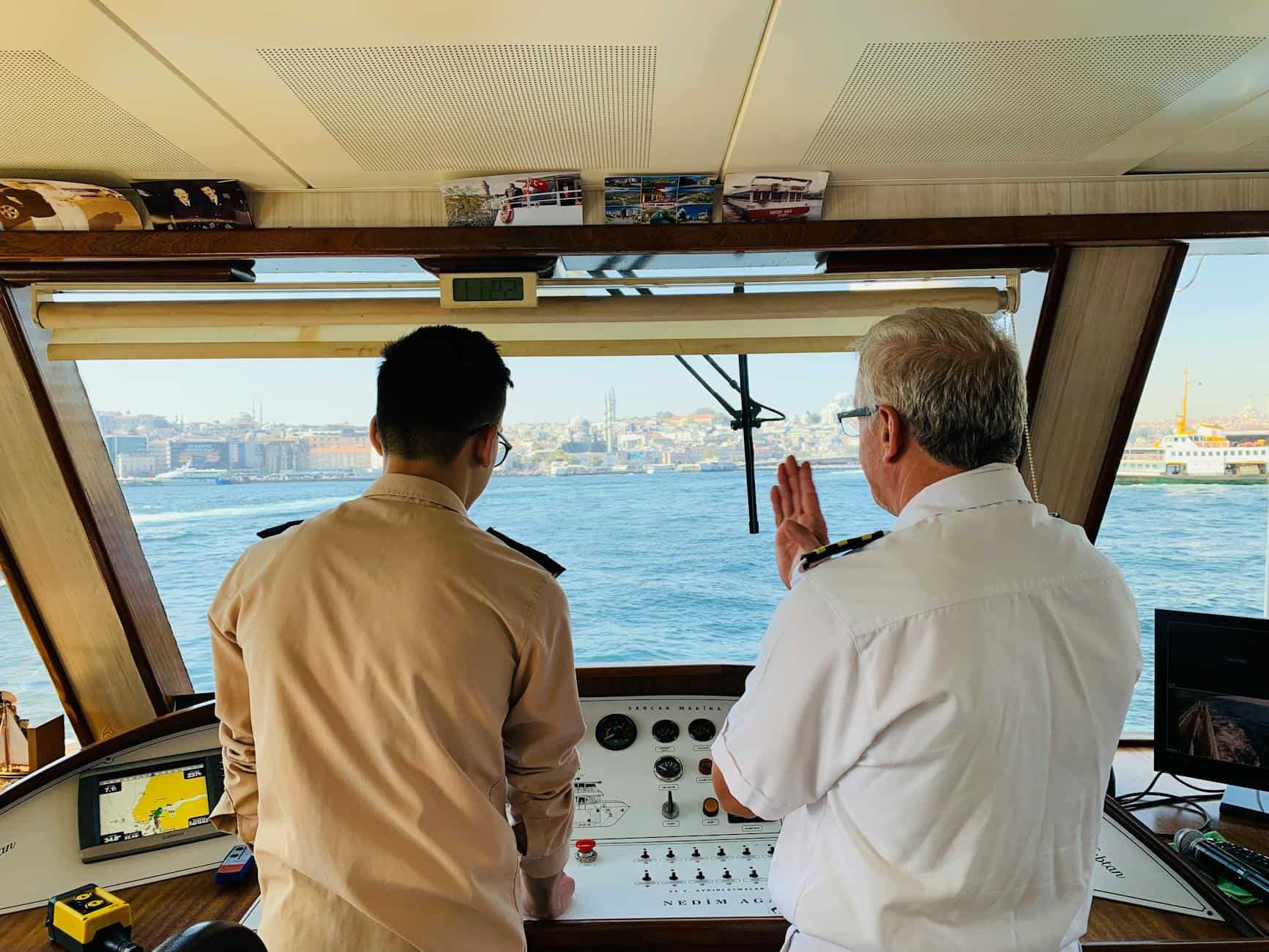
Despite everything, a significant number of cruise ship workers return to the industry after leaving. The reasons are complicated.
The money, for crew members from developing countries, can be genuinely life-changing. A Jamaican dining staff member, an Indonesian cabin steward, a Filipino engine room technician — they may earn in one contract what would take years to accumulate at home. The sacrifice of being away from family for eight or nine months at a stretch is real. So is the financial reward.
For workers from wealthier countries, the appeal is different: the travel, the adventure, the suspension of ordinary life. Several former crew members describe their ship years as a compressed period of experience that they couldn’t have gotten any other way — seeing dozens of countries, building skills under pressure, meeting people from everywhere.
“I worked with people from 60 countries on one ship,” said a former entertainment director. “There is no other job where that happens. For that reason alone, I don’t regret a single day of it.”
What They Tell Friends Who Are Booking a Cruise

When friends or family ask former crew members whether they should book a cruise, the answer is almost always: it depends entirely on what you think you’re doing.
If you want a relaxing, contained vacation where all logistics are handled, the food is plentiful, and you don’t have to make decisions, a large cruise line can deliver that reliably. Know that you’re buying ease and entertainment, not genuine travel, and you’ll likely have a fine time.
If you’re hoping to experience the Caribbean, Alaska, the Mediterranean, or wherever the ship is going — actually experience it, not view it from a moving buffet line — former crew members are largely unanimous: get off the ship in ports that are worth it, book your own activities independently, and spend time in places the ship’s excursion desk hasn’t packaged.
“The cruise is fine as a vehicle,” said one former crew member. “The mistake is thinking the vehicle is the destination.”