The ‘Off the Beaten Path’ Trend Is Eating Itself — And the Places Paying the Price Aren’t on Any Map Yet
We may earn money or products from the companies mentioned in this post. This means if you click on the link and purchase the item, I will receive a small commission at no extra cost to you ... you're just helping re-supply our family's travel fund.
This article contains affiliate links. If you book or buy something through our links, we may earn a small commission at no extra cost to you.
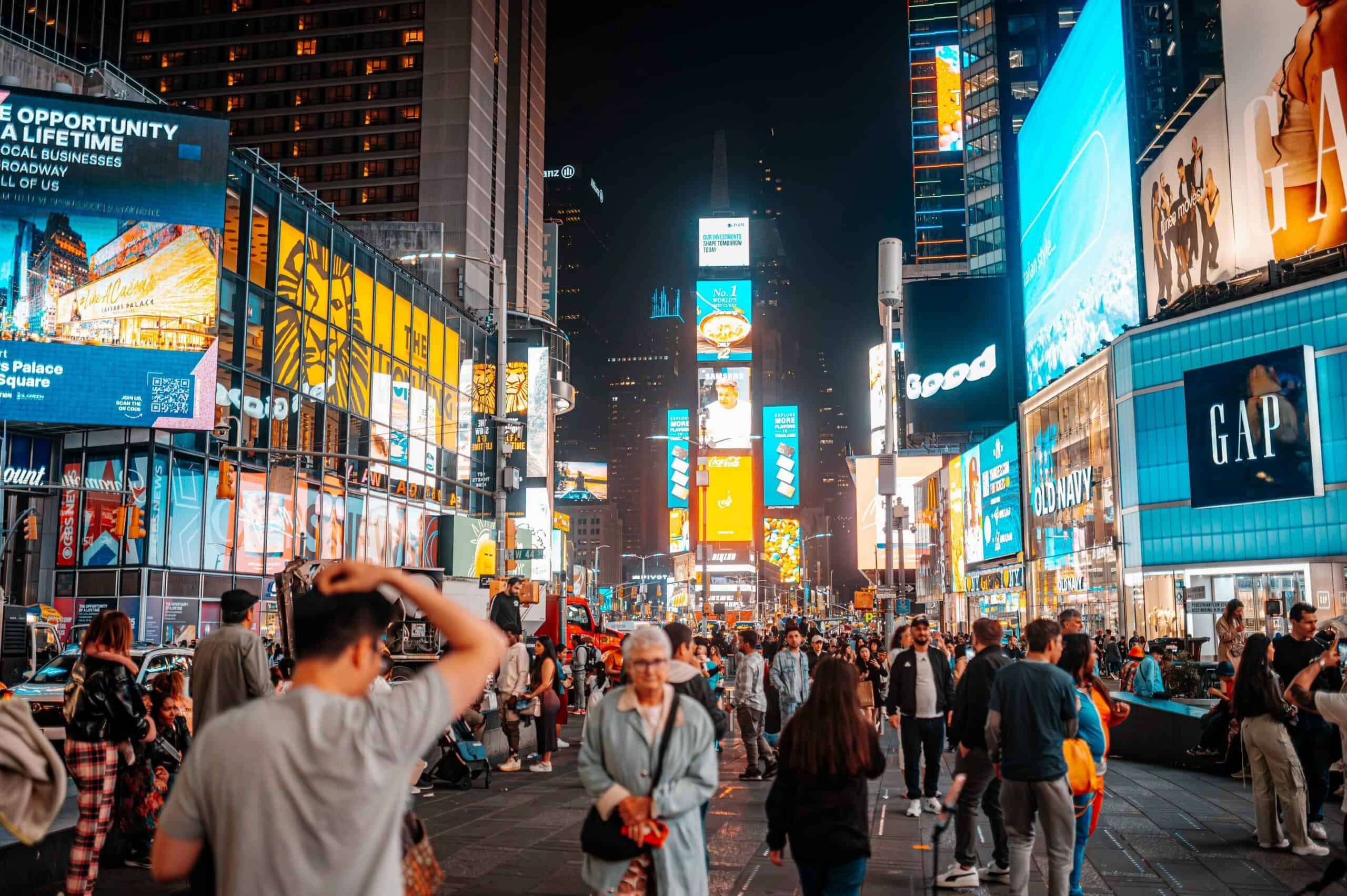
There is a reliable pattern now, repeated dozens of times in the past decade, that ends the same way every time. A photographer posts a photo. The photo gets shared 50,000 times. The caption says something like “This incredible hidden gem — don’t look it up, just go.” Everyone looks it up. Within eighteen months, the spot that was empty when the photo was taken has a parking problem.
The “off the beaten path” imperative is one of travel media’s most persistent ideas and, increasingly, one of its most destructive ones. It emerged as a genuine corrective to the homogenization of mainstream tourism. It has become, in practice, a mechanism for relocating the crowd — not reducing it.
How a Place Goes From Unknown to Overrun in 18 Months
The cycle is almost mechanical at this point. It begins with someone who genuinely got somewhere early — a travel writer, a photographer, a backpacker who found the village before the algorithm did. They share it. The share gets traction. The SEO-optimized version appears: “The Most Magical Village in [Country] That Nobody Has Discovered Yet.”
The people who arrive first are usually experienced travelers, adaptable and curious. They don’t overwhelm the place. They’re actually having the experience the article described. They share their photos. The next wave is larger and less experienced. They arrive expecting the experience the article described and begin to manufacture it — posing, staging, needing the moment to perform correctly.
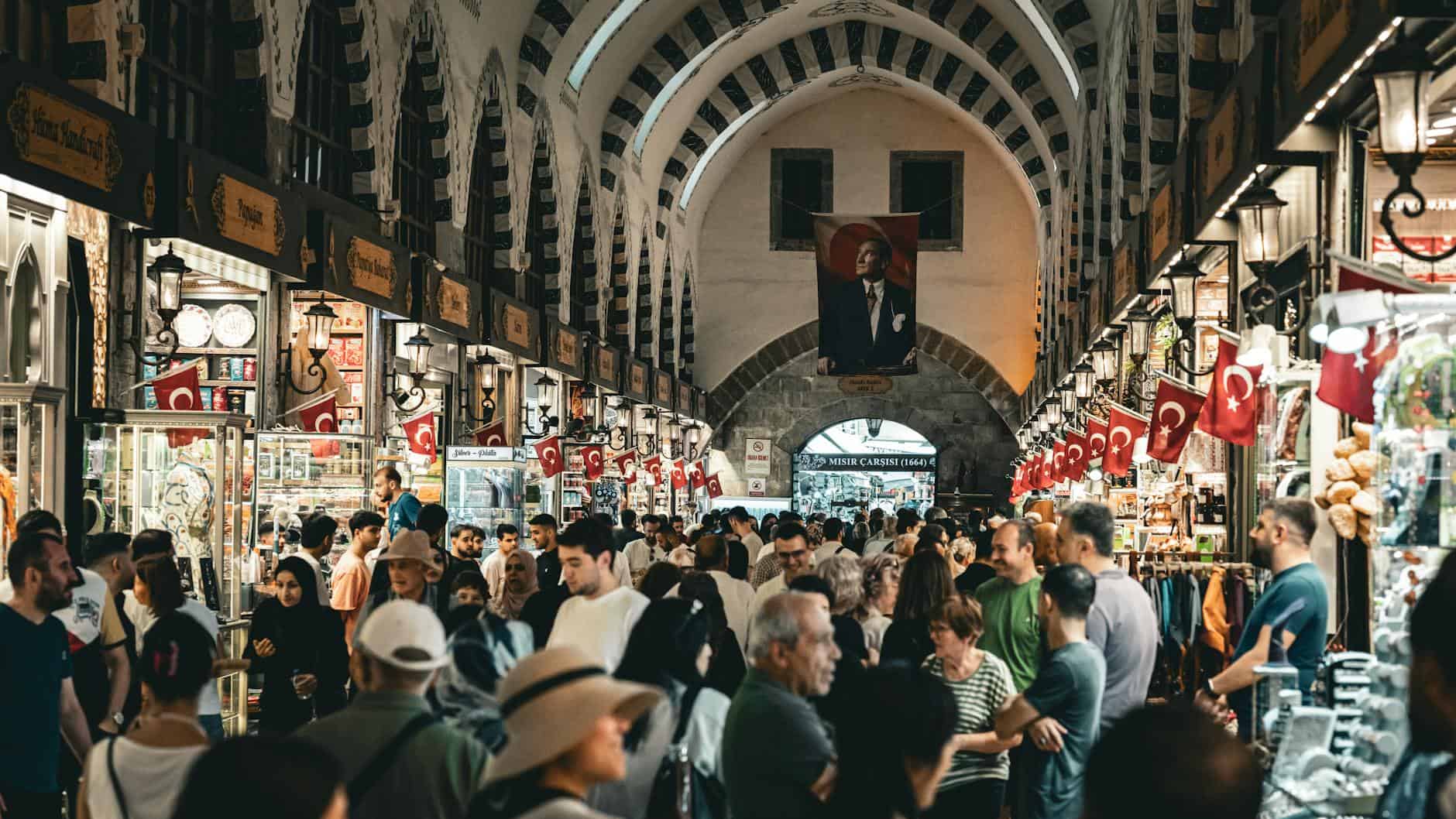
By wave three, the parking has become a problem. Local residents who walk to the market now navigate through tour groups. The one guesthouse is booked three months out. Two new souvenir stalls have opened. A coffee shop with an English menu is under construction.
None of this happens maliciously. It happens because tens of thousands of people read the same article and made a reasonable decision.
The Villages That Became Film Sets
Bali’s rice terrace villages. The blue-domed towns of Santorini. The painted fishing villages of Portugal’s coast. The flower-draped towns of the Italian Cinque Terre. Each of these places has, to varying degrees, been transformed by the specific dynamic that the off-the-beaten-path trend amplifies: the demand for a particular image, repeated endlessly.
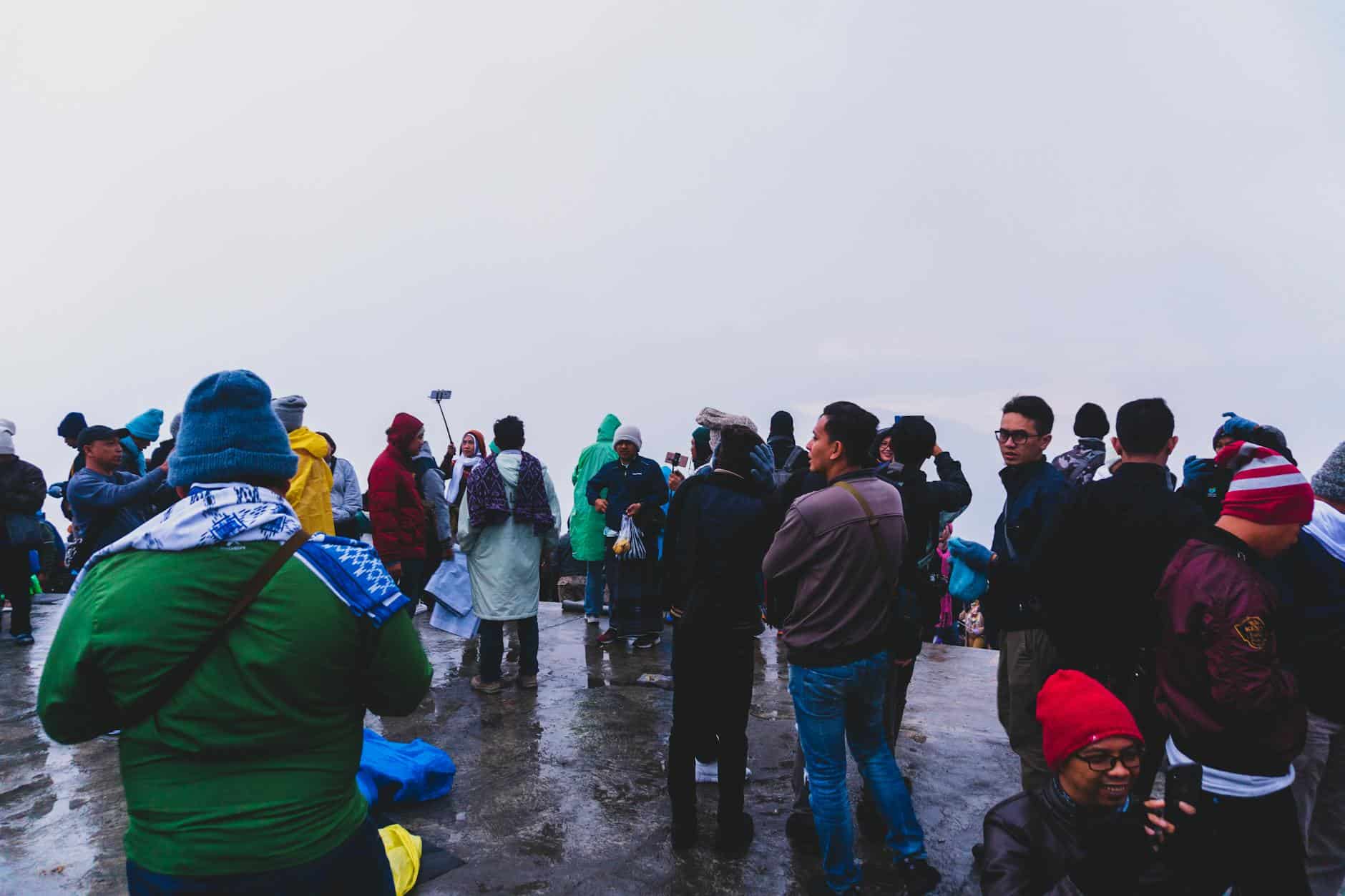
In some Cinque Terre villages, residents report that their streets are unusable in peak season. In Santorini, hotels have been built in such density that the cliff towns that made the place famous are now barely visible under the development. The Balinese villages that were once genuinely remote and ceremonially active now employ staff to manage the flow of visitors during religious events that visitors were not originally meant to attend.
“The village is now performing being a village for visitors,” one researcher who studied overtourism in Southeast Asia told a travel publication. “The actual village — as a living community — moved elsewhere, or changed so fundamentally that the original character is largely gone.”
The photographs people take in these places still look like the photographs that sent people there. They’re taken from the same angle, in the same light, against the same backdrop. The lived experience around the edge of the frame is something else entirely.
What the Locals Actually Think (When Someone Bothers to Ask)
Tourism research consistently finds a gap between what travel industry messaging says about local economic benefits and what residents of heavily visited communities actually report. The views are rarely simple.
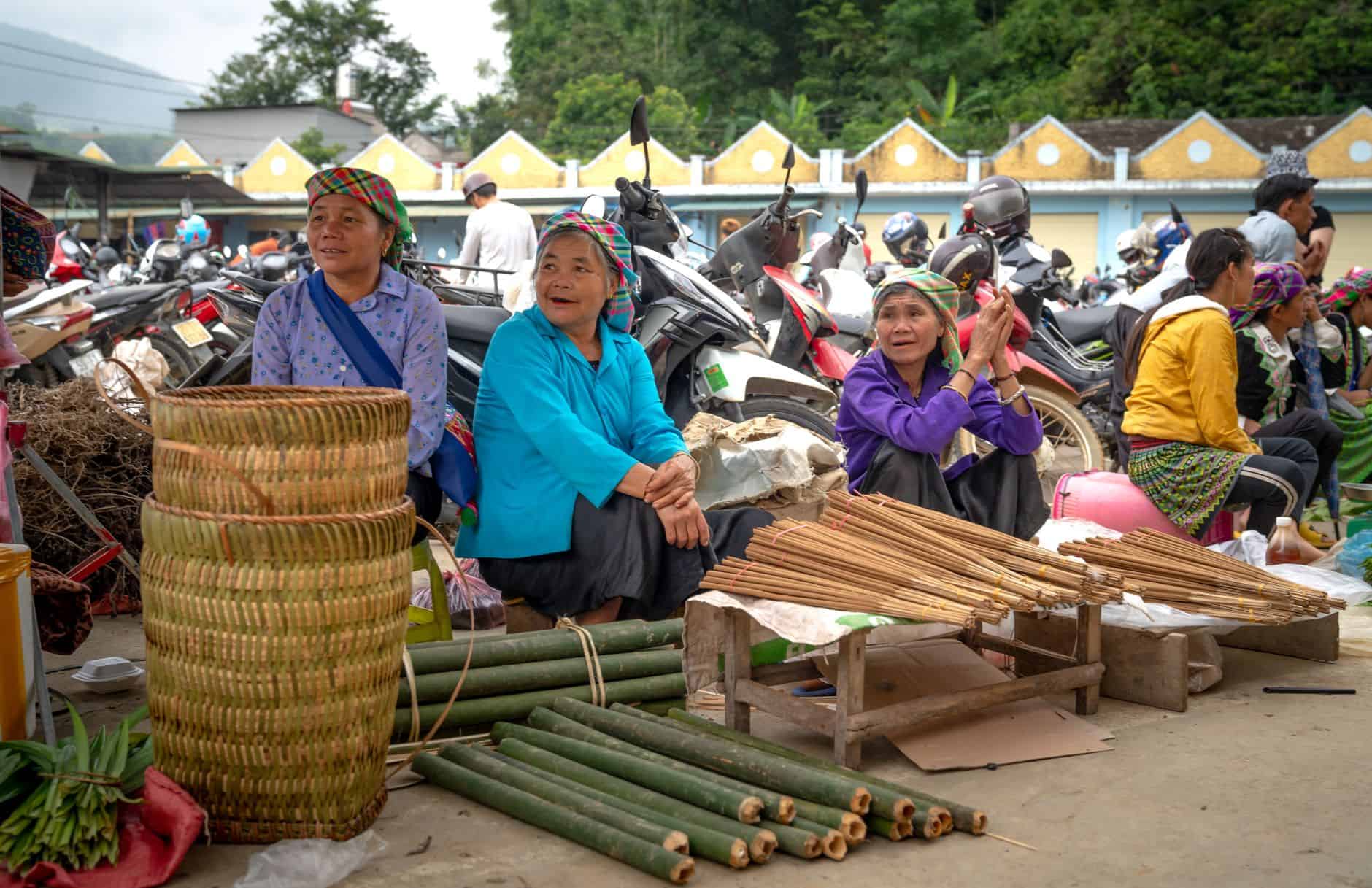
In many destinations, a portion of residents — typically those directly employed in tourism — view the increased visitors positively. Guesthouse owners, guides, and restaurant operators benefit directly. Another portion — those not employed in tourism, those who own property but don’t rent it, elderly residents on fixed incomes — often report a decline in quality of life: higher prices, noise, the loss of local businesses that served community needs rather than tourist ones.
In a coastal village in Croatia, a resident whose family had lived there for four generations described the summer season flatly: “We leave. The tourists come. We come back when the tourists leave. It wasn’t always like this.”
That dynamic — locals seasonally displaced from their own communities — is not unique to Croatia. It’s the end-state of a particular kind of tourism pressure, and it is spreading.
The Economic Promise That Doesn’t Always Pay Out

The argument for tourism in rural and underdeveloped areas is straightforward and not wrong: visitors bring money, money creates jobs, jobs improve living standards. In many places, this is exactly what happened.
But the distribution of tourism income is often far less local than the brochure implies. A traveler who books through an international platform, flies on a foreign airline, stays at a property owned by an outside investor, and eats at a restaurant run by an expat may spend a considerable amount of money while directing relatively little of it to actual community members.
The gig economy of tourism — local guides, homestay operators, market vendors — does capture meaningful income. But the structural economics often favor the aggregators and platforms over the destinations. A village that appears on a popular travel listicle may find itself generating significant revenue for booking.com while local accommodation owners, who lack the technical capacity to optimize their listings, see smaller returns.
When ‘Authentic’ Becomes a Product
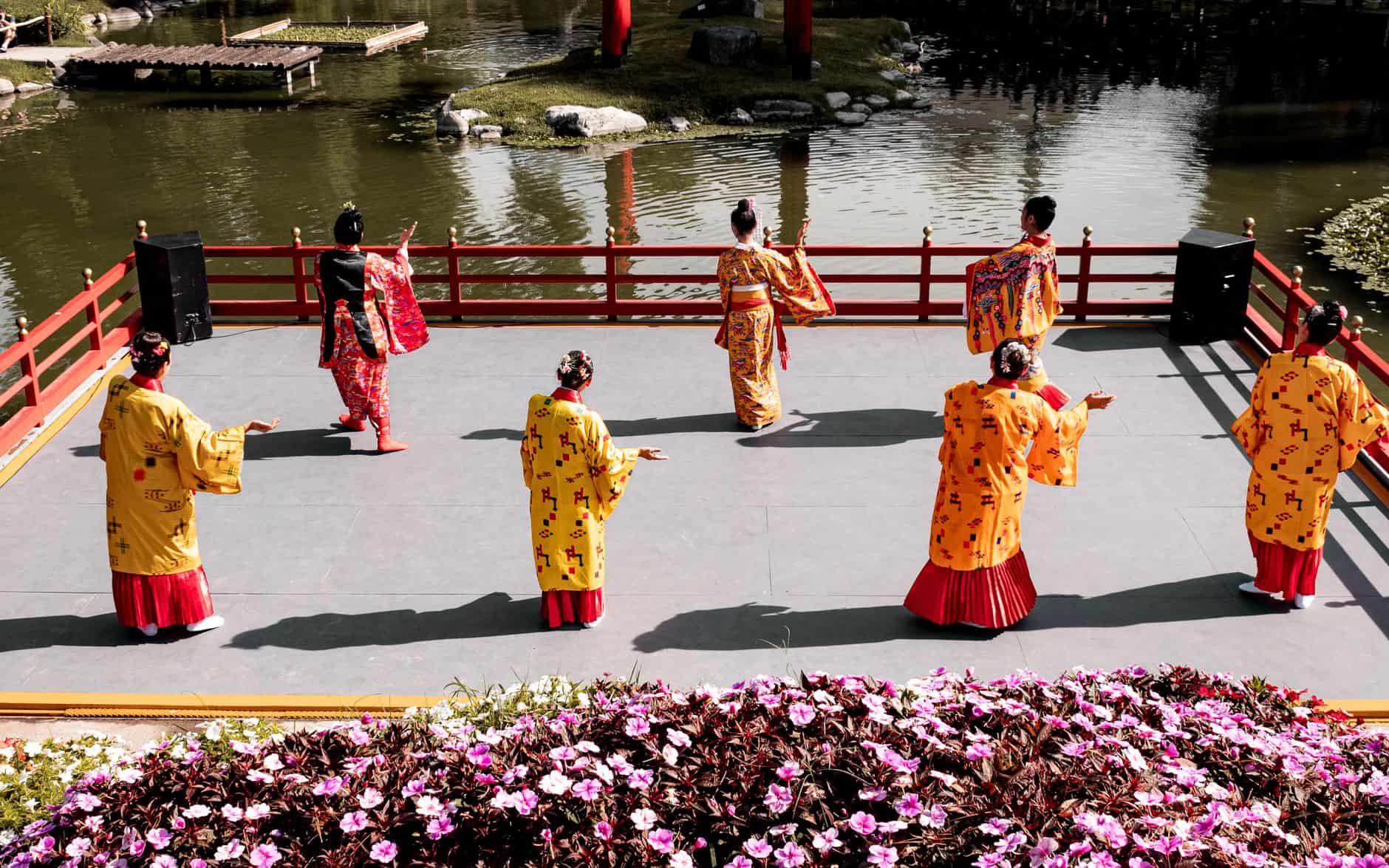
The word “authentic” is one of the most commercially loaded terms in modern travel marketing. What travelers mean when they say they want an authentic experience is generally: something that feels unperformed, unmediated, not designed for them.
This is, structurally, impossible to deliver at scale. When enough people want the unmediated experience of a place, the act of providing it to them mediates it. The traditional cooking class, the “real” village homestay, the cultural ceremony that welcomes visitors — each of these is a product, designed, priced, and delivered. The ceremony was real before the visitors came. It became a product in response to their interest in seeing it.
This is not a moral failure. It’s a market dynamic. People want a thing. Someone figures out how to sell it. The product is never quite the thing that was originally wanted, but it’s close enough that the market persists.
The problem is that the product increasingly displaces the original. The village that used to hold its harvest festival as an internal cultural event now holds it as a ticketed experience. The festival’s internal meaning shifts, gradually, toward its external function.
The Photographers Who Came First and the Flood That Followed
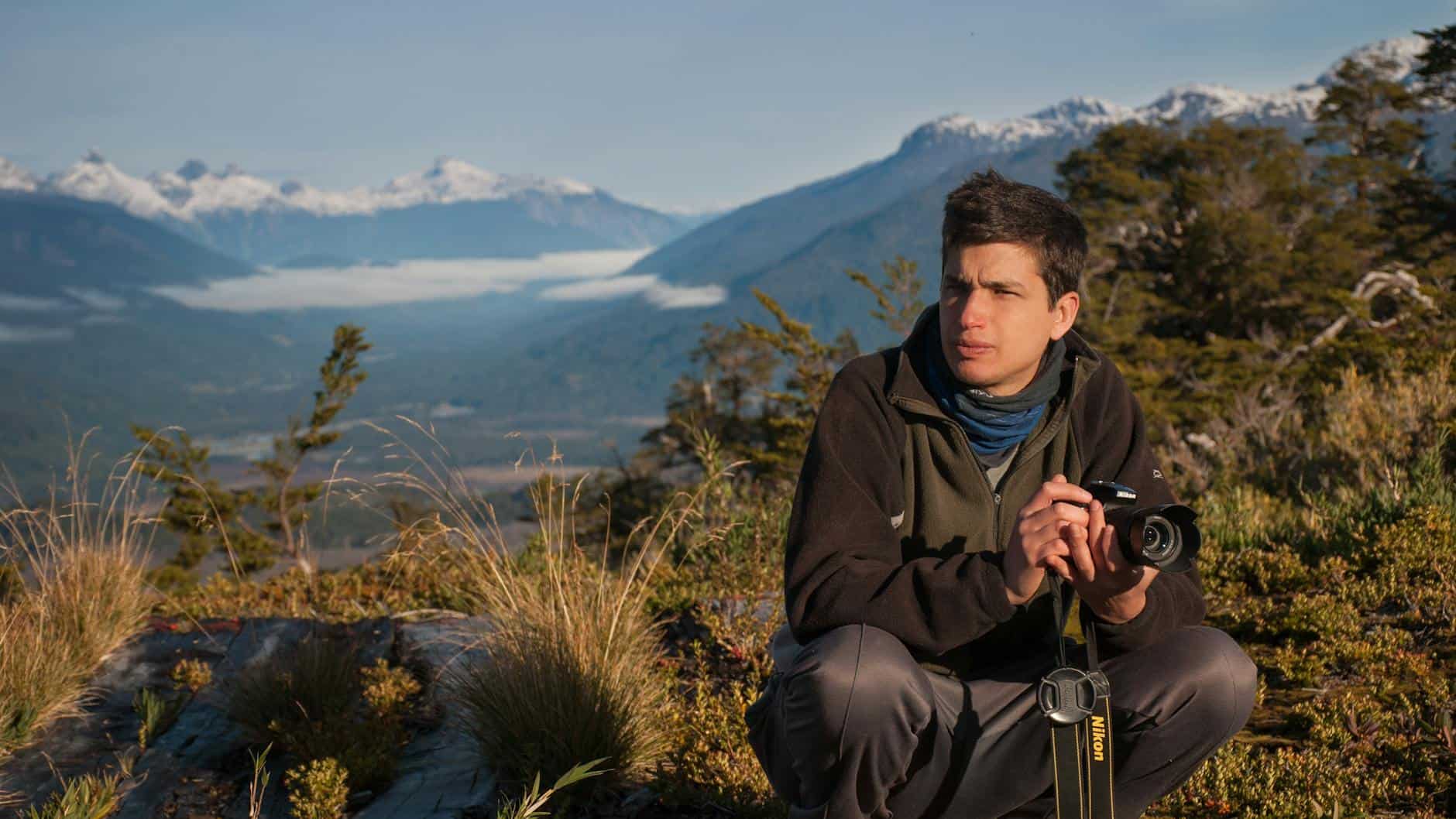
Travel photographers occupy a particular position in this cycle. The best ones genuinely find things early. They take images of real places at real moments, and those images are honest records of what a place was. They also, by publishing those images, initiate the cycle that ends what the image captured.
Many travel photographers are now openly wrestling with this. Some have stopped geotagging images. Some deliberately post the name of a region without naming the specific location. Others have stopped posting location information entirely, describing their images as archival rather than invitations.
“I have a photo from 2015 of a beach in Thailand that had maybe ten people on it when I was there,” one travel photographer said in an interview. “The same beach now has a parking lot and three beach clubs. I don’t know if my photo caused that. I know it was part of a pattern that caused it.”
The geotag debate is, in the end, mostly symbolic. The algorithm will find a place whether or not a single photographer tags it, as long as enough people are posting images from there. The question of individual responsibility is real but limited.
Why the Trend Always Moves On
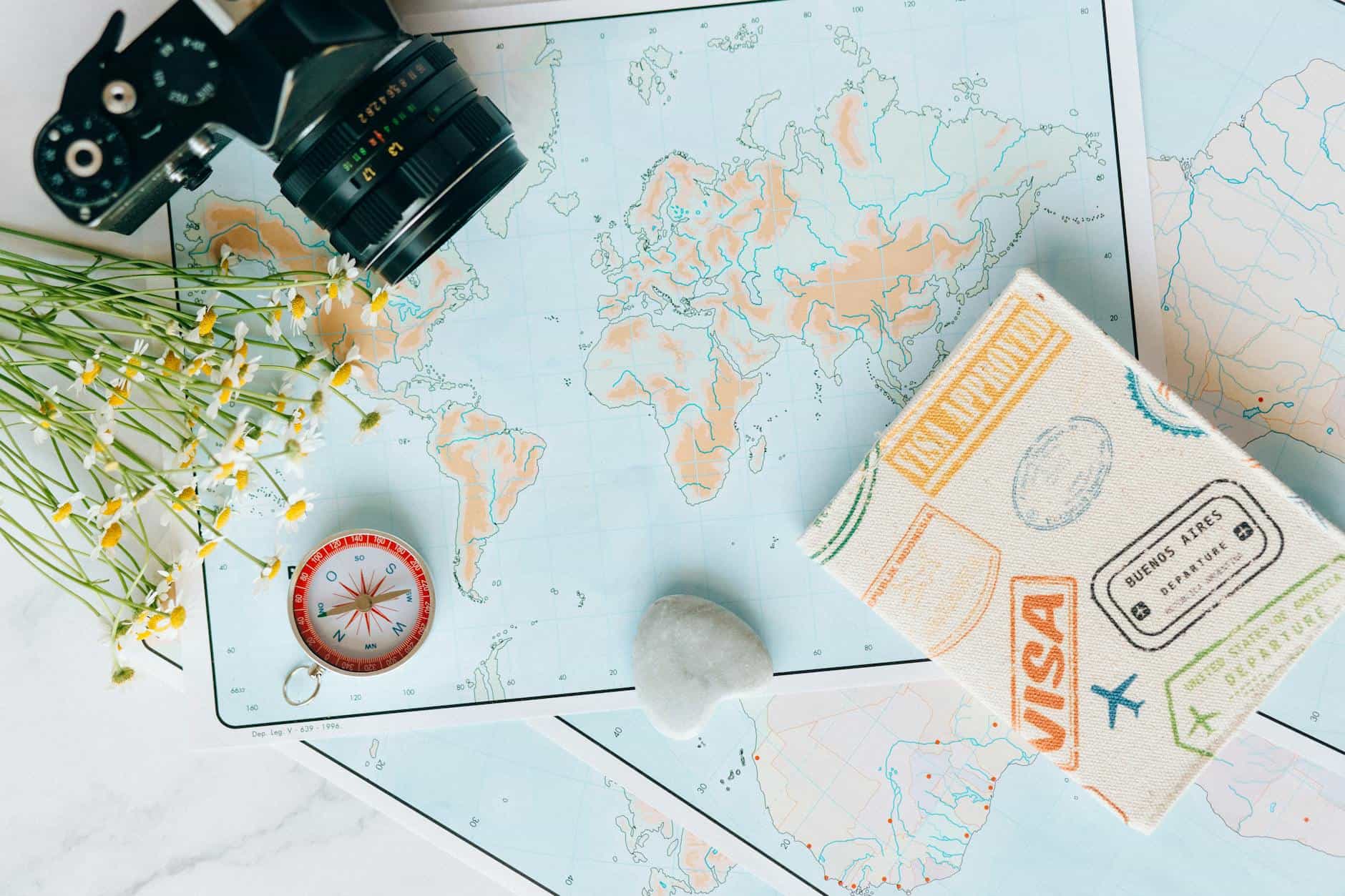
The off-the-beaten-path trend doesn’t end when a place gets discovered. It migrates. The place that was “the hidden gem nobody knows about” three years ago becomes the place that’s “too crowded now” today — and the same travel media ecosystem that made the first place famous is now publishing articles about the new hidden gem nobody knows about yet.
This is partly how travel media has always worked: novelty is the engine. But the pace of the cycle has compressed. What once took a decade now takes two or three years. The geographies that remain undiscovered shrink as the algorithm gets better at finding them.
Some travel researchers argue that this is simply progress — that increased tourism, even when disruptive, represents a net transfer of wealth toward underserved communities. Others argue that the pace of change denies those communities the time to adapt in ways that preserve their character.
Both are probably partly right.
What Responsible Travel Actually Looks Like vs. What It’s Marketed As
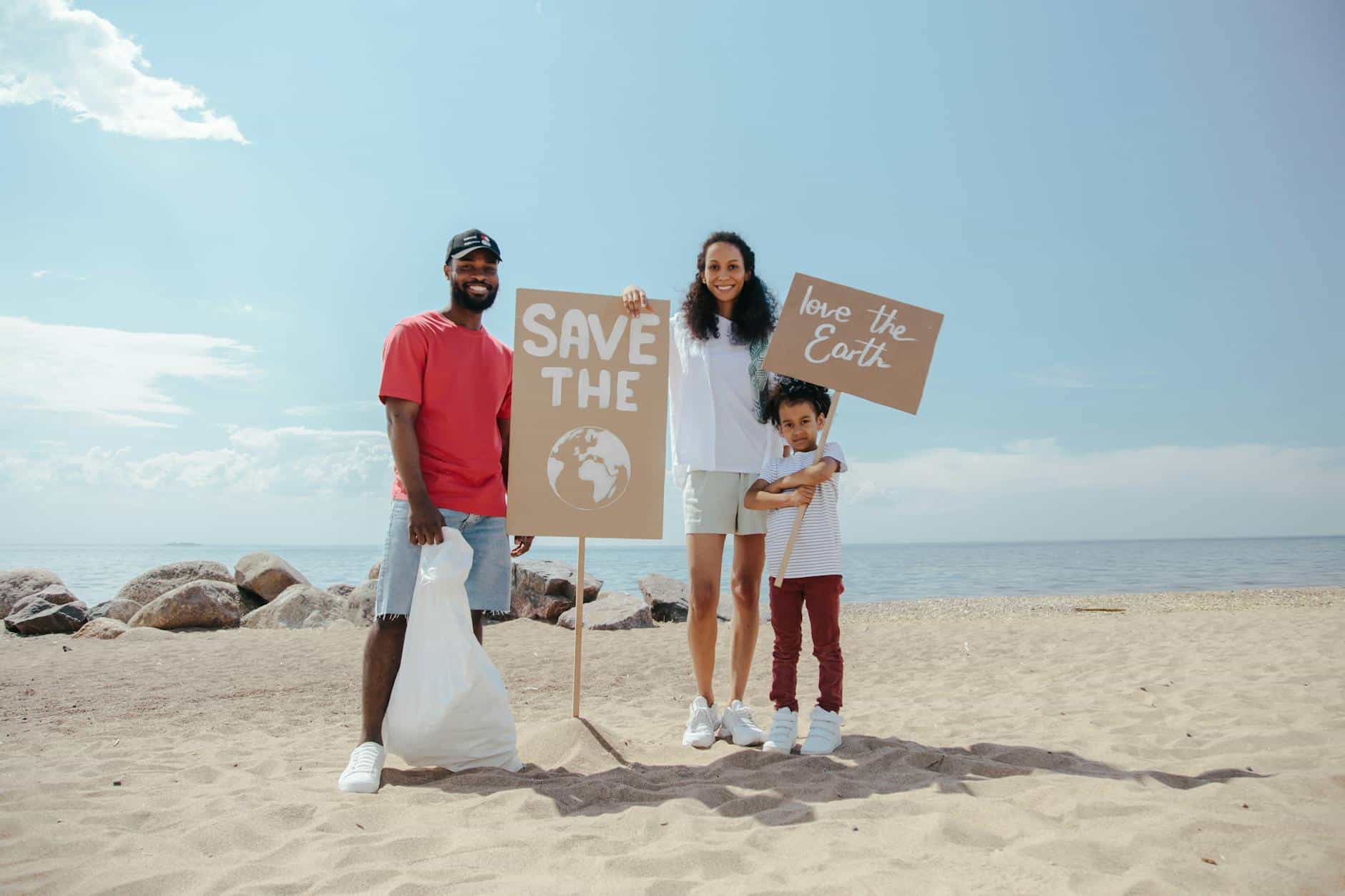
The phrase “responsible travel” has been effectively colonized by marketing. Every cruise line, every mega-resort, every tour operator that has faced criticism for environmental or cultural impact now uses it.
What travel researchers and community advocates actually describe as responsible differs from the branded version in specific ways. It’s slower — spending more time in fewer places rather than covering more ground. It’s more economically local — choosing accommodation, food, and guides operated by community members rather than outside investors. It’s more consent-based — asking whether visitors are actually welcome at an event or ceremony before attending.
And it involves a harder question that most travel media doesn’t raise: not just how to visit a place responsibly, but whether visiting it at all — at this moment, given its current saturation — is the responsible choice.
Some places genuinely benefit from more visitors. Others are at a breaking point. The travel article that tells you which is which is harder to write, and less likely to go viral, than the one that reveals the next hidden gem.